




Built for complete beginners
When the entry level is low, participation multiplies. Yoga a beginner signs up for is worth more than a technical class for four.


Sports Events
A fitness event is a day dedicated to physical activity, with group classes, workouts and challenges that attendees take part in, whatever their level.
Yoga, functional training, generator bikes and endurance challenges for events that get people moving.
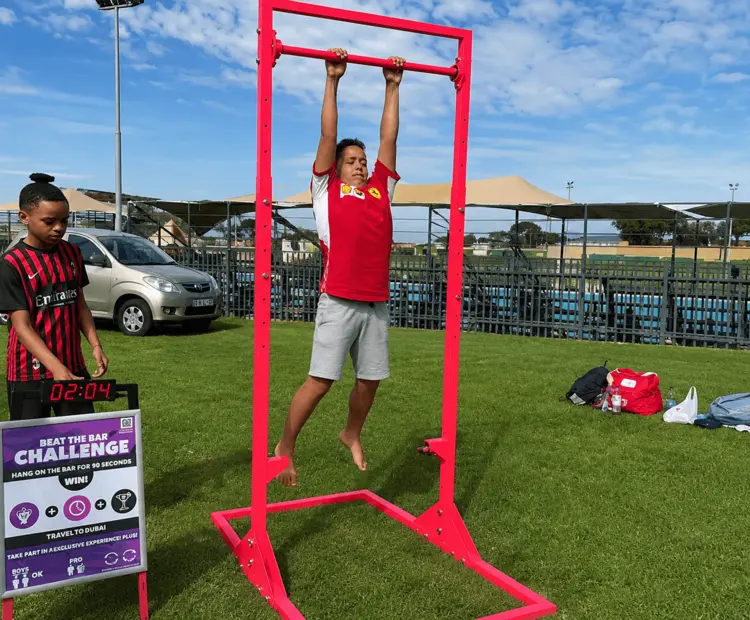
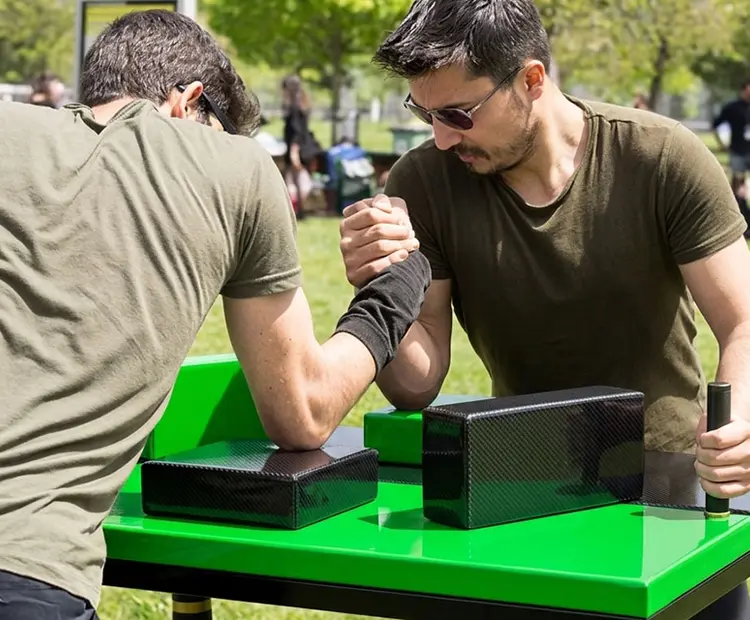
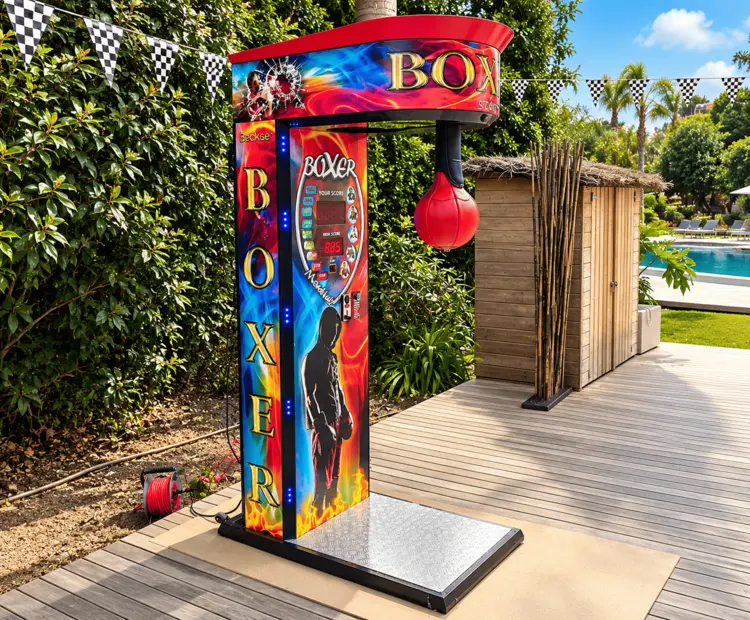
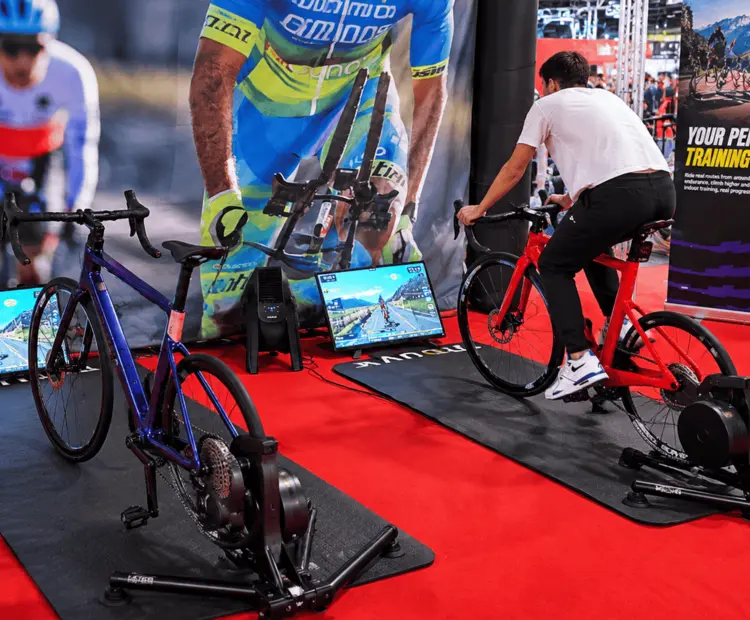
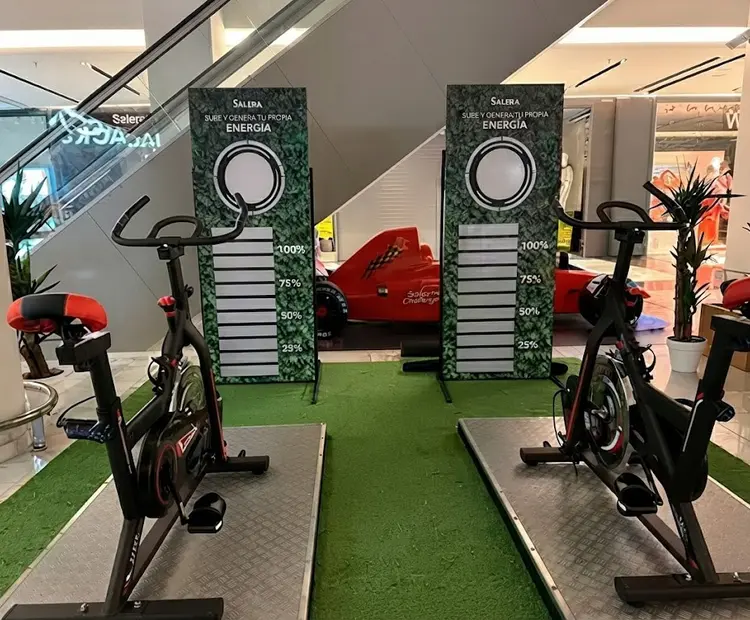
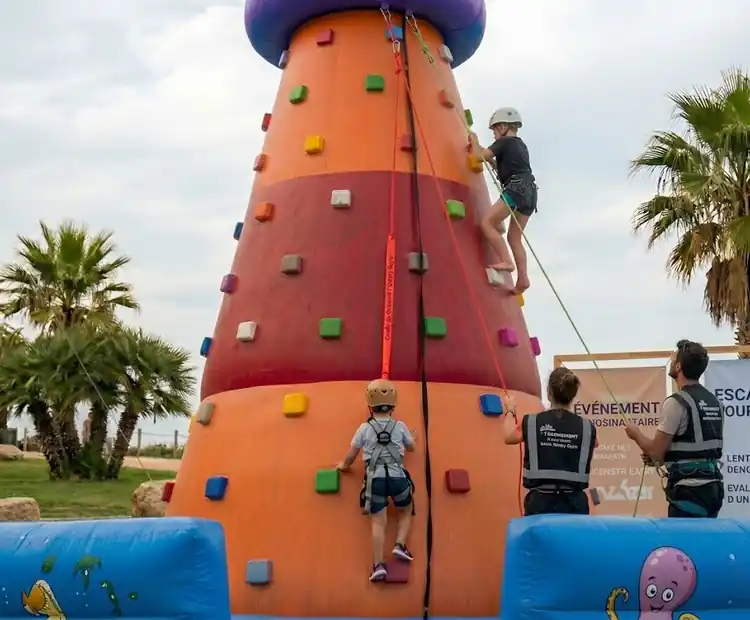
We organise fitness events for companies, brands and organisations: yoga and pilates sessions, functional training, generator bikes, ice baths, mindfulness and endurance challenges, with qualified instructors and our own equipment.
Wellbeing has gone from being a nice extra to part of the standard package at corporate events, incentives and brand activations. And with that shift came a predictable problem: yoga sessions nobody attends, or classes so demanding they exclude half the group. The failure is almost always in the level and the timing, not the activity.
Our criterion is simple: the session has to work for someone who has never done it. Accessible yoga that a complete beginner signs up for, functional training adapted to each person's pace, an endurance challenge you can drop out of without embarrassment. When the entry level is low, participation multiplies.
Timing matters as much as content. Sunrise sessions work surprisingly well at incentives and hotels, because the setting compensates for the early start. At corporate events, by contrast, mid-morning or straight after lunch performs best, where the session also breaks up the day.
We work with qualified instructors and our own equipment: mats, functional kit, generator bikes, cold water tubs. Safety matters in physical activities with mixed groups, which is why instructors adapt the session in real time to the actual level of whoever turned up, not the level anticipated.
When the entry level is low, participation multiplies. Yoga a beginner signs up for is worth more than a technical class for four.
Sunrise at incentives and hotels; mid-morning or post-lunch at corporate events, where the session also breaks up the day.
The instructor adjusts the session to the actual level of whoever turned up, which rarely matches the level in the brief.
Number of participants, approximate fitness profile, available space and time of day.
Which activity, how long, what equipment and how many instructors, at a closed price.
Surface, ventilation, changing rooms if needed and equipment for the real number of attendees.
Qualified instructors adapting to the group, with our own equipment and clearing away afterwards.
At corporate events the biggest barrier to a wellbeing activity is not physical effort: it is the discomfort of being seen doing it badly in front of colleagues. So the sessions that work best are those requiring no visible technique, breathing, stretching, cycling, walking, and those done in large groups where nobody stands out.
Yoga works when framed as an open, accessible session; it fails when it reads as a class where you are supposed to know what you are doing. It is a difference of communication rather than content, and it is resolved in how the activity is announced. So we also help draft that announcement, which usually does more for attendance than any change to the programme.
Comfortable clothes and suitable footwear. We state it in the invitation in advance so people come prepared, which is one of the most common reasons someone ends up not taking part.
Sessions are designed for a low entry level and the instructor adapts in real time. Nobody has to justify anything or drop out in front of the group: adaptation is part of the approach.
In a room, on a terrace, in a garden, on a beach or even in a cleared office. We need floor area per participant, ventilation and, for some activities, access to changing facilities or water.
Yes: mats, functional kit, generator bikes or whatever the session requires. Participants bring nothing beyond their clothes.
Yes, and that is how it works best. A weekly or fortnightly session at the company builds a habit, while an isolated session reads as a one-off and changes nothing.