





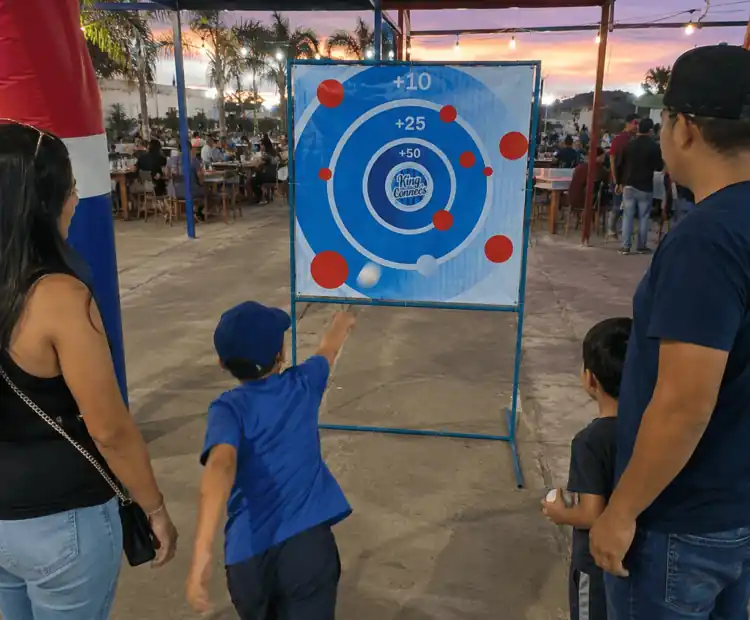
Reads from a distance
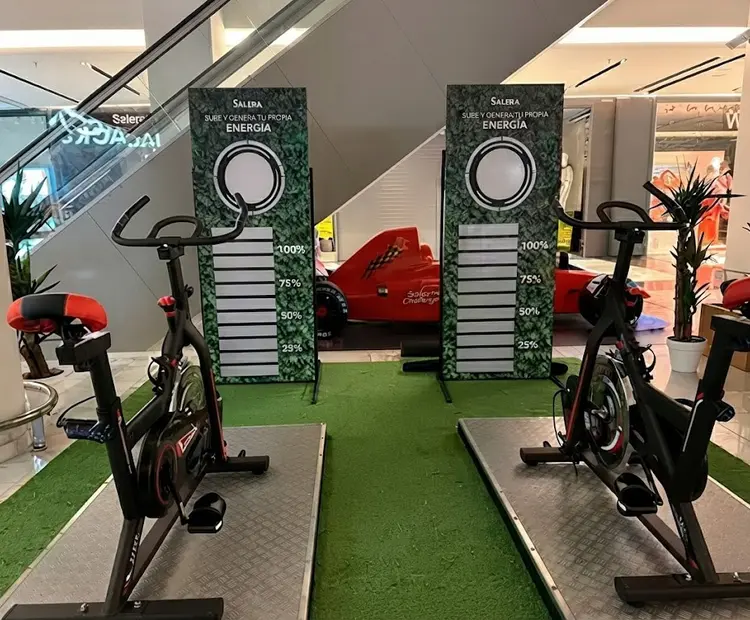
We choose elements with movement, light or a visible scoreboard. If a pedestrian has to walk over to understand it, they have already gone past.



Brand Activations
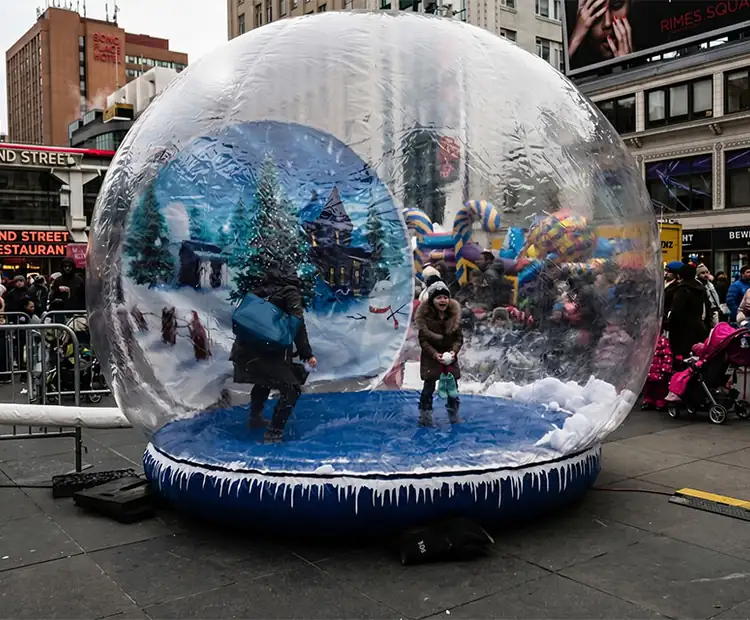
Street marketing is advertising carried out directly on the street or in public spaces, with eye-catching actions that aim to surprise passers-by and put them in contact with the brand.
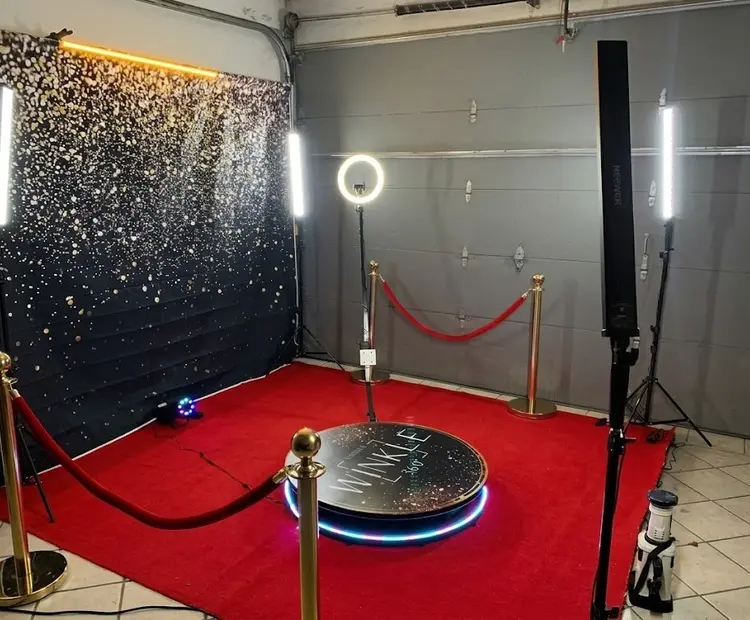
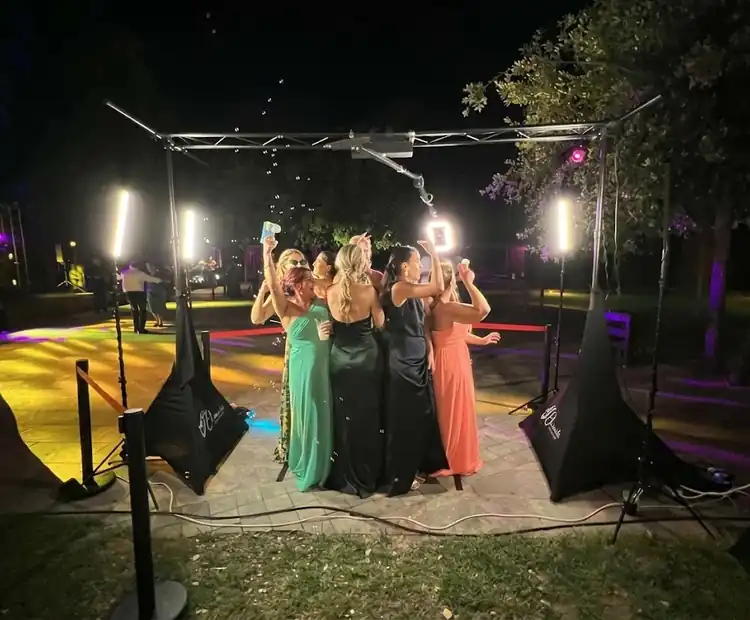
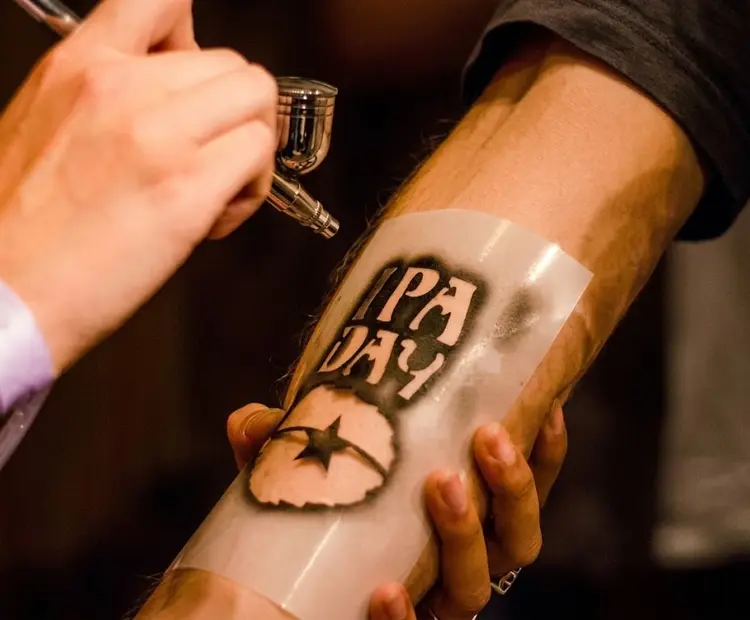
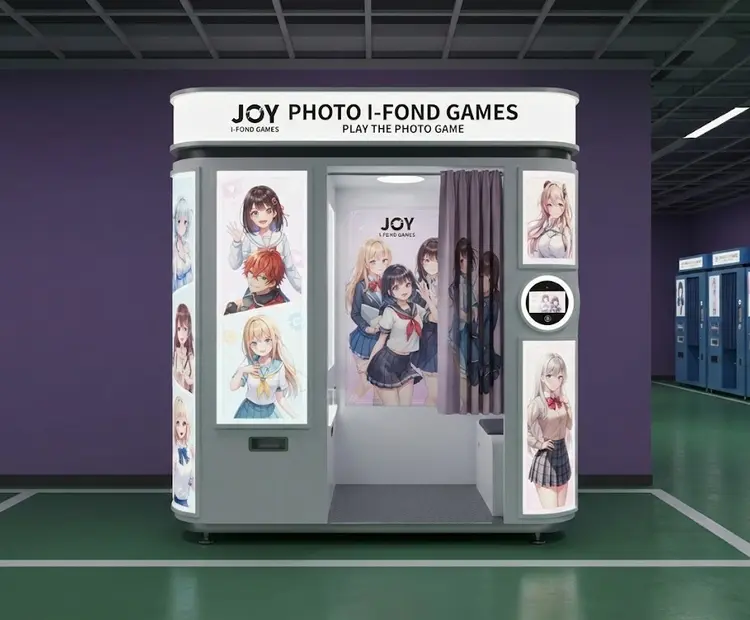
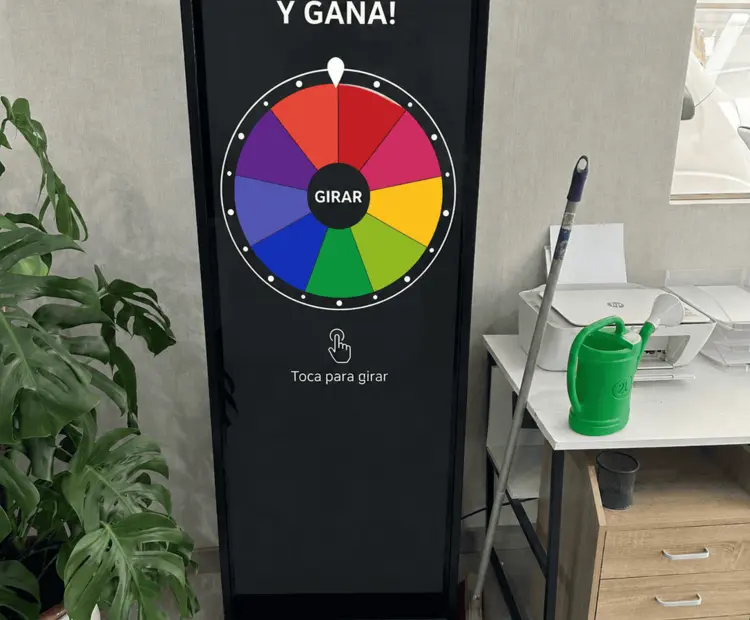
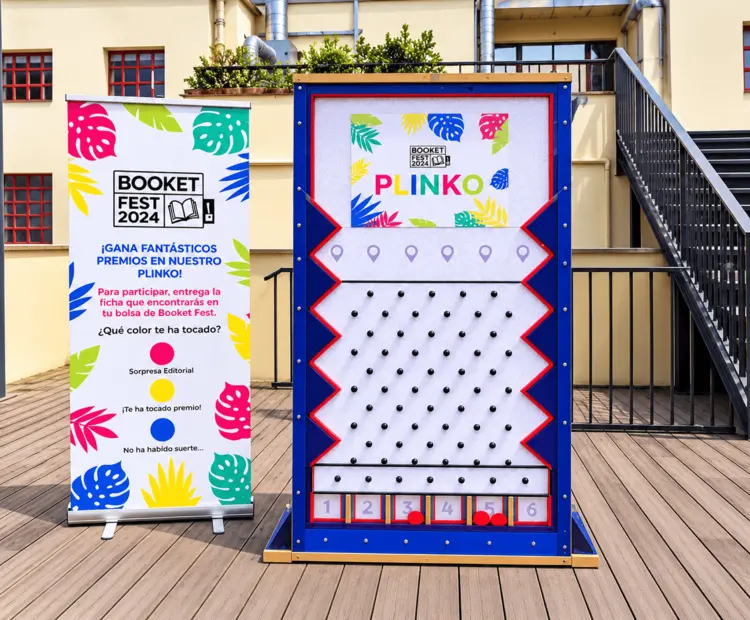
Street actions with games, prize wheels and staff who know how to approach: stopping the pedestrian is half the job.
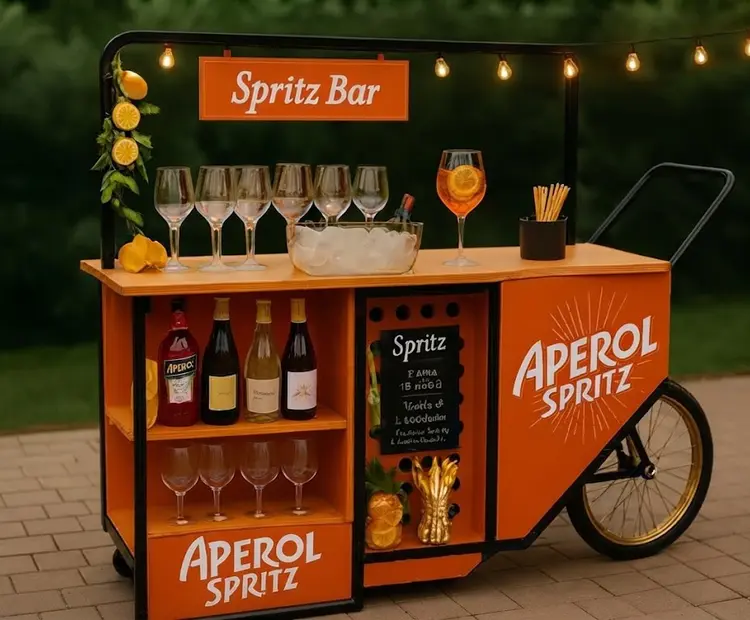
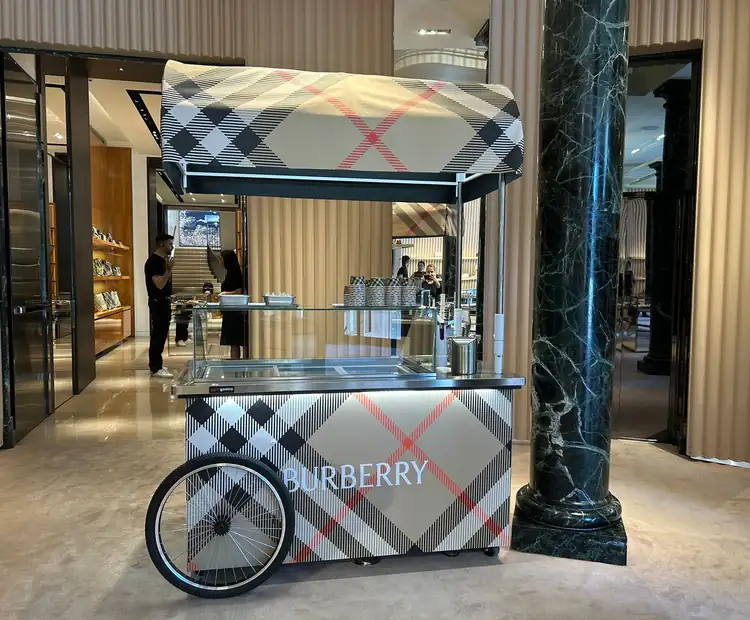
We run street marketing actions with games that stop pedestrians, prize wheels, roaming carts and trained street staff, including municipal permit applications.
The street is the most hostile environment for a brand. Pedestrians are going somewhere, they are in a hurry, and they have learned to dodge anyone handing out flyers. Three seconds is the entire margin available for them to decide whether to stop, and in three seconds there is no time to explain anything: there has to be something visible that explains itself and promises something concrete in return for a minute.
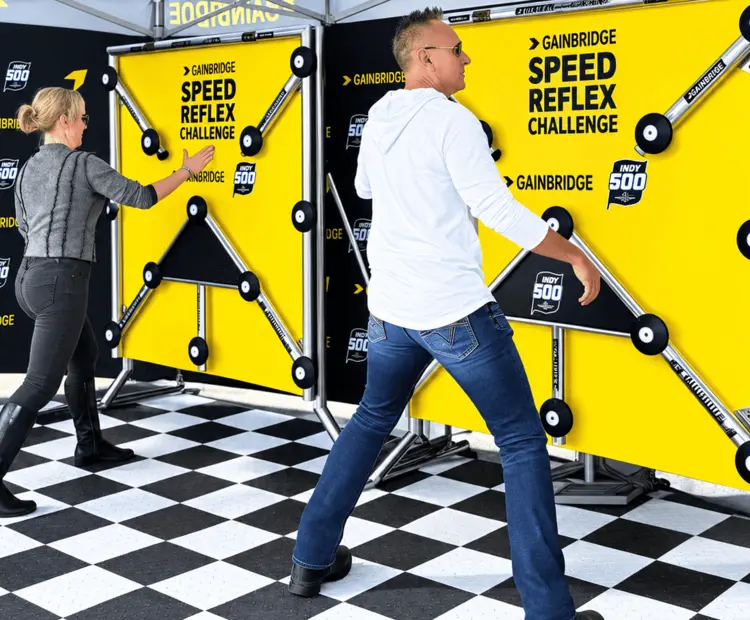
A game does exactly that. A spinning wheel, a reflex challenge with a scoreboard, a target. The pedestrian understands the mechanic from a distance, sees others playing and sees someone walking off with something. The queue, once it forms, becomes the best draw the action has, because people stop where other people have already stopped.
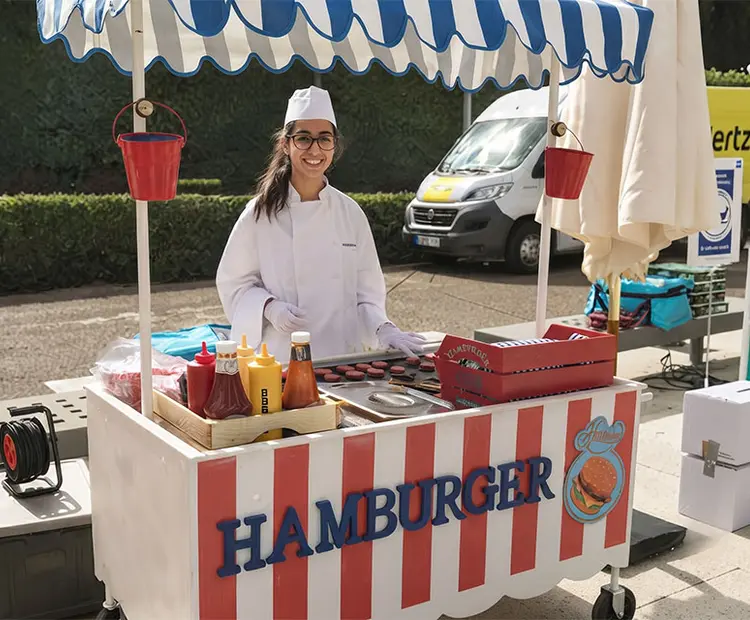
Staff are the other half. A host standing beside a display generates nothing; one who approaches without being invasive, explains the mechanic in ten seconds and manages the queue completely changes the same action's performance. We brief the team on the campaign script before they go out, and on the first day we work with a supervisor on the street refining the pitch.
We handle the administrative side. Occupying public space requires authorisation in most municipalities, with timelines that are not immediate and conditions that vary by area. We tell you what is needed, process it if you ask us to, and propose alternatives when the ideal location cannot be authorised.
We choose elements with movement, light or a visible scoreboard. If a pedestrian has to walk over to understand it, they have already gone past.
Hosts and promoters briefed on the campaign script, who explain the mechanic in ten seconds and manage queues without pressuring anyone.
We process public-space occupation with the relevant council and warn you in good time about timelines, which are usually the slowest part of the process.
Product, audience, cities, dates and what you want: samples distributed, contacts, or awareness.
Where your audience actually walks and which game fits, at a closed price with estimated participations.
Municipal permits, equipment branding and street team briefing.
Delivery in the contracted slots and a participation count by hour at the end of each day.
After many actions there is a fairly clear conclusion: location weighs more than mechanic. A decent prize wheel at a point with heavy target-audience footfall performs three times better than a spectacular activation in a beautiful square that is empty at that hour. So we insist on reviewing the spot beforehand, going to see it during the slot it will be activated in if necessary.
The hour matters too. The same place can have office footfall at nine, shopping footfall at twelve and family footfall on Saturday afternoon, and each of those audiences responds to different mechanics. Matching the slot to the audience you want costs nothing and changes a street action's performance more than anything else.
In most municipalities yes, and it depends on the specific area. Council timelines run from days to several weeks depending on the city. We tell you what is needed and process it if you ask, but start with margin.
With a good location and a fast mechanic, between one hundred and three hundred people over a four-hour day. It depends heavily on the point's real footfall, which is what weighs most on the result.
Yes, in parallel or as a tour. We assign a lead per city, unify the reporting and hand you a single consolidated count rather than loose figures per location.
Much of it is: it runs on battery and needs no mains supply, which is rarely available on public streets. For anything that does need electricity we bring a silent generator or a high-capacity battery.
It is agreed beforehand. The norm is to fix alternative dates within the same week, because in street marketing rain cuts footfall to the point where the action does not perform.