

Action, effect and the urge to repeat
The complete loop is what separates an interactive activation from a screen playing video. If the visitor cannot see the effect of what they did, there is no interaction.



Brand Activations
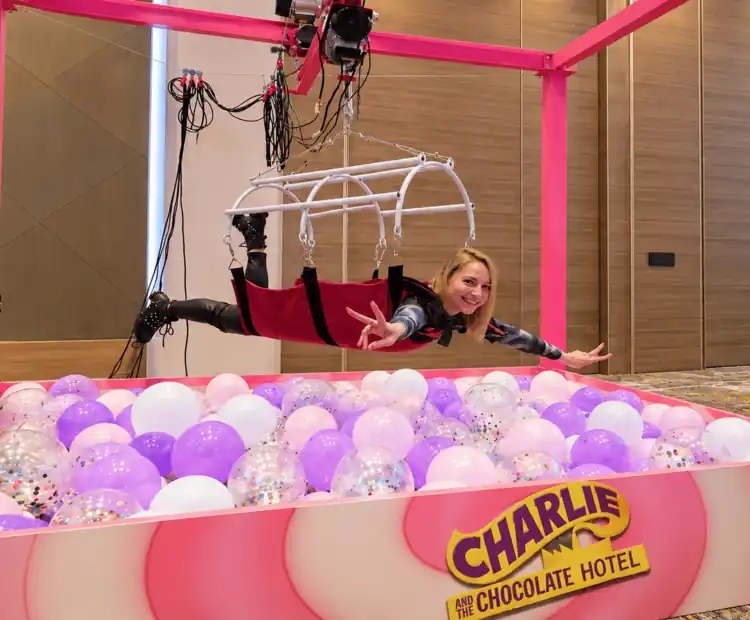
Interactive activations are brand actions in which the public takes an active part through screens, sensors, buttons or games, and their input changes what happens.
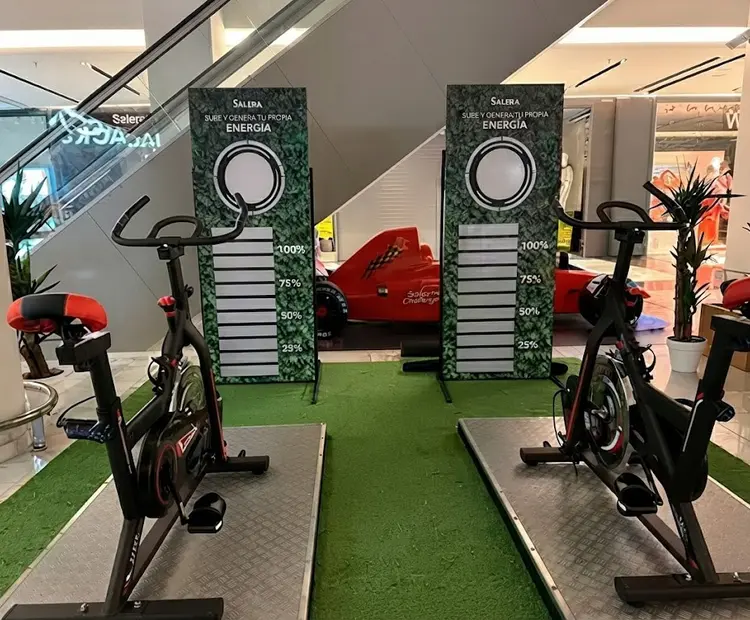
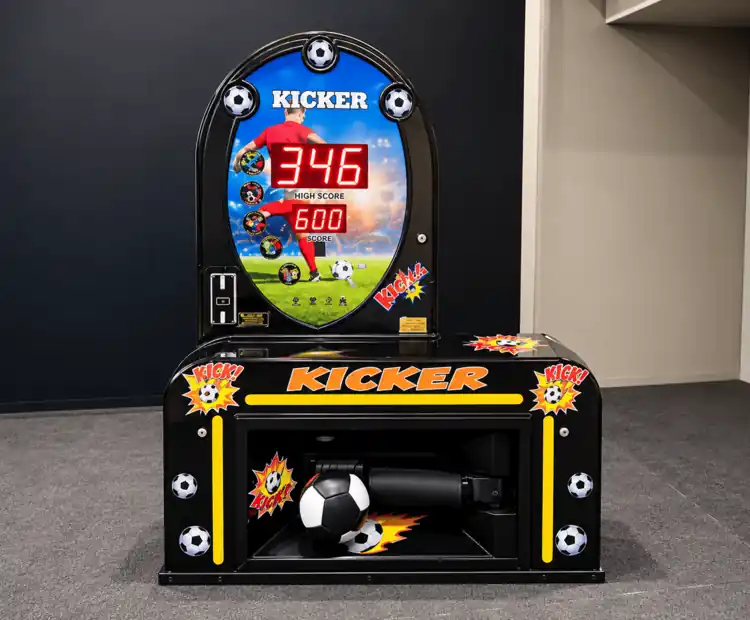
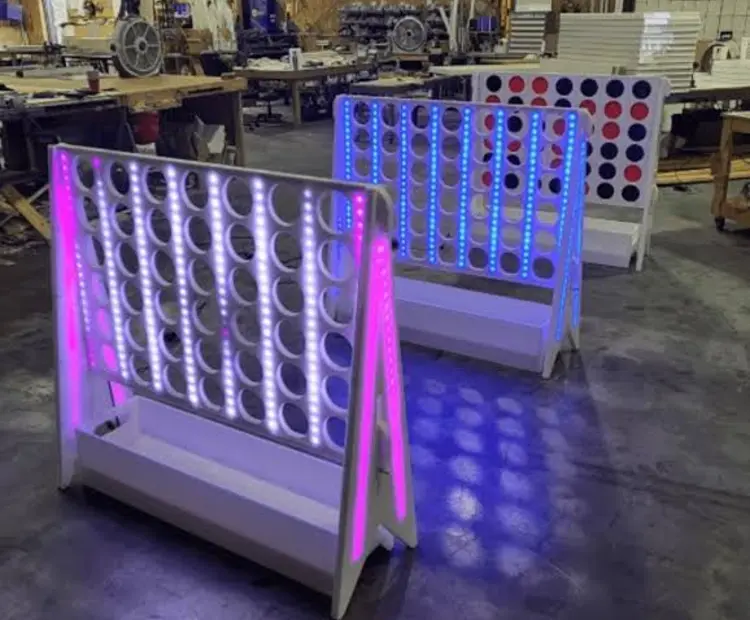
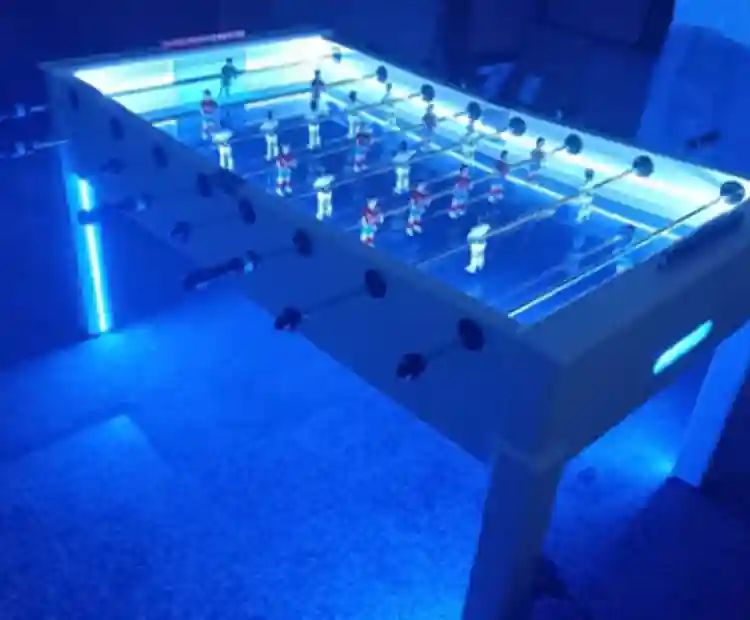
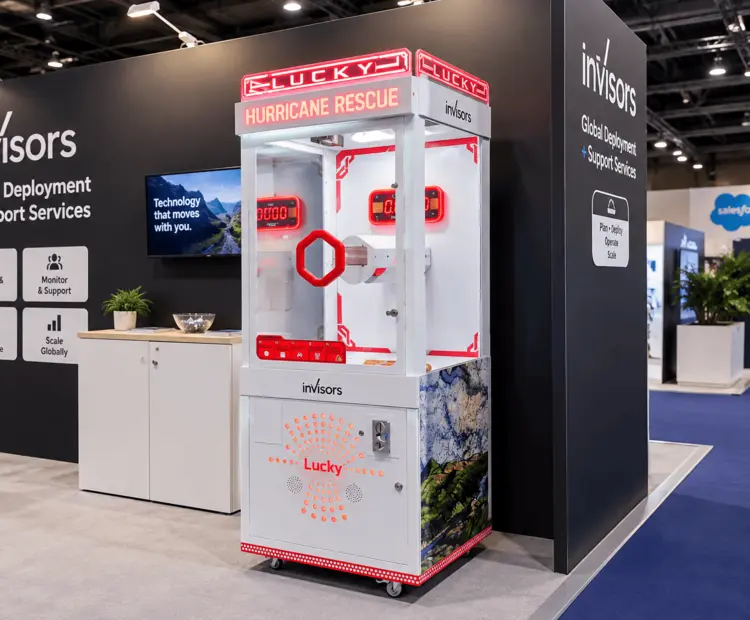
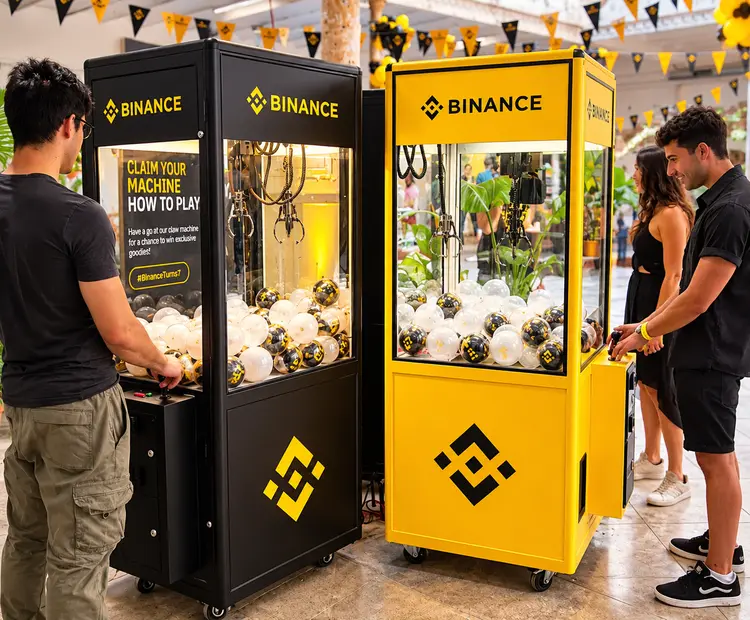
Activations that react to people: scoreboards, sensors, reactive light and mechanics where the audience changes what happens.
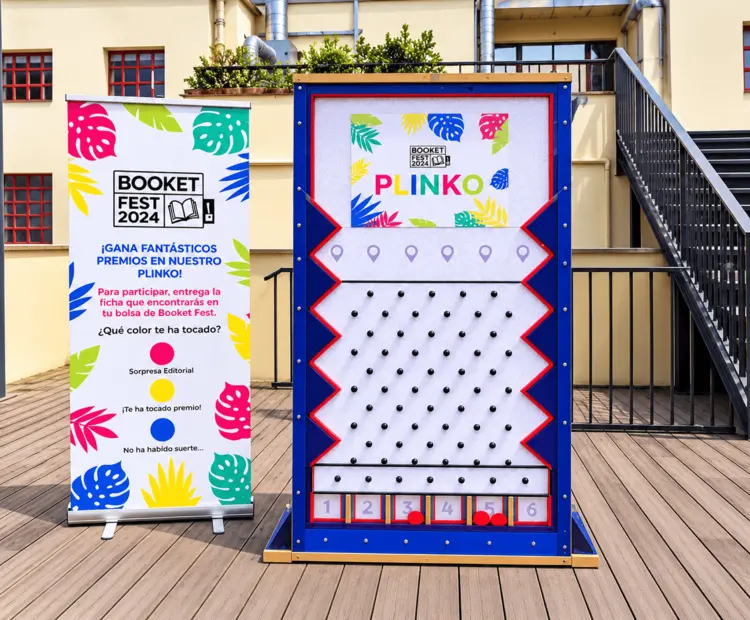
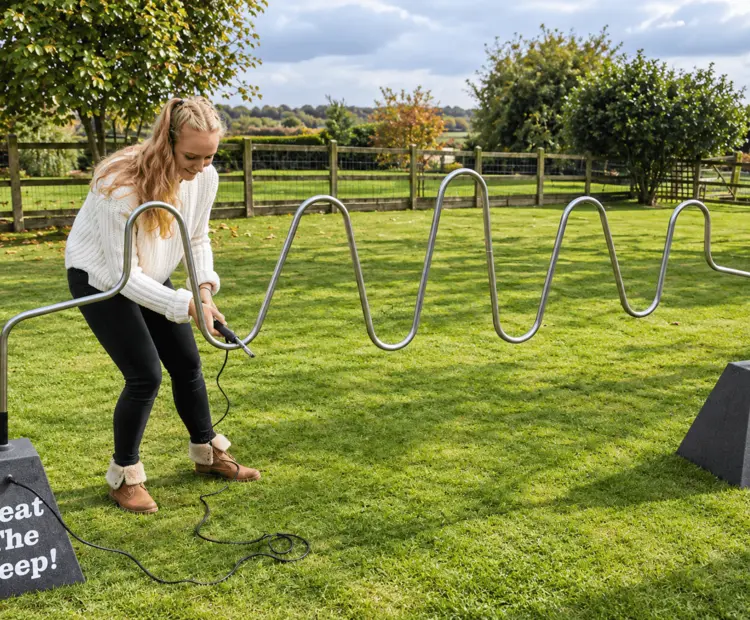
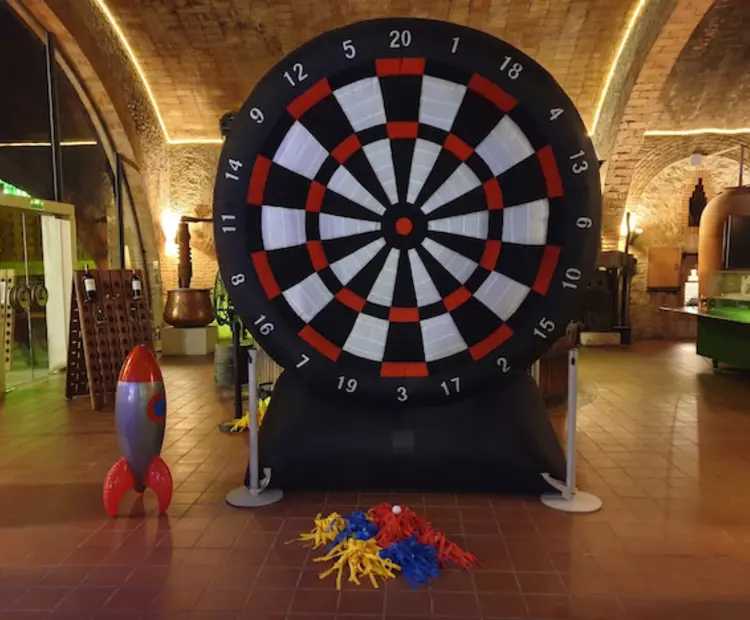
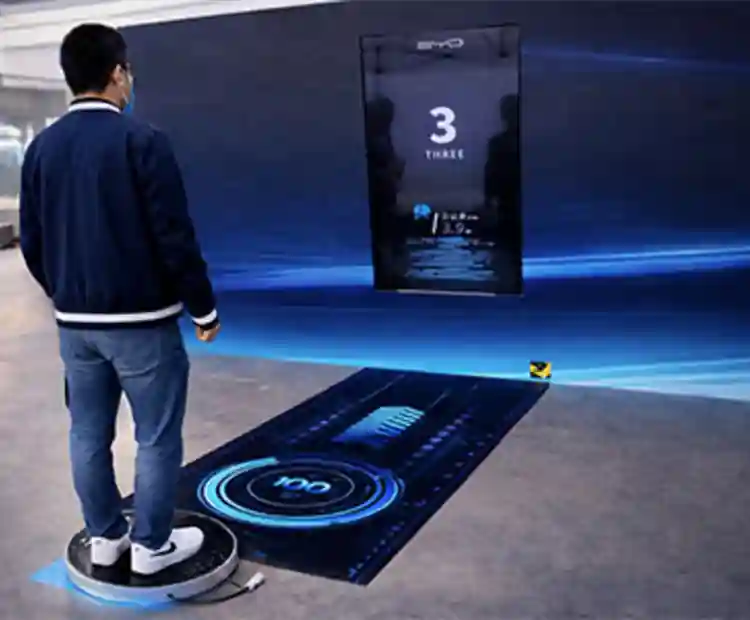
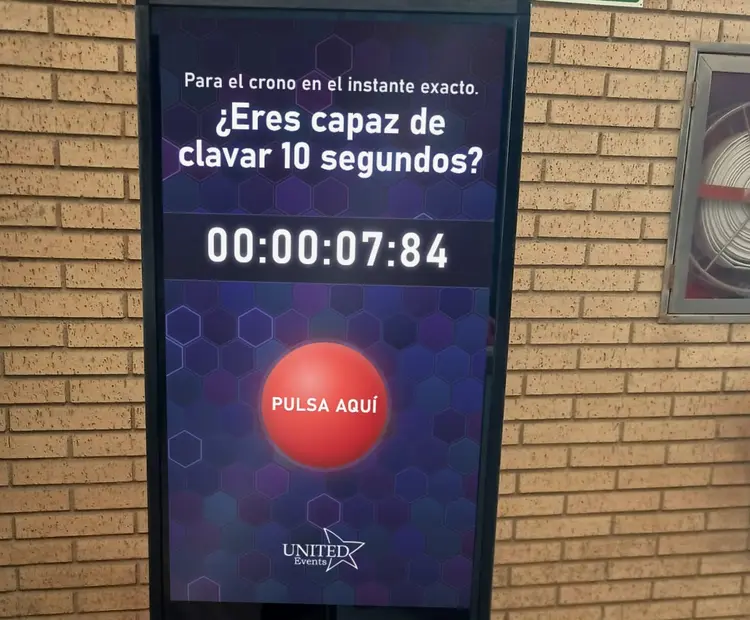
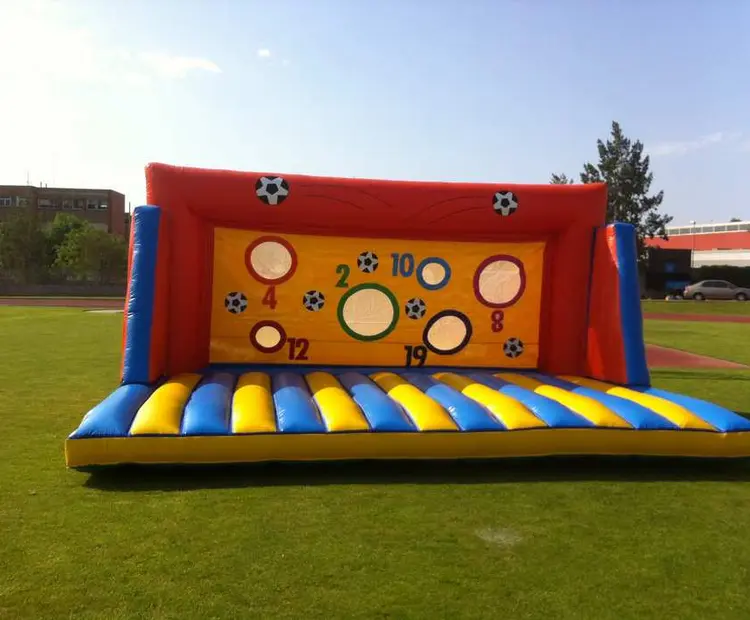
We build interactive activations where the audience's action changes the outcome: sensor games, live scoreboards, installations reacting to movement and mechanics with visible scoring.
The word interactive has worn thin. It gets used for anything with a screen, even when the visitor can only look at it. The useful definition is stricter: an activation is interactive when what a person does changes what happens, and that person sees it immediately. Without that closed loop, action, visible effect, urge to repeat, there is no interaction, only decoration with lighting.
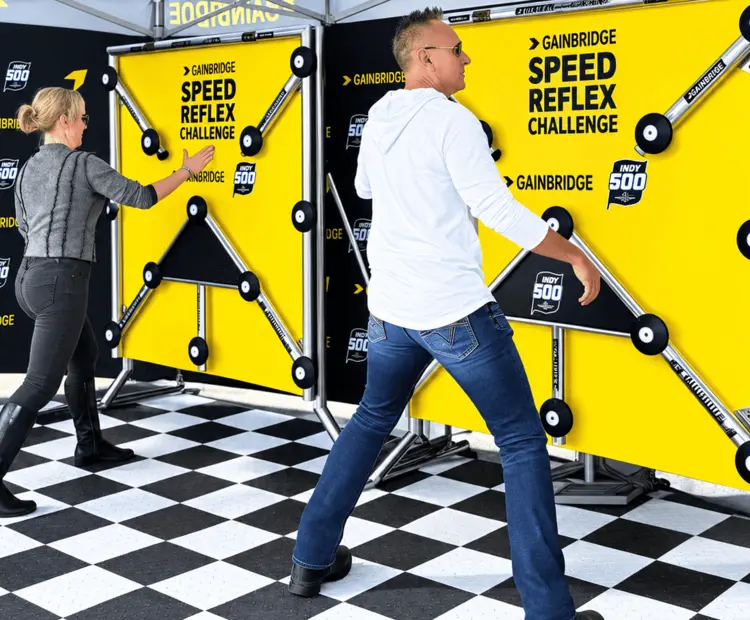
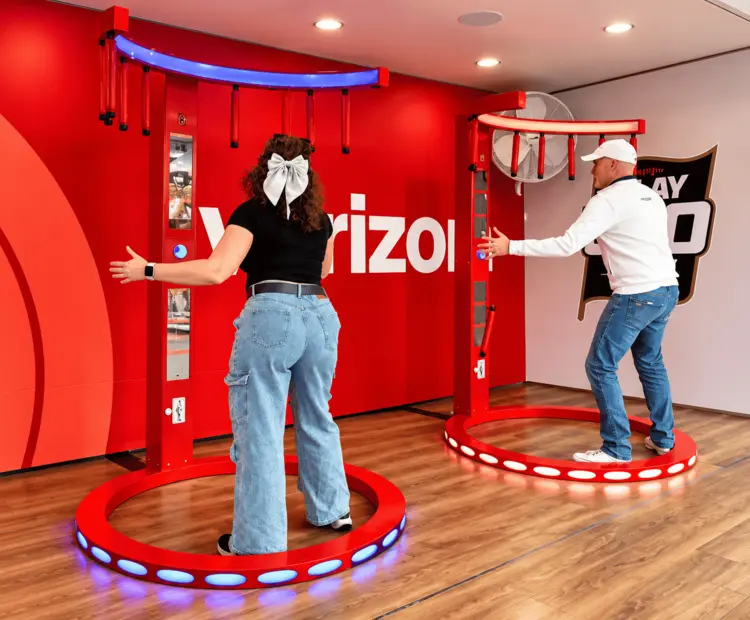
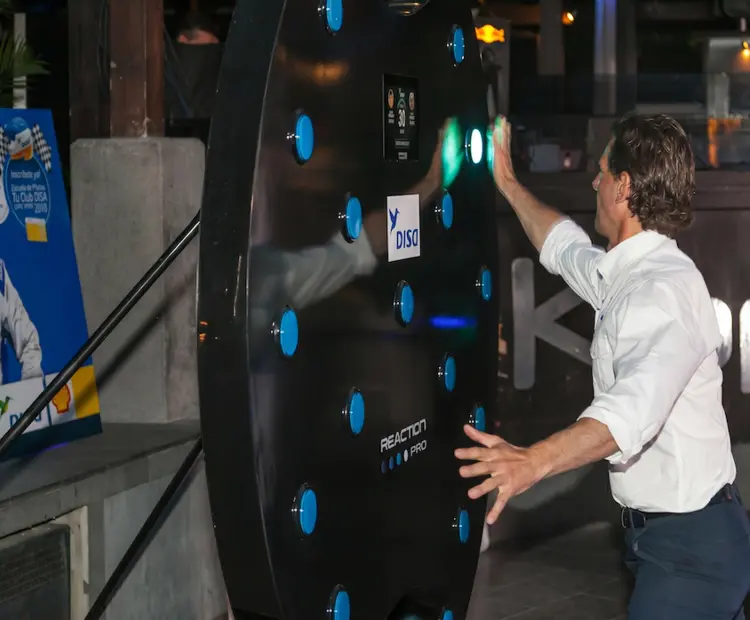
The loop works very well in high-footfall environments because it needs no explanation. Someone hits, runs, presses or moves, and something responds instantly: a number, a light, a sound, a ranking position. The next person passing sees it and wants a go. That chain generates a queue without staff having to recruit people from the aisle.
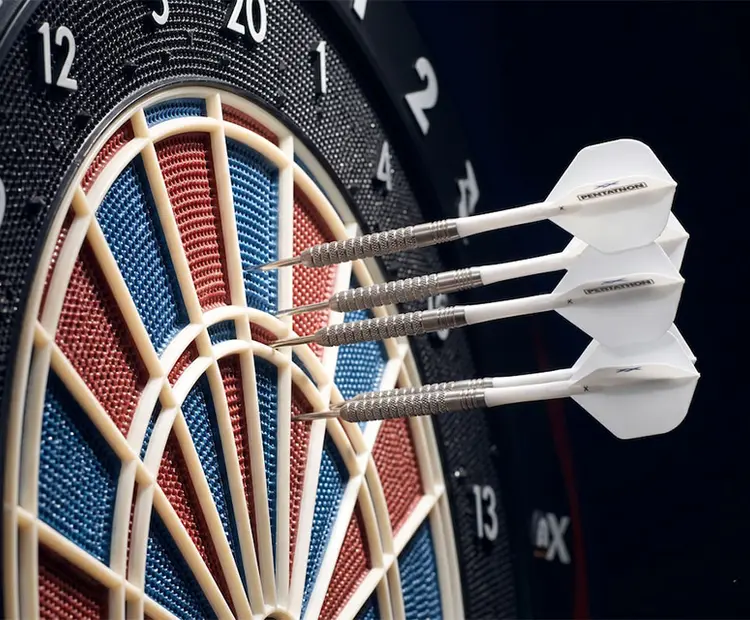
Technically we work with impact, movement and reaction-time sensors, with scoring screens and with reactive lighting systems. All of it can be branded to the campaign and, in most cases, the results can be logged to build daily rankings or to capture contacts from anyone wanting to appear in the classification.
We provide technical support, which in this kind of activation is not optional. A miscalibrated sensor or a screen that crashes mid-morning leaves the activation unusable. We bring a technician on large builds and spare equipment on all of them, because electronics outdoors take a beating and it should be planned for.
The complete loop is what separates an interactive activation from a screen playing video. If the visitor cannot see the effect of what they did, there is no interaction.
Someone plays, something responds, the next person sees it and wants a go. That chain generates a queue without staff recruiting from the aisle.
Sensors and screens fail if unattended. We bring a technician on large builds and spares on all of them, because electronics outdoors take a beating.
What the visitor does, what happens in response and what is displayed to make them want to repeat.
Sensors, screens or reactive light, based on the space, ambient light and the hourly capacity required.
Screen content in your identity and a full test in real conditions before the day.
Delivery with staff and a technician, participation logs and a ranking where the mechanic includes it.
The indicator that best measures whether an interactive activation works is not how many people play but how many play twice. Repeating means the result mattered enough to want to improve it, and that is exactly the signal that the interaction loop is properly closed.
Two things are needed for that: the result has to be a comparable number, and there has to be something to compare it against. A daily scoreboard, a visible record, or simply a colleague's result is enough. Without that reference, people play once out of curiosity and leave; with it, they stay ten minutes and drag two more over.
It depends on the element. Sensors do; screens need high brightness or shade. When the activation is outdoors in direct sun we choose equipment built for those conditions or add a marquee, and we say so when quoting.
Yes. Digital systems log every participation with score and time, which supports daily rankings and lets us hand you the count at the end. Where the mechanic includes capture, the contact too.
Not necessarily. Most of it runs locally and only needs a network if you want results published in real time off-site. Where wifi is unreliable, we bring our own connectivity.
One person per element to manage turns and explain the mechanic in ten seconds, plus a technician on large builds. It is itemised in the quote rather than hidden in the equipment price.
Yes, completely: backgrounds, colours, typography, messages and result screens. It is one of the fastest personalisations to produce, because it does not depend on physical printing.