Assigns roles without explaining them
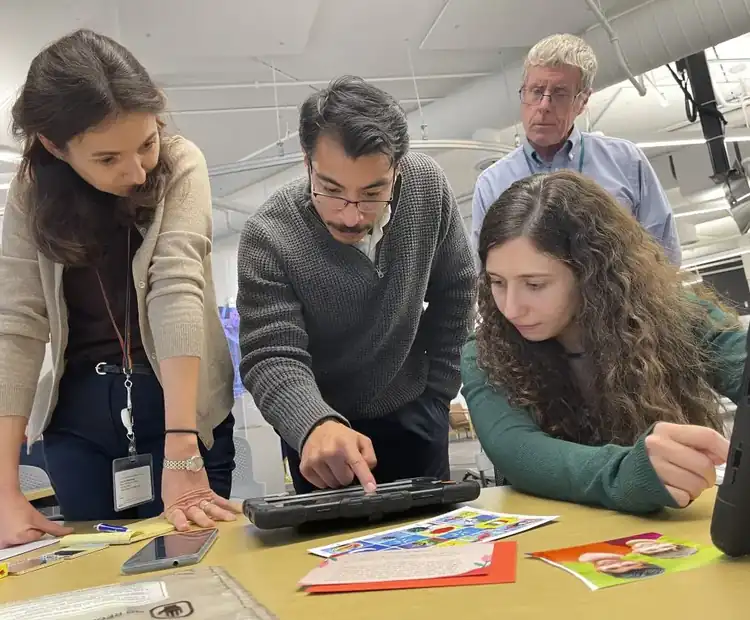
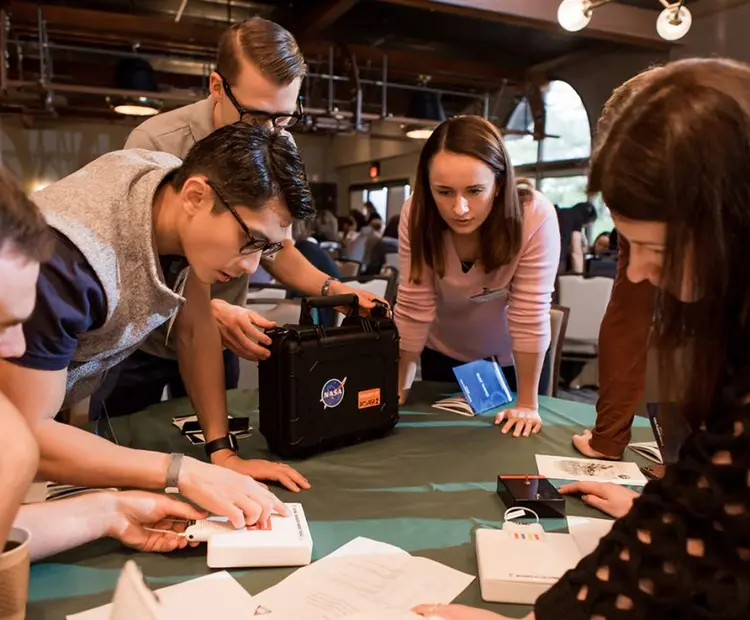
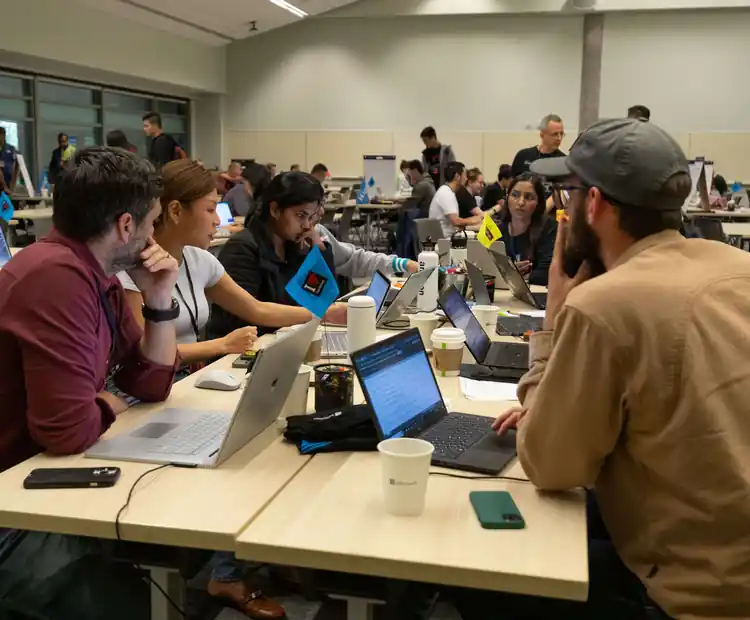
As soon as time gets tight, the group organises itself. Coordinators, executors and information-sorters appear without anyone giving a talk about roles.



Corporate Team Building
Team challenges are tests of logic, wit or skill that a group must solve within a time limit, sharing out tasks and making decisions together.
Escape rooms, against-the-clock challenges and puzzles for teams motivated by solving rather than competing.
We design team challenges: corporate escape rooms, against-the-clock tasks, mysteries to solve and puzzles that force a group to divide the work to finish in time.
A challenge works when the solution is not obvious and time is tight. That combination produces something very specific in a group: it forces the work to be divided without anyone organising it formally. Within ten minutes you see who coordinates, who experiments, who orders the information and who gets flustered, and all of it happens without a facilitator explaining theory about team roles.
The difficulty has to be calibrated. Too easy and it is solved in two minutes and leaves nothing; impossible and it frustrates the group and disengages half of them. Our criterion is that a well-designed challenge is solved in eighty per cent of attempts, but right at the edge of the time limit. That margin is what produces the tension and the final celebration.
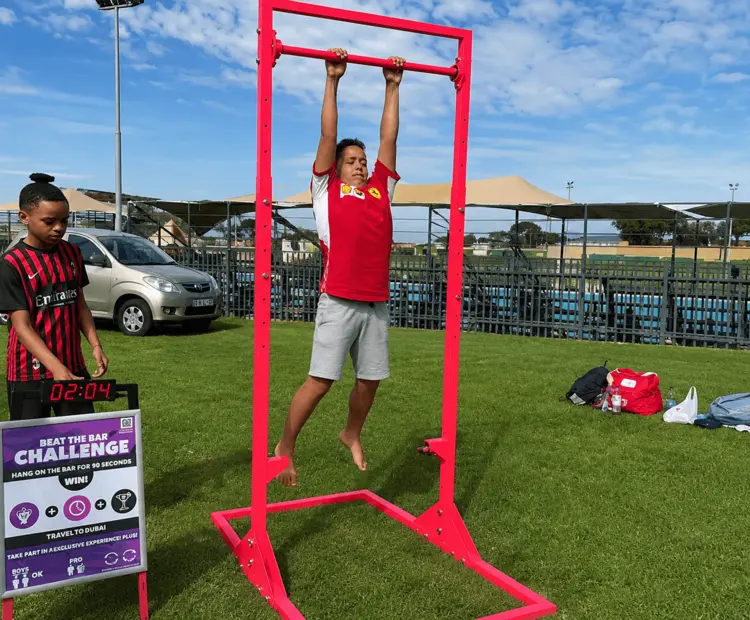
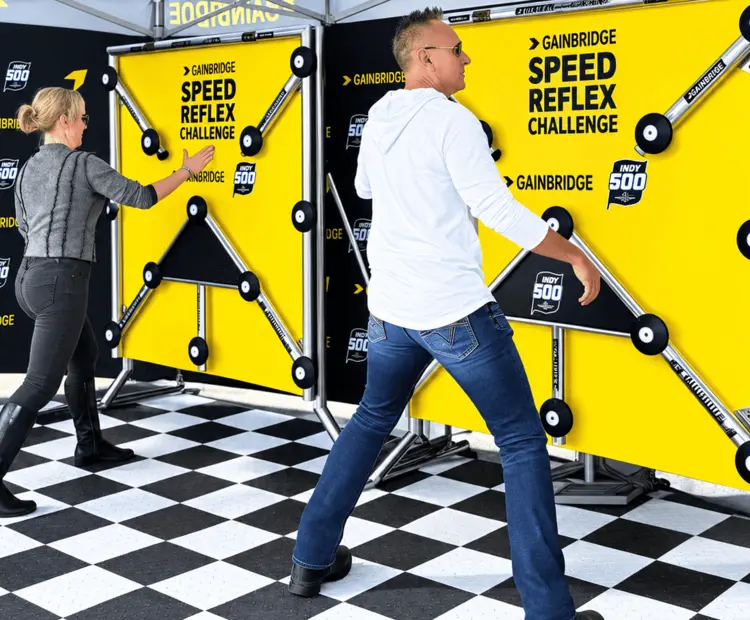
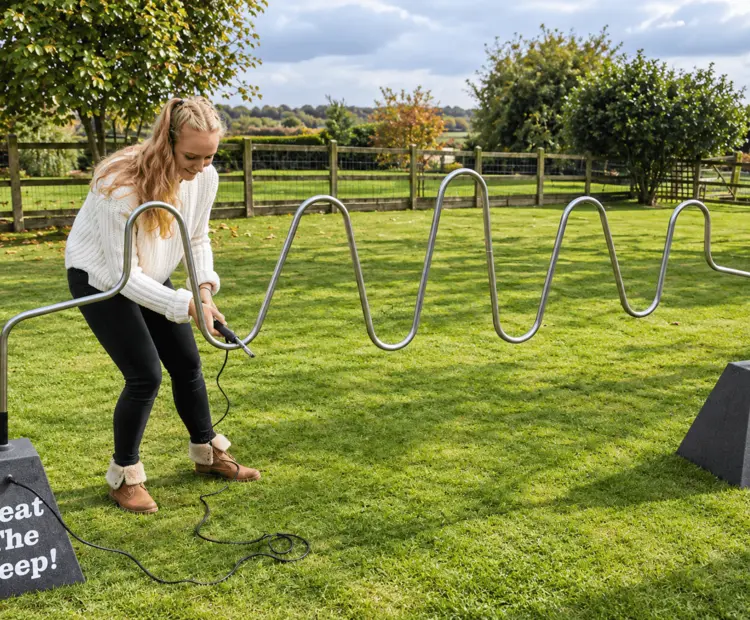
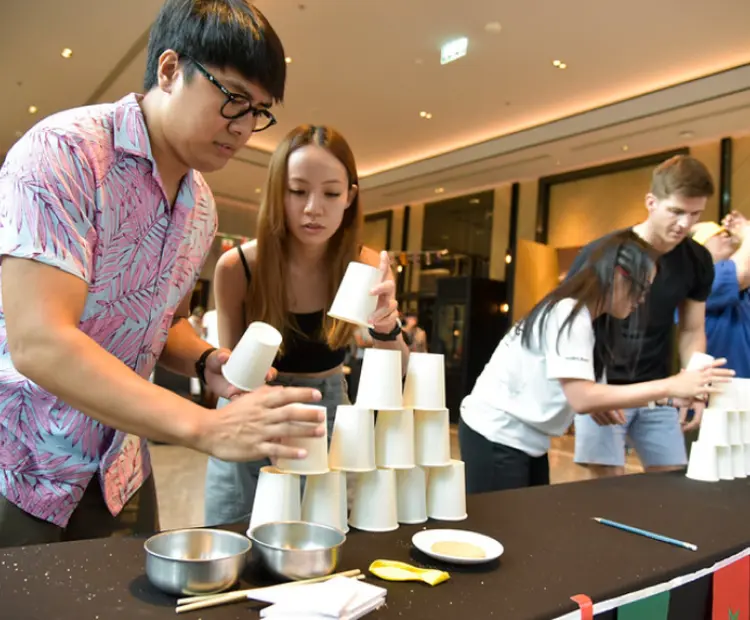
We work in several formats. The in-room corporate escape room, which allows several groups competing simultaneously in identical rooms. The narrative mystery, where the challenge is spread across zones and pieces have to be gathered. Quick challenges in minute-to-win-it style, which run as a circuit of many short tasks. And physical ingenuity challenges, combining heads and hands.
We provide all the equipment, the facilitators who control timings and clues, and the final debrief. That last part matters more than it seems: two minutes discussing how each team organised itself and what blocked them turns an enjoyable activity into something people remember with meaning.
As soon as time gets tight, the group organises itself. Coordinators, executors and information-sorters appear without anyone giving a talk about roles.
We design for an eighty per cent solve rate, right at the end of the clock. That margin is what produces the tension and the celebration.
Two minutes discussing how each team organised itself gives the activity meaning. It is the part that turns a fun hour into something remembered with content.
Escape room, zoned mystery, quick-challenge circuit or physical challenge, based on group and time.
We adjust clues and timings to the group's profile so the challenge is demanding but solvable.
Equipment, set dressing and timers, with identical rooms where several teams compete.
Facilitators controlling times and clues, and a final debrief with results by team.
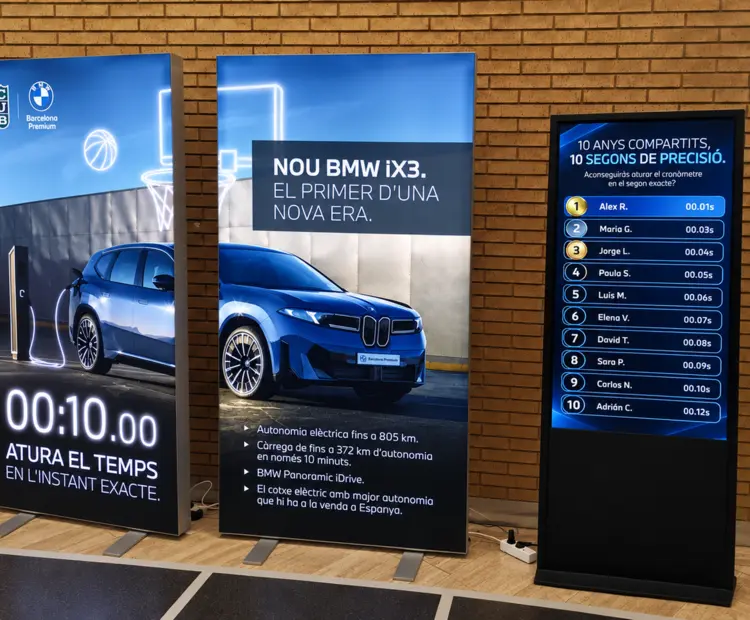
The element that changes a group's behaviour most in this kind of activity is not the challenge content: it is the visible clock. The same task without a time limit is solved calmly and without tension; with a timer projected on the wall, the group accelerates, organises and everything interesting to observe appears.
So we always display the time, even when the challenge itself is simple. And we set the margin carefully: too generous and nothing happens, too tight and the group gets frustrated. That adjustment is where experience shows in the design, and it is what makes an activity remembered as exciting rather than merely entertaining.
In escape room format we build up to six identical simultaneous rooms, with six teams of six to eight. For larger groups we run it in turns or combine it with another challenge while they wait.
No. Well-designed challenges reward organisation over individual brilliance. In fact the winning teams are almost never the ones with the sharpest individual, but the ones who divide the work best.
Yes, and it works well in narrative mysteries: internal references, products or company milestones built into the clues. We need some production lead time to adapt the materials.
It is accounted for. Clues are staged and the facilitator releases them based on remaining time, so almost every team finishes. Being left unsolved frustrates people and adds nothing.
An in-room escape needs about thirty square metres per team. Quick-challenge circuits and zoned mysteries adapt to whatever space you have by distributing the tasks.