










Activity in the troughs
We schedule in the quiet hours, not the peaks. That is when the stand is empty and when a micro-activity genuinely changes the day's curve.



Trade Fairs, Congresses & Conferences
Stand activation is the combination of activities and staff that keeps a stand busy throughout the fair, drawing in visitors and making it easier to start conversations.
Stand activation: staff, activity and rhythm so the stand does not depend on people wandering in by themselves.
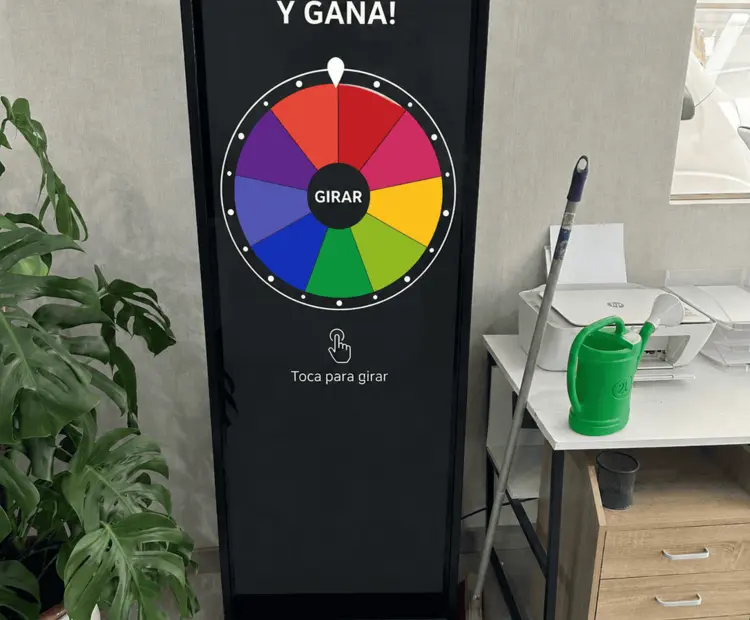
We activate fair stands with capture staff, activities scheduled by time slot, hourly draws and an agenda that keeps movement going all day instead of concentrating it in two bursts.
A fair stand has a fairly predictable footfall pattern: it rises at opening, dips mid-morning, recovers before lunch, collapses in the early afternoon and picks up slightly at the end. With nothing scheduled, the stand simply lives those curves and loses half the day. Activation means putting activity into the troughs, not into the peaks, when the stand already works.
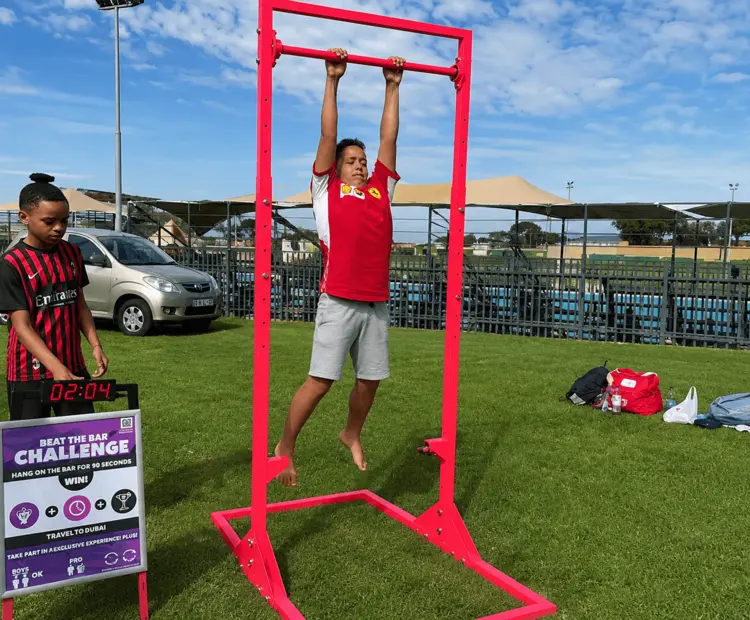
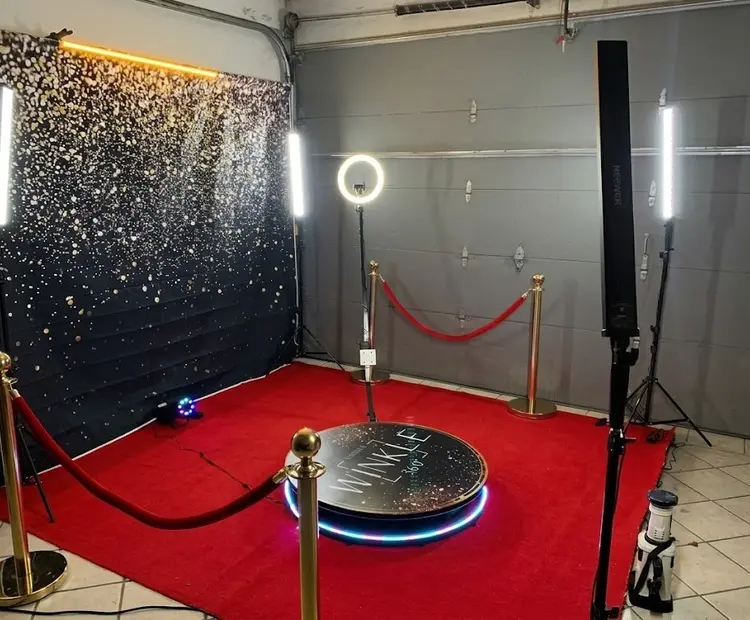
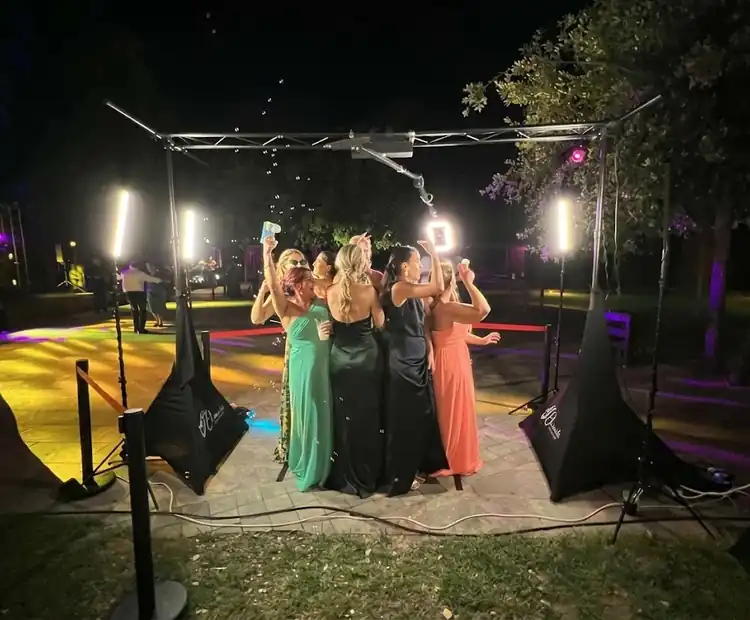
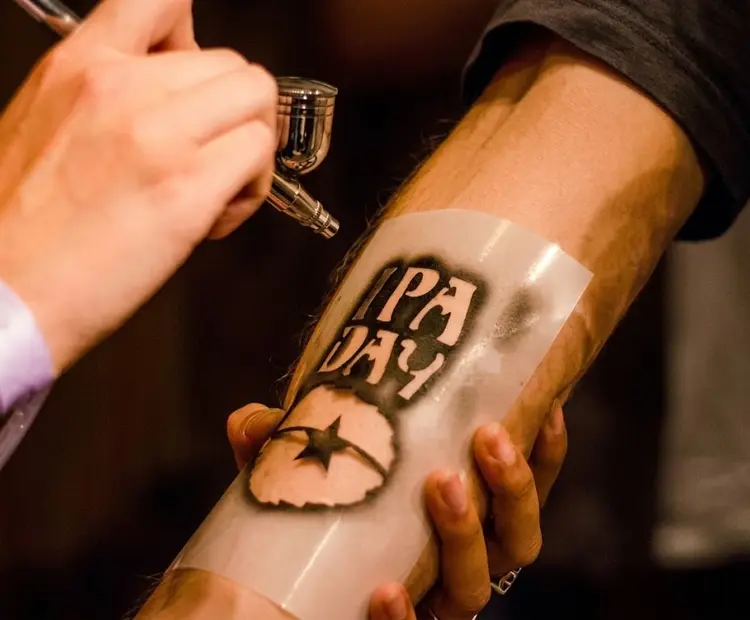
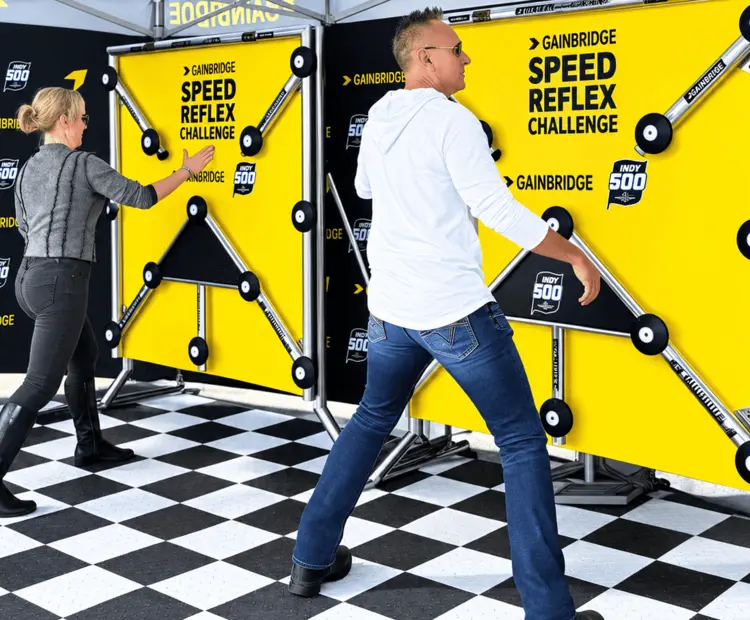
What fills those gaps best is micro-activities with an announced time: a draw on the hour, a demonstration at twelve and at five, a tasting mid-morning. The sign announcing the next thing about to happen matters as much as the activity itself, because it gives visitors a reason to come back later rather than walk on and forget.
Capture staff are the other piece. Their job is not handing out leaflets: it is approaching people in the aisle, asking a filter question and bringing suitable visitors into the stand. Properly briefed, a team of two can double a medium stand's footfall, especially at large fairs where competition for attention is fierce.
We provide staff, activity and the agenda, working alongside your sales team. The rule we follow is simple: we attract and filter, you sell. When that separation is clear, the stand works; when salespeople also have to recruit, time is lost in conversations that go nowhere.
We schedule in the quiet hours, not the peaks. That is when the stand is empty and when a micro-activity genuinely changes the day's curve.
A sign with the next thing about to happen gives visitors a reason to return. Without it, whoever passes at eleven does not come back at twelve.
Our staff approach and filter; your salesperson closes. Without that separation, time is lost in conversations that lead nowhere.
Opening hours, expected footfall by slot and which visitor profile you want to capture.
What happens each hour, who runs it and how it is announced inside and outside the stand.
A commercial briefing with your team so the filter question is the right one.
Delivery of the agenda each day, with counts of captured visitors and contacts by slot.
A three-day fair offers an advantage a one-day event does not: you can correct as you go. By the end of the first day we already know which slots worked, which activity drew people and which sat empty, and the next day's agenda can be reorganised at no extra cost.
So we send the count every evening, not only at the end. Moving a draw by an hour, changing the capture point or replacing an activity that did not land are small adjustments that, applied on day two, usually raise the performance of the two remaining days considerably.
For a medium stand, two capture staff plus one on activity. With fewer, the aisle and the stand are not both covered; with more, staff start standing idle. We size it to the square metres and expected footfall.
No, they filter and refer. They ask a question to see whether the visitor fits and take them to your salesperson. Selling requires deep product knowledge and is your team's job, not ours.
Yes, with our own signage and the aisle staff. Some venues also allow announcements or shared screens; we tell you what is permitted at each fair.
Visitors captured in the aisle, participations in each activity and contacts handed to your team, all by time slot. It is what lets the second and third day's agenda be adjusted.
Yes, and sometimes it is the best value. Concentrating staff in the quiet slots and leaving the peaks to your sales team cuts cost without losing footfall.