

Instant prize, not deferred draw
Winning something immediately produces far more participation than a draw a month away. The cost spreads across small prizes rather than concentrating in one large one.



Brand Activations
A promotional activation is an action at the point of sale or at an event that offers prizes, gifts or discounts to the public to boost sales or make a product known.
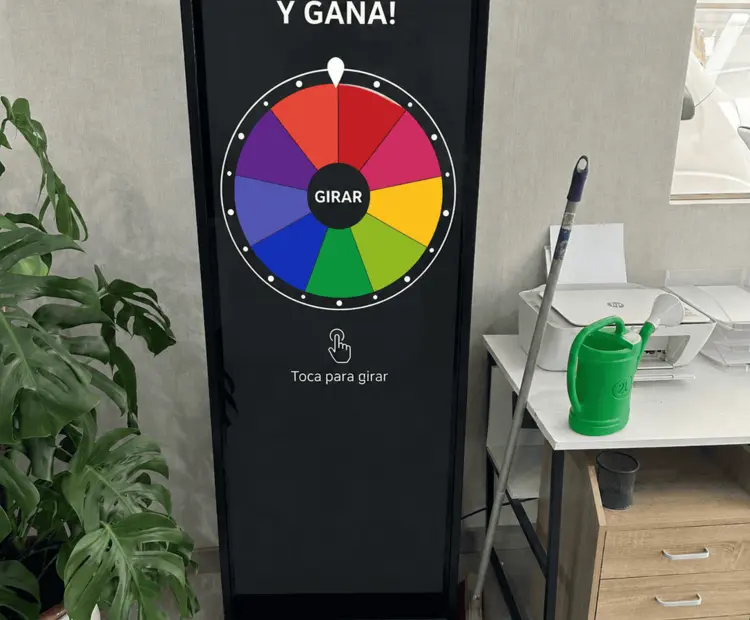
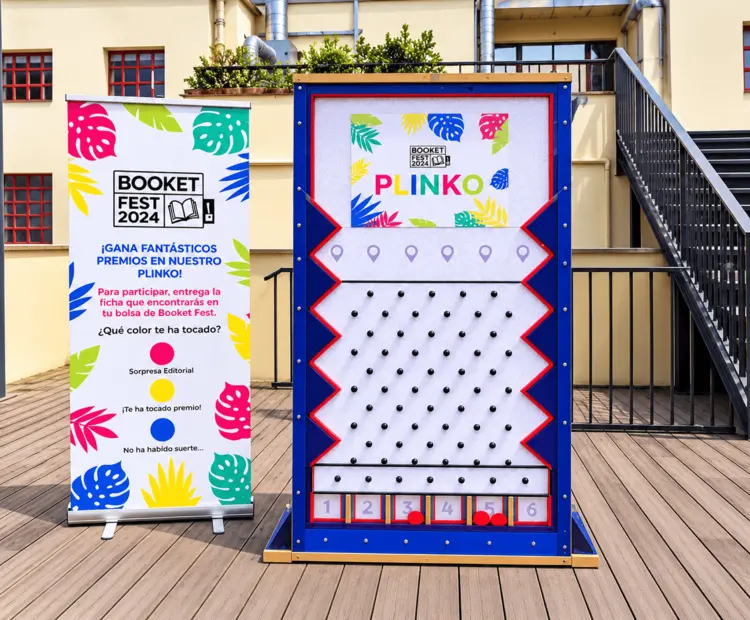
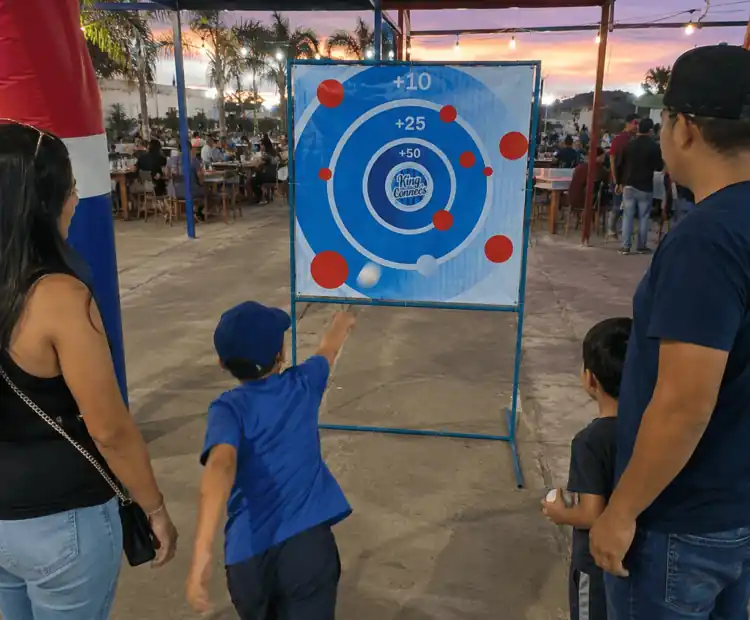
Prize wheels, draws and instant-win mechanics that turn a promotion into a queue of people waiting their turn.
We run promotional activations with instant prizes: branded wheels, prize machines, draw drums and fast participation mechanics, with staff and prize-control protocols.
There are two ways to set up a promotion and one works considerably better. The first is the deferred draw: enter now and maybe you will win in a month. The second is the instant prize: play, win something small and take it away. The first generates less participation because the prize is abstract; the second generates a queue, because the reward is visible and happens right then.
So we almost always work with instant-win mechanics, even where the prize is modest. A wheel where every segment wins something, from a product to a discount, produces far more participation than a draw with one large prize. And the cost need not be higher: it is spread across many small prizes instead of concentrated in one.
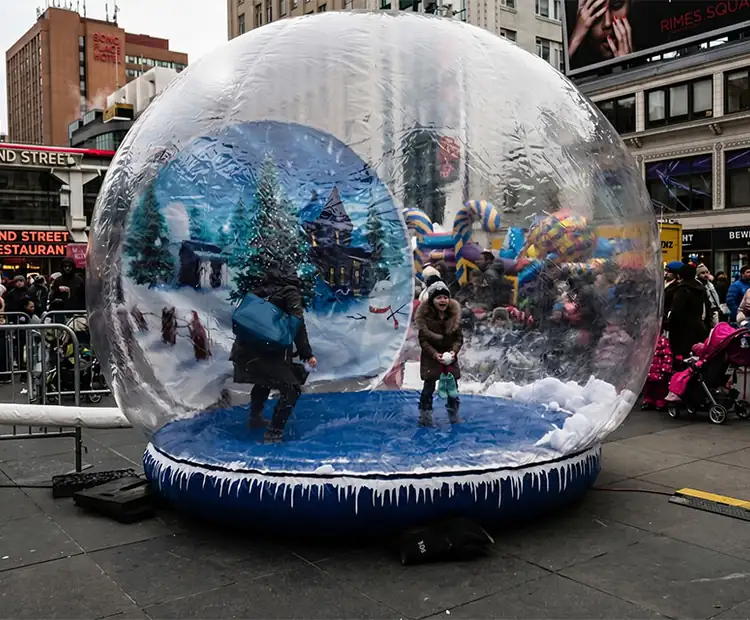
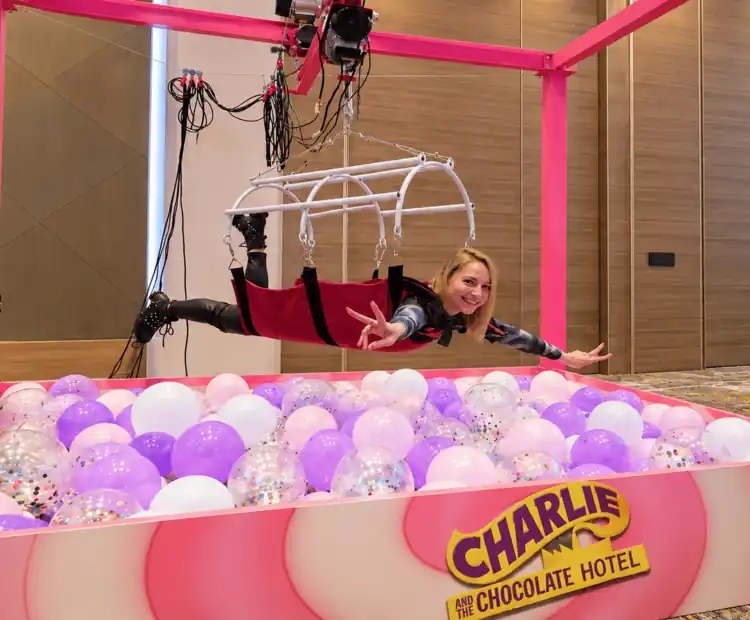
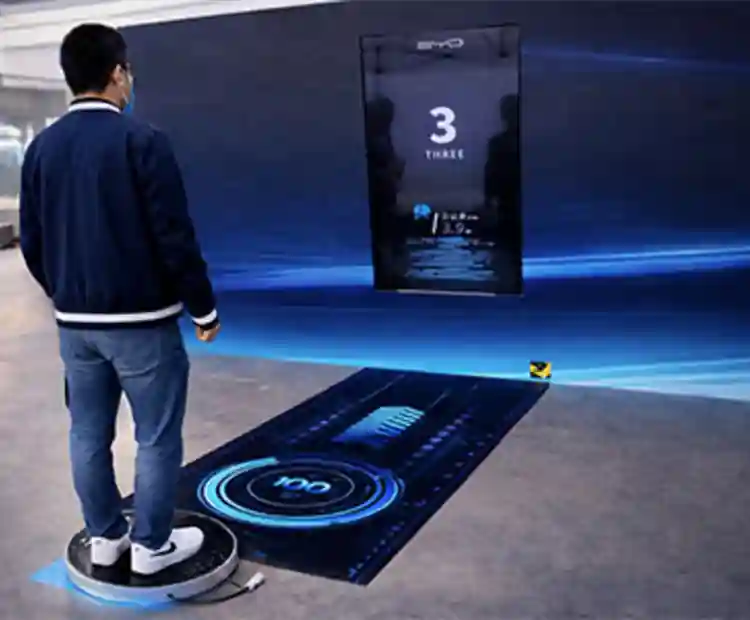
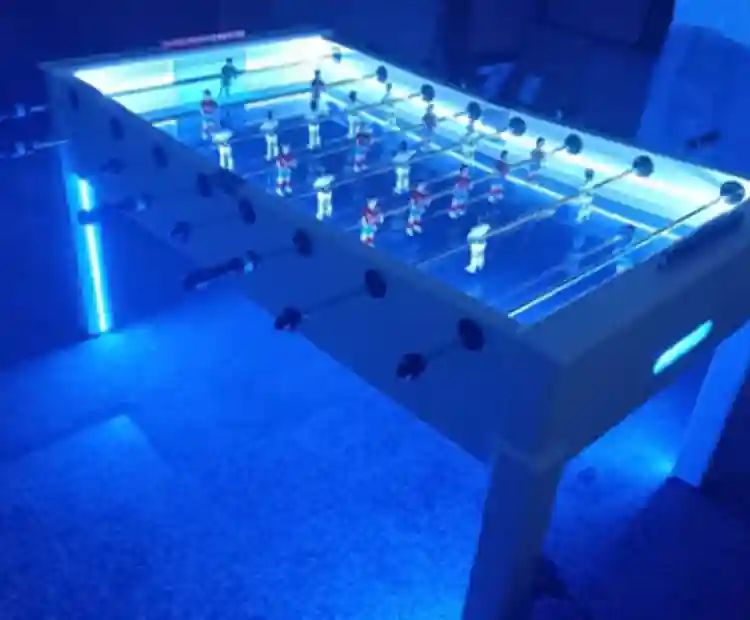
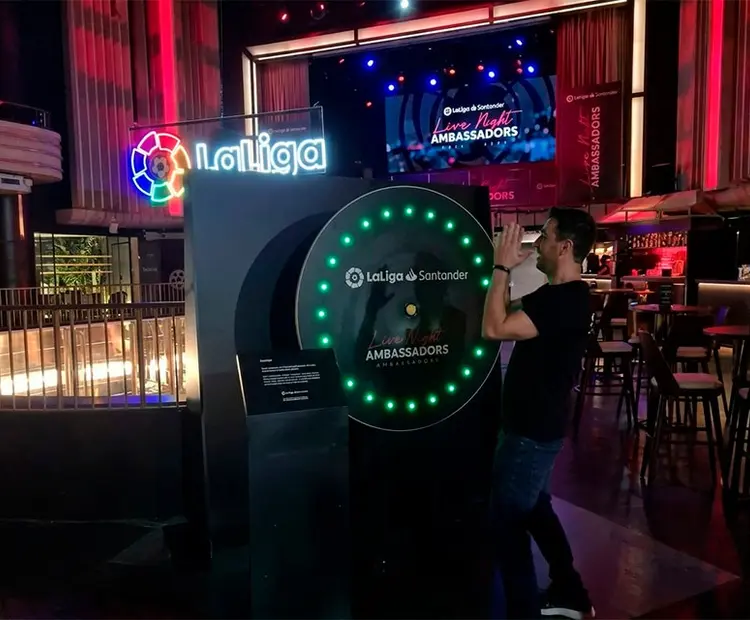
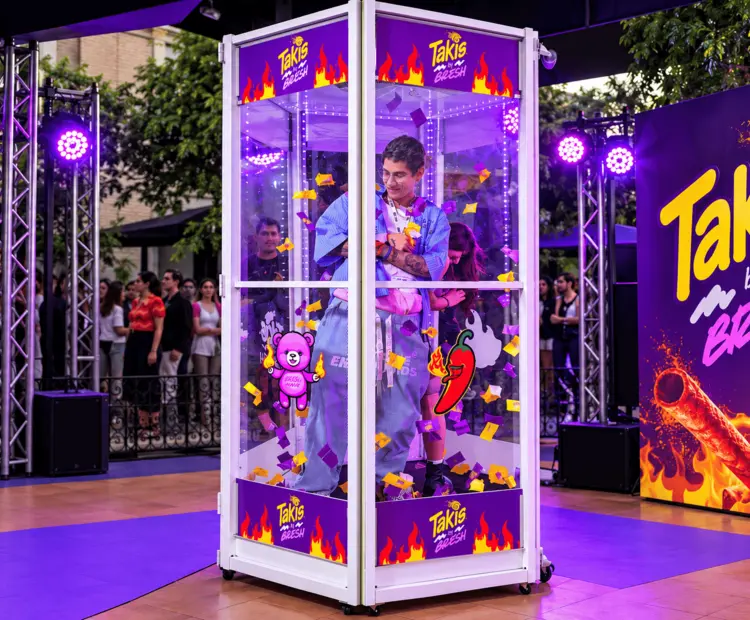
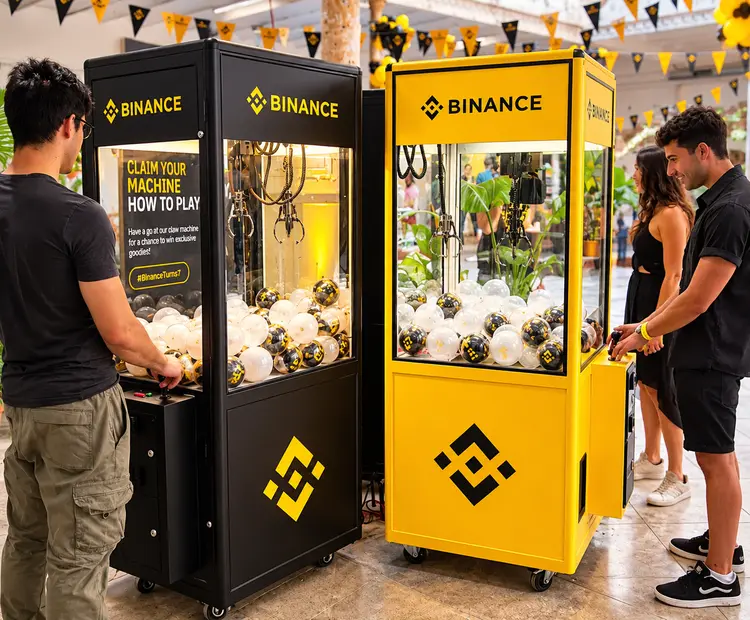
The choice of element depends on brand tone and space. A classic wheel works in almost any context and is the most recognisable option. A prize machine or a human claw add spectacle and draw onlookers. A draw drum feels more institutional and fits events with a public presentation. All of them are branded with the campaign identity.
We provide prize control, the part most often neglected. Who has taken part, how many of each prize remain, how handovers are recorded and what happens when the good prize runs out mid-morning. We define it beforehand so staff have clear instructions and do not improvise in front of the public.
Winning something immediately produces far more participation than a draw a month away. The cost spreads across small prizes rather than concentrating in one large one.
Wheel segments, vinyls, screens and prizes produced in your identity. We need the artwork a few days ahead to print without rushing.
Participation records, prize stock control and a clear protocol for when the main prize runs out. Staff do not improvise in front of the public.
What people do to take part, what they win and with what probability, sized to the available prize stock.
Wheel, prize machine, drum or digital game, depending on the space and the campaign's tone.
Branding, a test run and build at the agreed point with staff already briefed.
Delivery with handover control and a final count of participations and prizes given out.
A common error is calculating prizes against expected attendance rather than actual participations. Not everyone who passes takes part, but plenty repeat if the mechanic allows it. Our reference is to calculate from participations per hour multiplied by activation hours, with a twenty per cent margin.
It is also worth deciding what happens if things go better than expected. Having a plan for mid-morning, limiting to one entry per person, restocking, or closing and announcing an afternoon slot, avoids the awkward scene of a long queue and staff with nothing to hand out, which is the worst way to end an activation that was going well.
Usually the brand does, because they tend to be own product or campaign vouchers. We can help with generic prizes if needed, but it works better when the prize relates to whatever is being promoted.
It is planned beforehand. The norm is a limited main prize and an abundant consolation prize, so nobody leaves empty-handed. The activation can also close when stock runs out, if that is clearly announced.
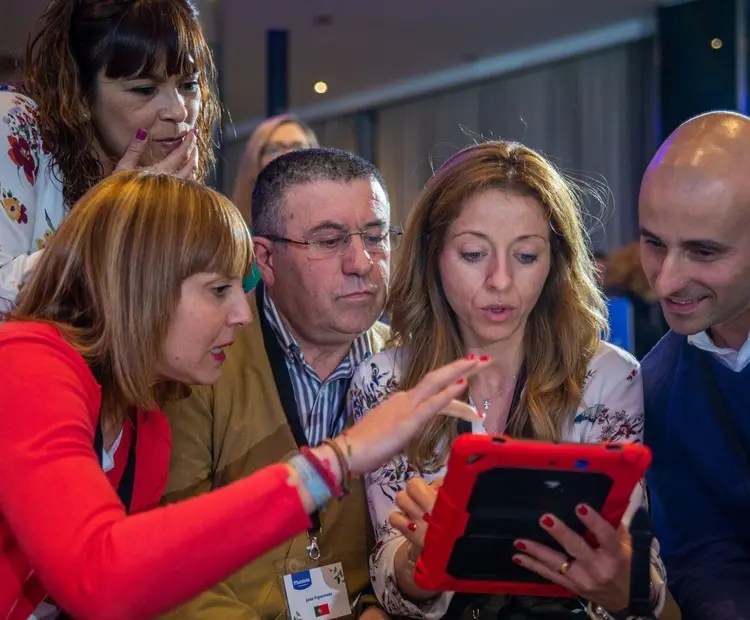
Yes, and it is standard when the goal is capturing contacts. It is collected on a tablet or digital form with the corresponding consent information, and we hand over the records at the end.
No. A wheel takes little more than two square metres including participant space. It is one of the formats that fits best on small stands and in narrow walkways.
Yes, and it usually prices better. On multi-day campaigns we keep the same equipment built and rotate staff, with daily participation reporting so you can see which slots perform.