



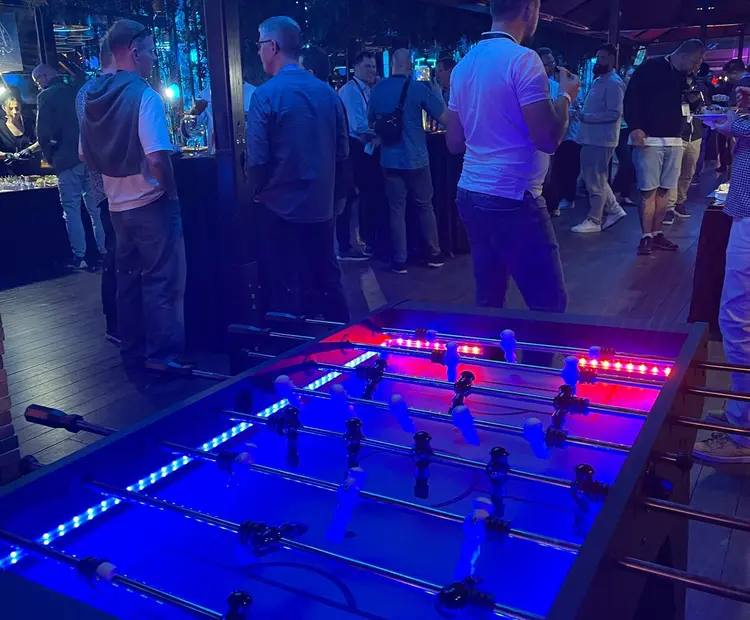
It has an arc, not just games
A classification, rivalries and a final with an audience. Same equipment investment as a loose game and a completely different result.


Sports Events
A tournament is a competition between several players or teams who face each other in knockout rounds or a league format until a winner is decided.
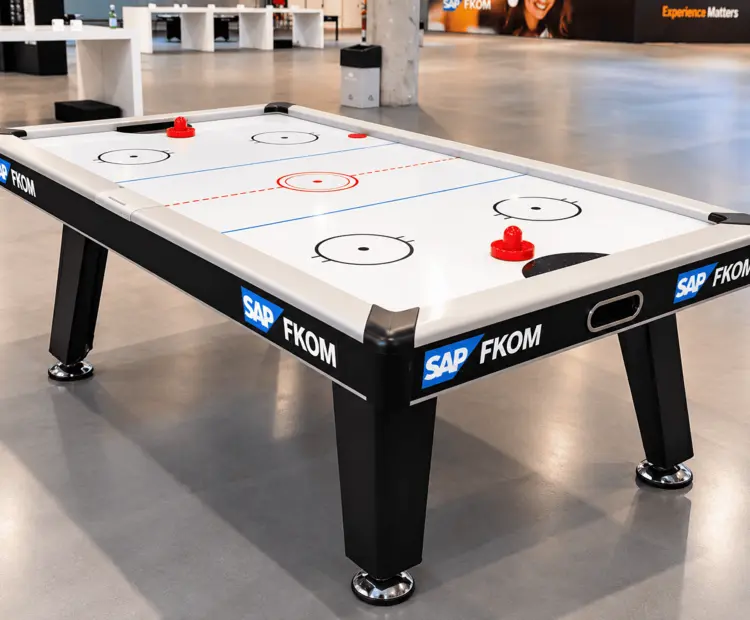
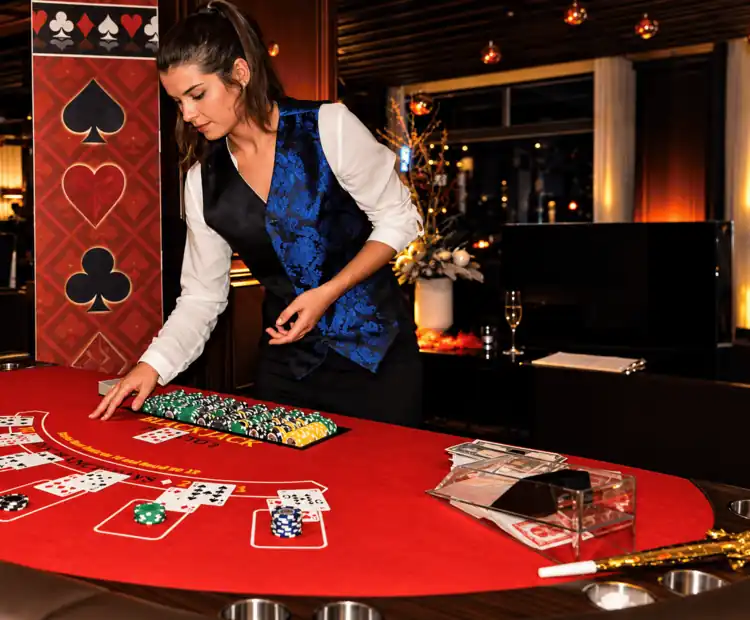
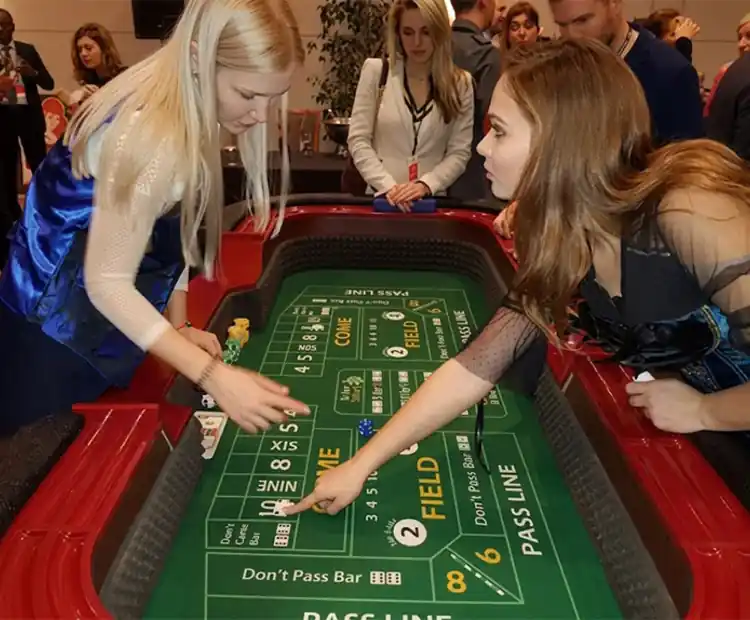
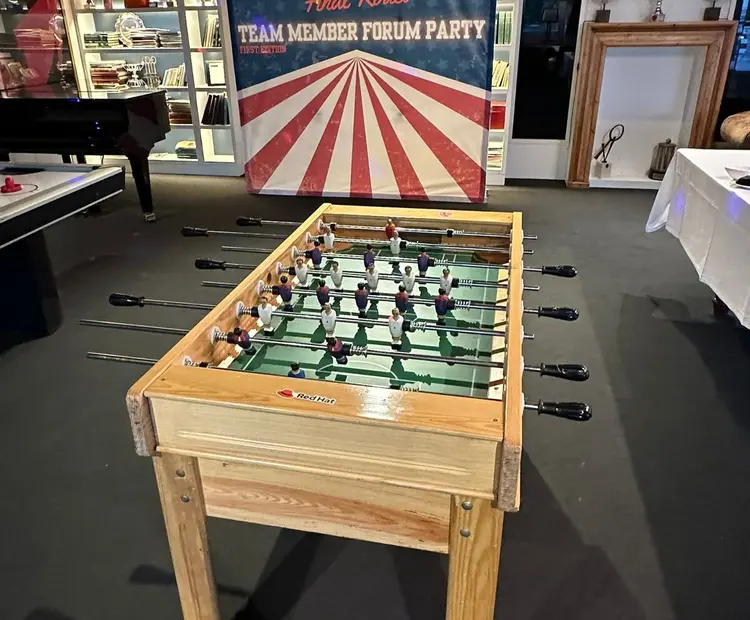
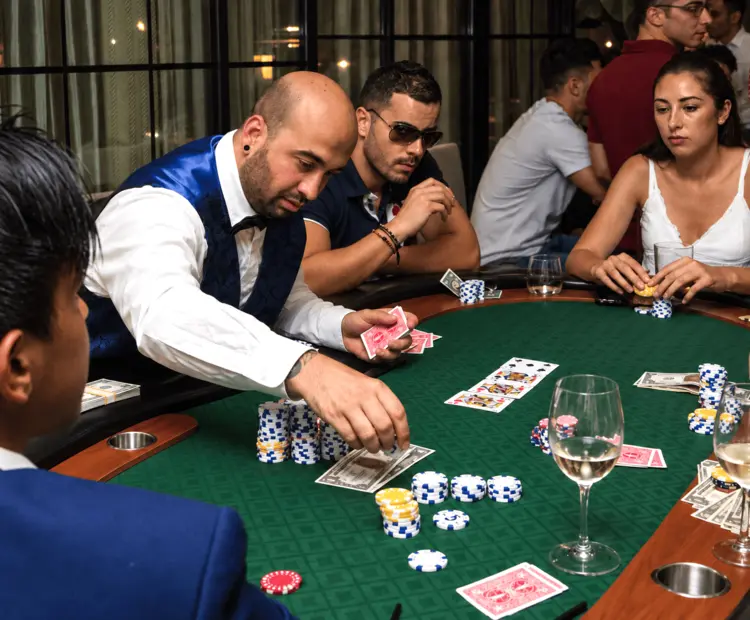
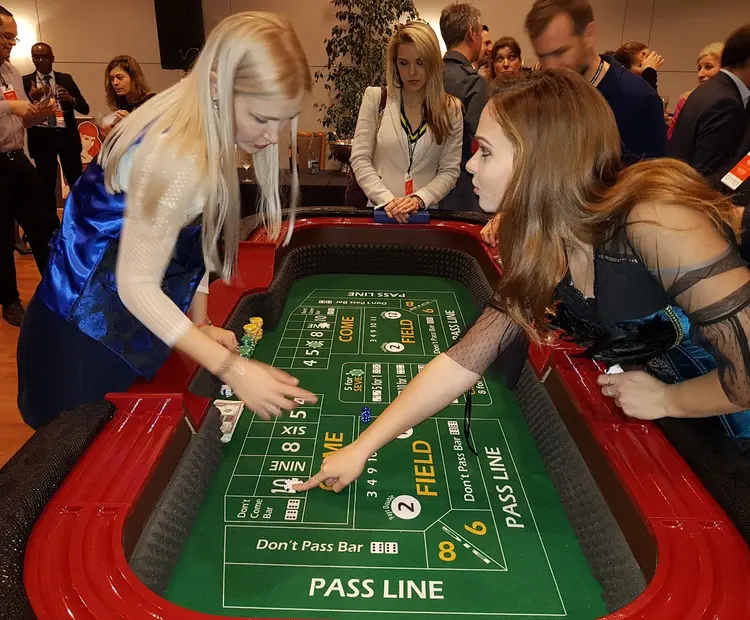
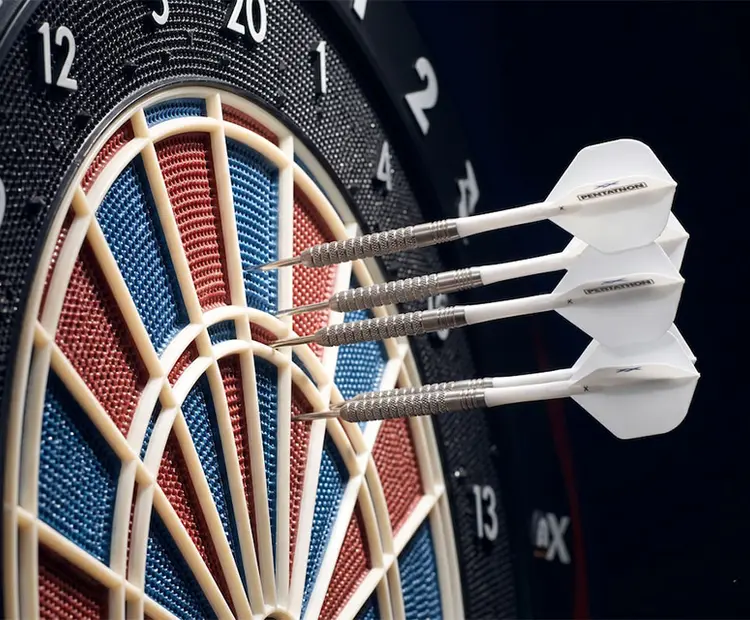
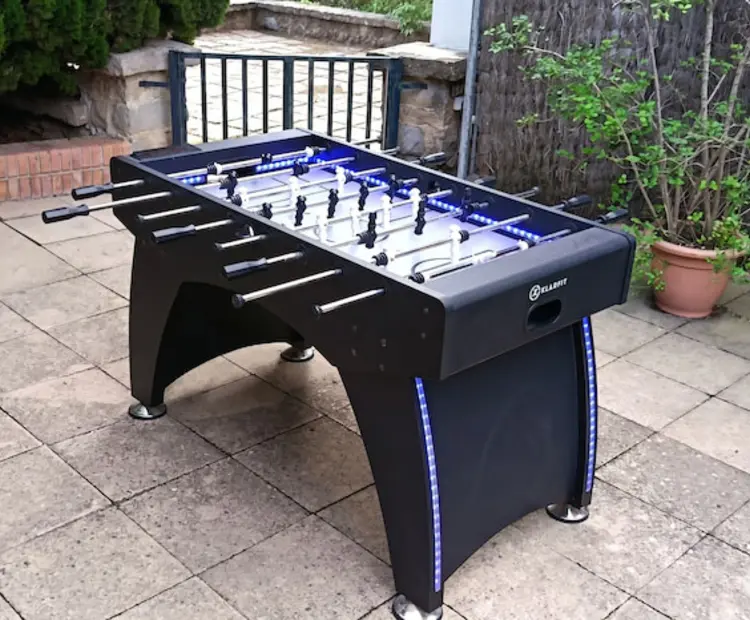
Turnkey tournaments: table football, darts, ping pong, poker or consoles with a bracket, refereeing and a live final.
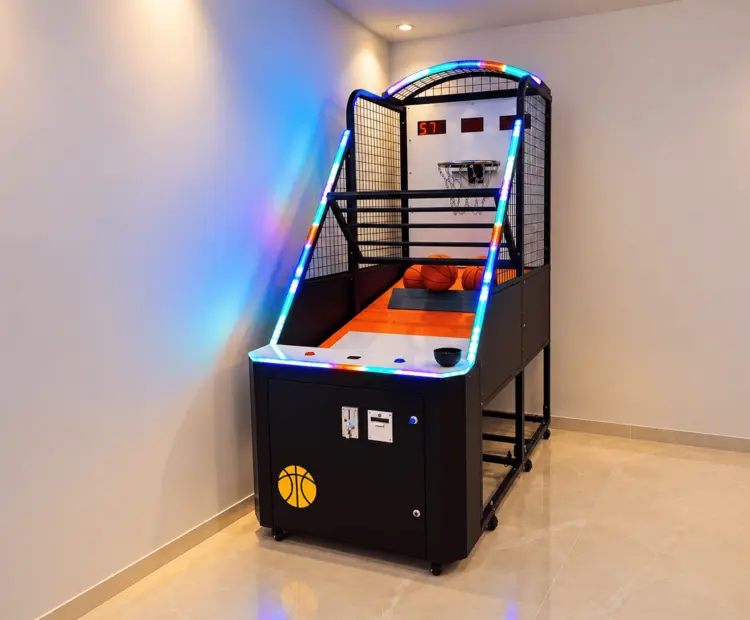
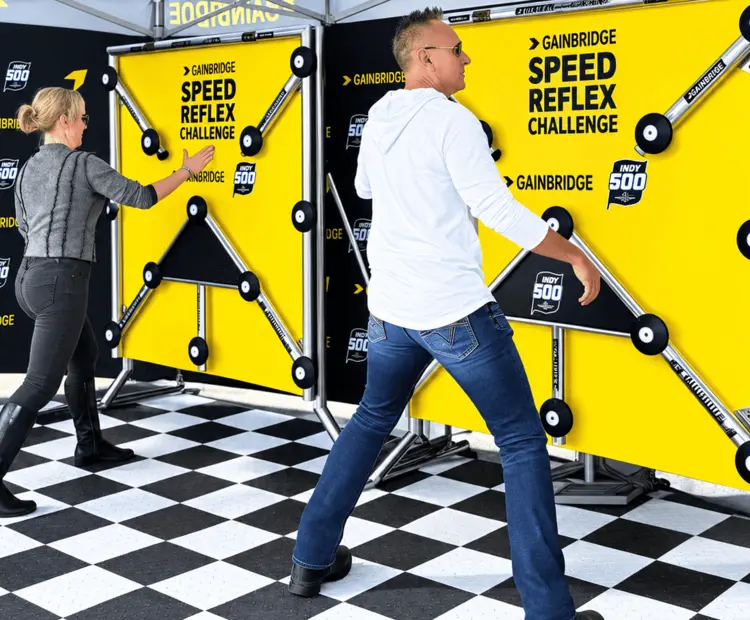
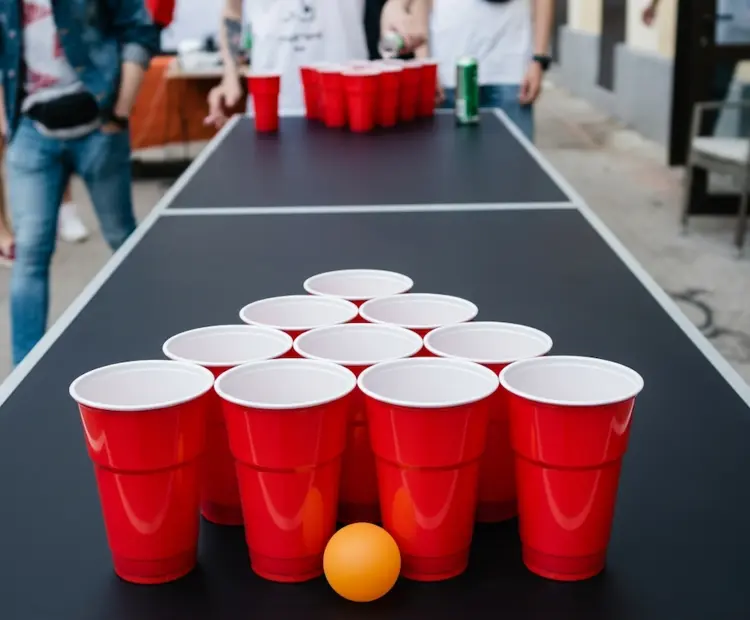
We organise complete tournaments: equipment, competition bracket, refereeing, scoreboard and a live final, in table football, darts, ping pong, poker, video games, arcades or skill games.
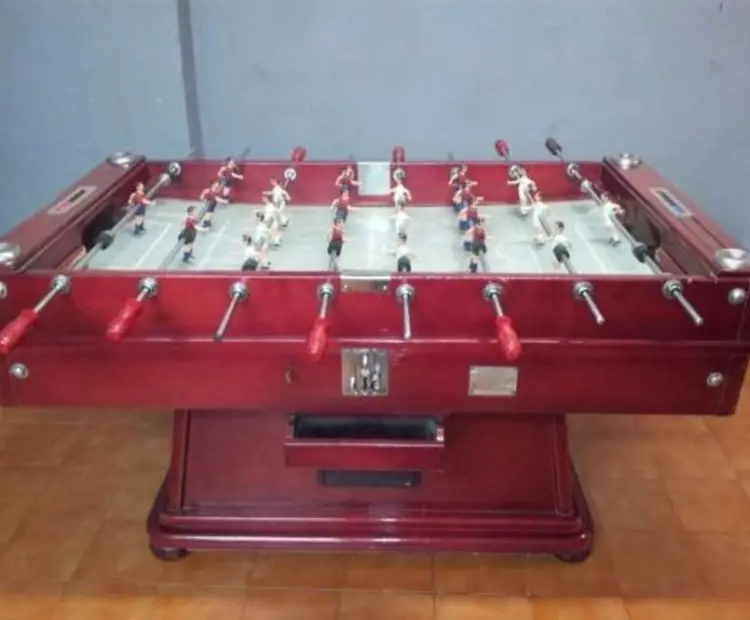
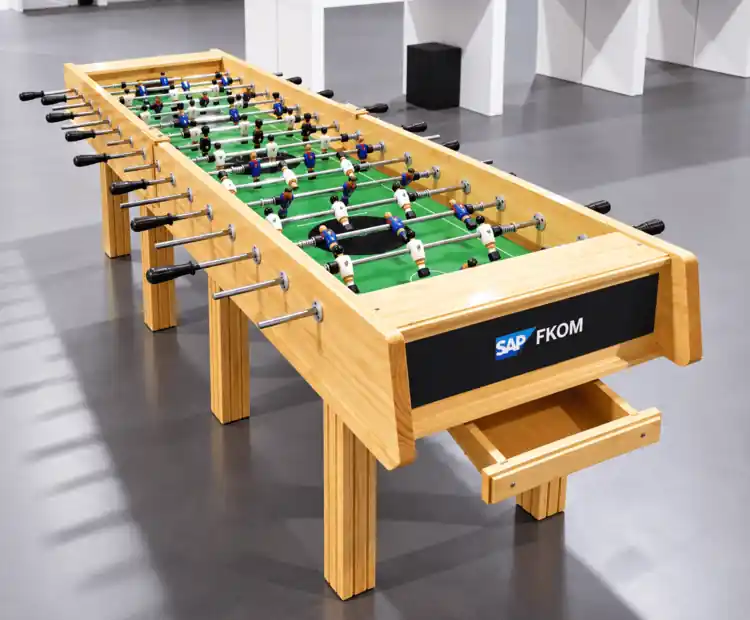
The difference between putting out a table football and running a table football tournament is enormous, and it is not in the equipment. A loose table entertains whoever passes; a tournament with a bracket, rounds and a final has a narrative arc: a classification everyone follows, rivalries formed within twenty minutes and a closing moment with an audience around it. Same equipment investment, completely different result.
What has to be added is organisation. A properly built bracket with rounds that fit the time available, a referee to settle questions, a visible scoreboard anyone can check, and a clear schedule of who plays when. Without that, the tournament becomes a list of names nobody remembers and games that never start.
Bracket design depends on time. With two hours and sixteen entrants, straight knockout; with a full afternoon and thirty, group stage and knockouts. We calculate average game length and build the bracket backwards from the hour the final has to finish, which is what stops it overrunning and ending flat.
It works very well at company events, at clubs, in bars and venues, and in any context with a stable group who know each other. And it has an added advantage: it can run across several sessions over weeks, turning a one-off activity into something talked about for a month.
A classification, rivalries and a final with an audience. Same equipment investment as a loose game and a completely different result.
We start from the hour the final has to end and build the rounds backwards. It is what stops the tournament overrunning and finishing flat.
Someone to settle questions and a visible board everyone can check. Without it, the tournament dissolves into games that never start.
Which game, how many entrants, how much time there is and whether it runs in teams or individually.
Rounds, game length, schedule and scoring system, calculated backwards from the final.
Equipment, a visible scoreboard and a referee keeping the pace and settling questions throughout.
A live final with an audience and a prize ceremony with the full classification.
What people remember from a tournament is not their own games: it is the final. And yet it is the most neglected part, because by then half the group has gone or the activity has overrun and everyone is in a hurry. A final played in a corner with nobody watching wastes all the preceding work.
So we build the tournament so the final happens while everyone is still there, with the scoreboard projected, an audience around it and, where the context allows, someone commentating. It is ten minutes that turn an entertaining activity into the anecdote still being told weeks later.
From eight to sixty-four on a single bracket. Above that it is best to run several tables in parallel or split into groups with separate finals, so rounds do not drag.
Two to five hours depending on entrants and discipline. We calculate backwards from the final: if you have three hours, we adjust the format so it fits without cutting on the fly.
Yes, included. It is the piece that shows most: without someone settling questions, controlling times and announcing rounds, the tournament loses pace and ends in arguments.
Yes, and at companies it usually works better. Teams are formed deliberately across departments, which gives the tournament value beyond the entertainment.
Yes, in league format over weeks. It is a formula that works very well internally because it keeps the conversation alive for a month rather than an afternoon.