
Turns the presentation into a trial
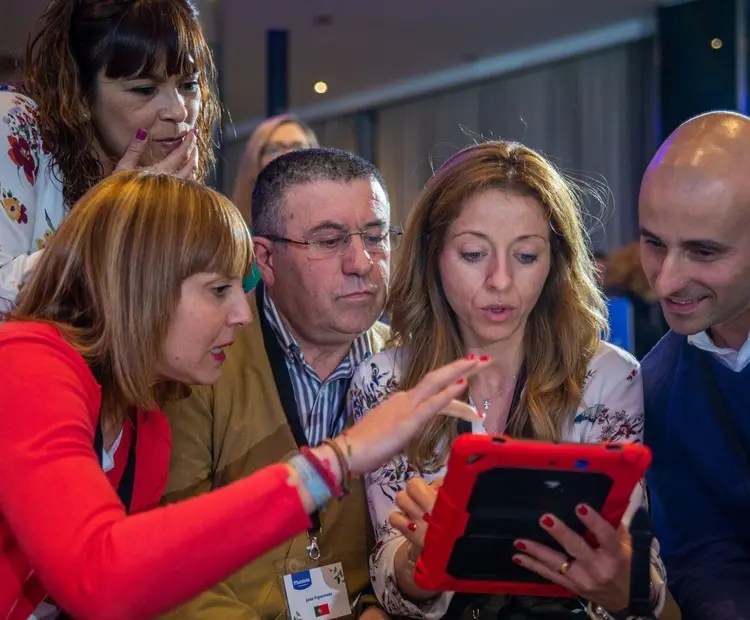
A zone where the product is handled, used or played with makes guests remember it in detail, instead of only remembering the headline on the opening slide.



Events
A product launch is the event with which a company presents a product, service or brand for the first time to clients, the press, distributors or the general public.
Product presentations and brand launches where the product gets handled, not just shown on a screen.
We run the entertainment and experiential side of product presentations, brand launches, press events and roadshows, so guests leave having tried something rather than having watched a deck.
Launches carry a temptation that almost always costs: telling the whole story from the stage. Half an hour of presentation, a video, questions and canapes. The problem is that the guest leaves with an abstract memory of the product and the feeling of having attended a long meeting. When there is a zone between the presentation and the drinks where the product can be touched, tried or played with, the memory changes entirely, and it produces the photos that circulate afterwards.
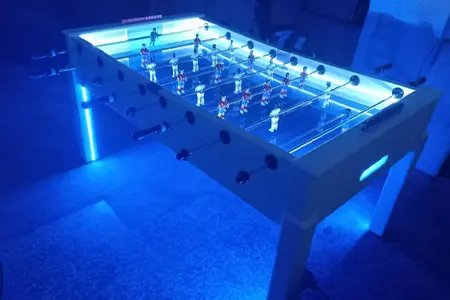
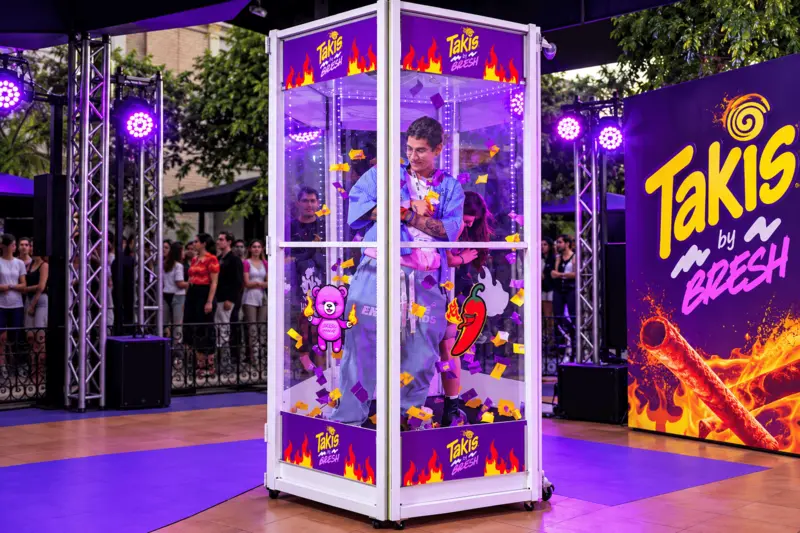
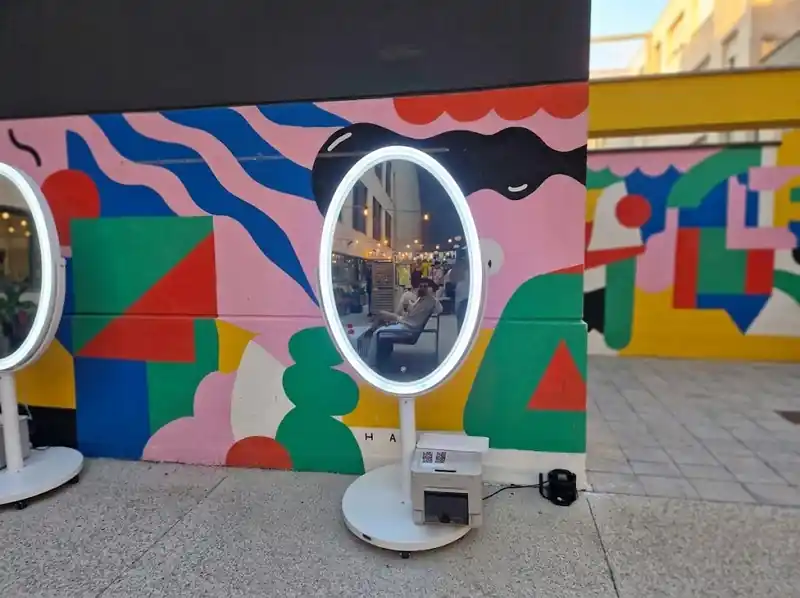
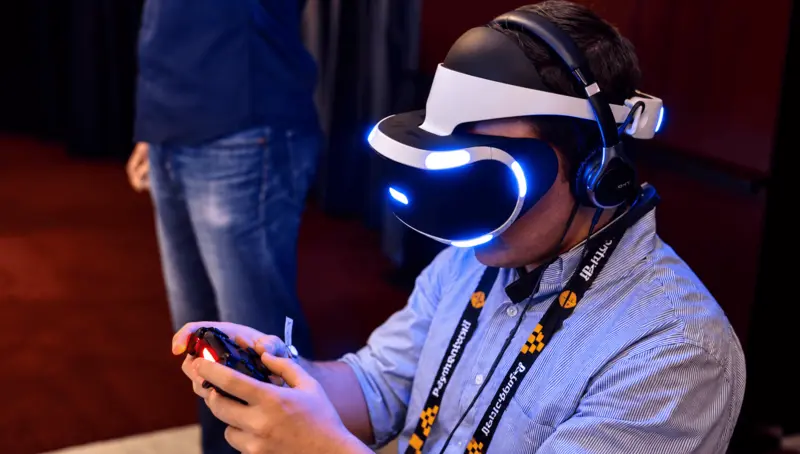
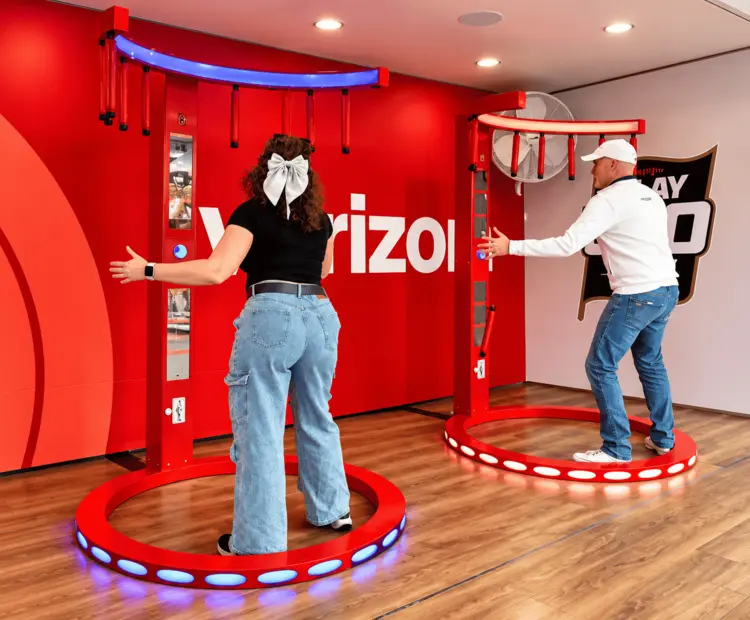
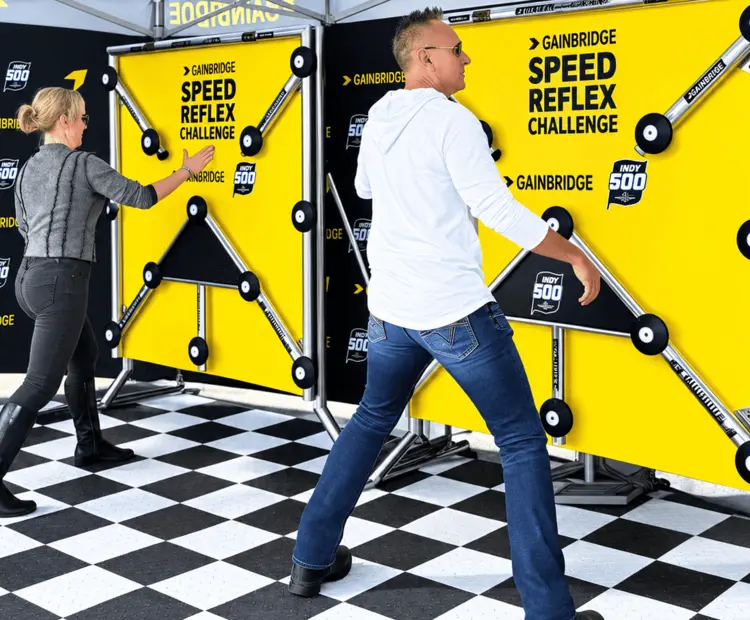
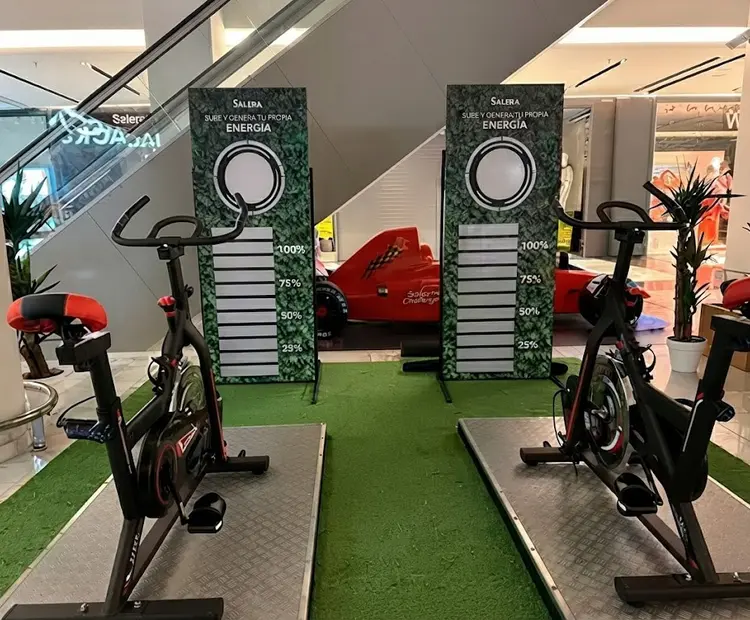
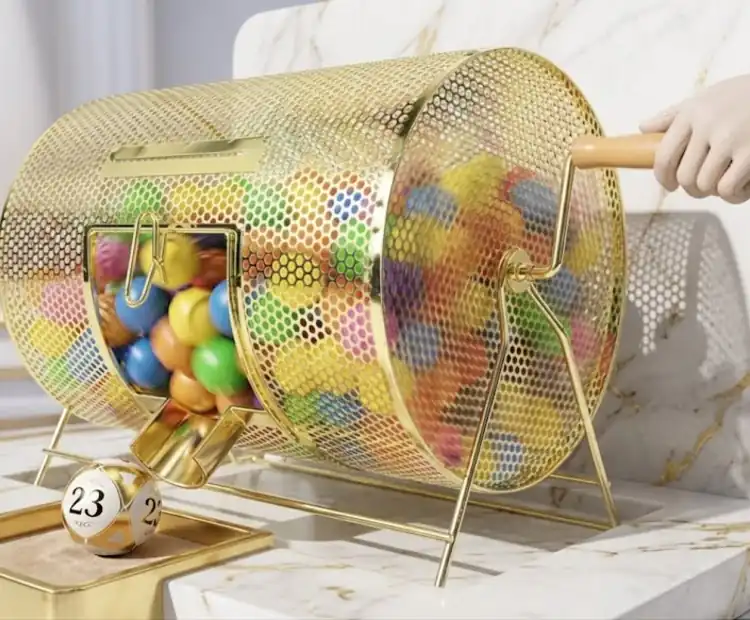
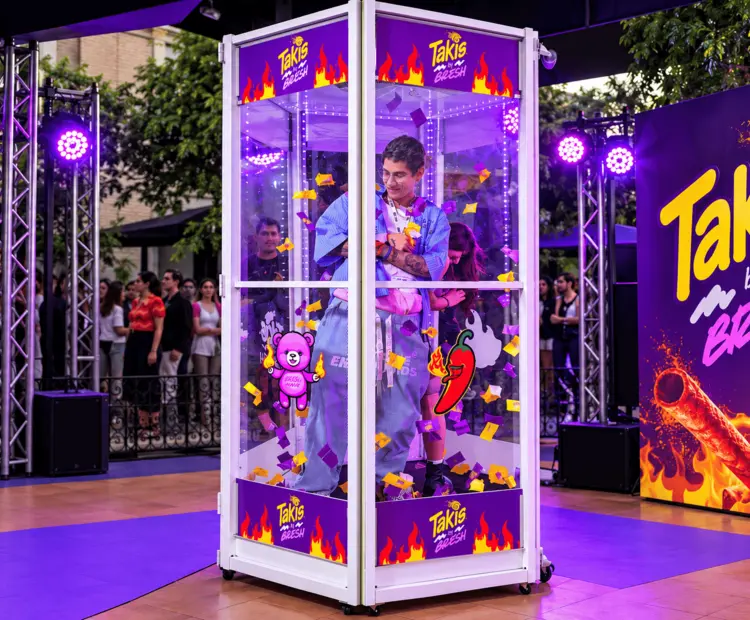
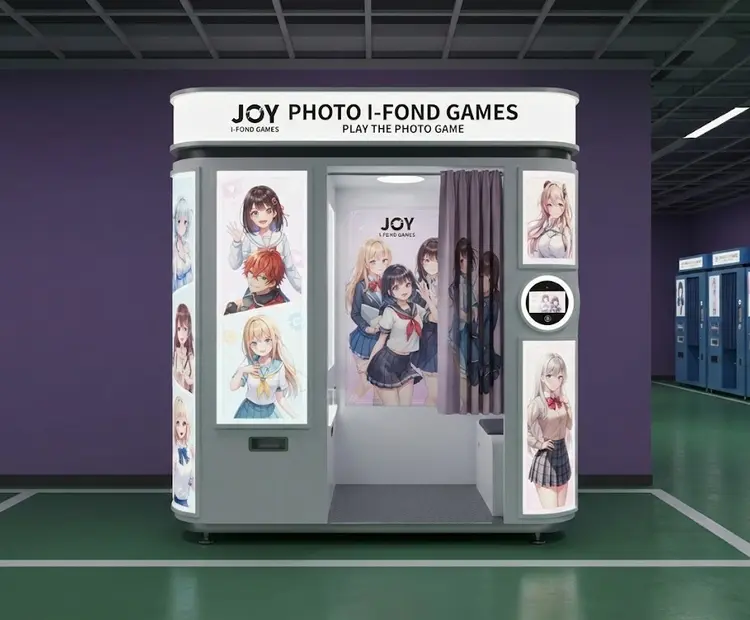
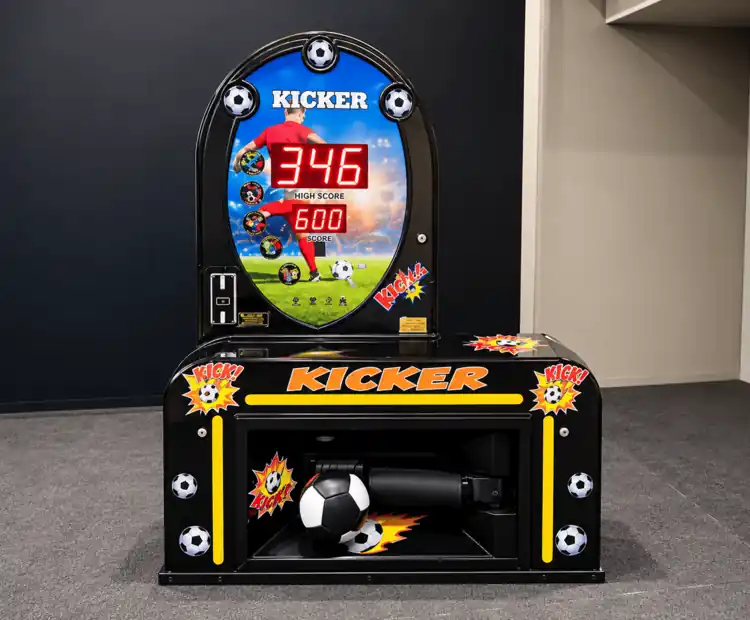
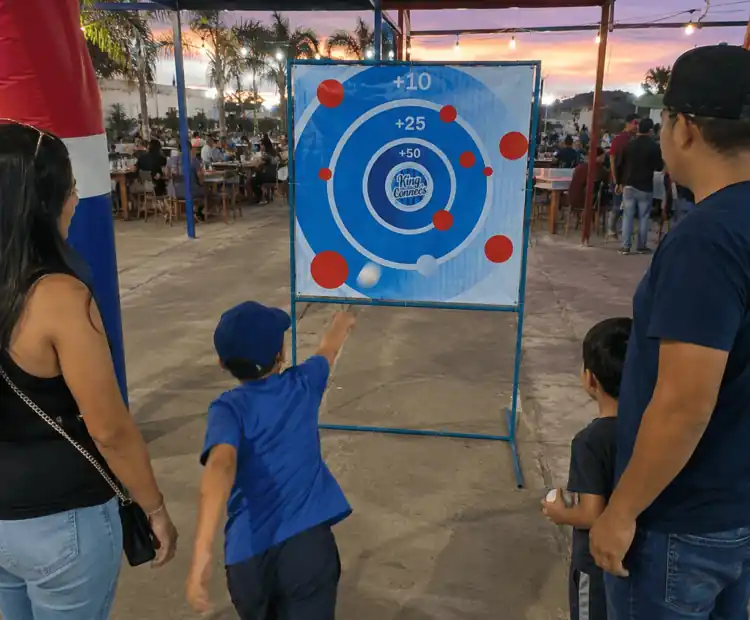
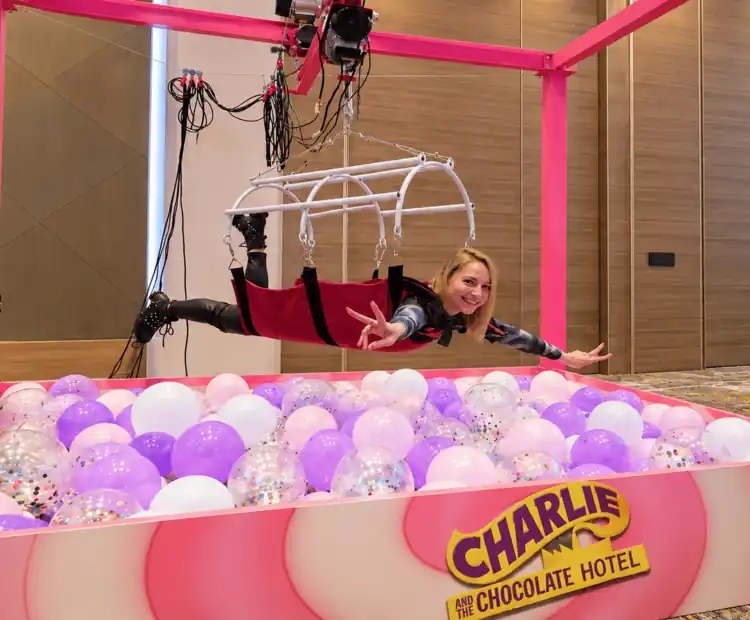
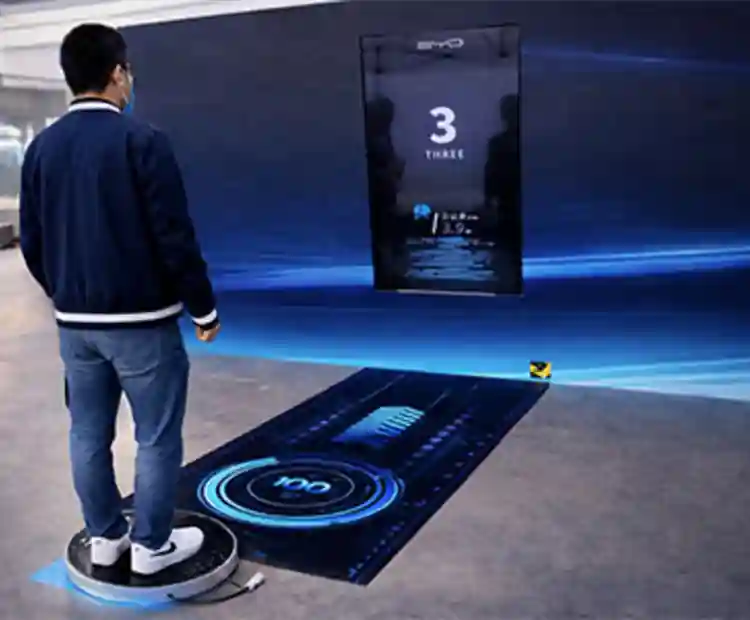
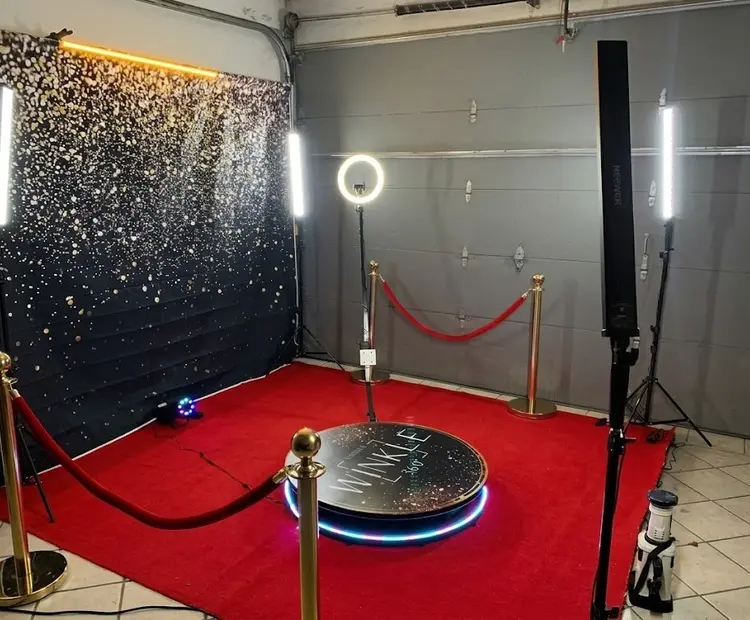
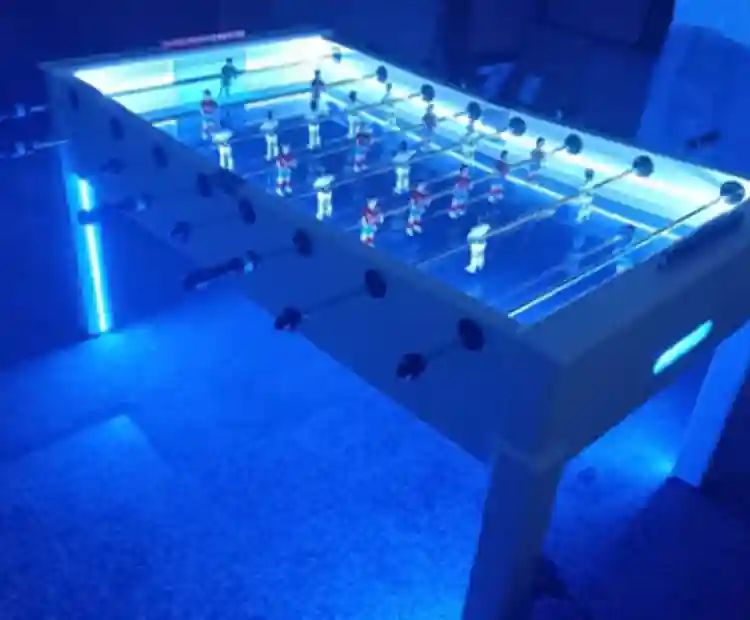
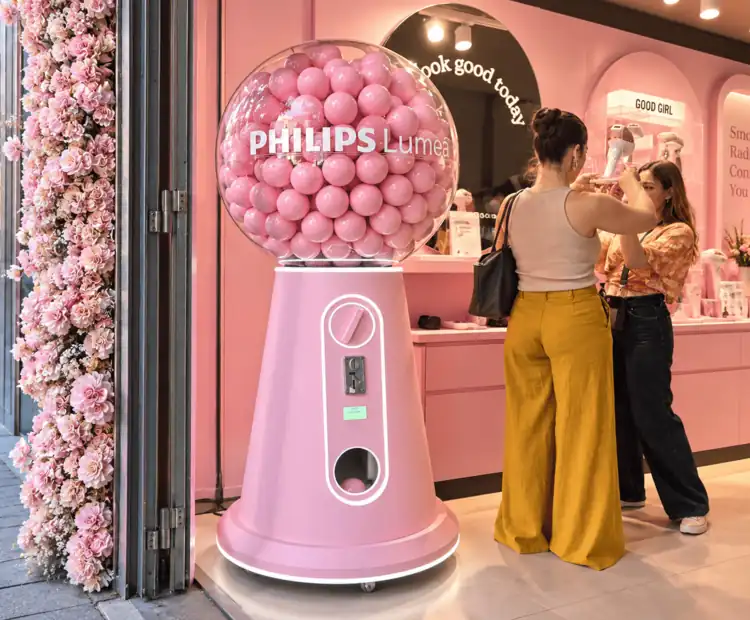
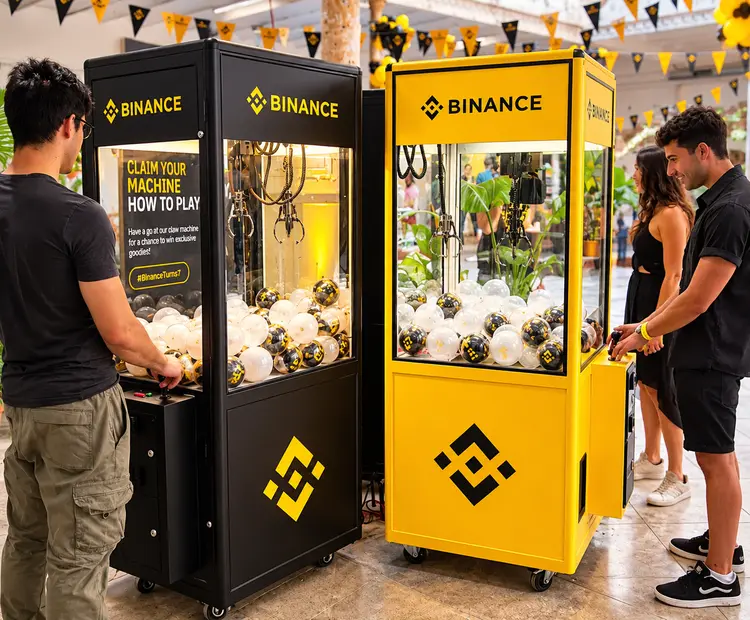
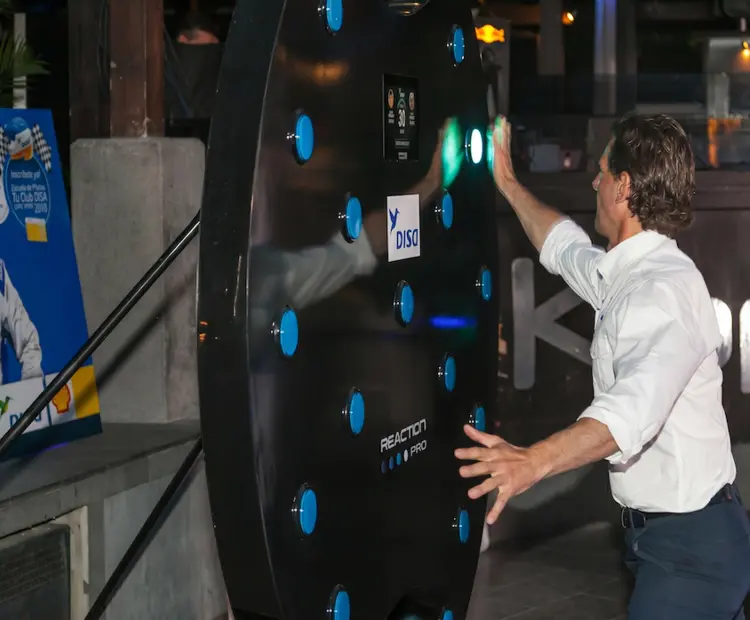
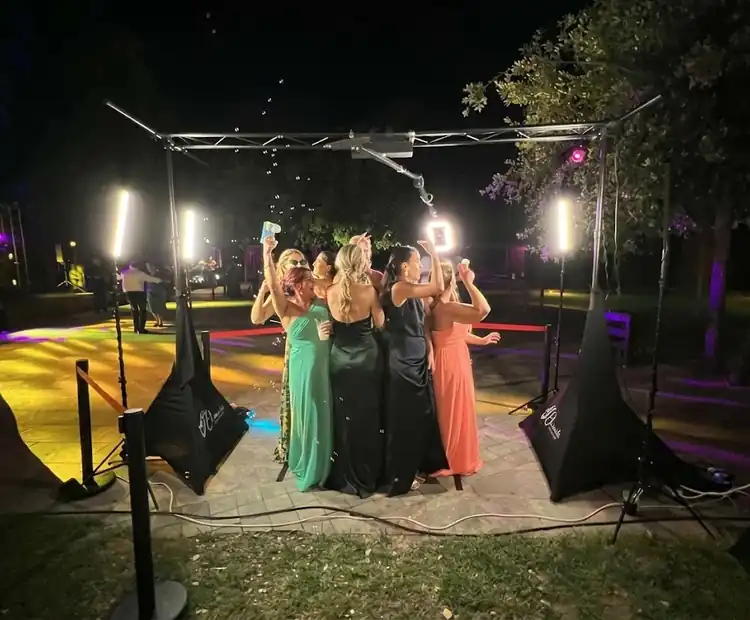
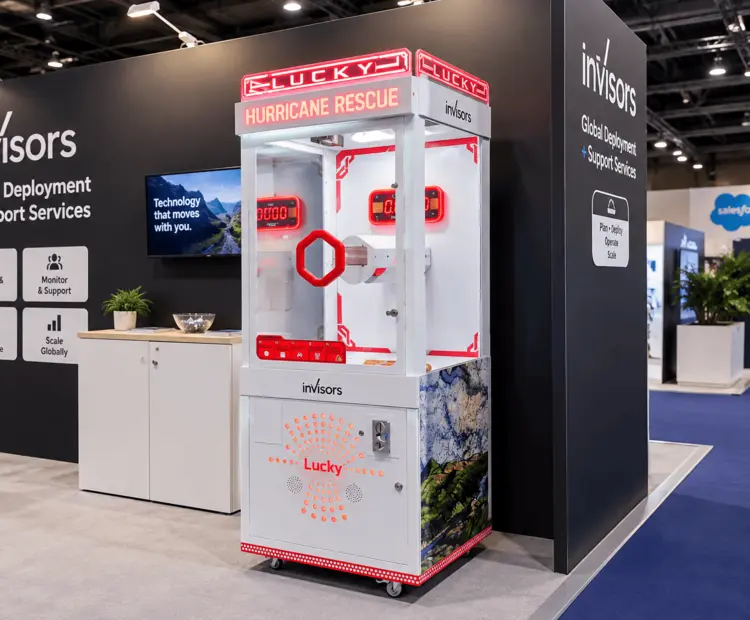
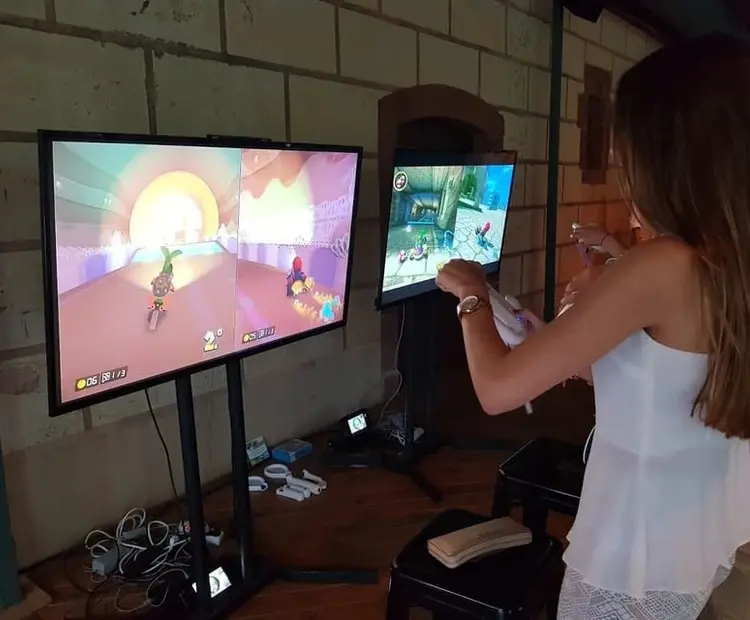
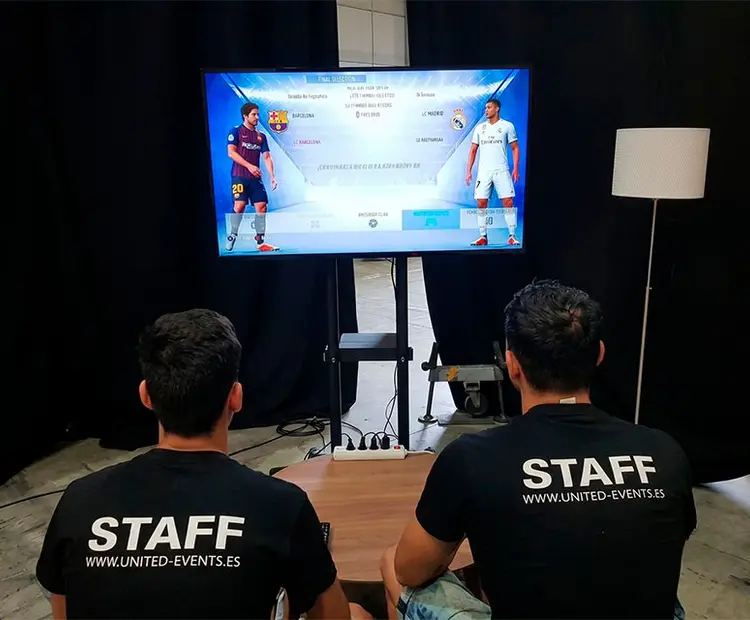
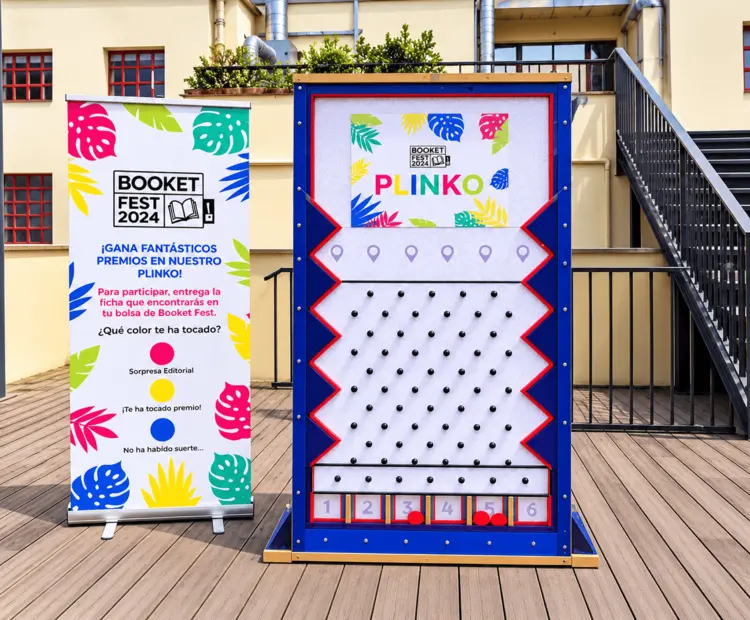
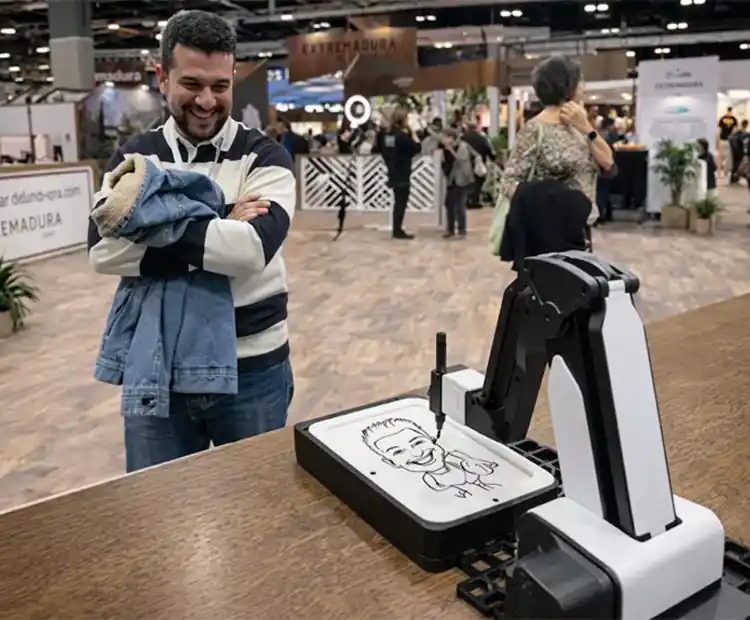
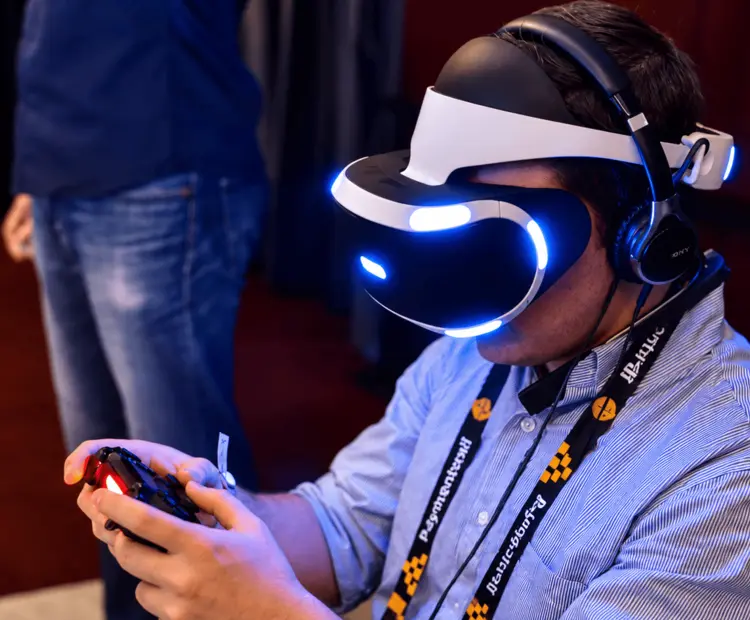
We design that middle zone. It might be a virtual reality experience showing the inside of the product, a custom game built on its mechanics, a simulator reproducing real use, or simply a well-resolved photo wall that guarantees everyone is photographed with the brand behind them. The choice depends on the product and, above all, on who is invited: press need a photo, distributors need to touch, and employees need to enjoy themselves.
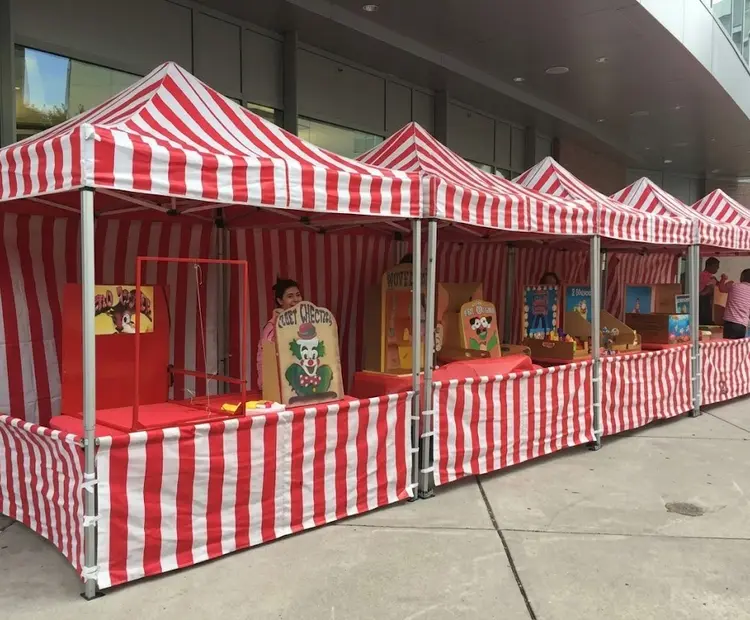
We also run the touring format. A roadshow means everything has to fit in a vehicle, build in under two hours and work identically in a square in Valencia and a shopping centre in Bilbao. That dictates what equipment is usable: weights, power draw, build times and crew per stop. We plan the whole route so nothing depends on improvising in each city.
Timings are where most launches go wrong. The experiential zone either sits empty because it is scheduled alongside the drinks, or it floods because everyone leaves the auditorium at once. So we design capacity per hour and suggest opening it before the presentation rather than after: early arrivals use it, a visible queue forms by the entrance, and by the time the formal part ends the activity is already running smoothly.
A zone where the product is handled, used or played with makes guests remember it in detail, instead of only remembering the headline on the opening slide.
Photo walls, instant prints and photogenic experiences make guests post of their own accord. It is more credible than produced content and costs no extra media budget.
For roadshows we select equipment that fits in a van, builds quickly and works without special infrastructure, with a route plan and crew for each city.
What you are launching, who you are showing it to, where and to what agenda. If there are several cities, the dates and the order of the route.
Which activity fits the product and the audience, its footprint, how long each session runs and how many people it serves per hour.
Branding, screen content and testing before the event. Nothing premieres in front of an audience without having been tested first.
Build, activation with our own staff, and takedown. On roadshows the same crew covers the route so there is no learning curve in each city.
A launch with genuine personalisation needs more lead time than usually planned. Producing bespoke digital content, wrapping a simulator or printing set pieces takes one to three weeks depending on volume, and that timeline does not shorten by paying more. When the date is close we adapt: some options personalise on screen only and can be prepared within days, though the visual result is less complete.
Our practical recommendation is to lock the activity as soon as you have a date, even if the specific content arrives later. Reserving the equipment secures availability and leaves production until last, which is the part that can genuinely be adjusted on the move without putting the event at risk.
In many cases yes. Digital games accept custom content, simulators can be dressed in your identity, and prizes can be the product itself. The earlier you raise it, the more options there are.
Routinely. We handle equipment, build and activity staff, and slot into the overall event production the agency is running. We adapt to their planning and their contacts.
It depends on the format. An individual VR experience moves twenty to thirty people an hour; a thirty-second quick game, well over a hundred. We size it against your headcount so queues stay manageable.
Yes. We have run routes through Madrid, Valencia, Zaragoza, Bilbao, Seville and Malaga. Quotes include travel, per diems and crew accommodation itemised per stop.
Yes, we work with event photographers and can build image capture into the activity. In virtual reality experiences we also record the participant's view, which is usually the most shared content from the launch.