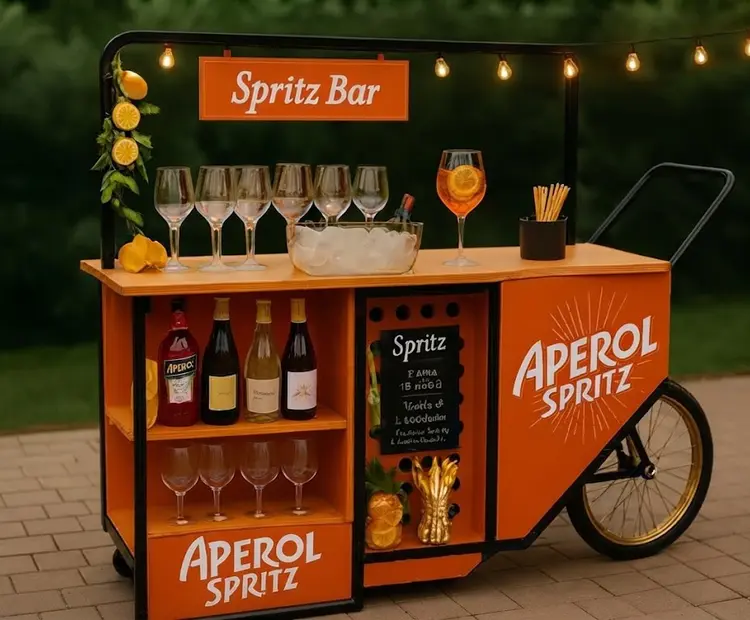
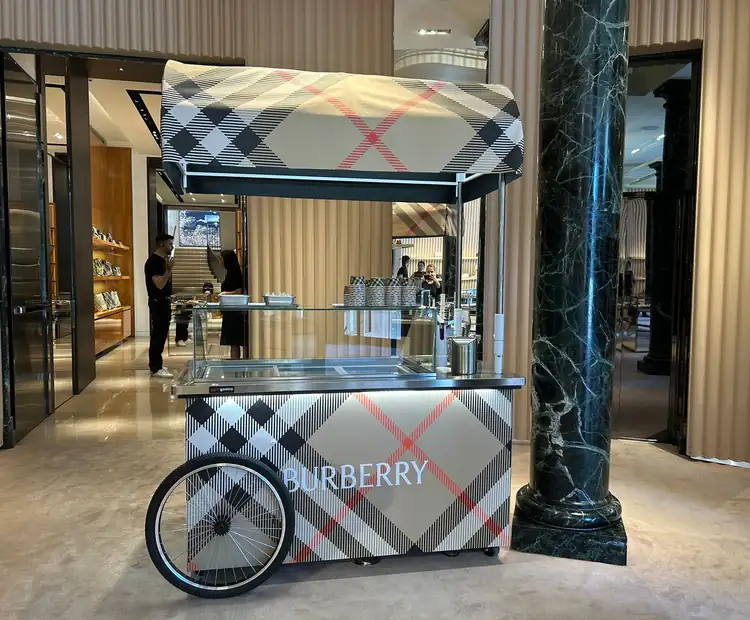
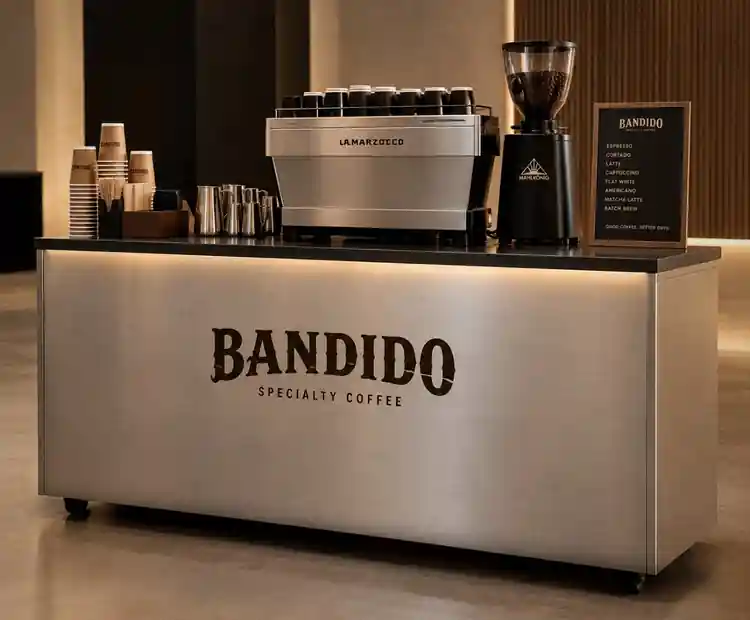
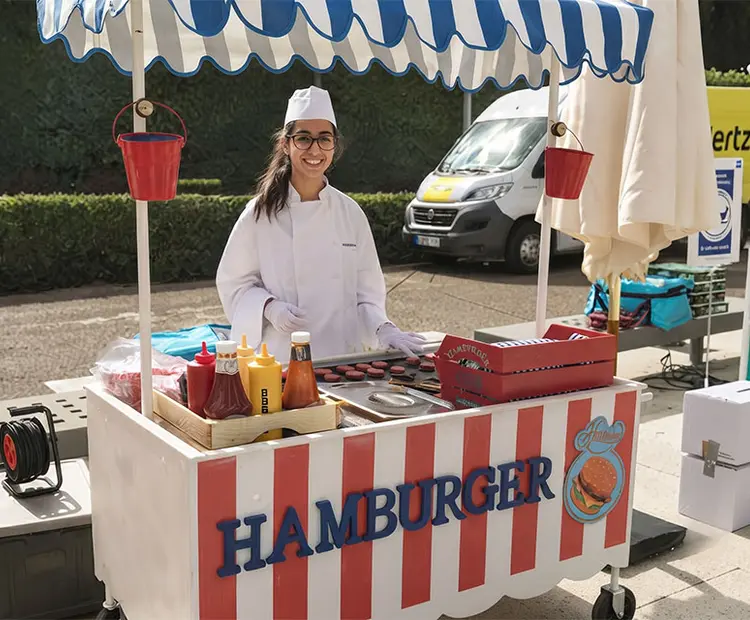
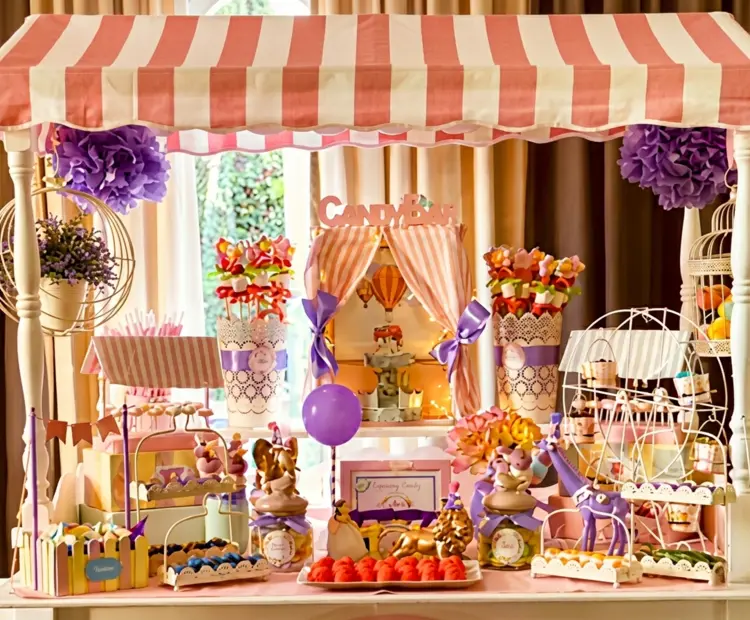
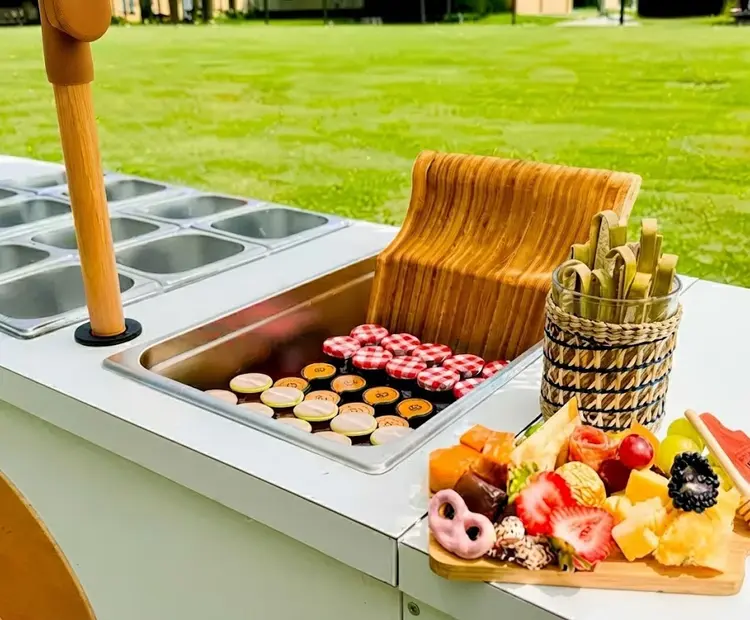
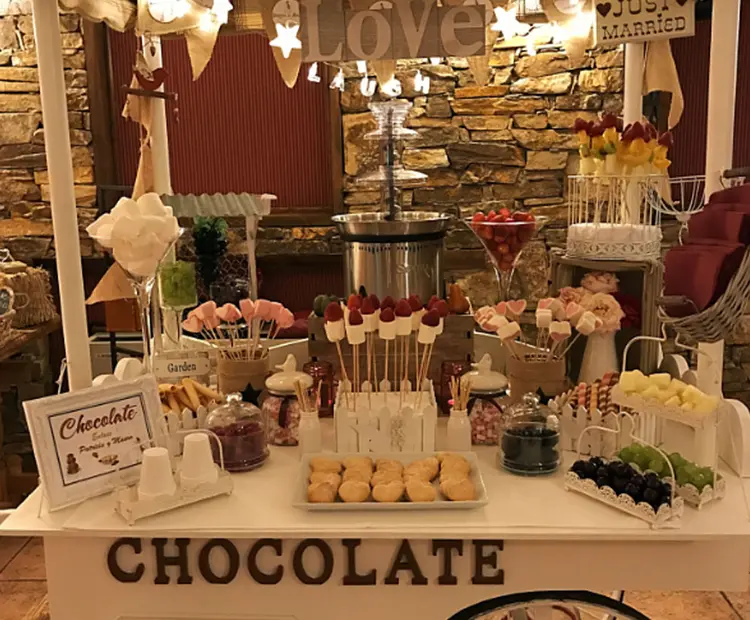


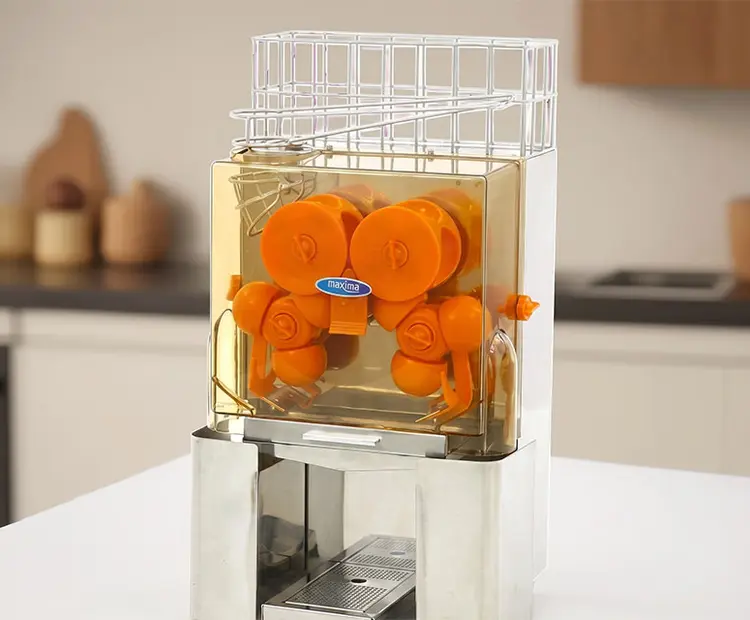
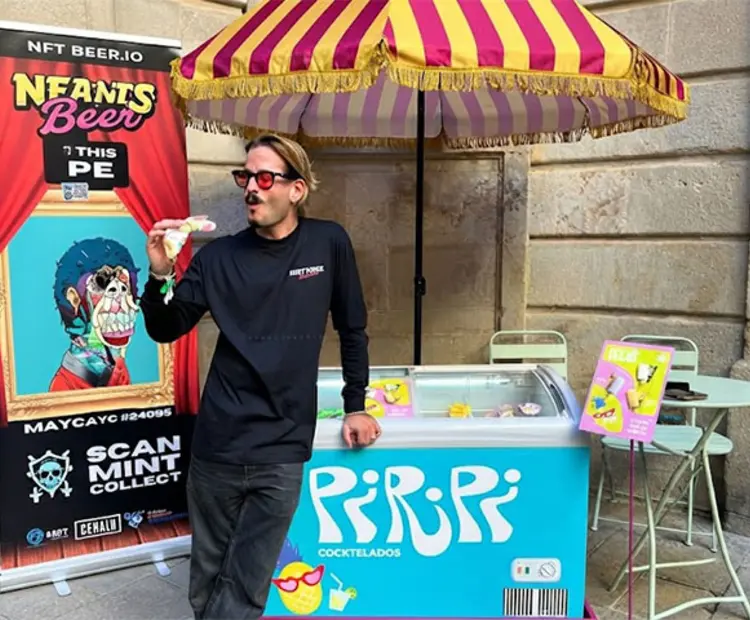
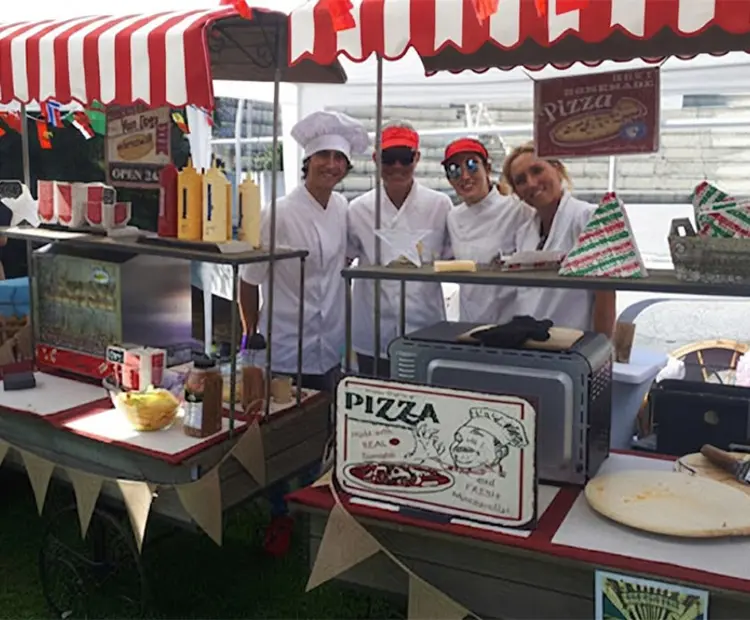
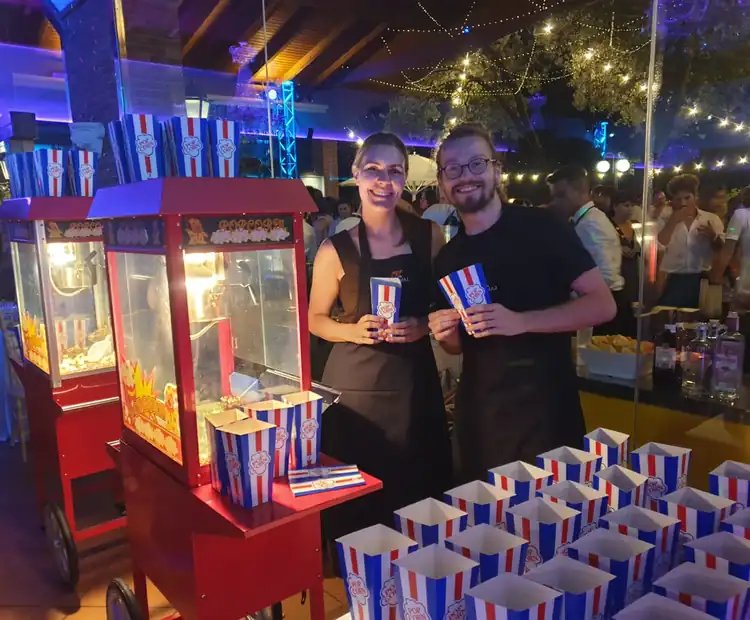
Prepared in front of the customer
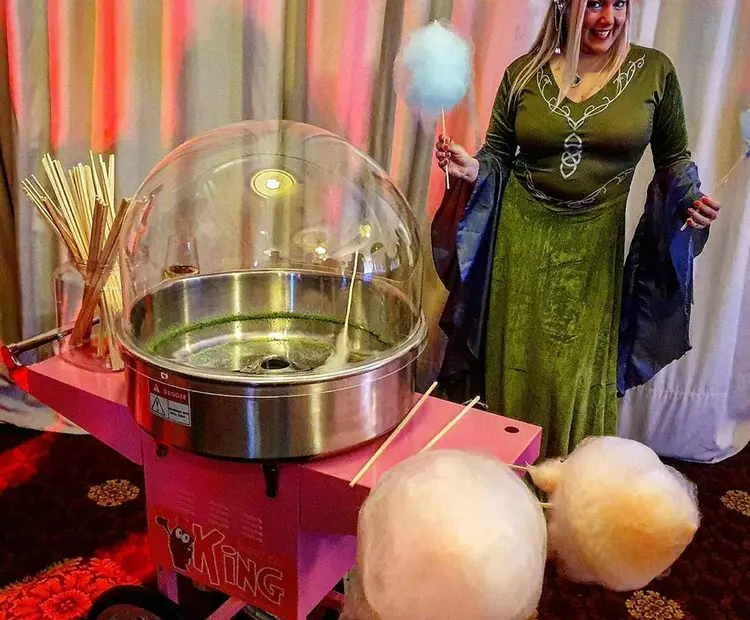
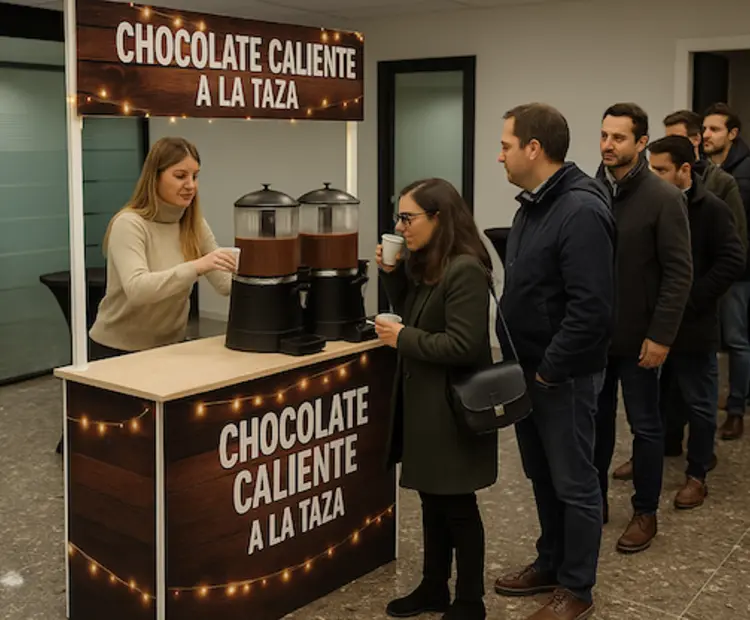
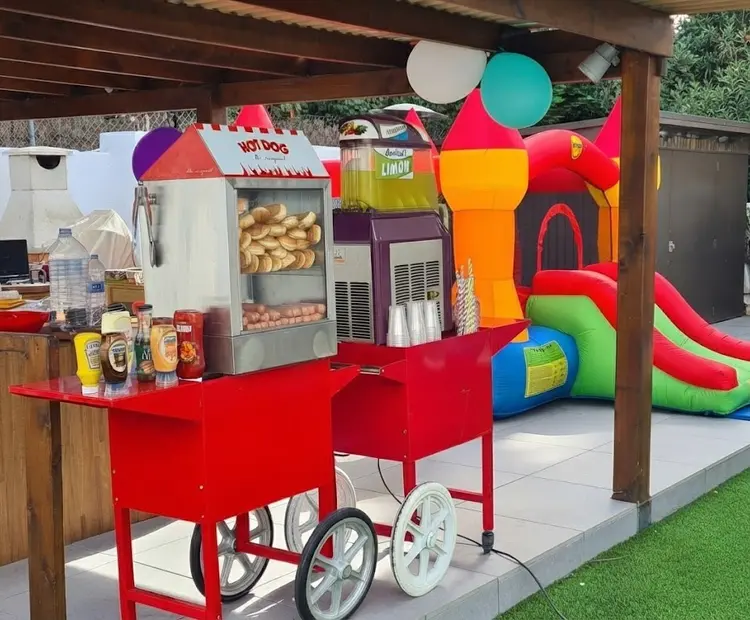
A cart serving on the spot gets the product consumed right there. Blind bag distribution ends up at the bottom of a handbag without ever being tried.



Brand Activations
Sampling means handing out free samples of a product on the street, in shops or at events so that people can try it before deciding whether to buy it.
Carts, tastings and hosts to put the product in people's hands, which is where purchase decisions are actually made.
We run sampling campaigns with tasting carts, distribution staff and promotional mechanics, on the street, in shopping centres, at trade fairs and at point of sale, with unit control.
Sampling is the oldest tool in product marketing and it still works for a very simple reason: a sample in the hand removes the risk of trying. Someone who would never buy an unfamiliar product tries it free, and if they like it, the next purchase is ordinary. No communications campaign achieves that jump with the same efficiency.
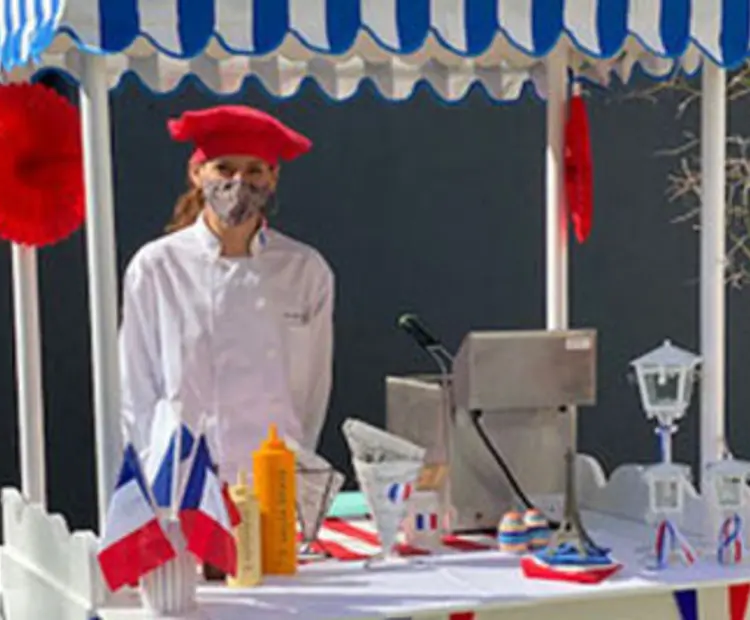
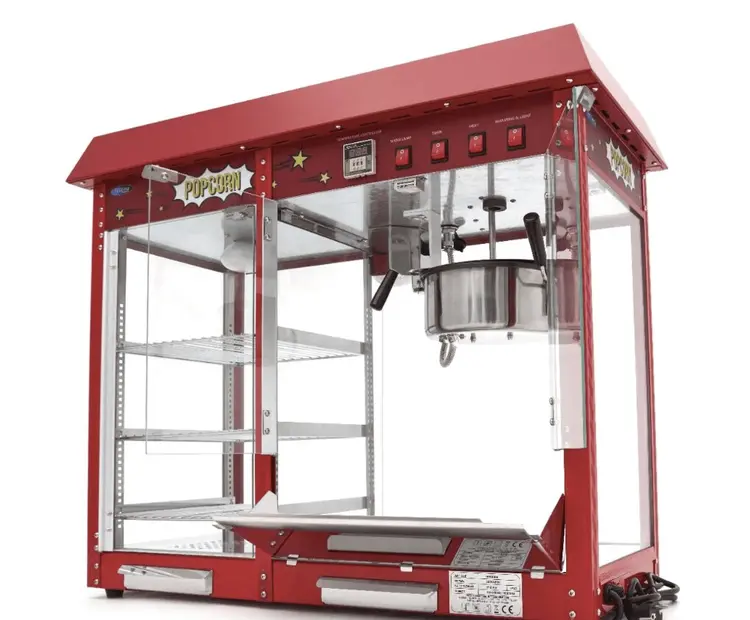
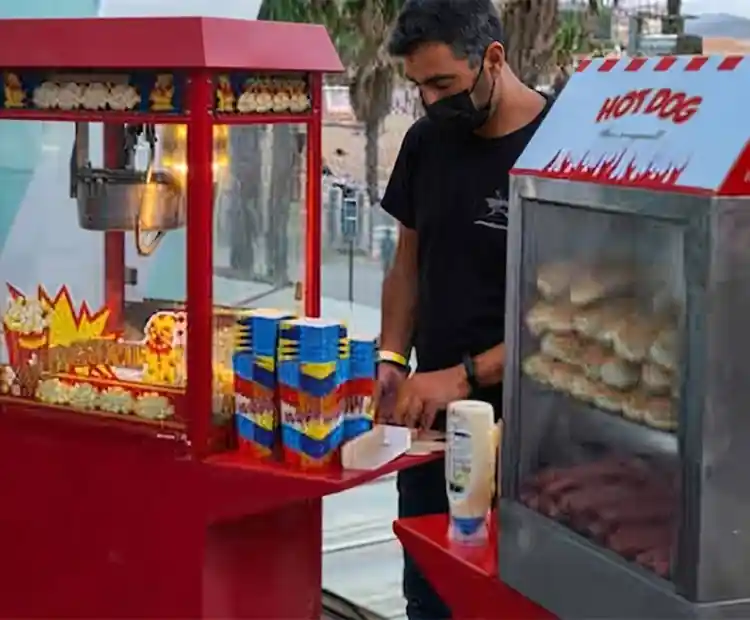
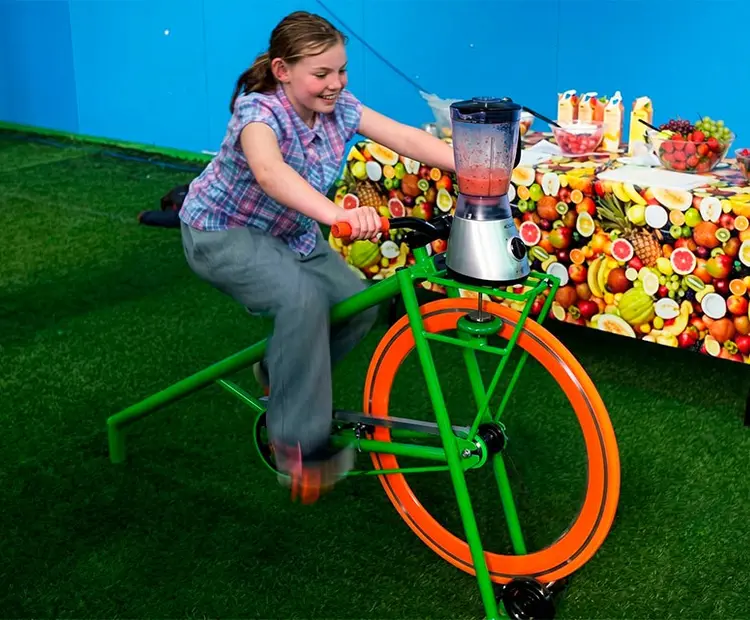
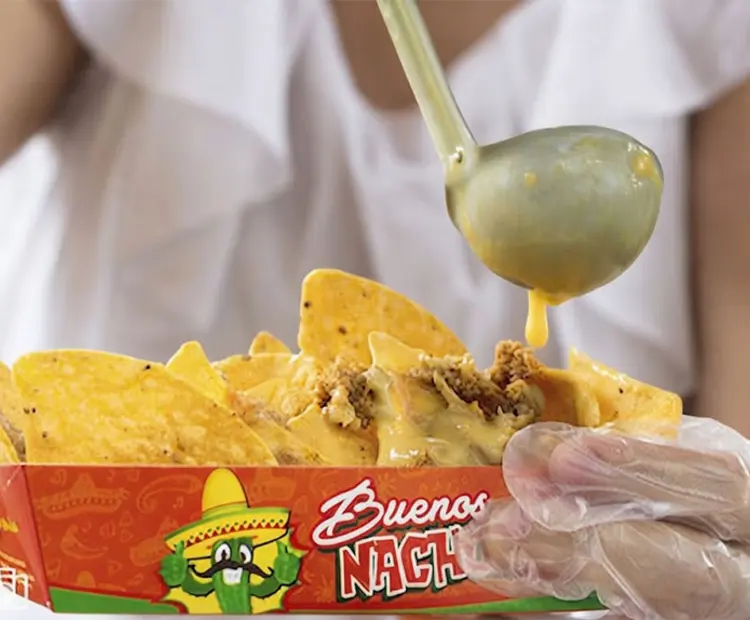
What decides the result is not the sample but the context of the handover. A product given out by someone who says nothing, in a bag with other things, ends up at the bottom of a handbag. The same product served from a cart, prepared in front of the customer, with one sentence explaining what it is, gets consumed on the spot and remembered. So we work with carts and prepared tastings rather than blind distribution.
Staff make the difference. A promoter who knows the product, can answer two basic questions and chooses who to approach converts twice as well as someone who merely hands things over. We brief the team on the script before they go out and work the first day with a supervisor tuning the pitch to what people actually ask.
We keep unit control. How many samples were handed out, in which slot and at which point, is information that lets you decide where to repeat and where not to. It is a basic figure and surprisingly rare in sampling campaigns, which often end knowing nothing beyond the total number of boxes distributed.
A cart serving on the spot gets the product consumed right there. Blind bag distribution ends up at the bottom of a handbag without ever being tried.
Promoters briefed on the script, able to answer two basic questions and to choose who to approach. They convert twice as well as people who only hand over.
How many samples, when and where. It is the figure that lets you decide which points and which hours to repeat next year.
What is being distributed, how many units, to what audience and in which cities and dates.
Cart, stand or roaming distribution, and the locations with genuine footfall from your audience.
Cart branding, staff briefing, permits where needed and product preservation.
Delivery in the agreed slots and a count of units handed out by point and by hour.
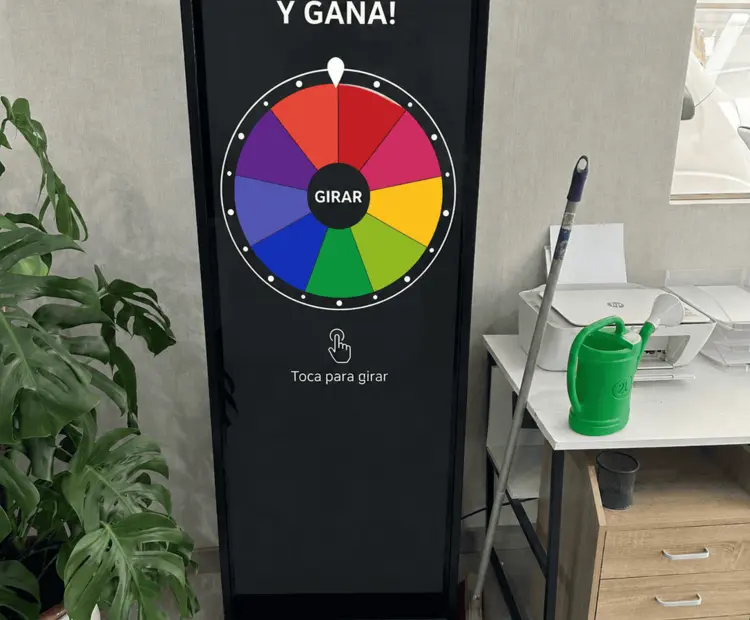
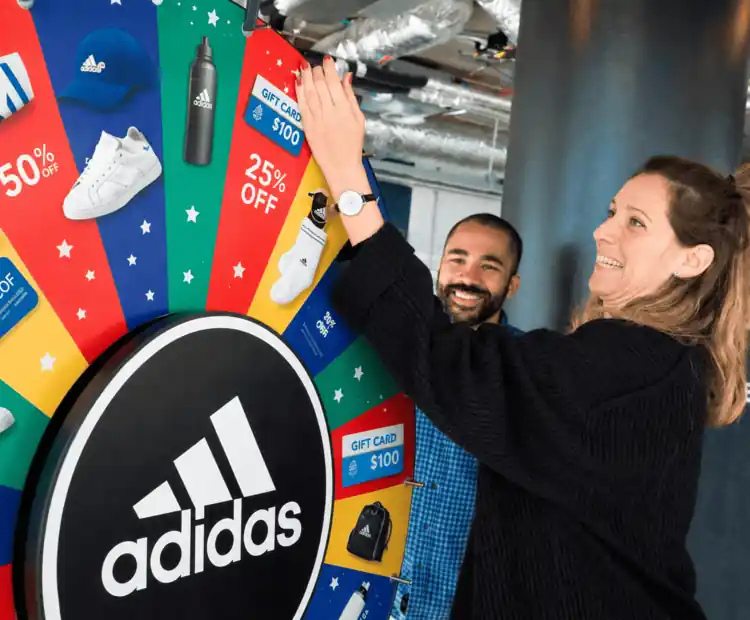
One small change makes a considerable difference to the numbers in our experience: asking for something minimal in exchange for the sample. Not a long form, but a gesture: answering a question, spinning a wheel, saying which flavour they prefer. With a micro-interaction, the person pays attention to the product instead of taking it out of inertia, and the immediate consumption rate rises clearly.
The other factor is time of day. Food sampling works before mealtimes and not after; drinks work in heat; personal care products work better in the afternoon in shopping areas. Matching the slot to the product costs nothing and is usually worth more than extending the hours booked.
No, the brand supplies the product. We provide the cart, staff, preparation, cold-chain logistics if needed and handover control. We coordinate receipt and storage of units before the campaign.
Yes. The carts support cold storage and we work with fresh product on food campaigns. We need to know when quoting so we bring the right equipment and plan restocking.
With a good location, between three hundred and eight hundred per four-hour day per point, depending on how fast it is to serve. Prepared tasting is slower than handing over a sealed unit, but converts far better.
On public streets yes, in most municipalities. In shopping centres and at point of sale it is authorised by management or the chain. We tell you what is needed in each case and process it if you ask us.
Yes. We assign a lead per city, unify the daily reports and hand you a consolidated report with units by point, slot and day.