
No winners, no losers
In strained groups or after a restructure, competing can backfire. Here the only possible result is collective, and that changes the dynamic completely.



Corporate Team Building
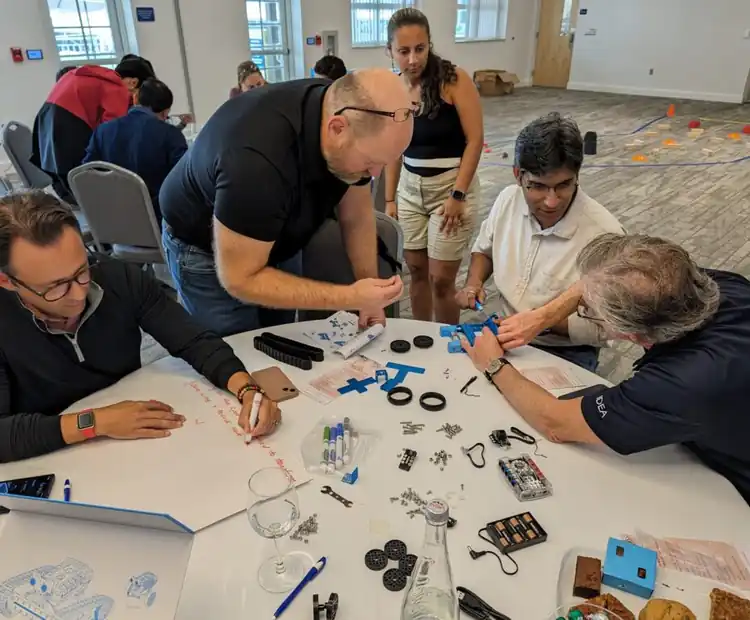
Cooperation activities are exercises in which the whole group works towards a single goal, with no rival teams, and the final result is only achieved if everyone contributes.
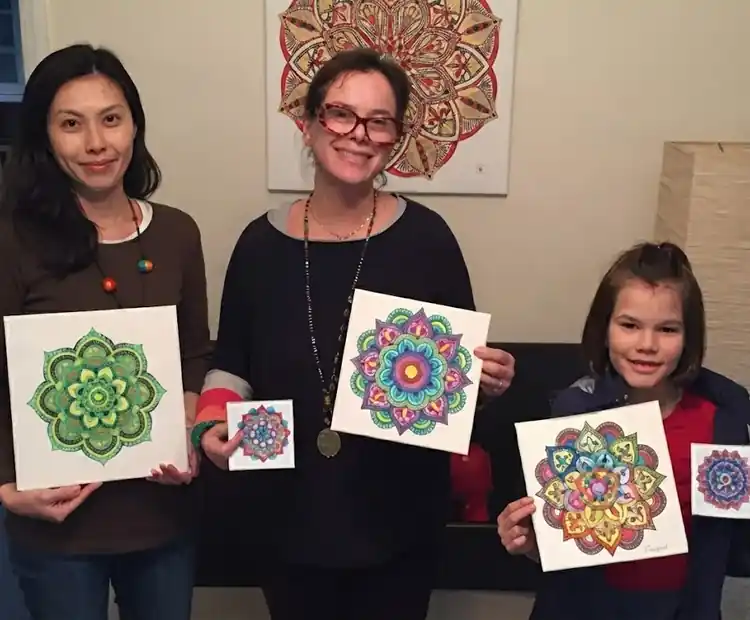
Murals, charity builds and collective projects where nobody wins because the result belongs to everyone.
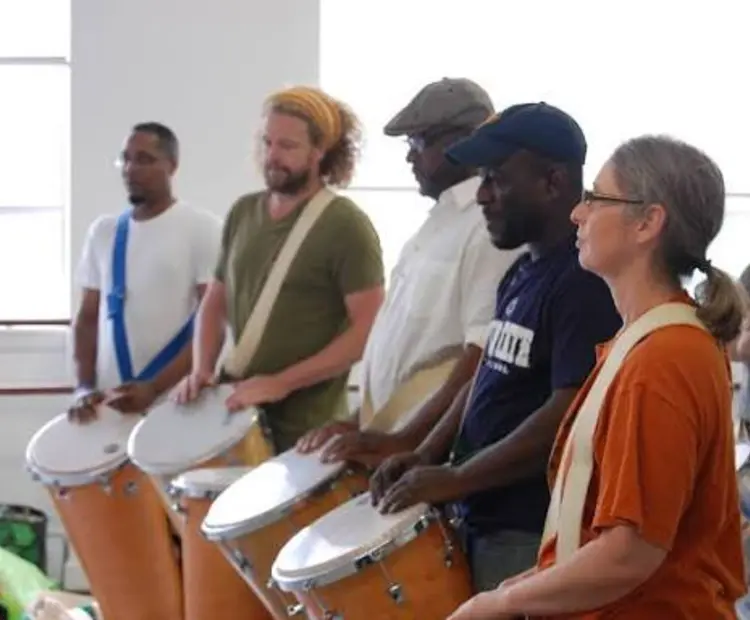
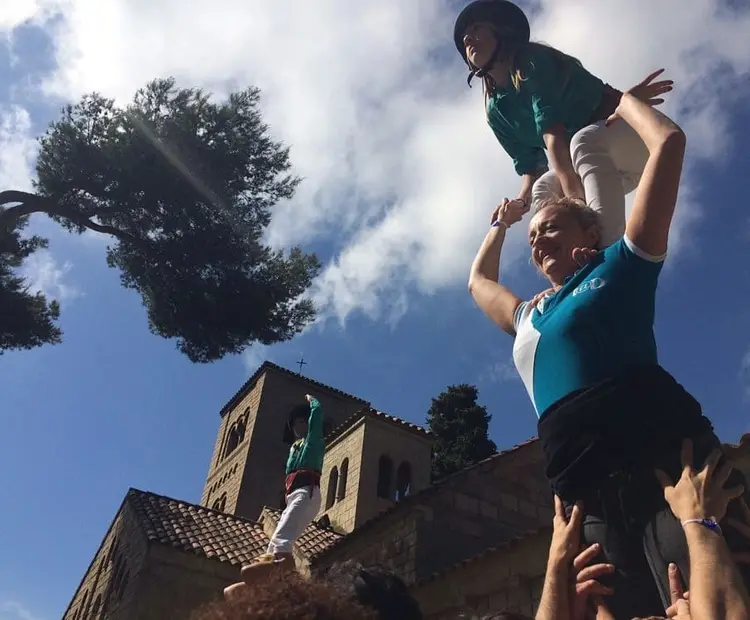
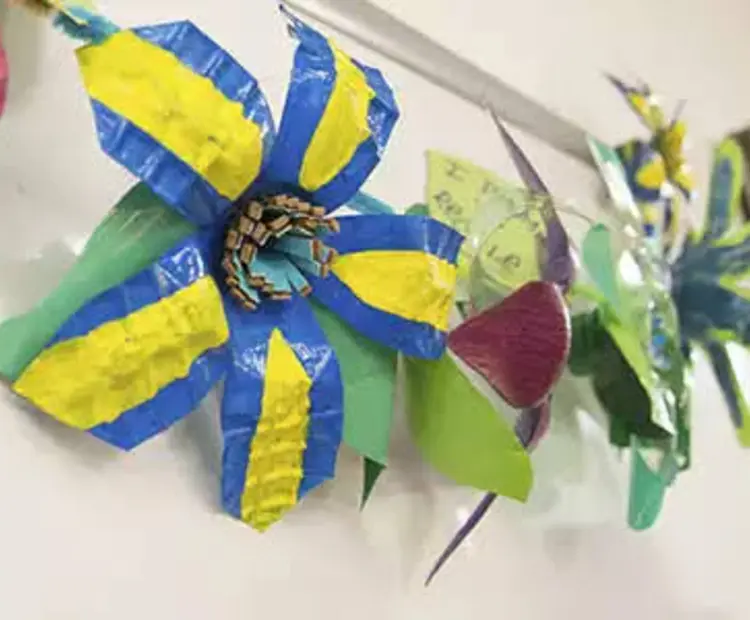
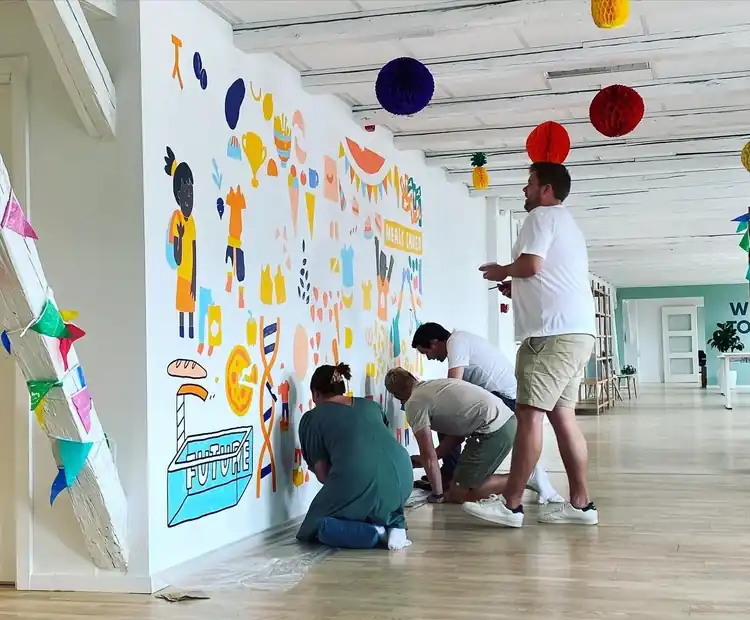
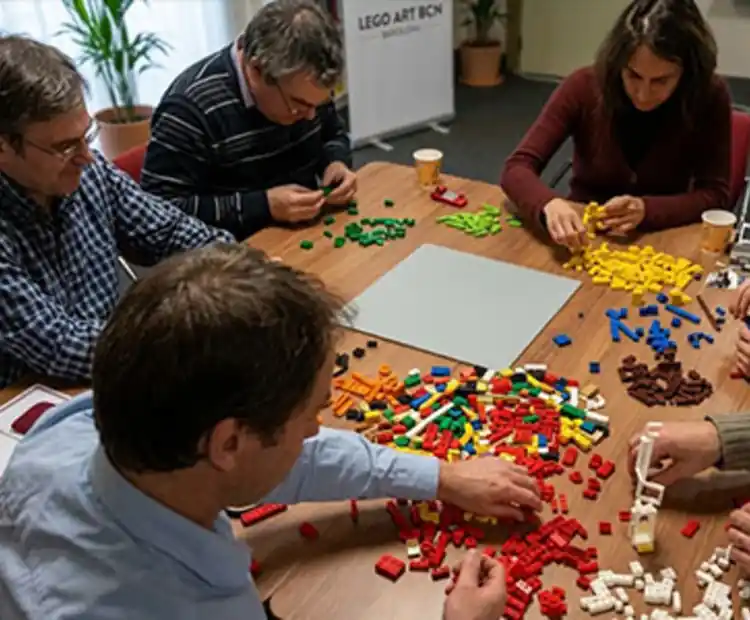
We design cooperation activities with no winners: collaborative murals, charity builds, corporate batucada, human towers and collective projects where the result only exists if everyone takes part.
Not every team needs the same thing. In workforces already under strain, in organisations coming out of a restructure, or in groups with open conflicts, competition can be exactly the opposite of what is required. In those cases an activity where the result only appears through collaboration and where there is nobody to beat works far better.
The structure of these activities is always the same: a common objective, impossible to reach individually, with a piece assigned to each person or subgroup. A large mural where everyone paints a fragment and the complete image only appears when you step back. A set of bicycles assembled in parts and donated at the end. A batucada where each section carries a different rhythm and the piece only works if everyone comes in on time.
The effect is very different from competition. There is no adrenaline or tension, but there is a strong final moment when the result appears all at once and the group sees what it has collectively made. That moment is what people remember, and it is what justifies the format against flashier alternatives.
They work especially well when the result has genuine use. Bicycles donated to a charity, a mural hung in the office, instruments given to a school. That changes the perception of the activity: it stops being a corporate exercise and becomes something people talk about outside work.
In strained groups or after a restructure, competing can backfire. Here the only possible result is collective, and that changes the dynamic completely.
The design assigns a part to each person or subgroup, so the result does not exist if anyone drops out. Nobody can stand and watch without it showing.
Bicycles donated, a mural hung in the office, instruments given away. When the result serves a purpose, the activity gets talked about outside work.
What will be built or created, based on group size, time and available space.
We assign parts by subgroup so each has a concrete responsibility within the whole.
We bring everything needed, with spares, and prepare the final reveal moment.
Facilitators accompanying each subgroup and a debrief at the end with the complete result on display.
Every cooperative activity turns on a single instant: when the group sees the complete result for the first time. Until then each person has worked their fragment without perspective, and the whole image only appears at the end. That contrast is what produces the effect, which is why we design around it so carefully.
It implies concrete decisions: nobody sees the whole before time, the final assembly is quick and with the full group present, and there is a marked moment for the discovery. They are staging details that cost nothing and without which the activity stays a pleasant workshop rather than something people remember.
That is exactly where it works best. With no competition there is no excuse for confrontation, and the only way to finish is by collaborating. It will not resolve a deep conflict, but it breaks the dynamic for a few hours and that already helps.
No. Murals and creative projects are designed so anyone can do their part without experience. The template used means the result looks right regardless of individual ability.
It depends on the project. Murals usually stay in the office, bicycles go to an organisation we agree with you, and smaller projects go home with each participant. We decide beforehand.
Yes, and it is a formula that works: a competitive first part to break the ice and a cooperative second to close. It leaves a better taste than finishing with a classification and a set of losers.
Two to three hours depending on the project. Batucada and human towers need less; a large mural or a piece-by-piece build need the full stretch to reach the final moment.