An obvious rule from the aisle
Hit, aim, spin, run or throw. If the objective is not clear within two seconds from three metres away, the visitor has already walked past.



Trade Fairs, Congresses & Conferences
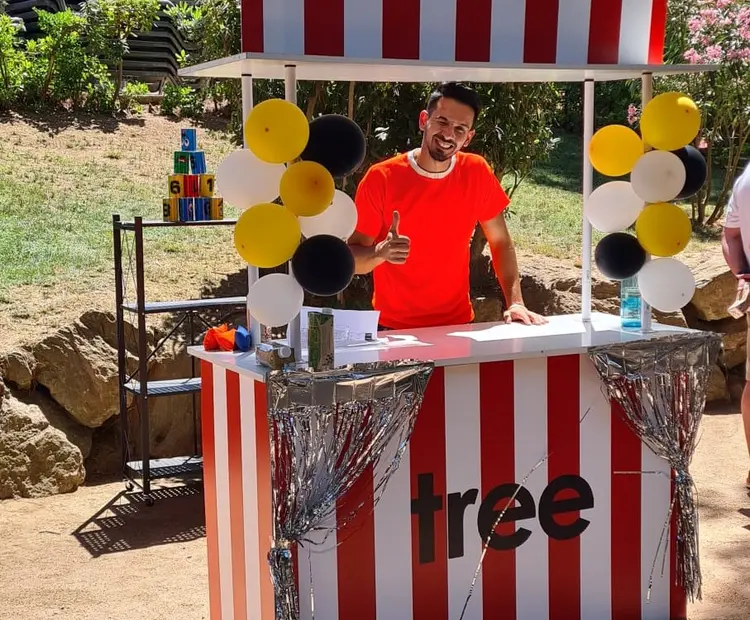
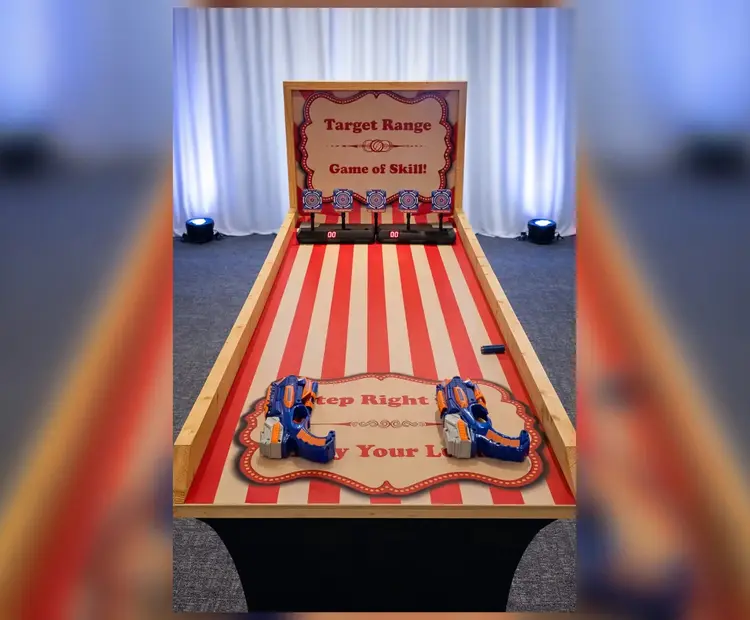
Trade fair games are quick, easy-to-understand games set up on a stand so that visitors come over, take part and get to know the exhibiting company.
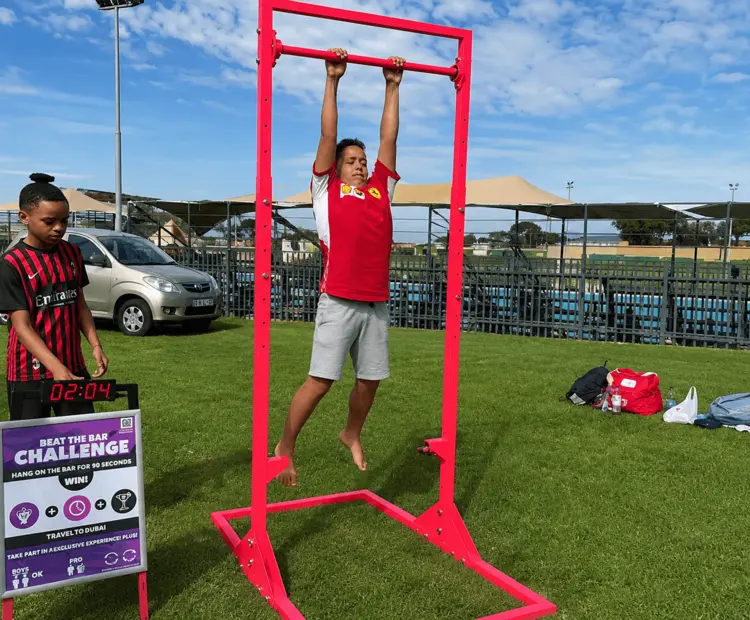
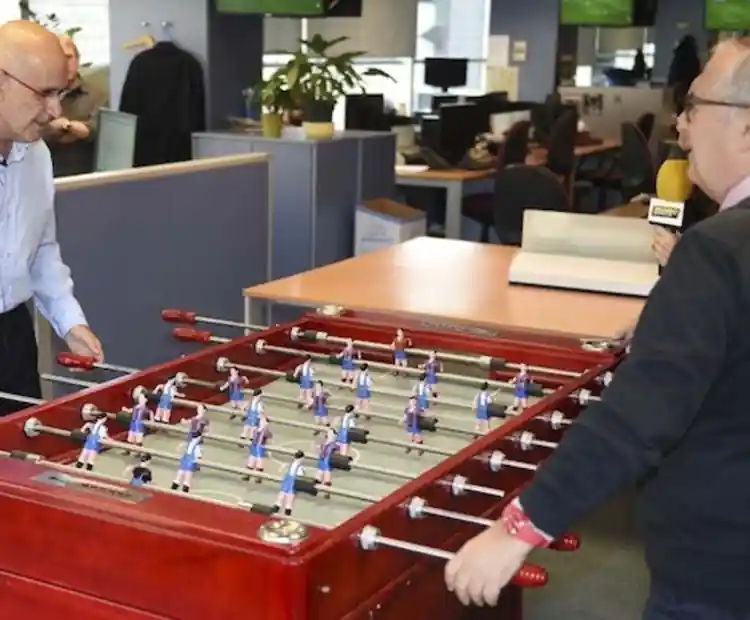
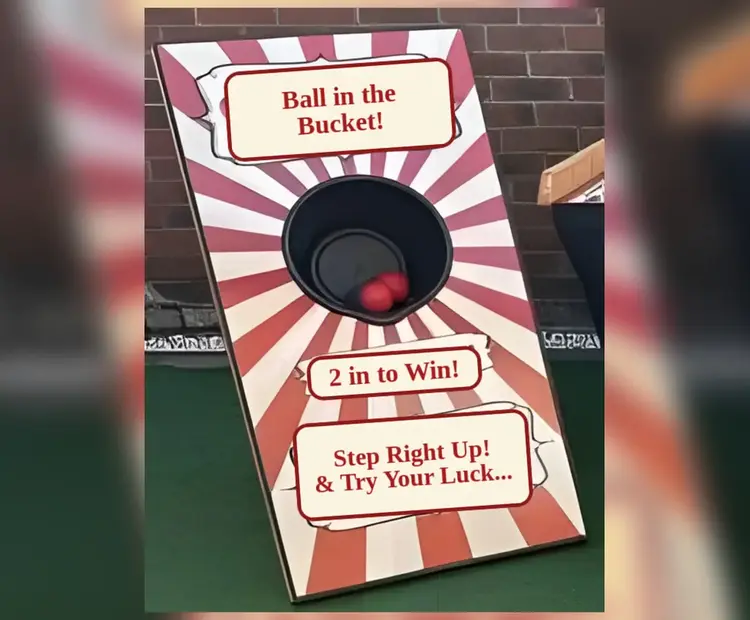
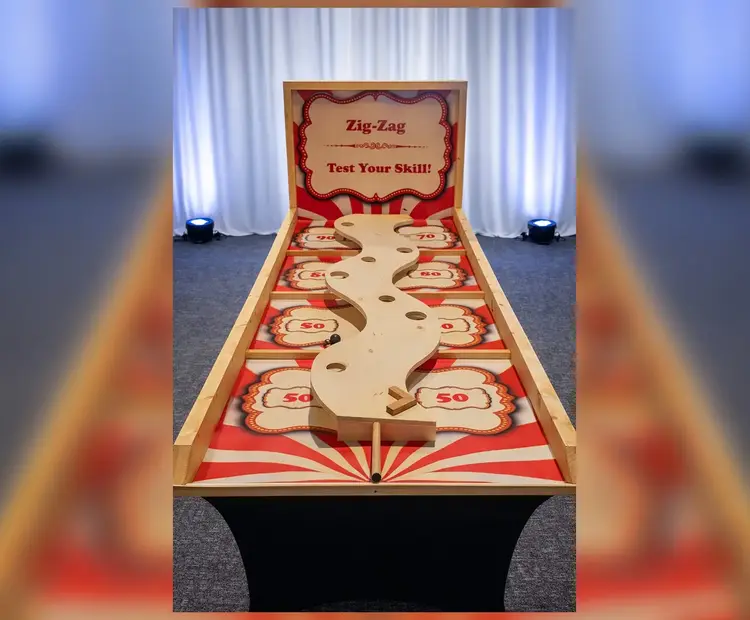
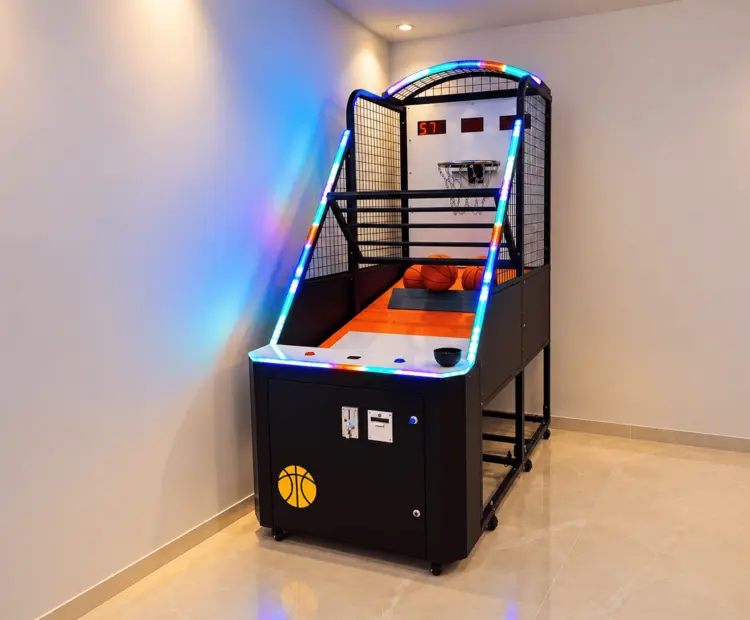
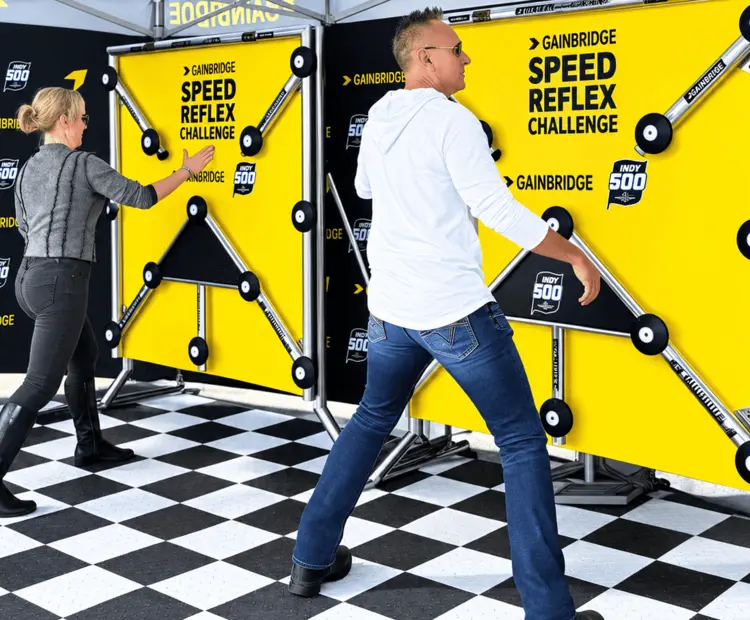
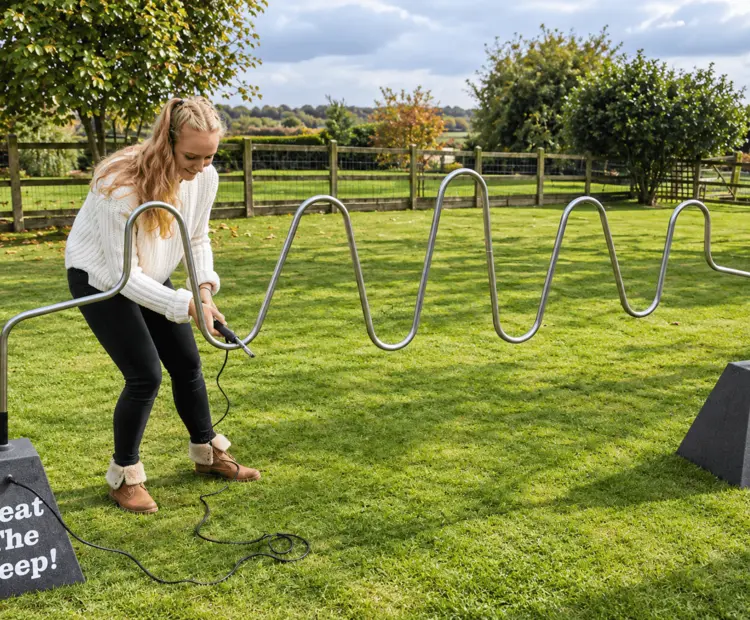
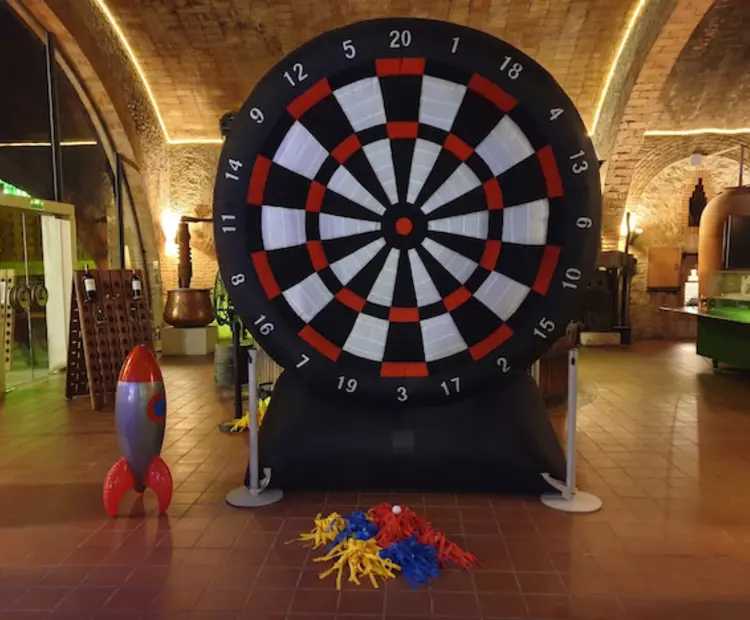
Fairground games, arcades and skill challenges understood from the aisle and finished in under a minute.
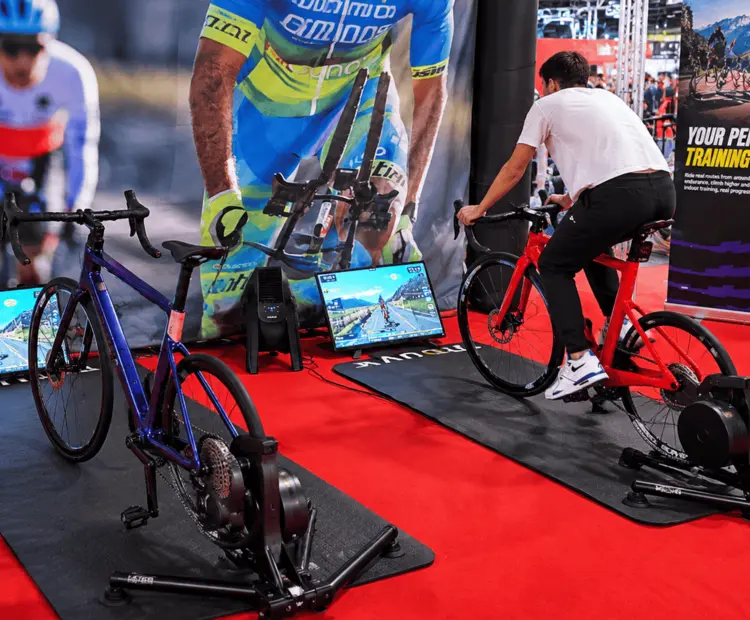
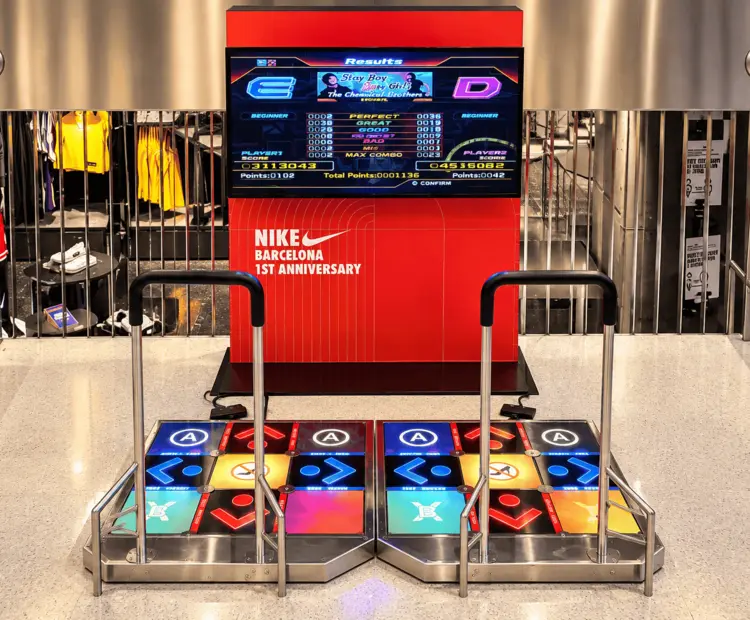
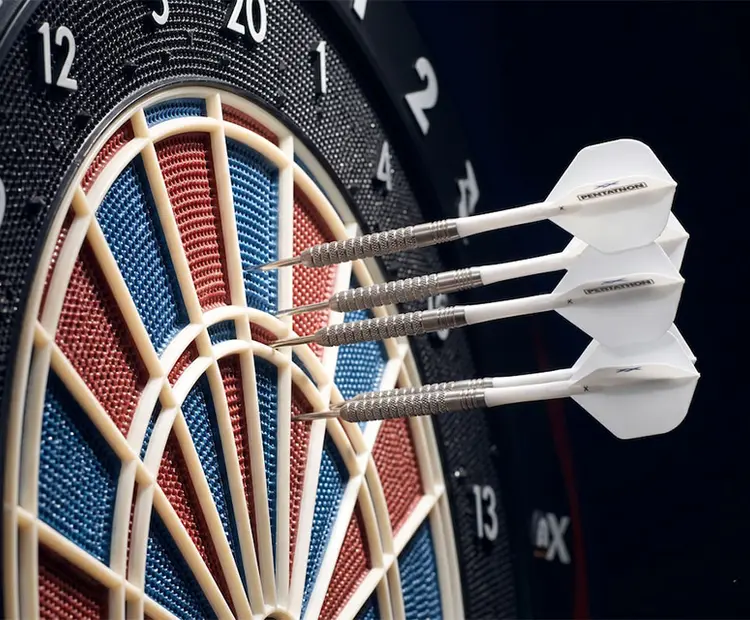
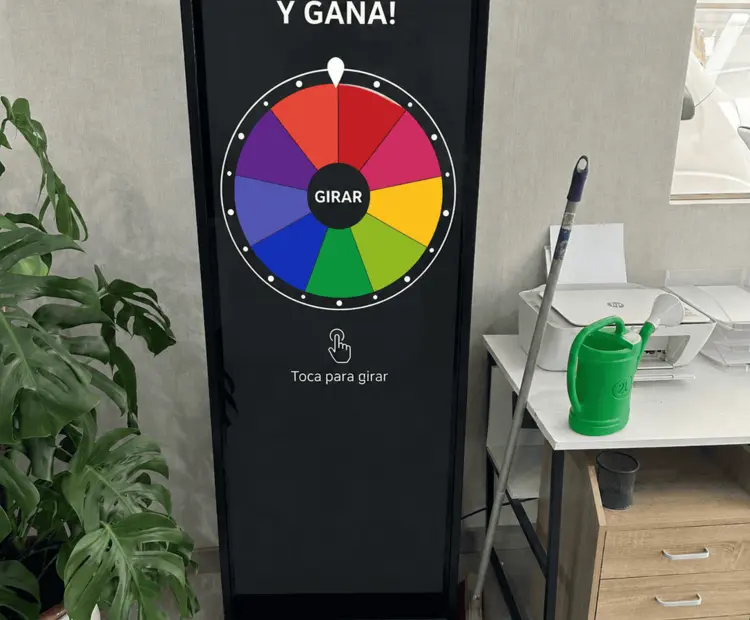
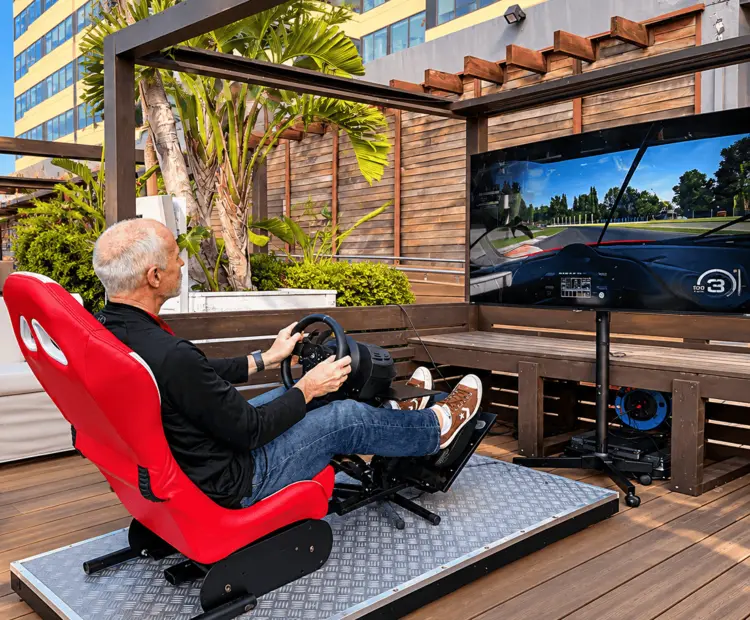
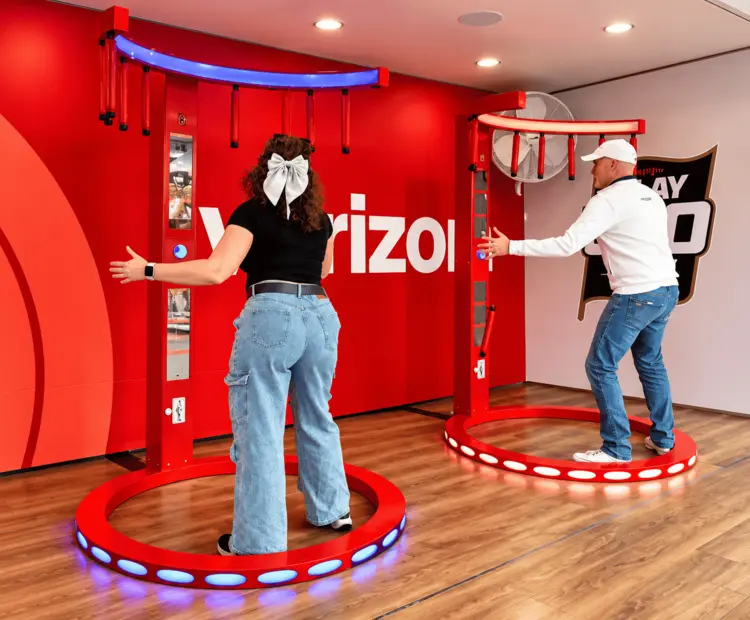
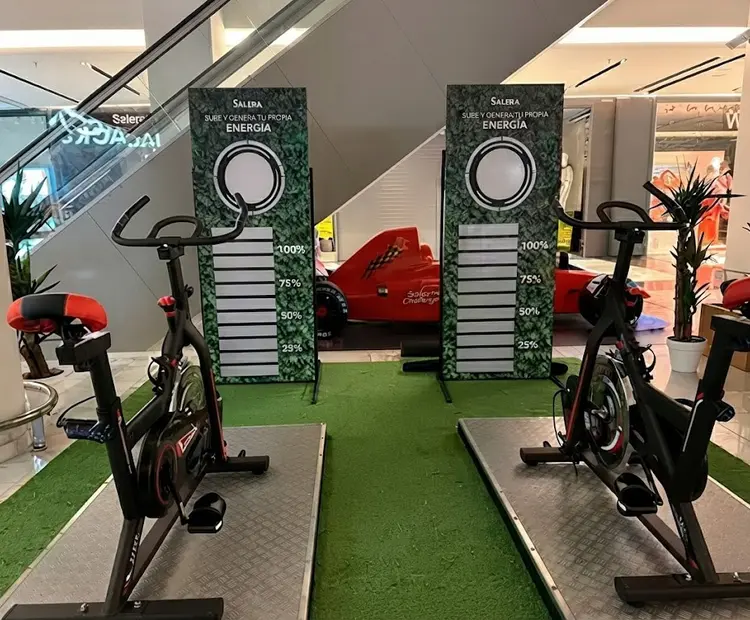
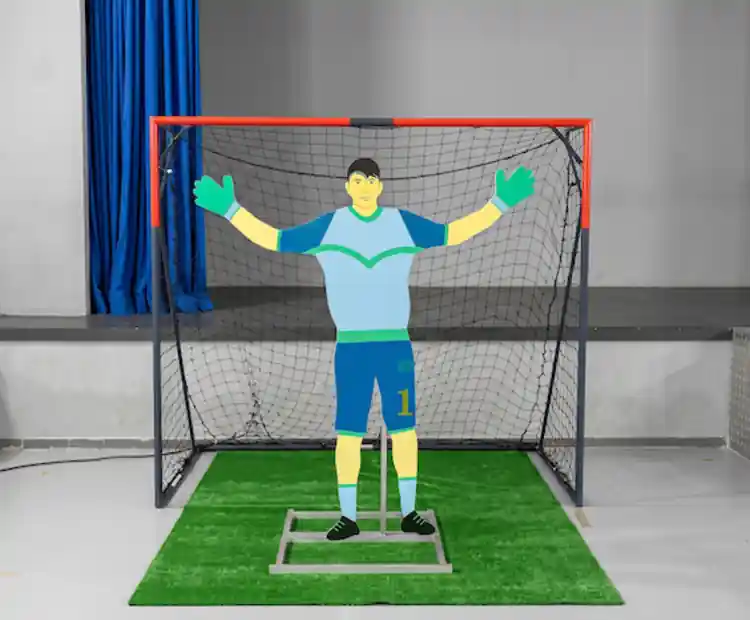
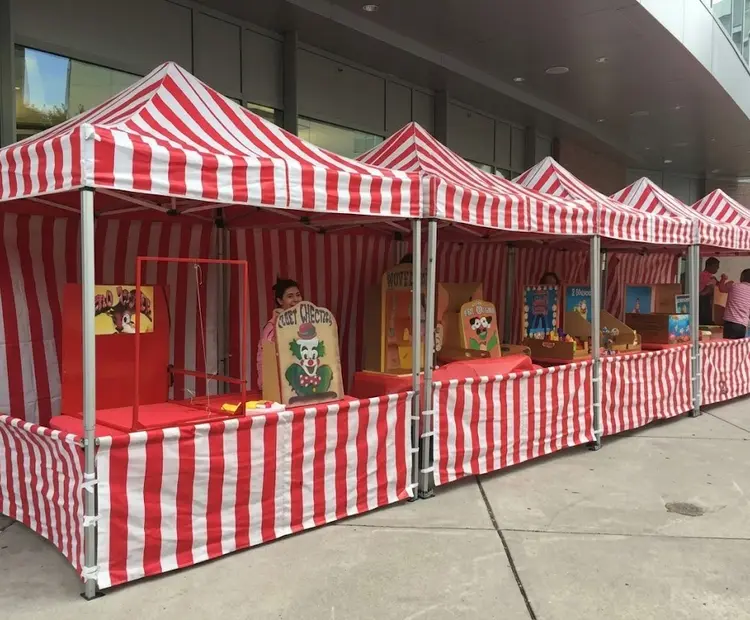
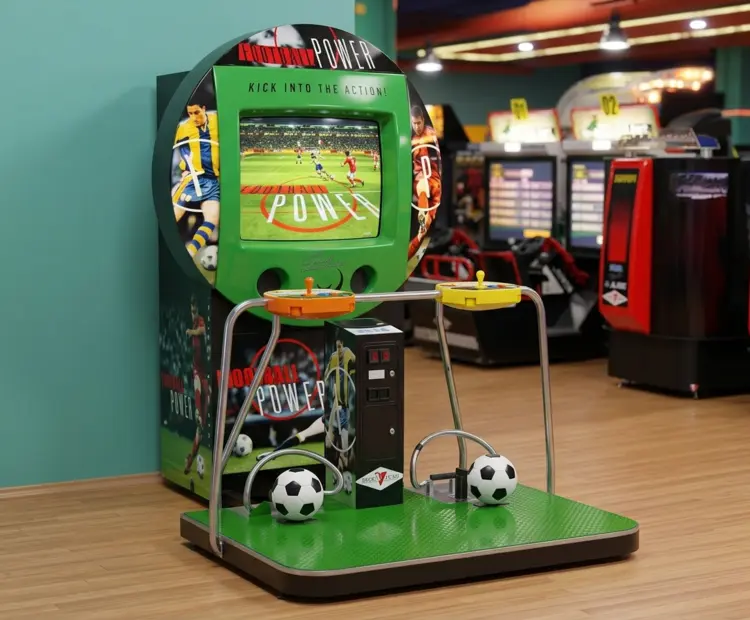
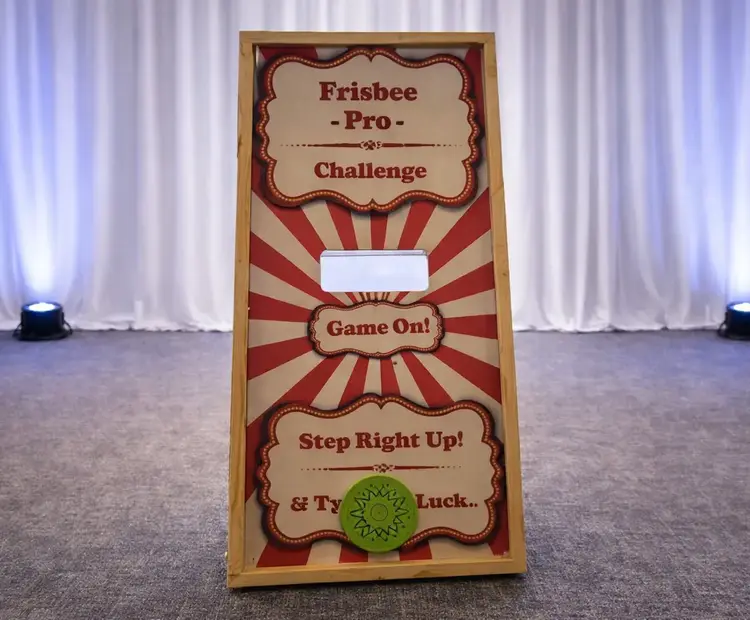
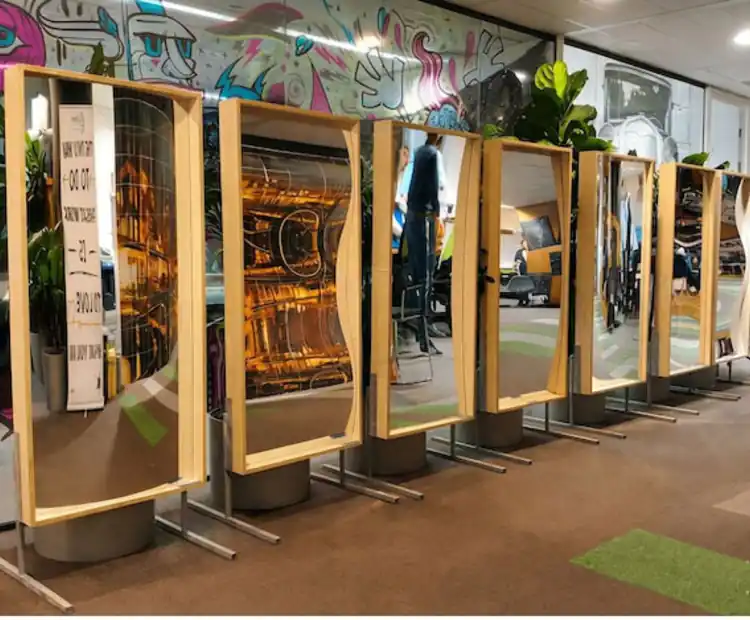
We hire out and install games for trade fairs: arcades, skill challenges, simulators, prize wheels and digital games, selected by what fits your square metres and how many people they move per hour.
A game on a fair stand works under demanding conditions. The visitor is walking, does not stop by default, and decides within two or three seconds whether they are interested. That rules out anything needing prior explanation and favours games with an obvious rule: hit, aim, spin, run, throw. The more obvious the objective is from a distance, the more people come over.
The second criterion is time. A three-minute game seems reasonable until five people are waiting and the queue starts to dissolve. At fairs, thirty to sixty second challenges work better, moving a lot of people and creating the sense that the queue is advancing. If you want to hold a specific profile longer, do it with the conversation afterwards, not by lengthening the game.
The third is square metres. A fair charges per square metre, so a game taking three metres of your stand carries an implicit cost that sometimes exceeds the hire price. So we work with real dimension sheets, including the space the player needs, and propose only what fits without blocking the walkway or eating the meeting area.
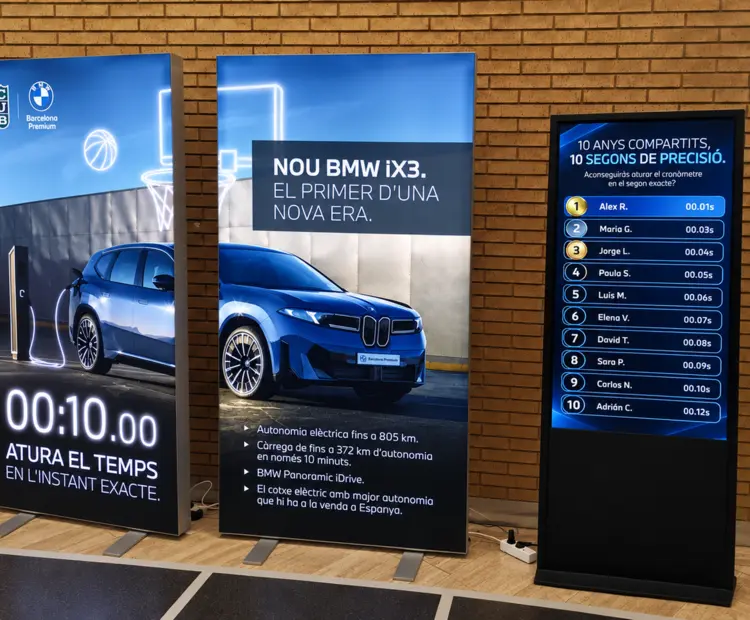
And finally, the scoreboard. A game with visible scoring turns the activity into a fair-wide competition, makes people come back the next day to beat their record, and justifies asking for a contact for the final prize. It is the element that turns entertainment into a capture mechanic.
Hit, aim, spin, run or throw. If the objective is not clear within two seconds from three metres away, the visitor has already walked past.
Thirty to sixty seconds per turn. A long game seems reasonable until five people are waiting and the queue dissolves on its own.
We give you width, depth and player space before booking, because at a fair every square metre carries a cost that sometimes exceeds the hire price.
Not the stand total, but what is left once counter, product and meeting area are in place.
What fits, how many people it moves per hour, how long a play lasts and how it scores.
Branding in your identity where applicable, and equipment documentation for the venue.
Build in the allocated window, staff through fair hours and a daily count of plays.
One mechanic works very well and is used rarely: announcing a prize for the best score across the entire fair, not each day. It requires leaving a contact so the winner can be notified, gives a reason to come back to the stand on day two and three, and turns the scoreboard into a conversation the visitor starts themselves.
It also creates a close. On the last day, at an announced hour, the prize is presented in front of whoever is there, which concentrates people on the stand precisely in the slot when halls are usually emptiest. It is a cheap device that makes better use of the investment you have already made in being there.
From little over a square metre to six or seven. We always give the measurement with player space included, because the unit itself may be small and still need two clear metres in front to be usable.
It depends on the game. Mechanical ones need none; digital ones and simulators need a standard socket. We send the technical sheet with consumption so you can arrange it with the venue without surprises on build day.
Most can: vinyls, screens and prizes. We need the artwork a few days ahead. On digital games, screen personalisation is fast and does not depend on physical printing.
Yes, that is the norm. The detail is requested to enter the ranking or to qualify for the fair's final prize, on a tablet or on the game screen. We hand over the records at the end.
We provide staff if you need them, and we recommend it: someone explaining in ten seconds and managing turns doubles the plays against an unattended game. We can also brief your own team if you prefer to run it.