
A whole sport in three metres
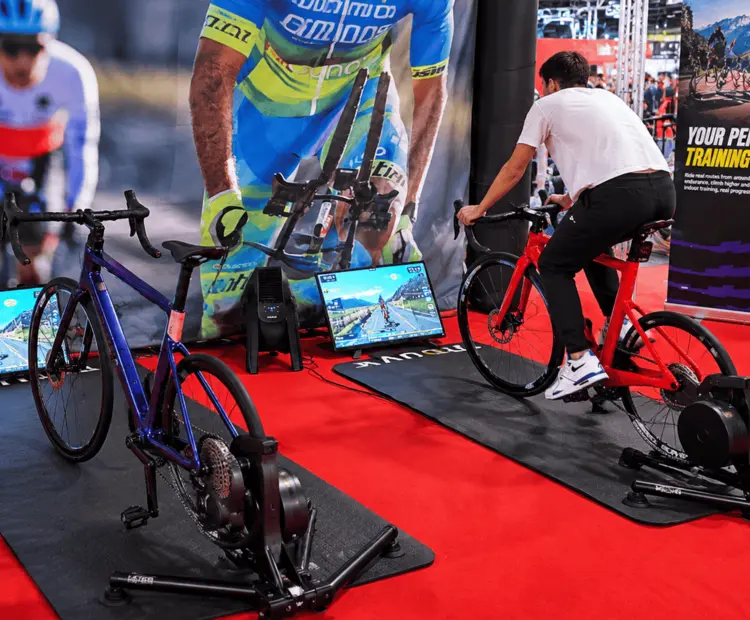
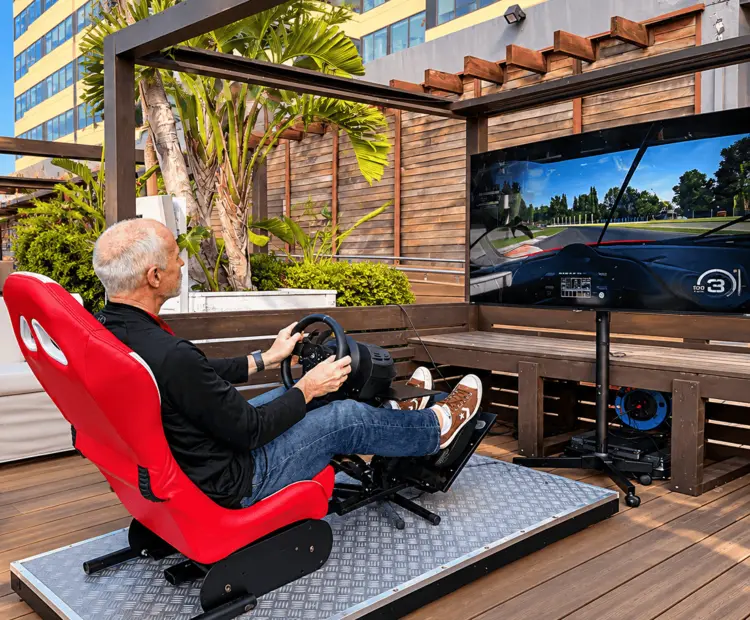
A racing motorcycle or a ski slope does not fit in a square, but the sensation of riding or descending fits on a platform with a screen.


Sports Events
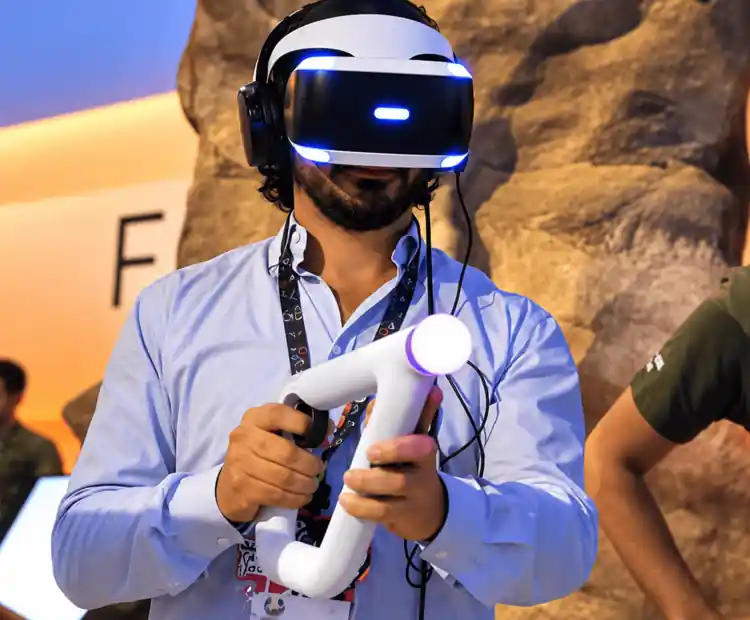
A sports simulator is a machine that recreates a sport using a screen, seat or moving platform, so people can try it without a track or prior experience.
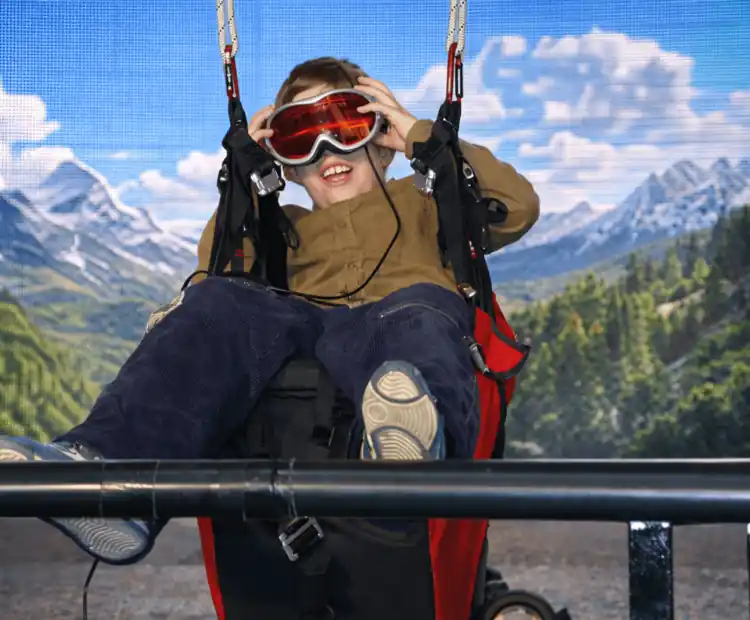
Driving, motorcycle, ski, surf and shooting simulators: the real sensation without the risk or the installation.
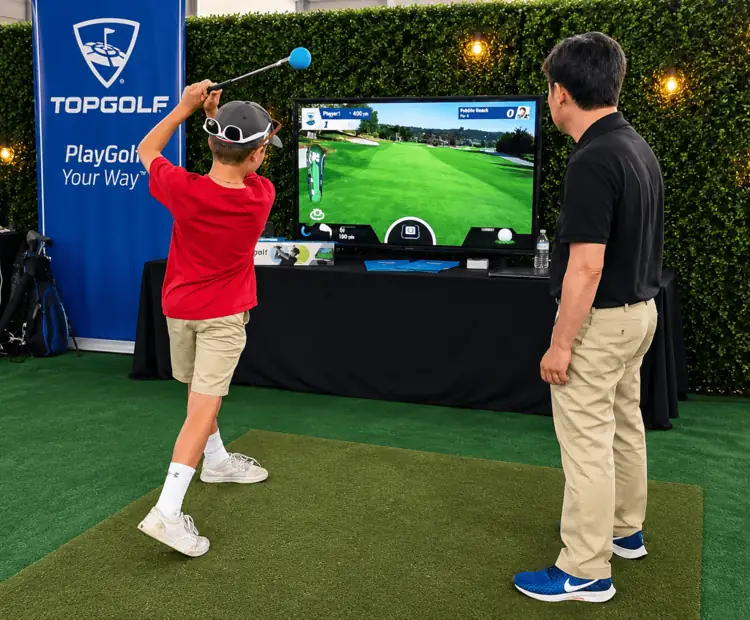
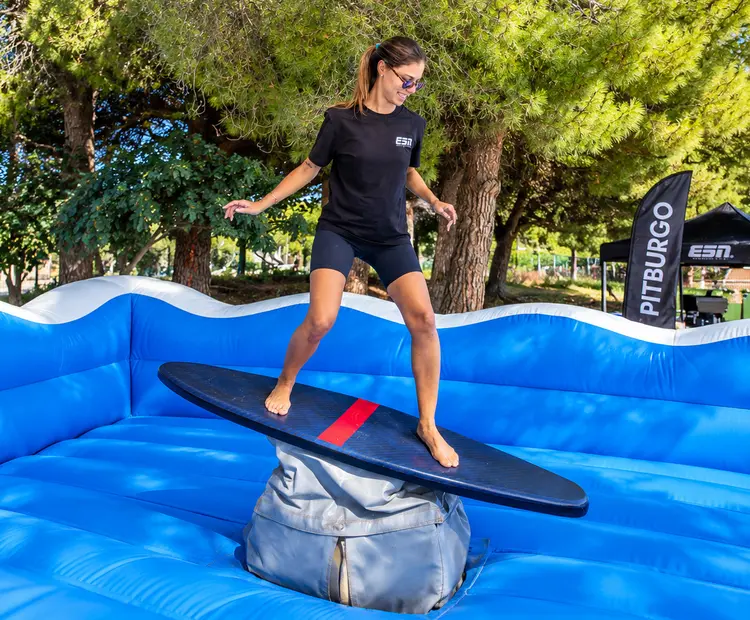
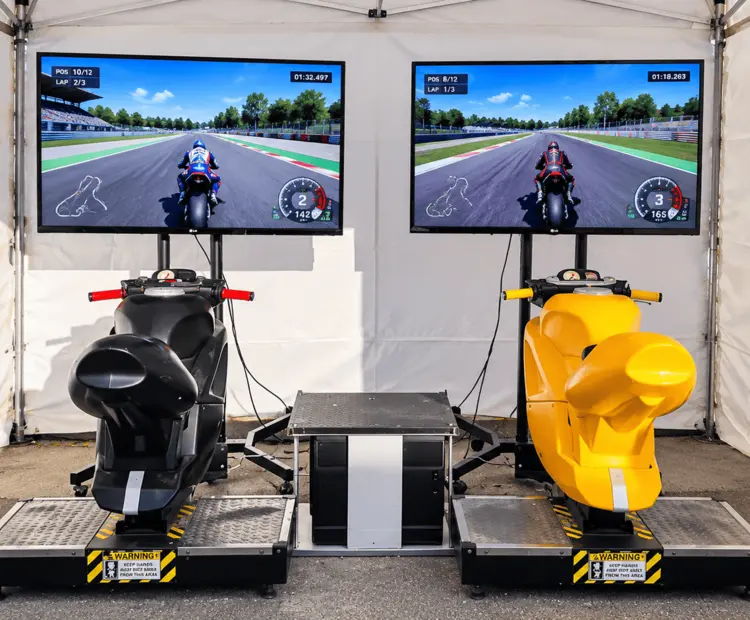
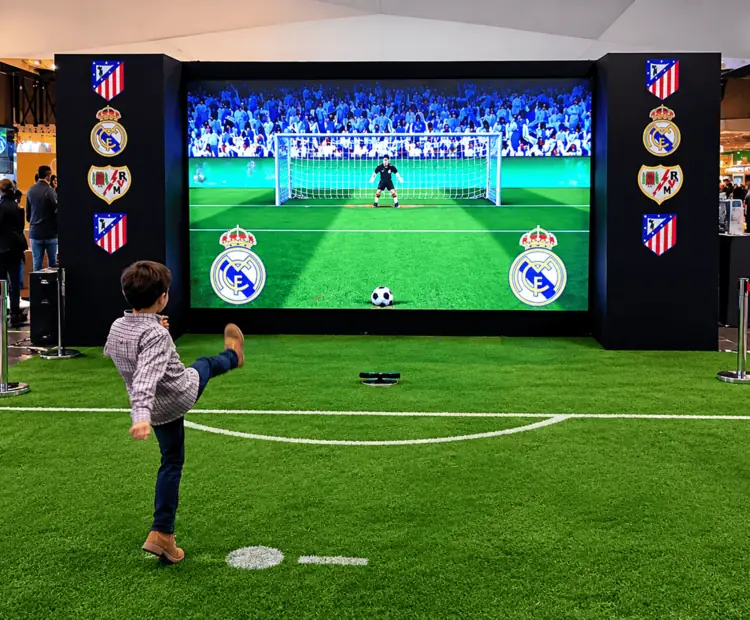
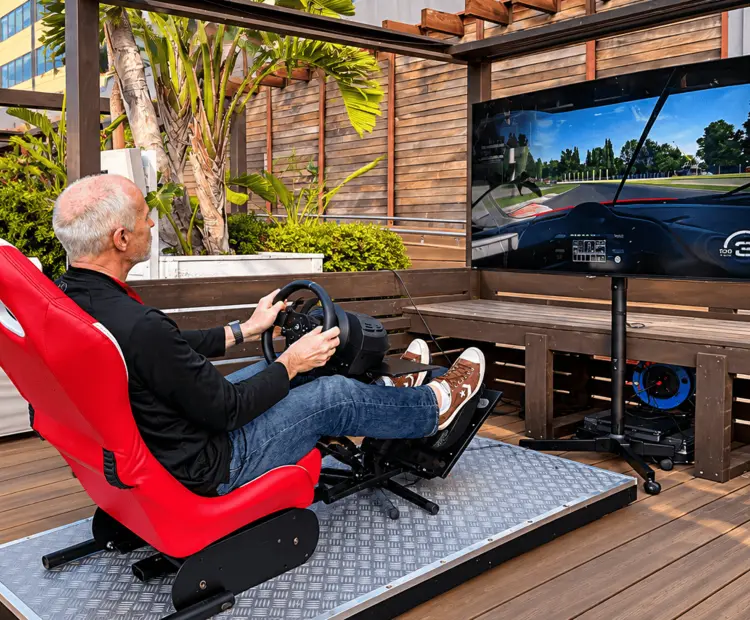
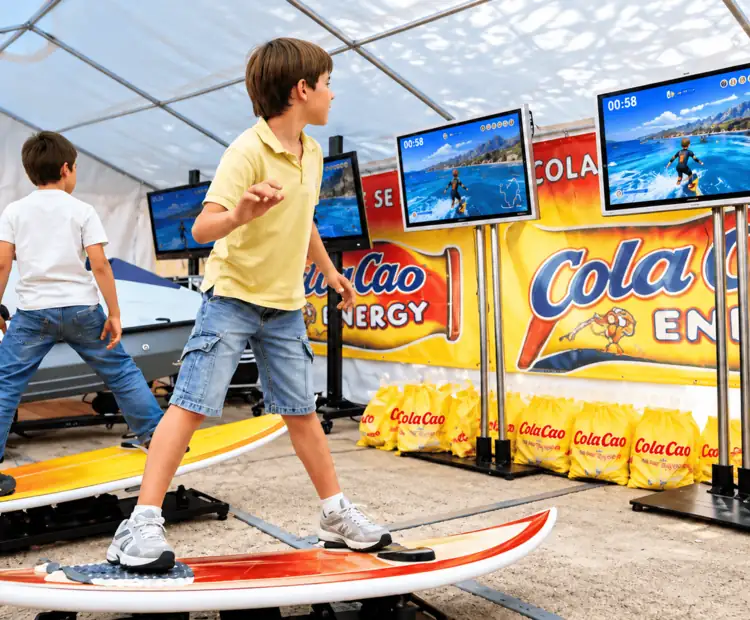
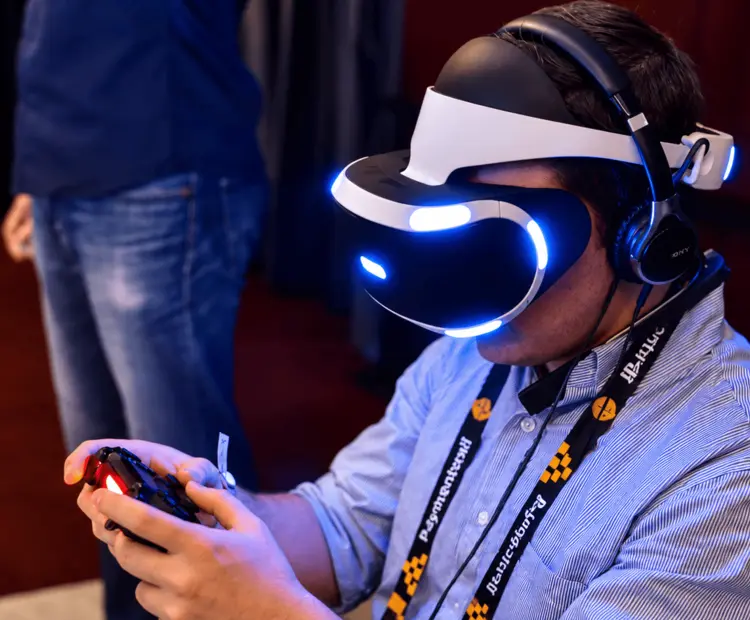
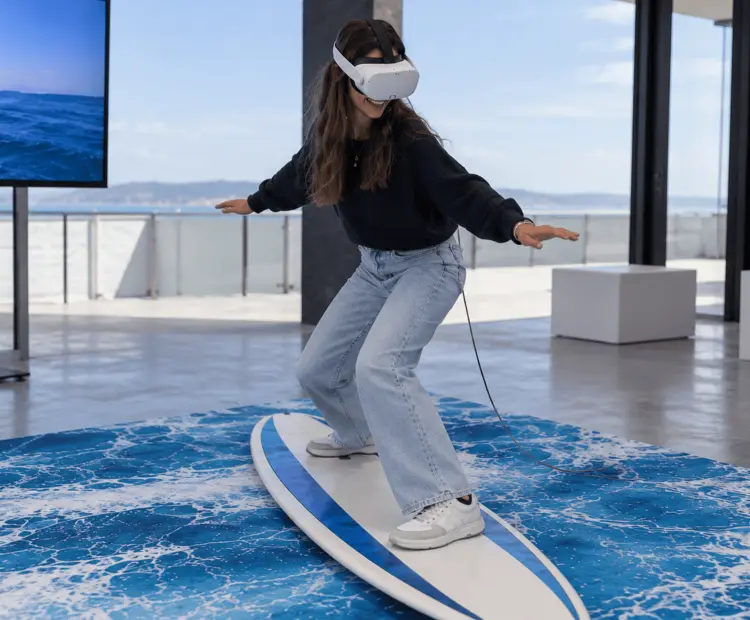
We hire out sports simulators for events: driving, MotoGP, skiing, snowboarding, surfing, penalties and virtual shooting, with screen, scoreboard, ranking and monitor included.
A simulator solves a problem that is otherwise unsolvable: bringing the sensation of a sport somewhere that sport does not fit. A racing motorcycle, a ski slope or a wave cannot be built in a village square or a hotel lobby, and yet the experience of riding, descending or surfing can be reproduced in three square metres with a screen and a platform.
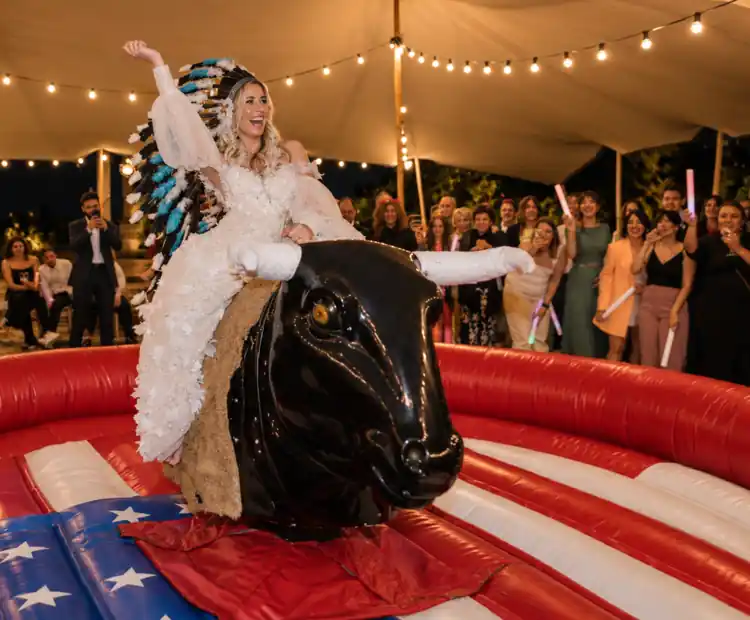
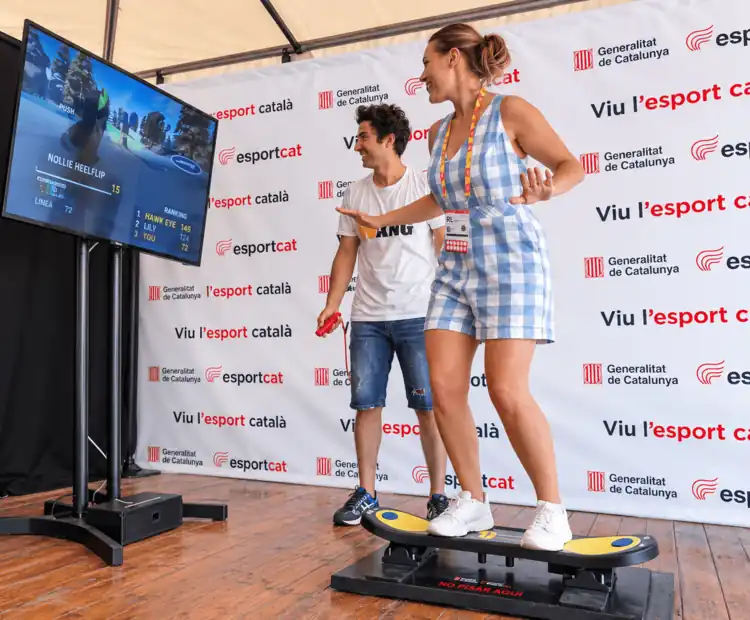
The appeal is dual, as with rides. Whoever is riding lives the experience, and whoever waits watches it on the screen, which shows exactly what the participant is seeing. That creates an audience and turns the queue into part of the spectacle, something very few activities achieve in such a small footprint.
The scoreboard is what makes them competitive. A lap time, a distance, a number of hits. With a daily ranking you get the same effect as with skill games: people repeat to improve, compare with colleagues and come back the next day if the event runs longer than one.
Operationally they are straightforward: a standard socket, a flat surface and a monitor to position the participant, explain in ten seconds and manage the turn. That monitor matters more than it seems: an unattended simulator takes twice as long per participant, gets used badly and gives a worse impression than what it actually offers.
A racing motorcycle or a ski slope does not fit in a square, but the sensation of riding or descending fits on a platform with a screen.
The screen shows what the participant sees, so the queue is entertained watching. Few activities manage that in so little space.
Lap time, distance or hits. A daily ranking makes people repeat, compare and return if the event runs more than a day.
Based on the audience, the event context and available space, including clear height.
Surface, power supply, ambient light and space for the screen and the player.
Equipment livery and screen content in your identity, produced within days.
Fast build, a monitor managing turns and the ranking, and a participation count at close.
A simulator is an expensive piece relative to the people it serves. Thirty or forty participations an hour is well below what a skill game moves, so at events with high volume and little time it should not be the only element: it saturates immediately and leaves most people without a go.
Its natural place is as an attraction piece within a wider zone, accompanied by fast activities that absorb the queue. If the budget only stretches to one thing and a thousand people are expected across three hours, we almost always recommend something with higher rotation, even if less spectacular.
Thirty to fifty depending on the simulator and play length. With a monitor managing turns the figure rises considerably against leaving it unattended, which is the most common mistake.
A standard socket, a flat surface and enough space for the screen and the player. We send the sheet with exact dimensions and consumption before booking.
It depends on the model. Screens need shade or high brightness to be visible. Outdoors in sun we propose a covered location or models built for those conditions.
Yes: vinyls on the structure and, in many cases, screen content in your identity, colours and result screen. Digital branding produces within days.
Yes, and they support a ranking by day or for the whole event. That enables a final prize and a reason to ask for the participant's contact where the mechanic includes it.