
Content the visitor posts
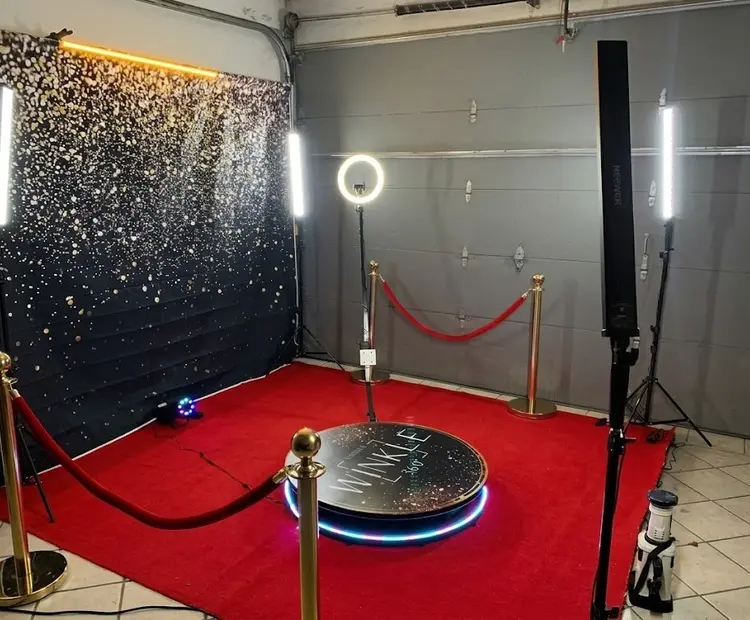
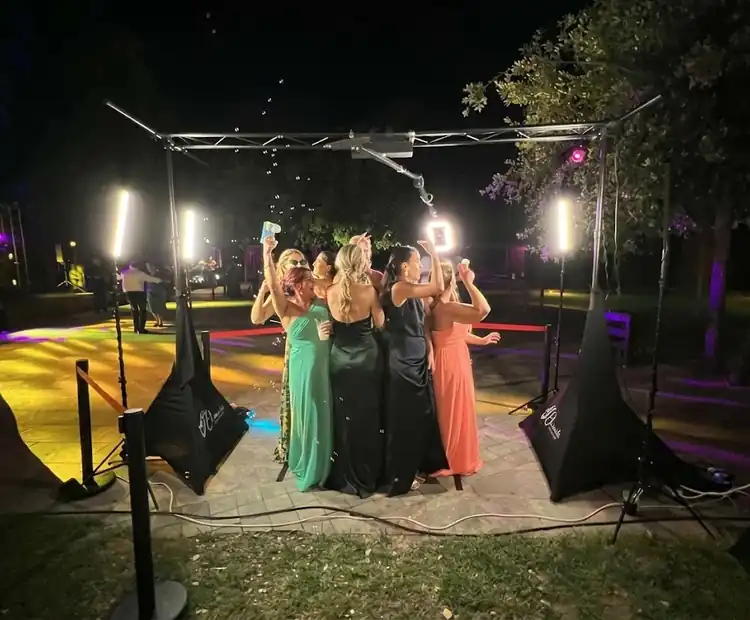
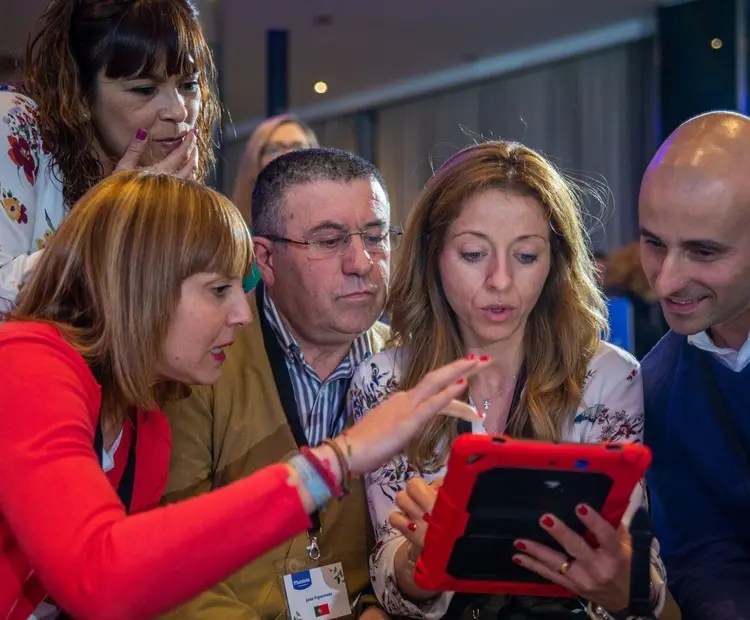
Photo booths, AI portraits and 360 video produce images people want to show. Every attendee becomes a distribution channel at no media cost.



Brand Activations
Digital experiences use technology such as virtual reality, augmented reality or touch screens so that the public can interact with a brand at an event or venue.
Virtual reality, AI photo booths and screen games for brands that want to leave content as well as a memory.
We build digital experiences for brands and events: virtual reality, AI photo booths, screen games, live rankings and content participants share of their own accord.
A physical activation ends when the visitor leaves. A digital one does not: the photo gets posted, the video gets shared, the score gets discussed. That extension is the main reason brands choose digital formats, and it is also what has to be designed carefully, because content only circulates if it is worth sharing.
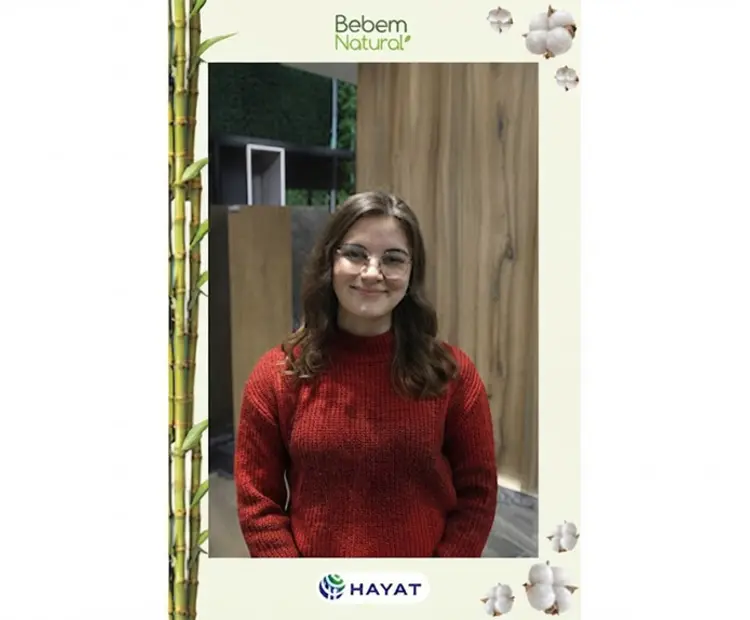
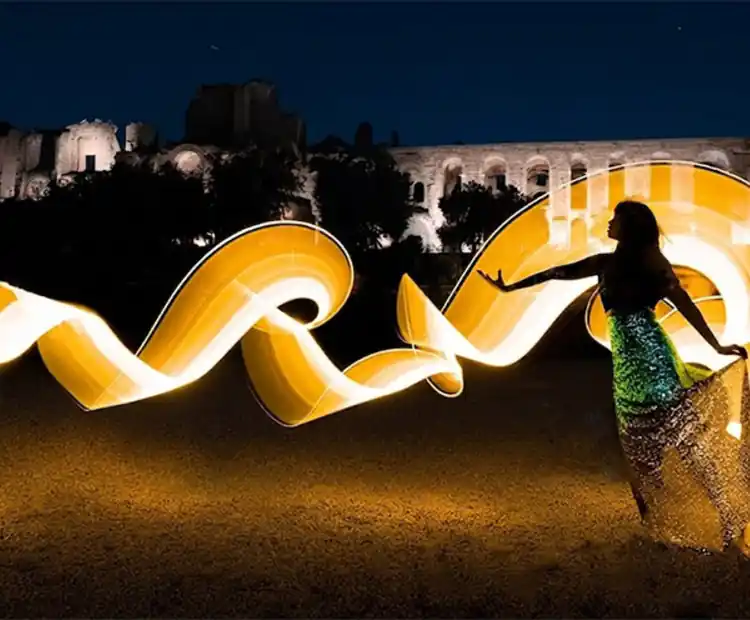
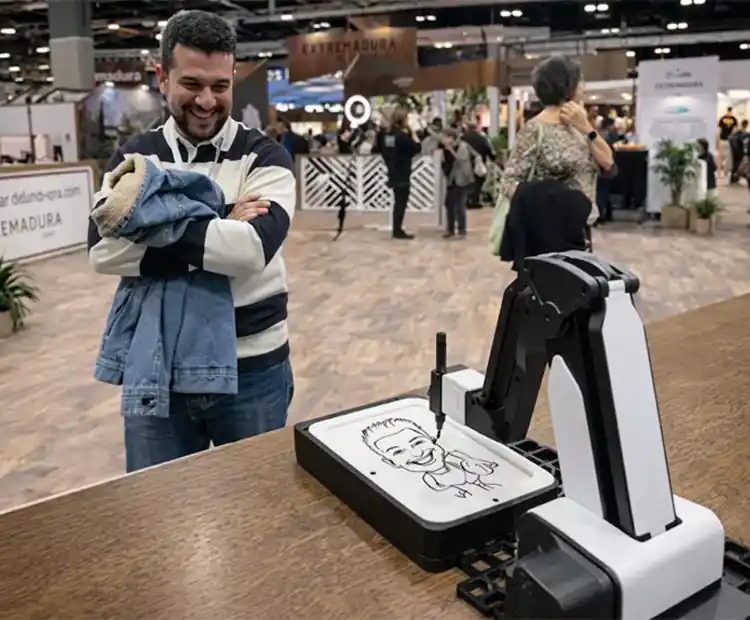
The photo booth is still the clearest case and it has evolved considerably. Current versions generate 360-degree video, AI-processed portraits, illustrations drawn by a robotic arm or personalised instant prints. They all share one thing: they produce an image the participant wants to show, which turns every attendee into a voluntary distribution channel.
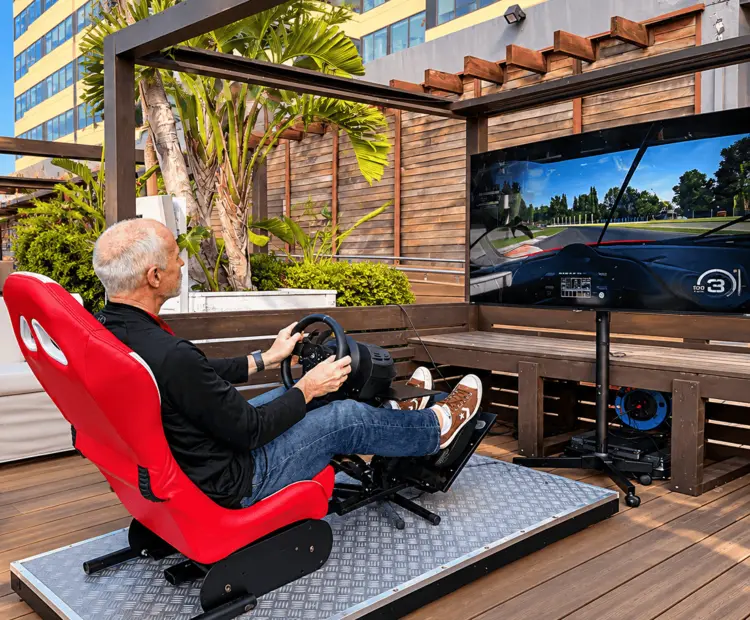
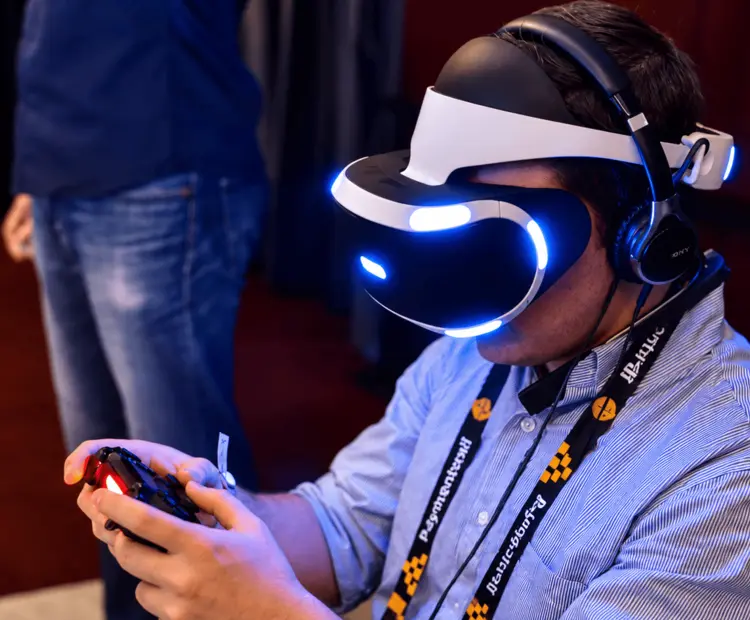
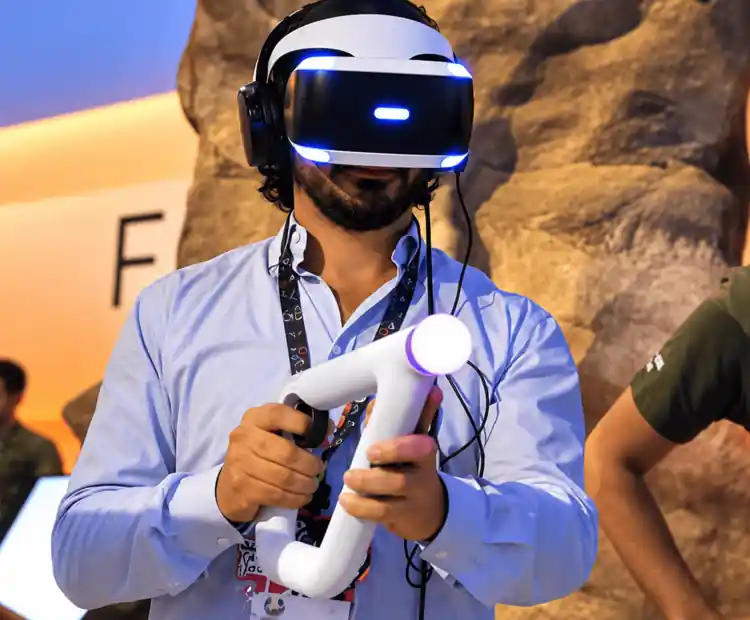
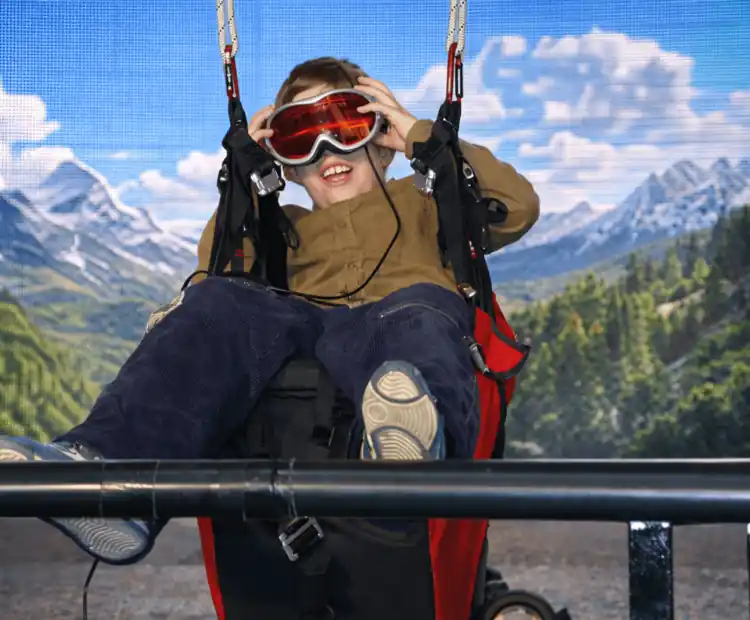
Virtual reality serves a different purpose. It generates less shareable content, but it produces the most intense memory of any format, because the visitor literally goes somewhere else for three minutes. It is especially useful when you have to explain something that cannot be shown physically: the inside of a product, an industrial process, a remote location.
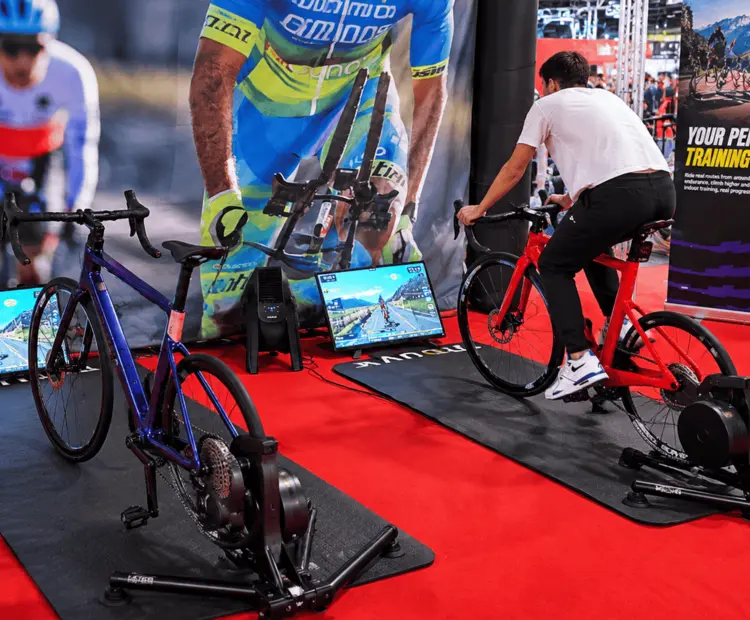
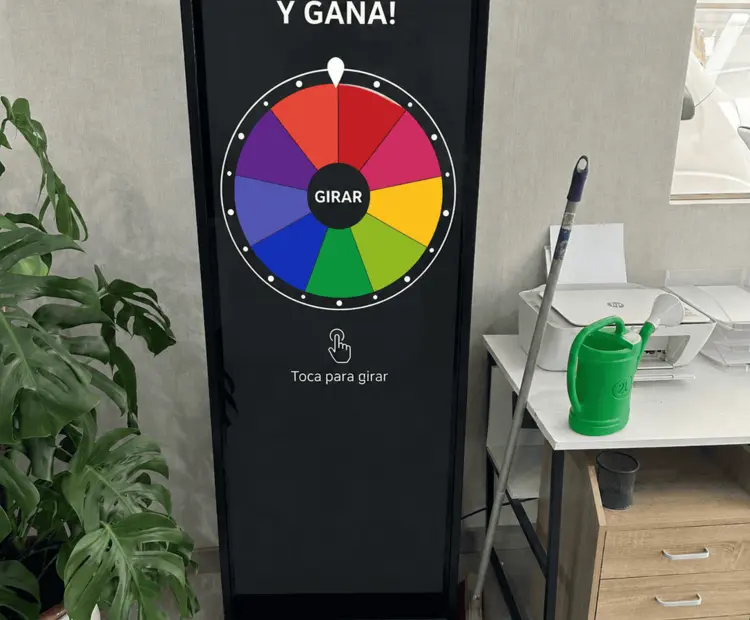
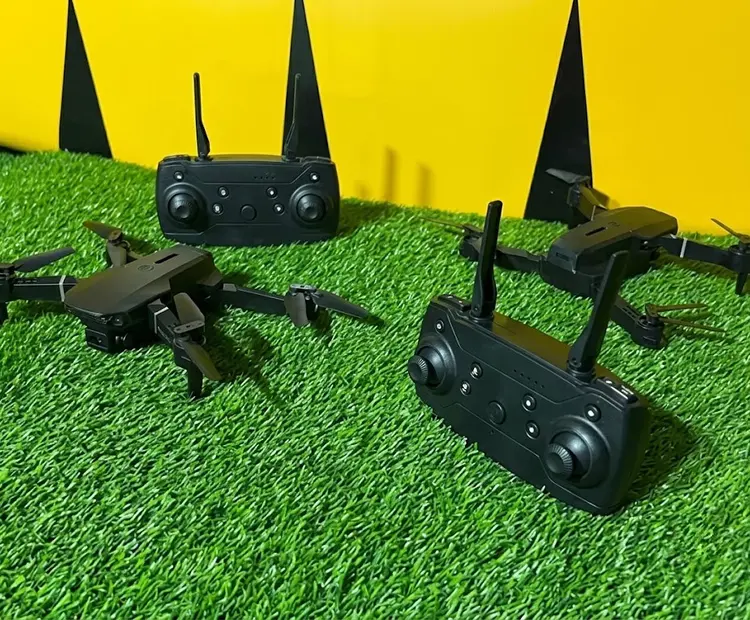
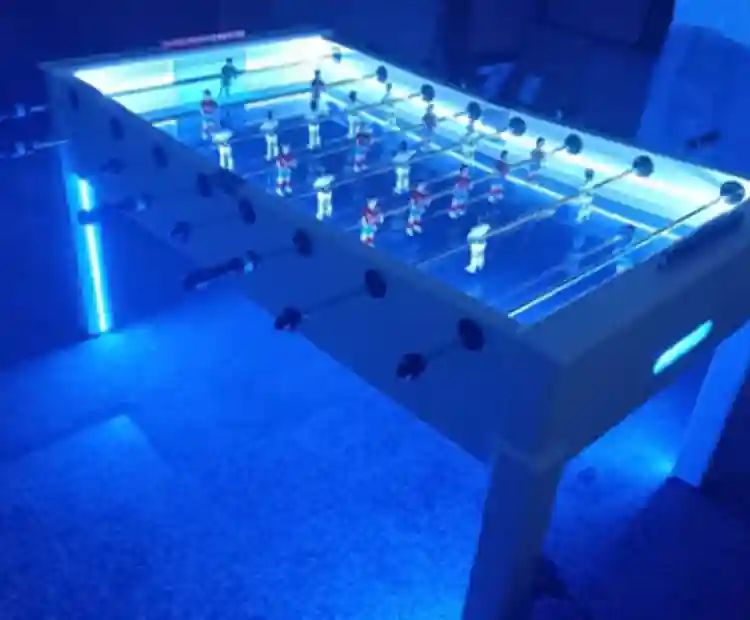
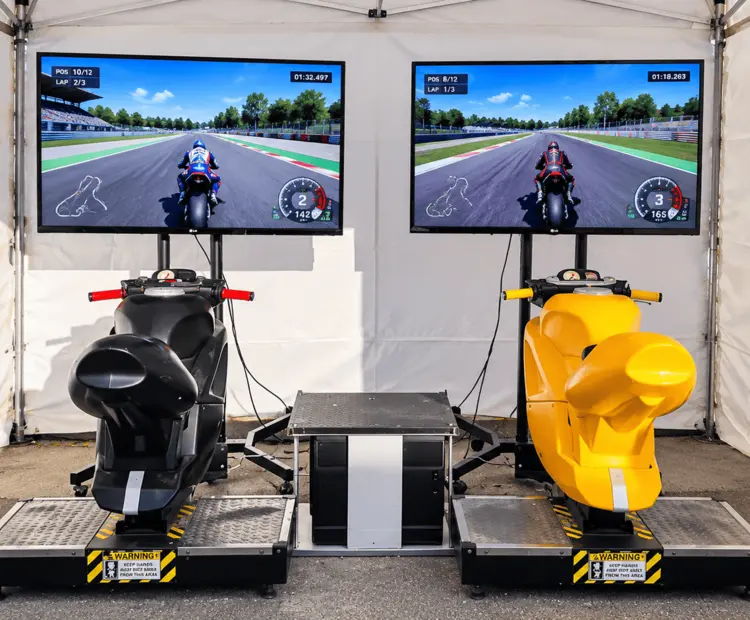
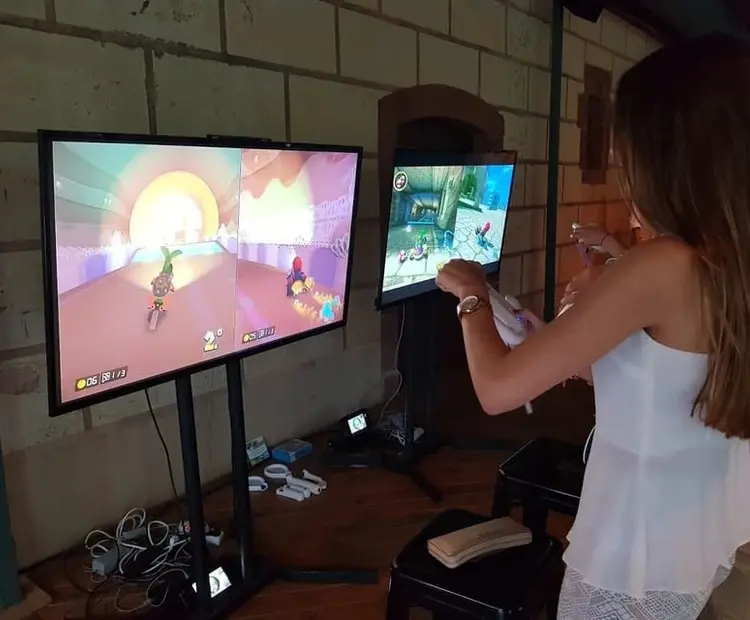
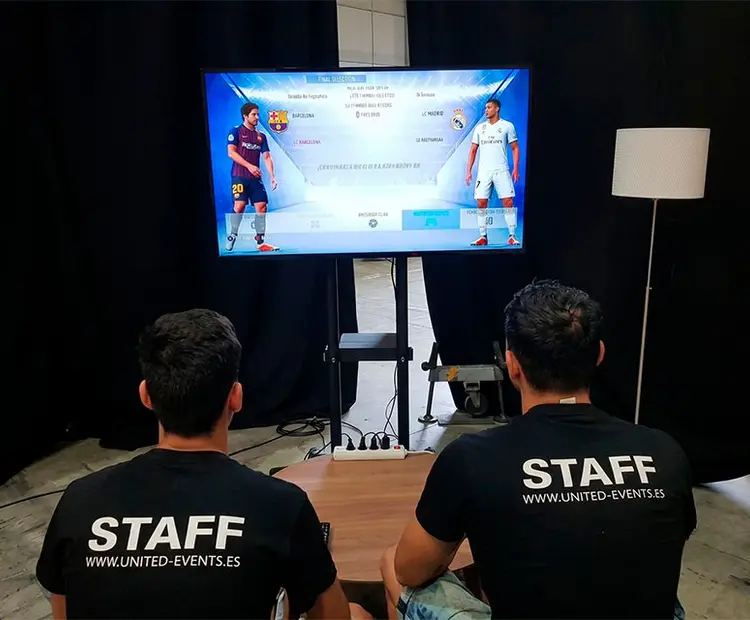
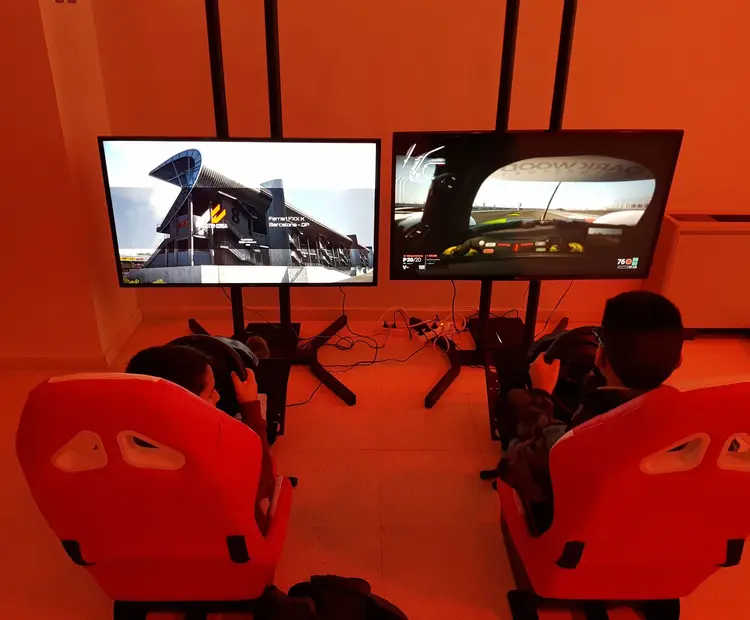
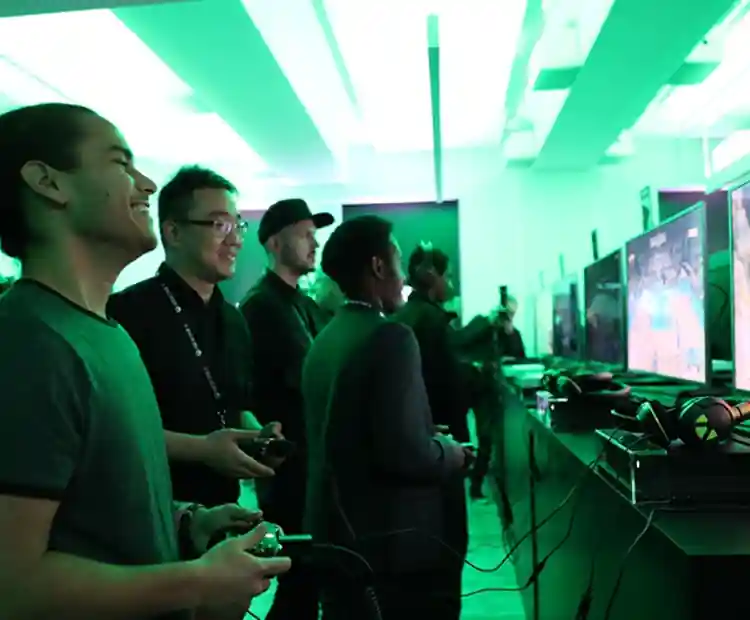
Screen games complete the set. Quizzes, scoring challenges, multiplayer competitions, cumulative rankings. They measure best, because they log every play, and they capture contacts best, because asking for a detail to enter the ranking feels reasonable rather than like a form.
Photo booths, AI portraits and 360 video produce images people want to show. Every attendee becomes a distribution channel at no media cost.
The inside of a product, an industrial process or a remote location. Three minutes of immersion explain what a flat screen cannot in ten.
Screen games log every play, and asking for a detail to appear in the ranking feels reasonable rather than like a form.
Shareable content, intense memory or data capture. Each leads to a different format.
How many people have to be served per hour and how many stations that requires.
Frames, filters, screens and, for virtual reality, the immersive content in your identity.
Delivery with staff and a technician, and handover of records, images and statistics at the end.
There is a fairly widespread misconception: that a digital activation runs itself. In practice the opposite happens. A photo booth without staff produces disorderly queues, people unsure where to stand and poor photos; with one person attending, the same equipment moves twice the participants and the visual result is far better.
The same applies to virtual reality, where someone has to fit the headset, explain in ten seconds what is about to happen and control the timing. Digital equipment produces the content, but staff decide how many people pass through it and how good what they take away turns out.
Yes. It can be delivered by email, QR code or a private online gallery for the event. Digital delivery usually outperforms printing, because content reaches the phone and gets posted without intermediate steps.
Twenty to thirty per hour, counting the experience, the changeover and headset hygiene. For large attendances we set up several stations in parallel with a managed queue.
Yes, completely: frames, filters, backgrounds, messages and result screens. In virtual reality, bespoke content needs more lead time, two to four weeks depending on complexity.
Participations, time slots, scores and, where the mechanic includes capture, contacts with consent information. We deliver in whatever format your CRM uses.
Standard power in almost every case. Internet only if you want immediate content delivery or real-time publishing; where venue wifi is unreliable, we bring our own connectivity.