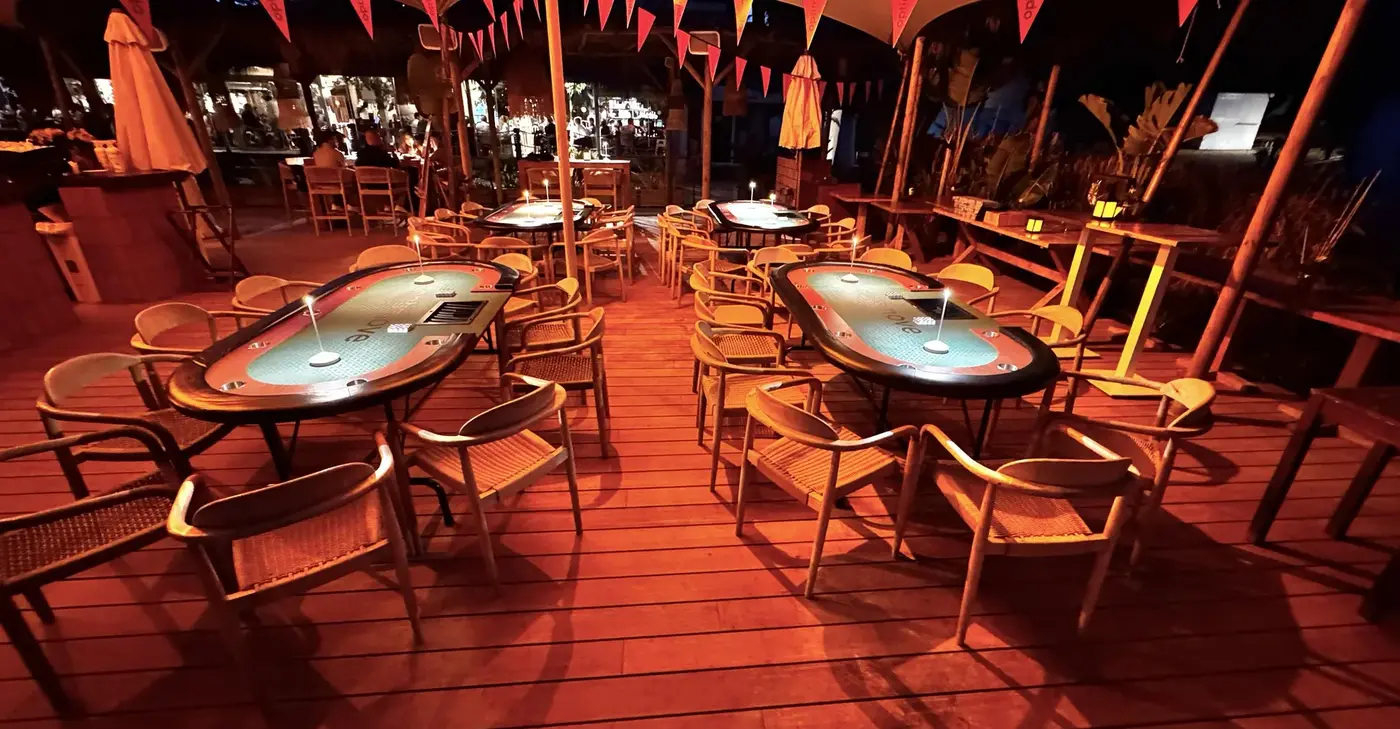
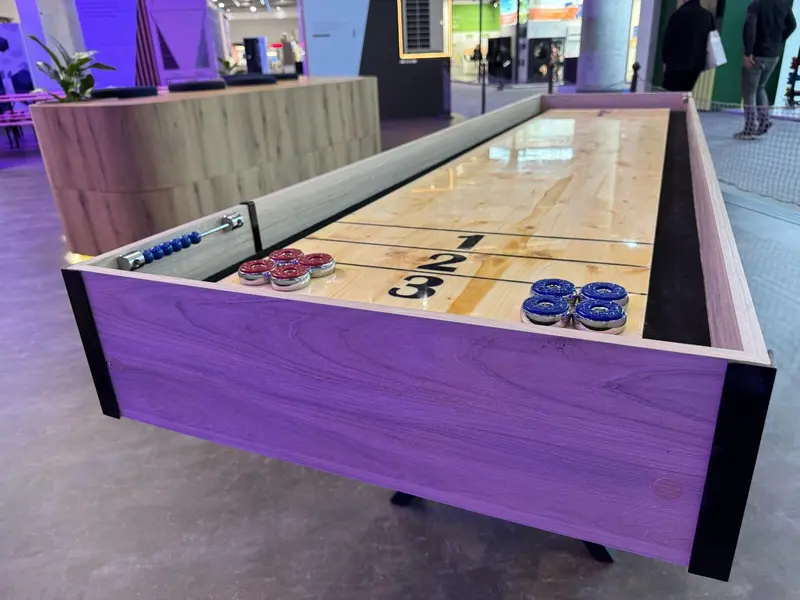
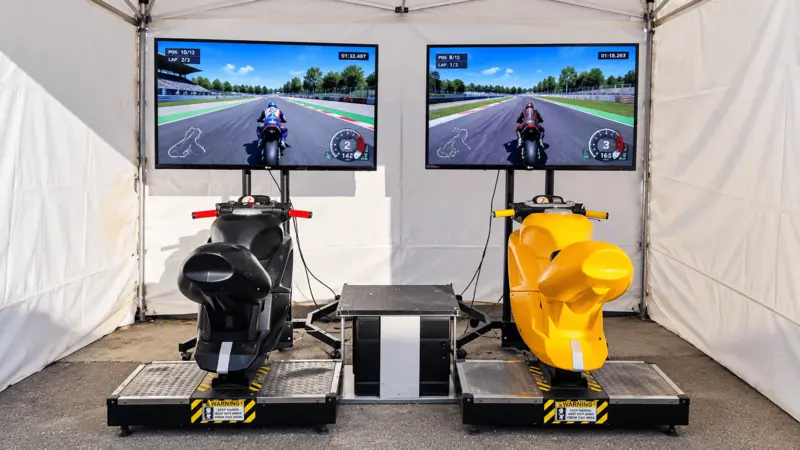
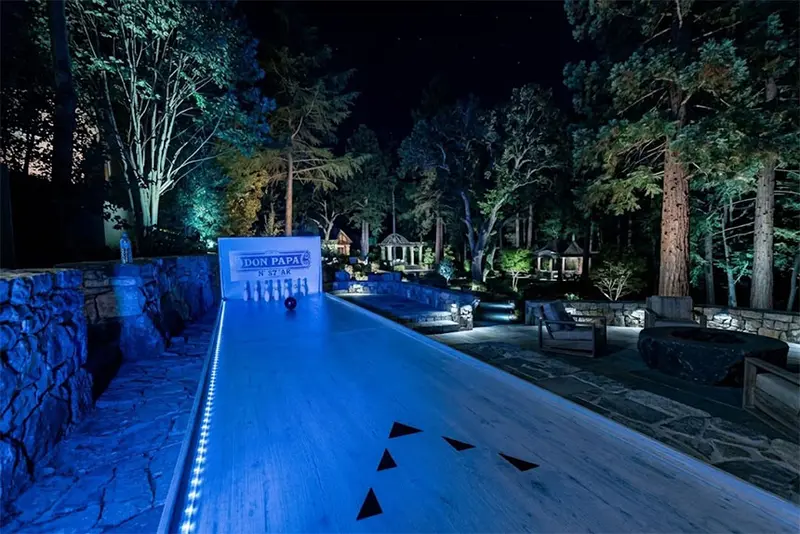
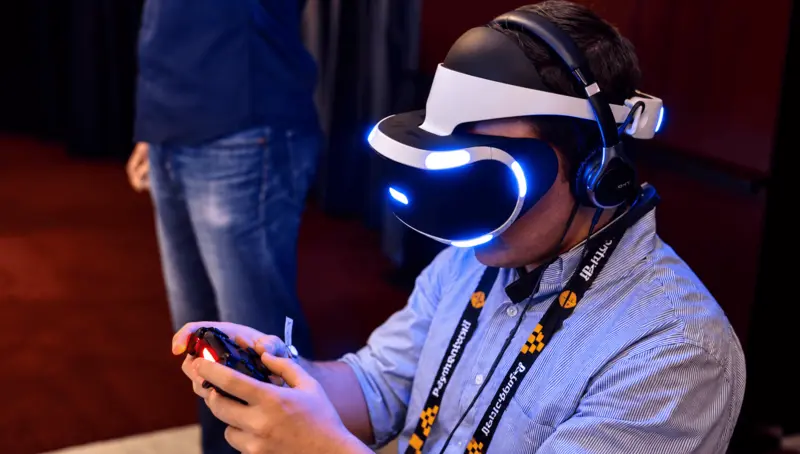
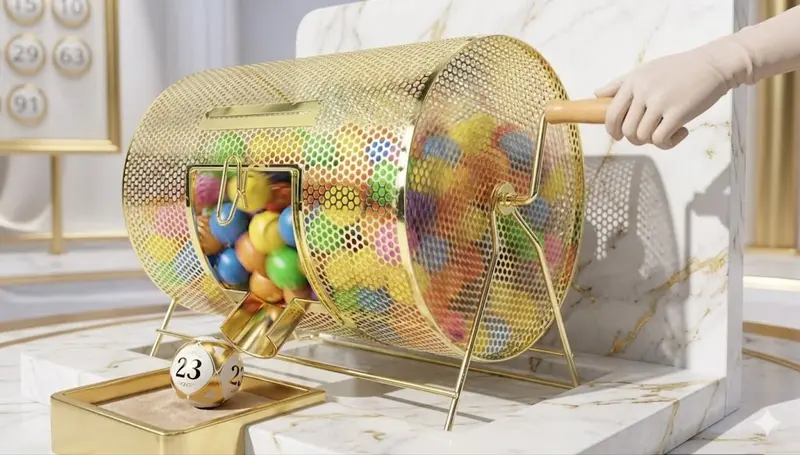
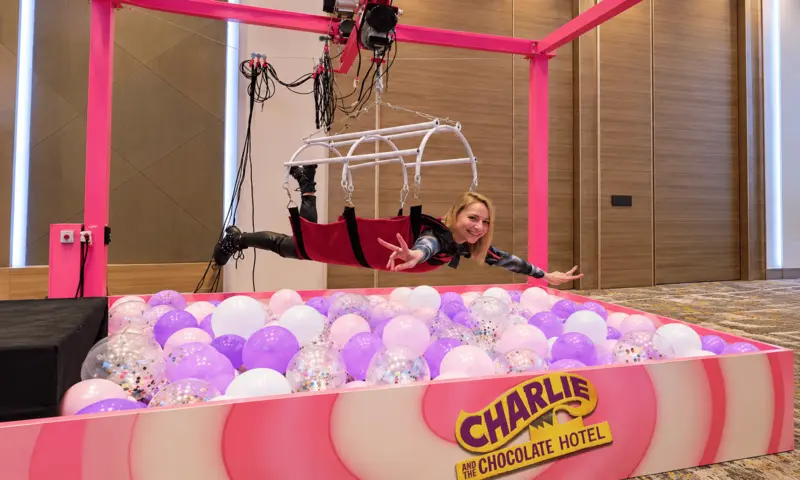
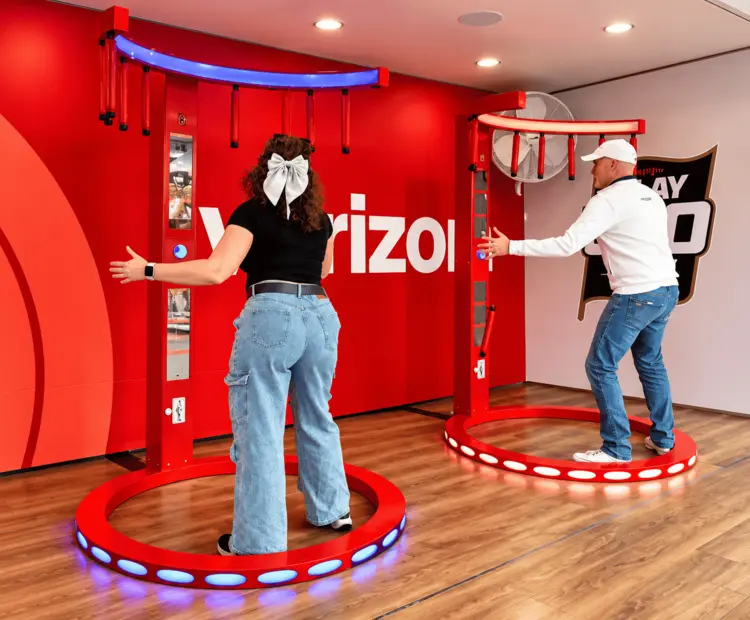
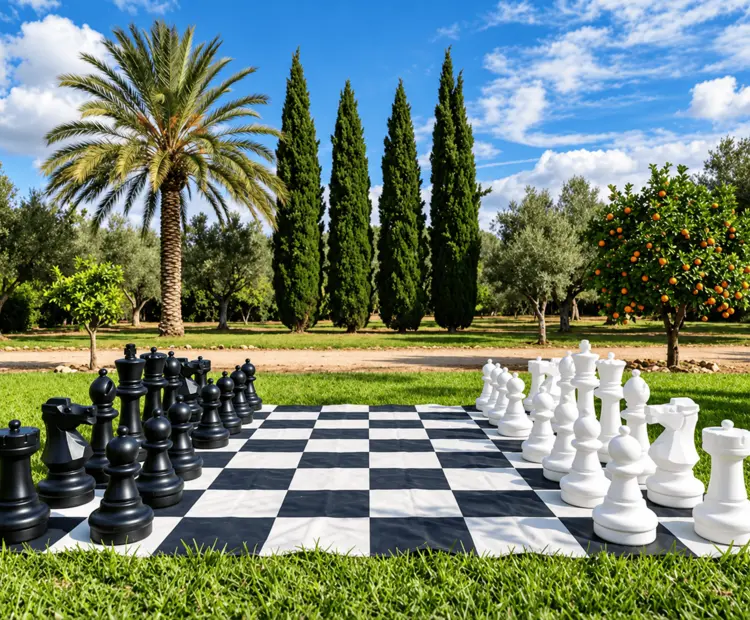
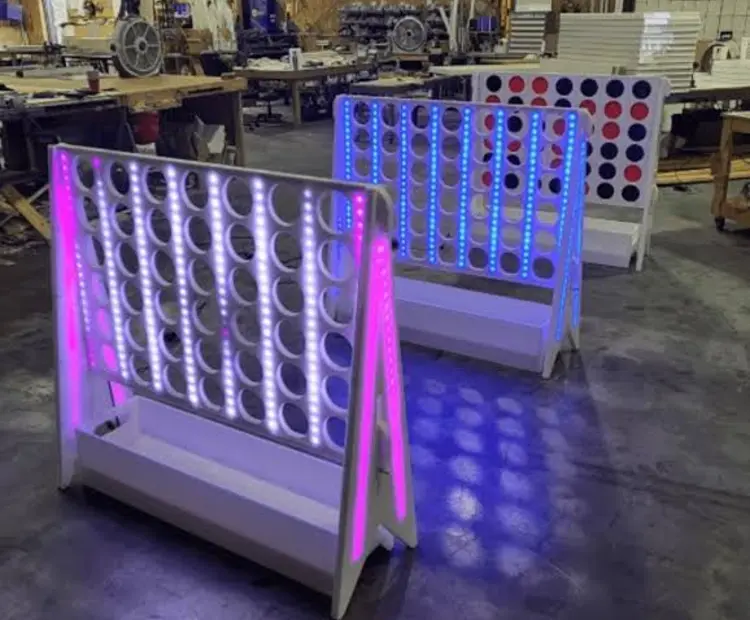
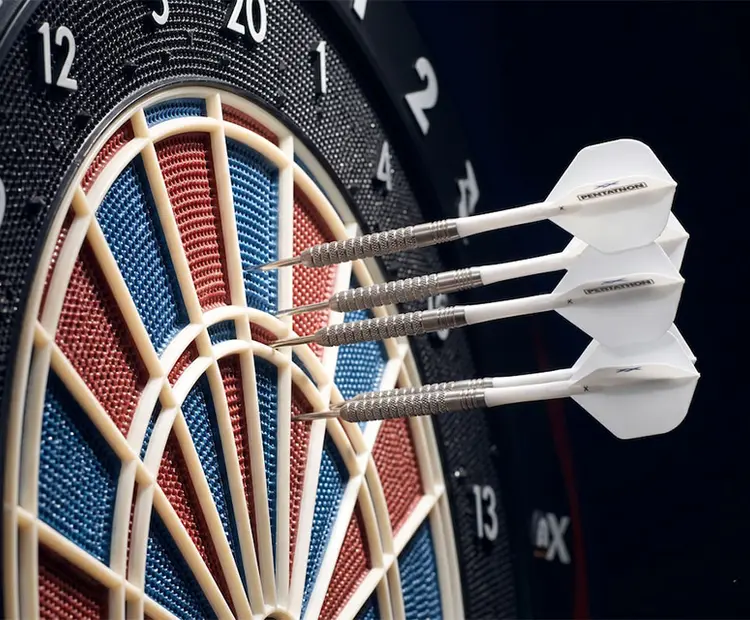
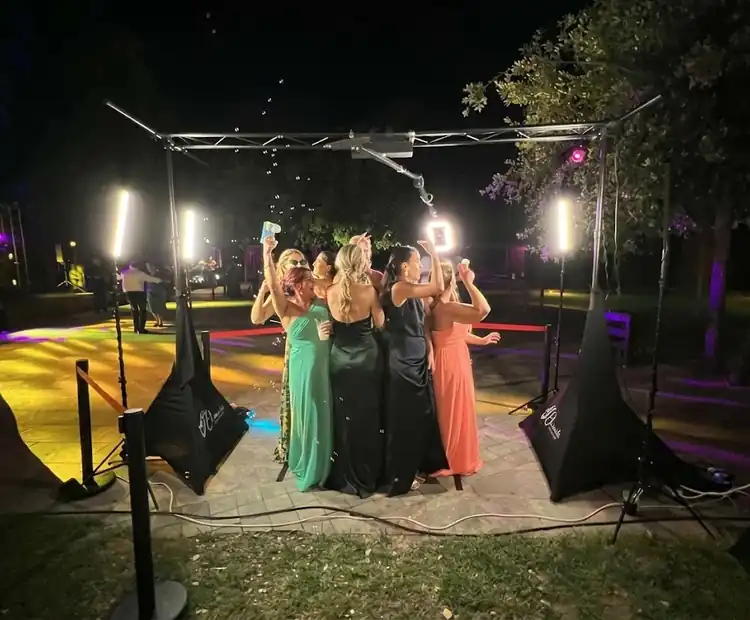
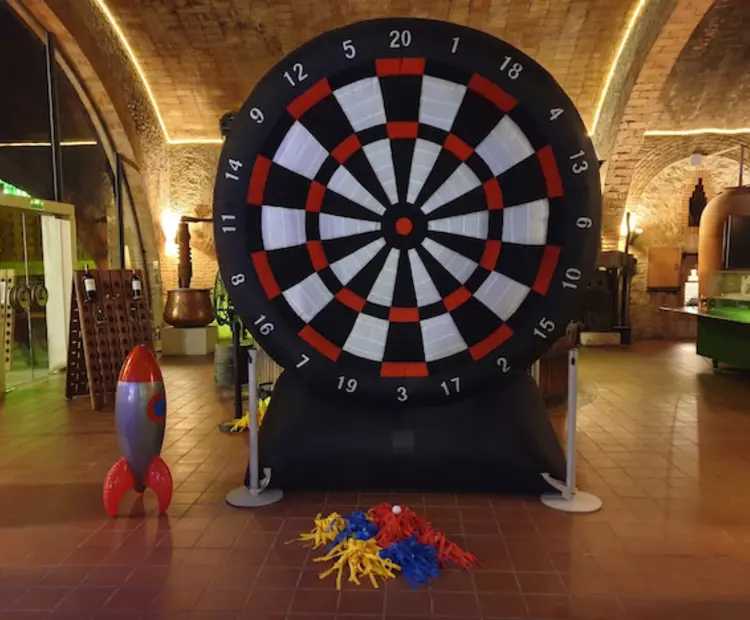
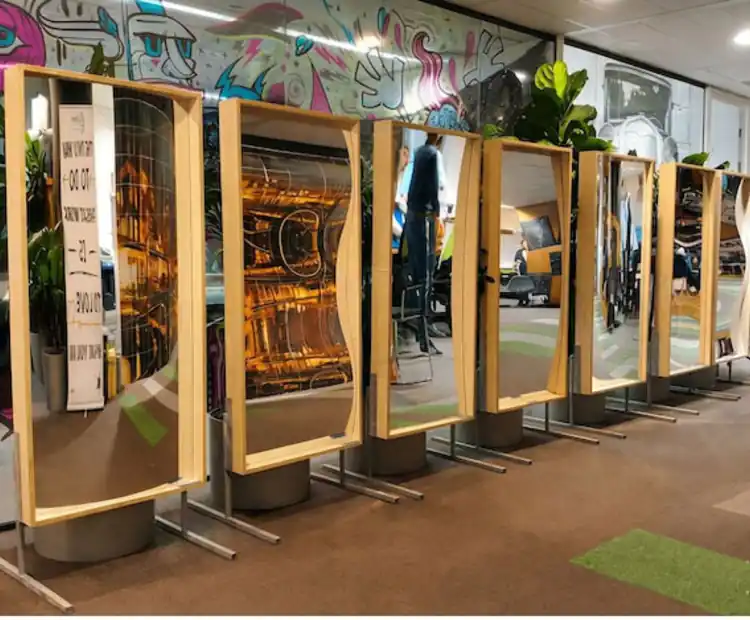
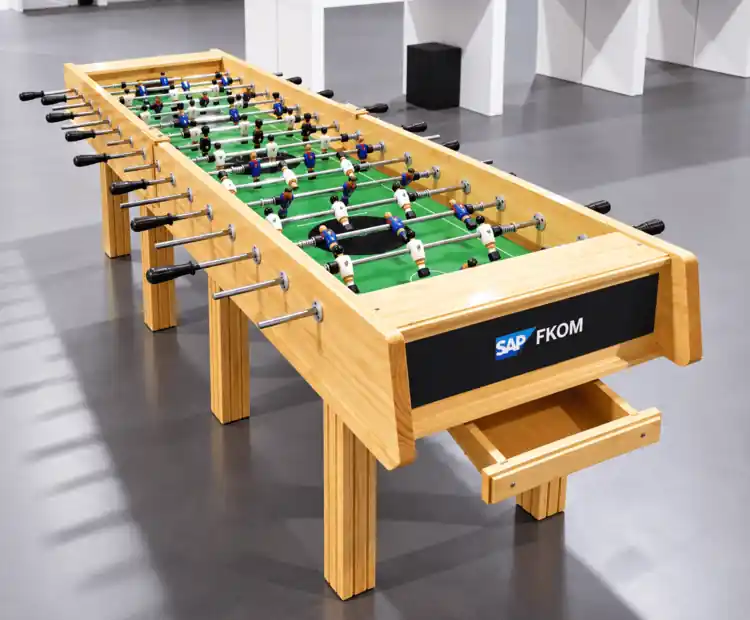
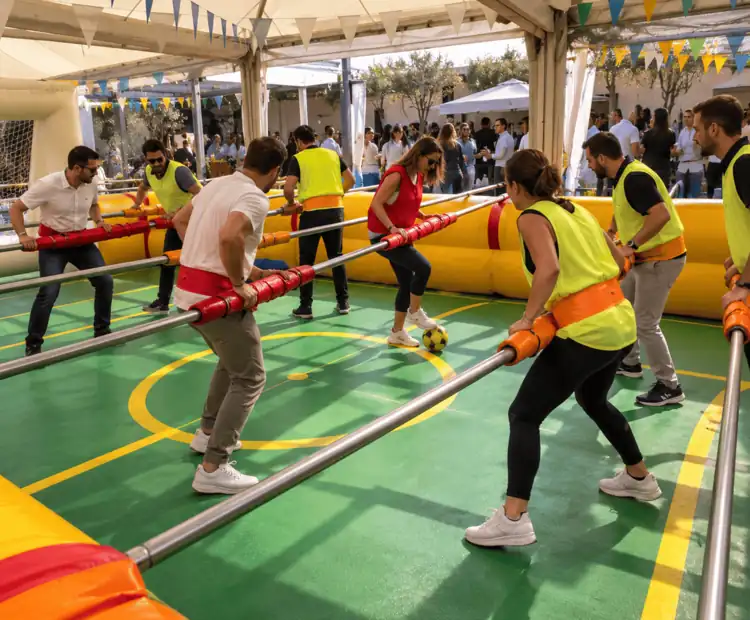
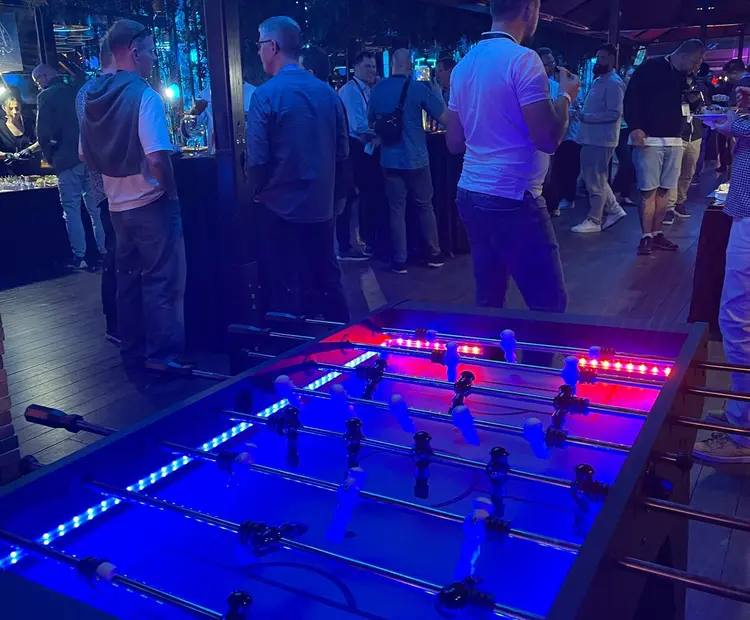
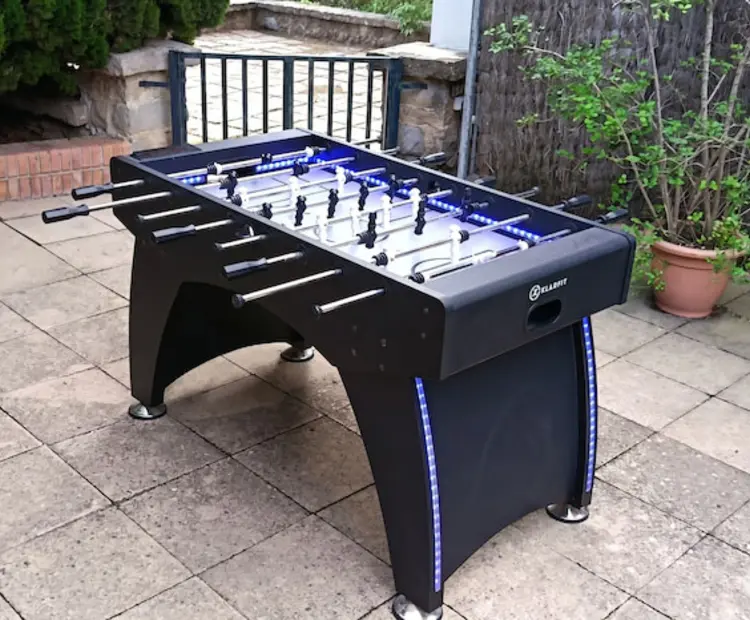
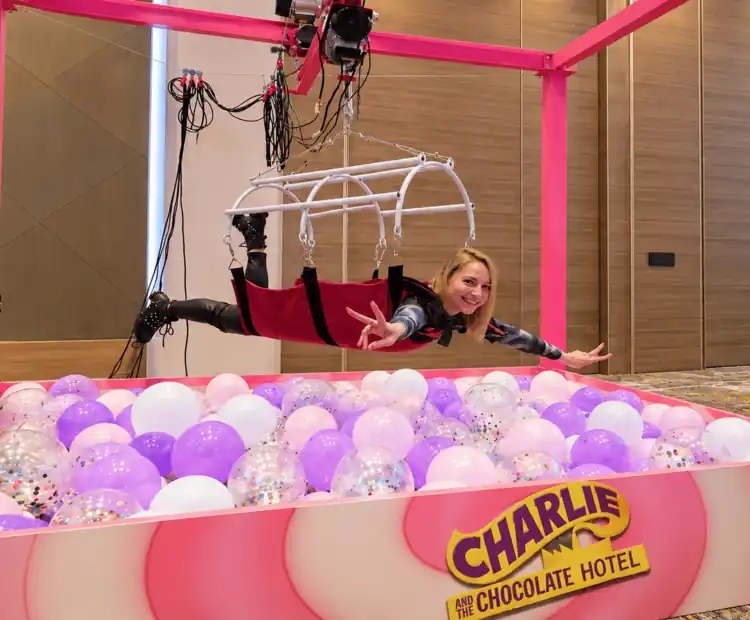
We have spent over a decade running the entertainment at company parties, conventions, family days, kick offs and incentive trips for businesses of every size, from a thirty-person startup to a multinational with two thousand people in an exhibition hall.
Corporate events face a problem weddings and festivals do not: people arrive because they have to. The company organised it, half the room has never met the other half, and plenty of guests decided in advance they would leave early. Entertainment is what breaks that inertia. Give people something to do with their hands, a queue where conversation happens and a screen showing who is winning, and the room mixes on its own within twenty minutes.
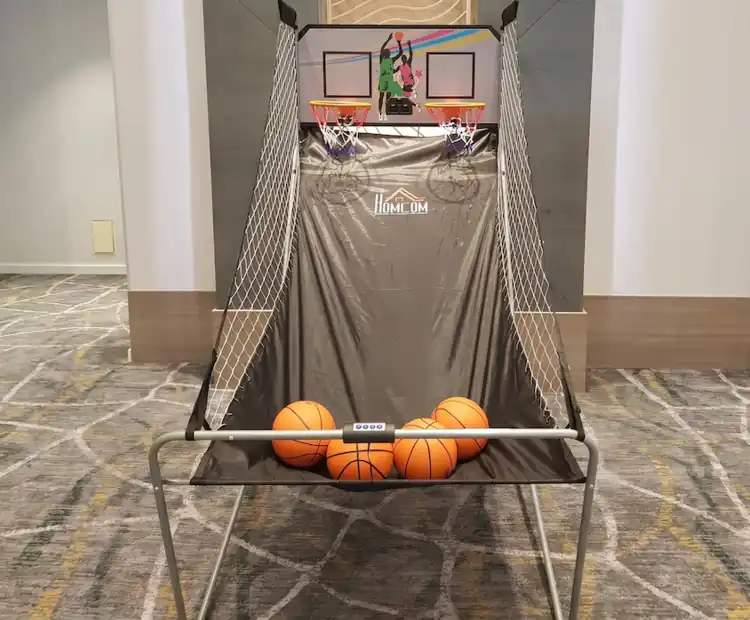
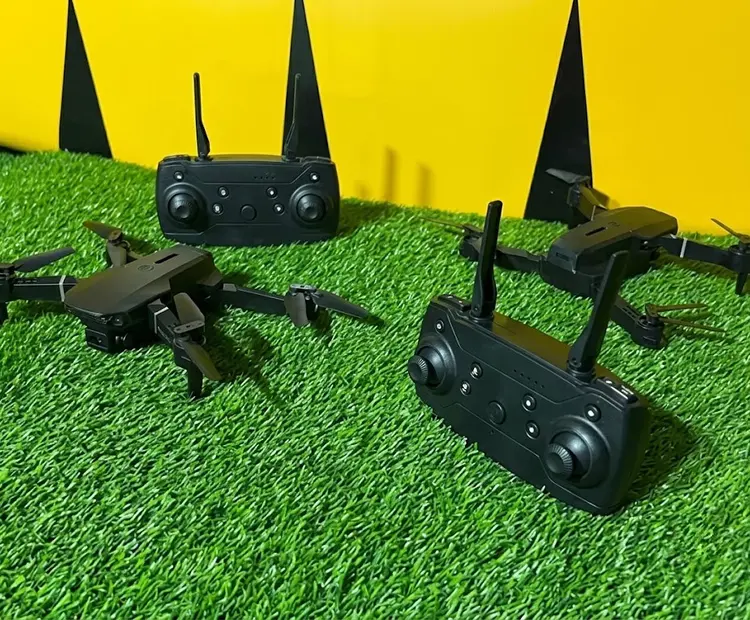
That is why we do not hand over a fixed catalogue. Before recommending anything we ask three questions: how many people are coming, what the company wants the event to achieve, and how much usable space there really is. A sixty-person afterwork on a rooftop, where table football, live cocktails and a photo booth work perfectly, is nothing like a convention for eight hundred sales reps that needs a simulator zone with high turnover and a shared scoreboard to keep the afternoon alive.
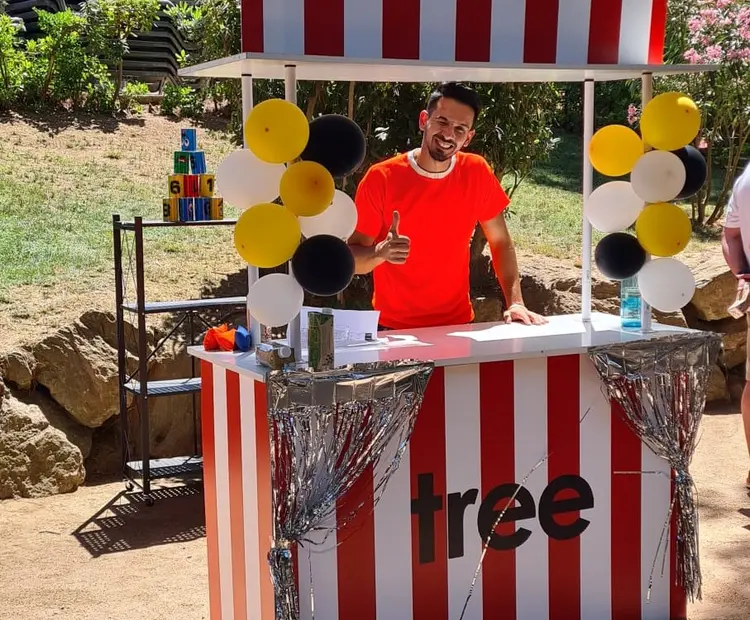
We work with our own equipment and our own technical crew. The person who sends you the quote is the person who coordinates the unloading, the build, the hosts running each activity and the takedown. We do not subcontract the critical part, which is exactly where events fall apart: equipment arriving late, staff who cannot explain the game, or an activity that takes up twice the footprint the floor plan promised.
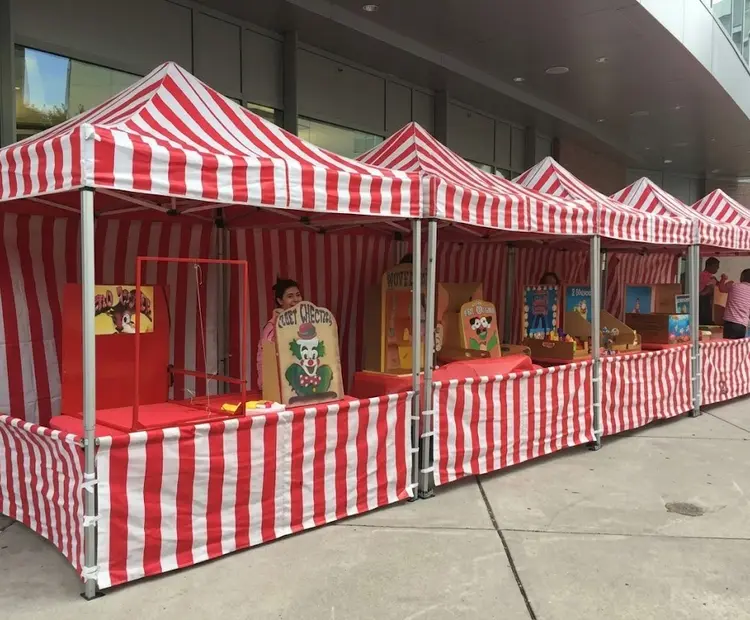
Budget is usually the awkward conversation, so we raise it early. A corporate event can be solved with one well-chosen activity or with a zone of fifteen, and both work if the spread matches the headcount. What does not work is spreading a small budget across too many activities: every one of them ends up with a queue and the overall feeling is of scarcity. We would rather tell you that before sending the proposal, even if it means recommending fewer elements than you expected.