

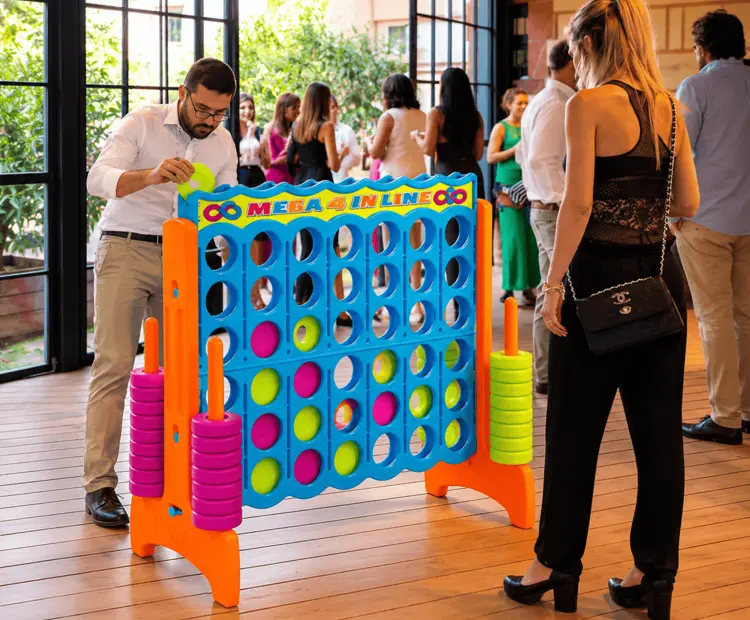
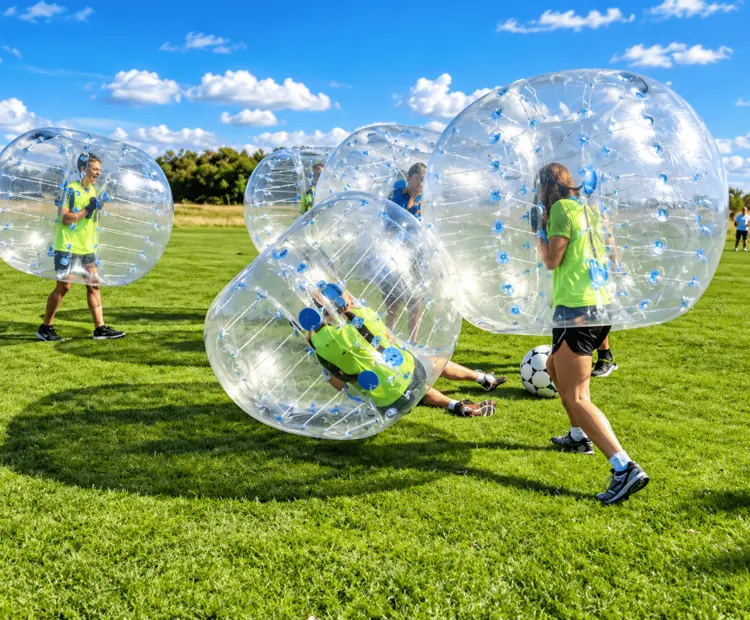
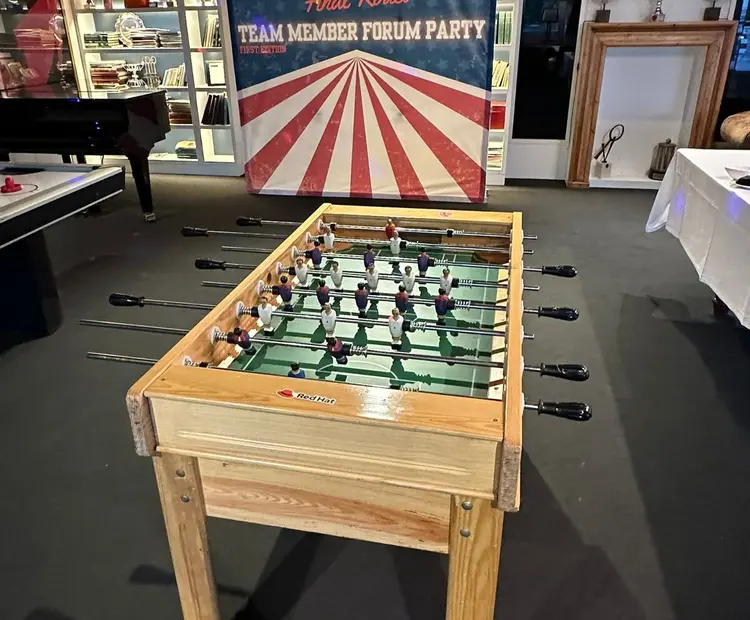
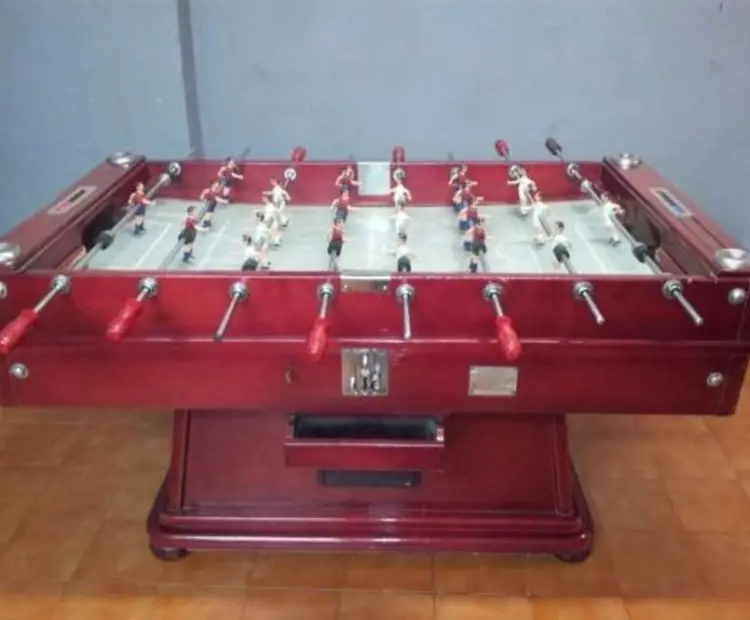
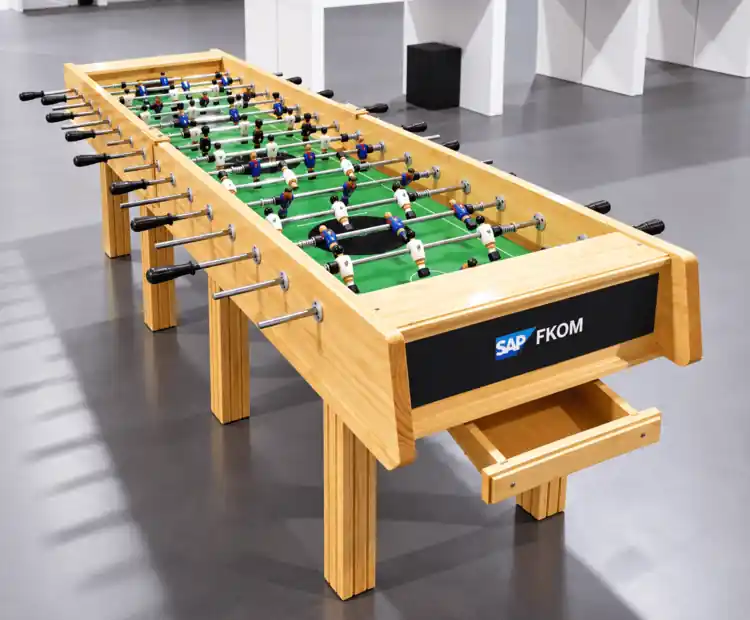
Equipment specific to each campaign
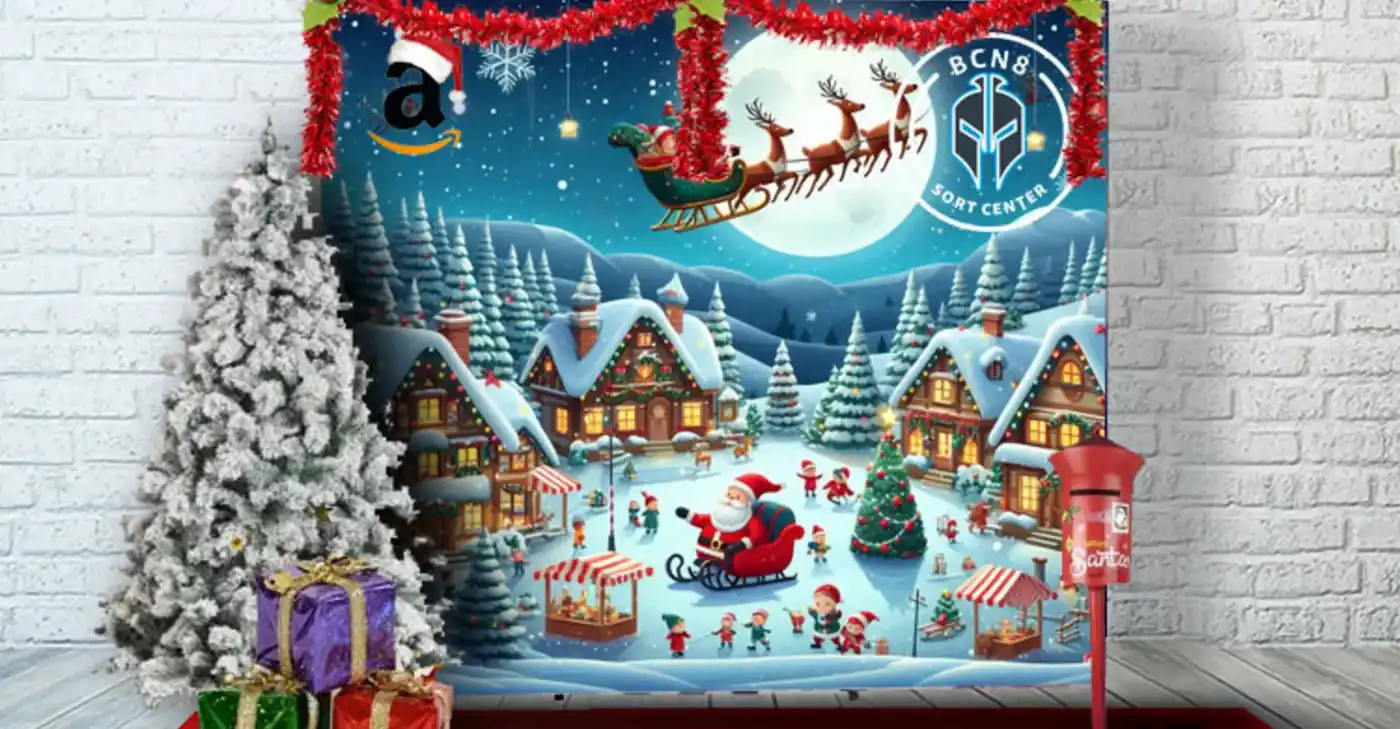
Set design, props and activities built for each season, not a generic version with decoration added on top. It shows, particularly at Halloween and Christmas.


Events
Seasonal events are celebrations tied to a date or time of year, such as Christmas, Halloween, Carnival or summer, each with its own setting and activities.
Christmas, Halloween, Carnival, summer or back to school: each season has its own audience and its own equipment, and we have all of it.
We run seasonal events all year round: Christmas and New Year's Eve, Halloween, Oktoberfest, Valentine's Day, Sant Jordi, Carnival, spring, summer and back to school, with equipment and set design specific to each campaign.
Seasonal events have a huge advantage over the rest: the audience arrives already primed. Nobody has to explain why there is a party in December or why the shopping centre fills with pumpkins in October. The calendar supplies the context, which lets you concentrate effort on execution rather than on justifying the event.
The trade-off is the diary. Everyone wants the same thing on the same weekend. The first half of December stacks up company dinners, Christmas markets and shopping centre campaigns, and the good equipment sells out weeks ahead. The same happens at the end of October with Halloween and in June with summer parties. Booking early is not a sales line: it is the difference between getting what you wanted and getting what was left.
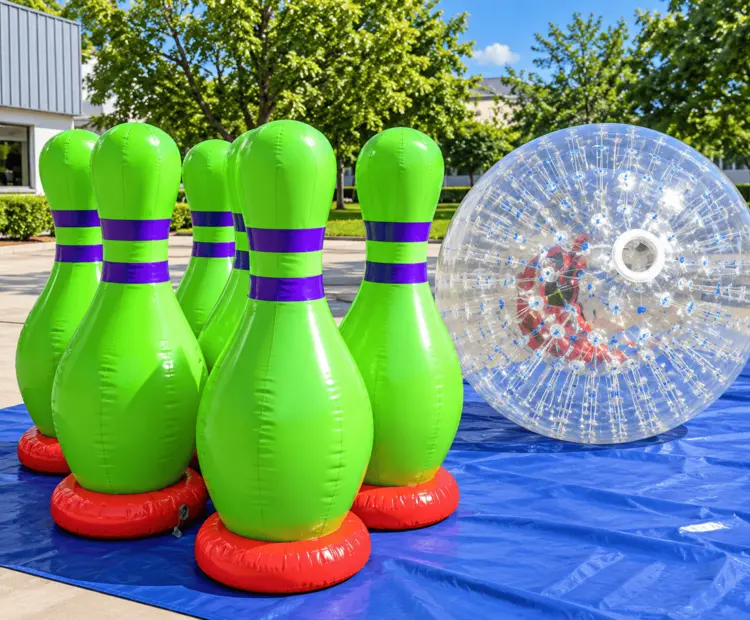
Each season asks for different things. Christmas works with an ice rink, workshops, a photo wall and hot chocolate carts; Halloween with set design, characterisation and walkthrough scares; Carnival with stilt walkers, batucada and face painting; summer with water inflatables, slushies and pool parties. We hold specific equipment for each, not a generic version with a sign stuck on top.
There is a classic trap in seasonal events: copying last year. It works the first time and fades in the ones after, because the local audience is the same and has already seen it. Our recommendation is to keep the anchor element people expect, the ice rink, the haunted walkthrough, the marquee, and refresh around it: change the workshops, rotate the shows, move the secondary set. It costs little and stops the campaign feeling repeated.
Set design, props and activities built for each season, not a generic version with decoration added on top. It shows, particularly at Halloween and Christmas.
December, late October and June concentrate almost the entire year's demand. We tell you frankly what is free on your dates before proposing anything.
In shopping centres and towns, a season is covered better by activities rotating week to week than by a single large event on one day.
Which season you want to cover, in what kind of space, for what audience and on which specific dates.
In high season the first step is confirming what equipment is free on those days, before designing anything on paper.
Activities, set design, staffing and a closed price, with a calendar if it spans several weeks.
Build, staff throughout the campaign and takedown at the end, with equipment replacement if the campaign is long.
The clients who get the most out of seasonal campaigns are the ones who plan them together rather than one at a time. Settling in January what will happen at Carnival, in summer, at Halloween and at Christmas has three clear advantages: it guarantees availability on the difficult dates, it negotiates better as a package, and it avoids the last-minute scramble that repeats every October and November.
For shopping centres, hotels and town councils we prepare that full annual calendar, with campaigns ordered by month and the budget distributed. It commits you to nothing: dates can be adjusted later. But having the year mapped from the start changes the quality of what ends up being built in December considerably.
For December, two or three months. For Halloween, from September. For the rest of the year, two or three weeks usually suffice. If you are tight, ask anyway: cancellations sometimes free equipment up.
Yes, and it is what makes the difference. Props, structures and characterisation specific to Christmas, Halloween, Carnival and Oktoberfest, rather than generic equipment with decoration stuck on.
Yes, it is the standard format for shopping centres and towns. We prepare a calendar with activities rotating each weekend, which performs better and prices better than one large event.
We work with equipment rated for heat and outdoor use, and plan time slots avoiding the middle of the day. In pool areas we bring monitors and certified water equipment.
It depends on what was agreed. For outdoor activities we state in the quote what happens on suspension: date change if availability allows, an indoor version, or cancellation on the agreed terms. The point is to fix it beforehand rather than debate it on the day.