

Visible from the far end
A square needs a visual reference that organises the space and pulls footfall towards the activity area. That is a ride's main function.


Town Festivals & Council Events
Rides and simulators are mechanical or electronic machines that recreate a physical sensation, such as riding, jumping or driving, which visitors try in turns.
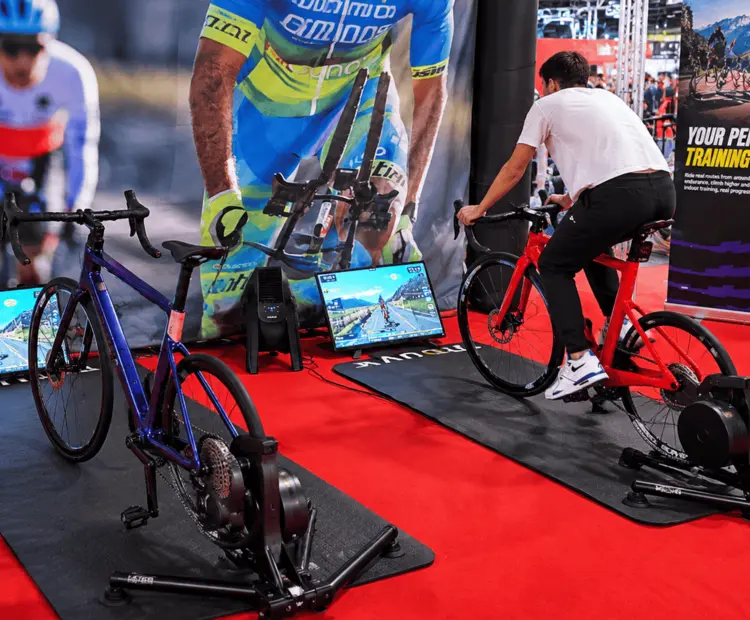
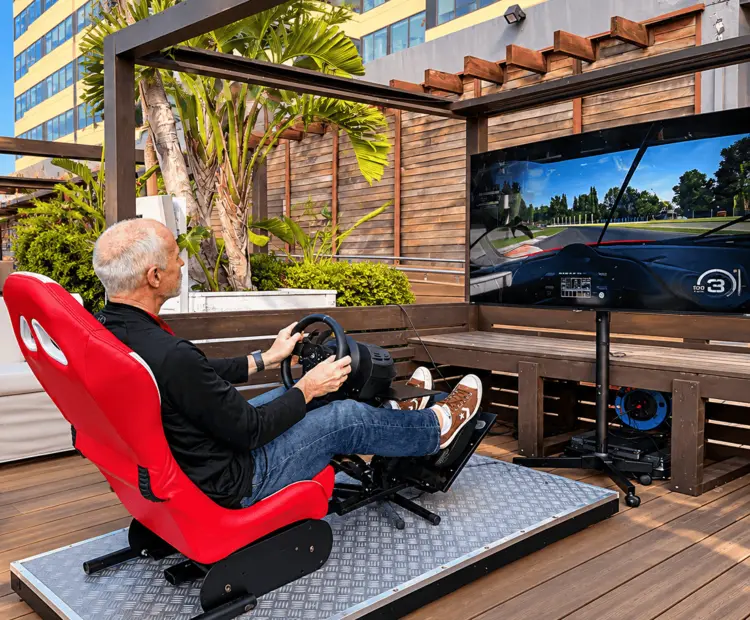
Mechanical bull, simulators, bungee trampolines and rides with the visual impact a square needs.
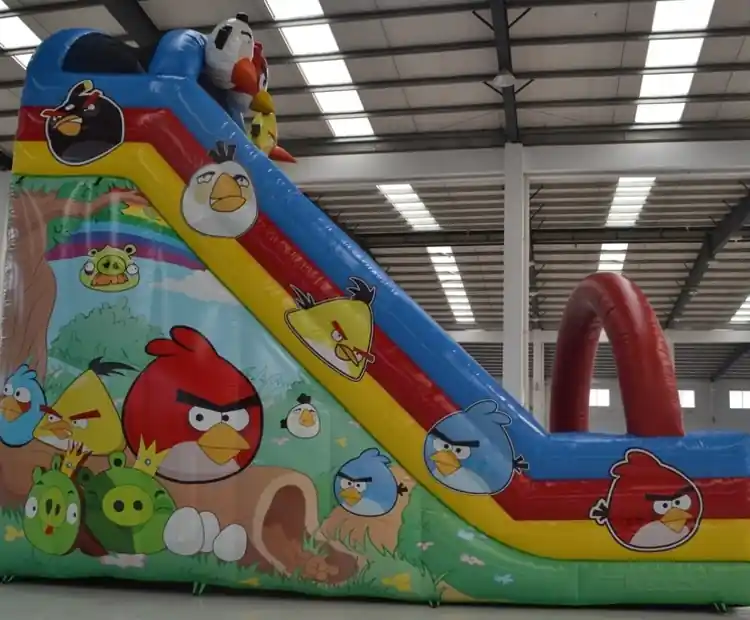
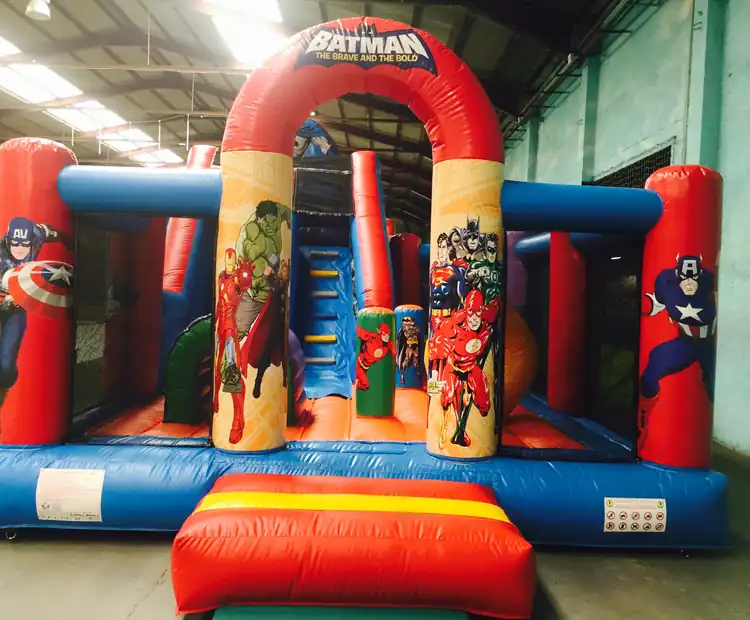
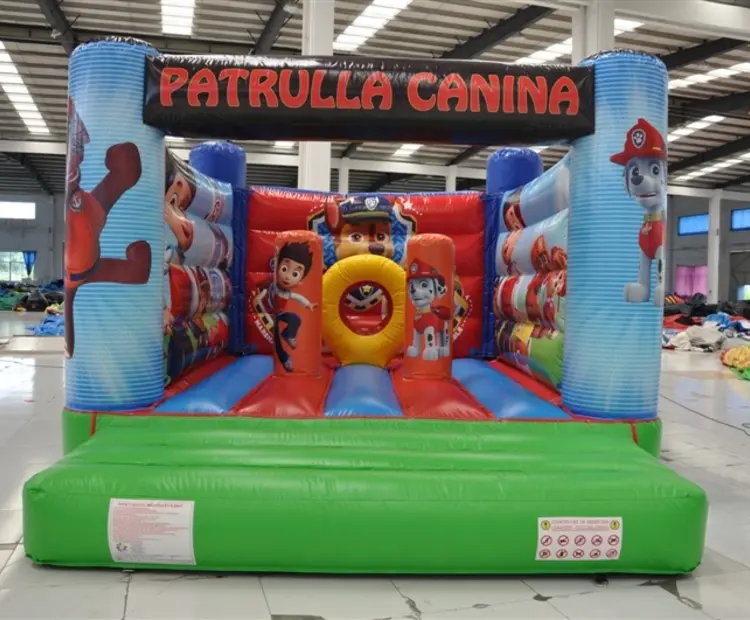
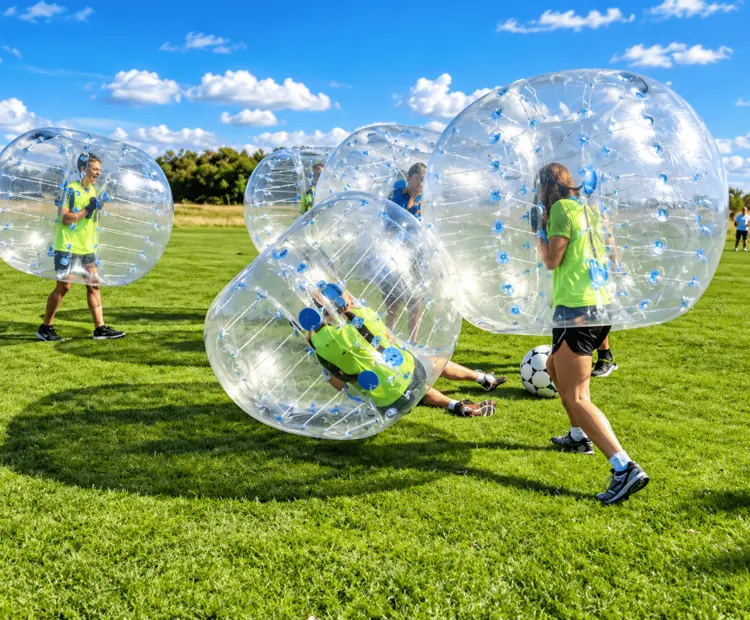
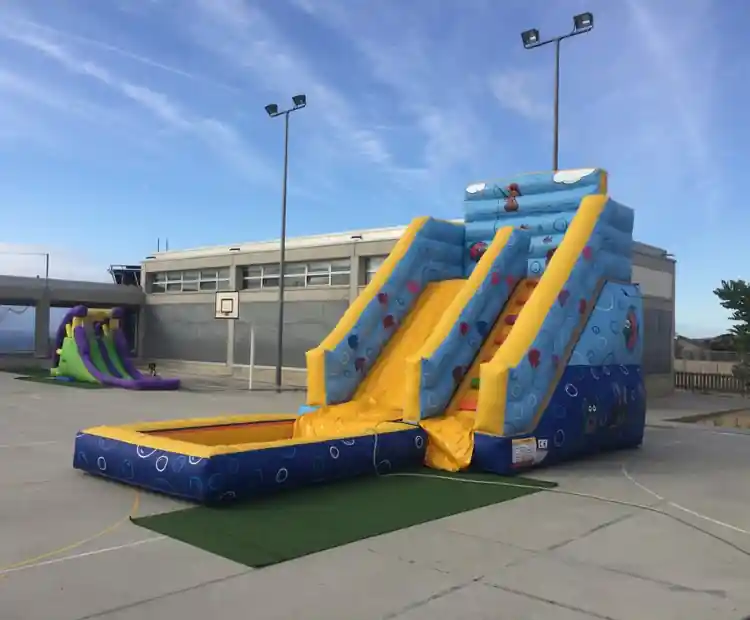
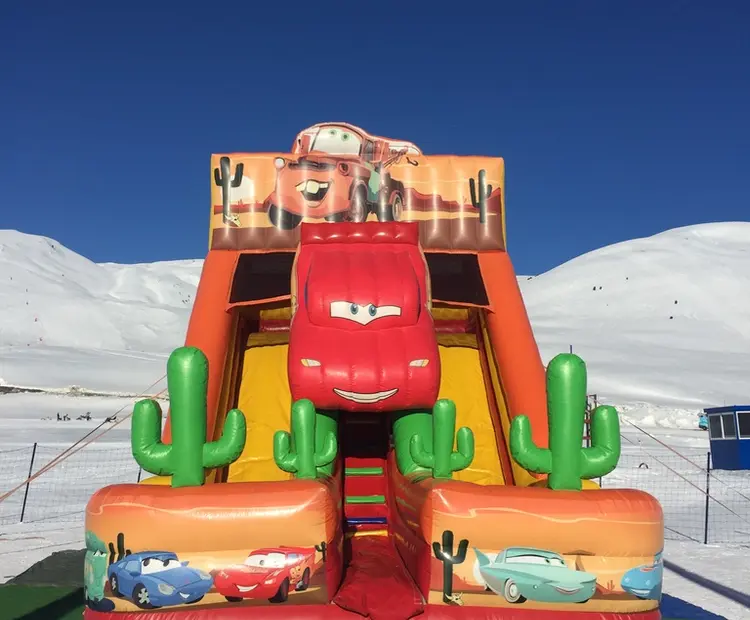
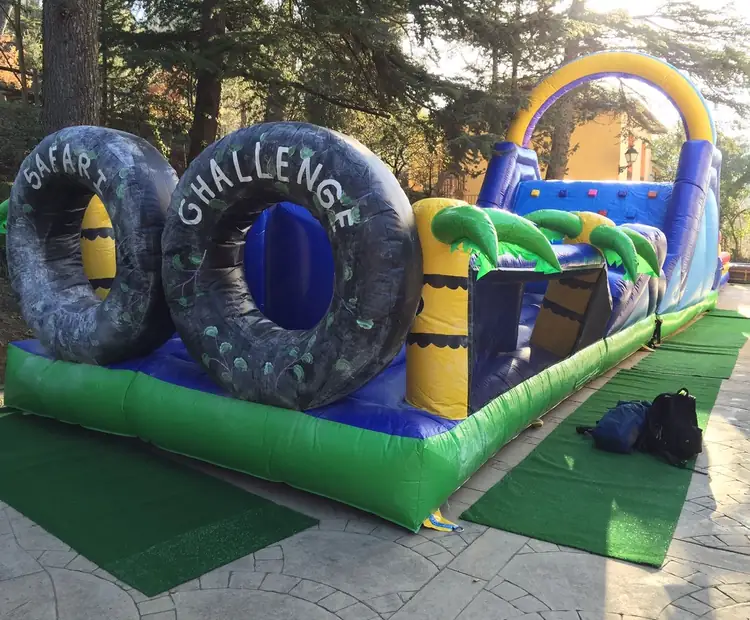
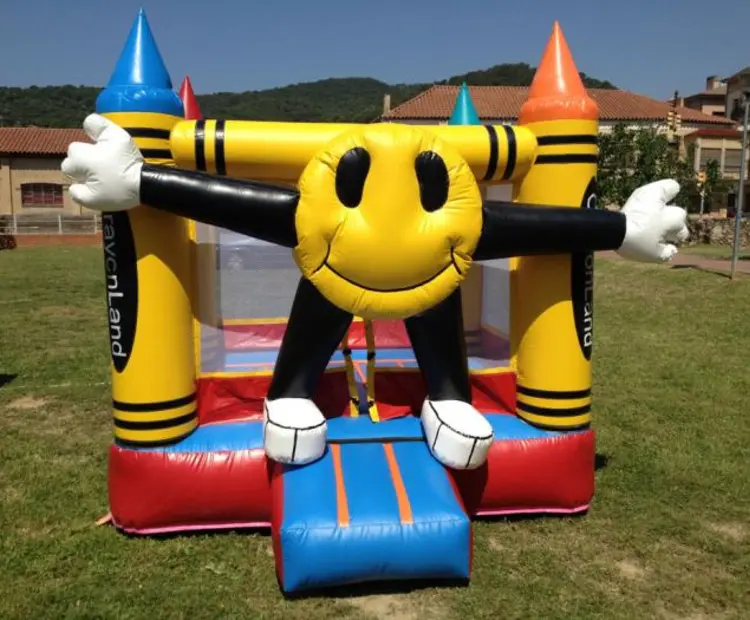
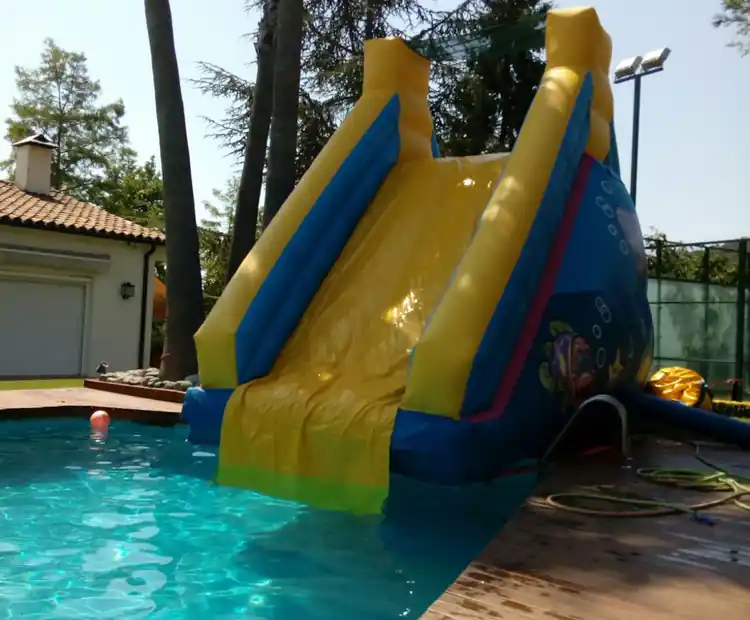
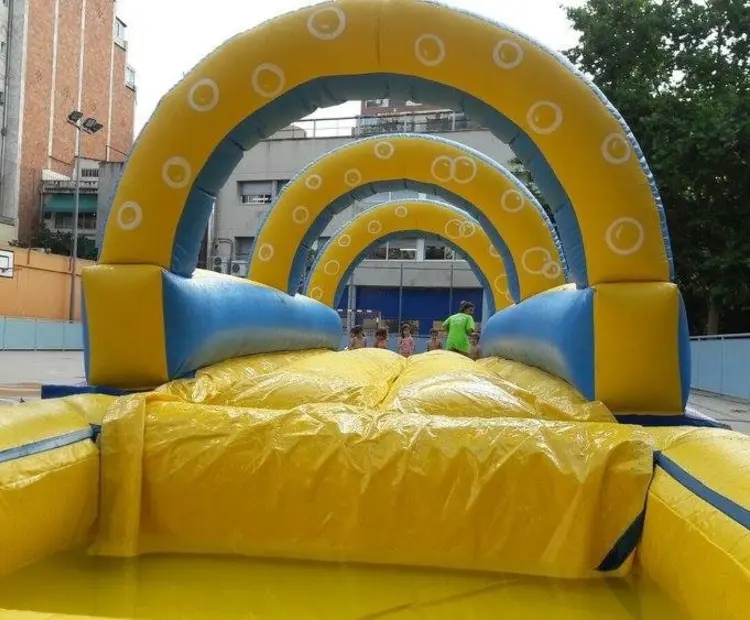
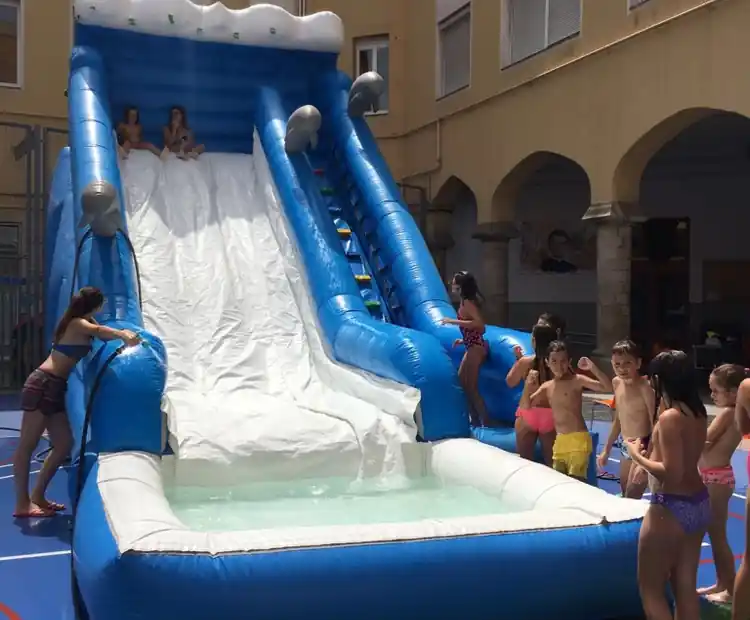
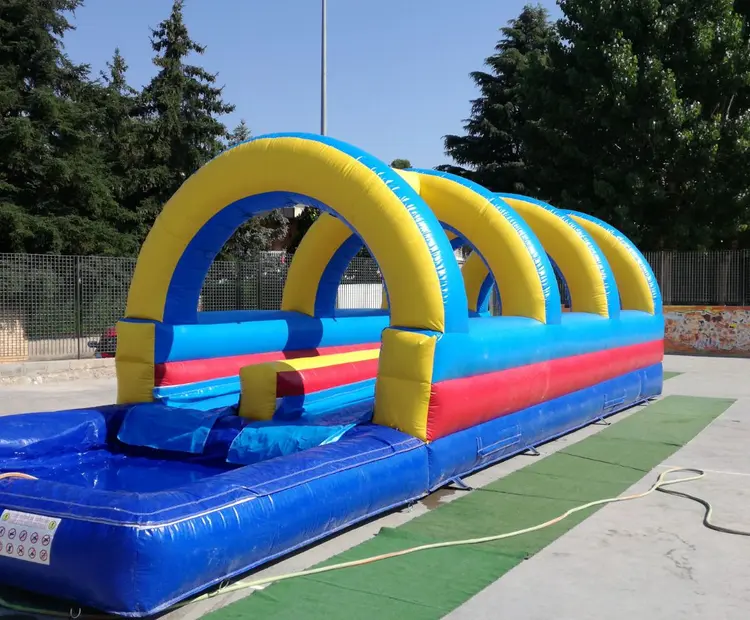
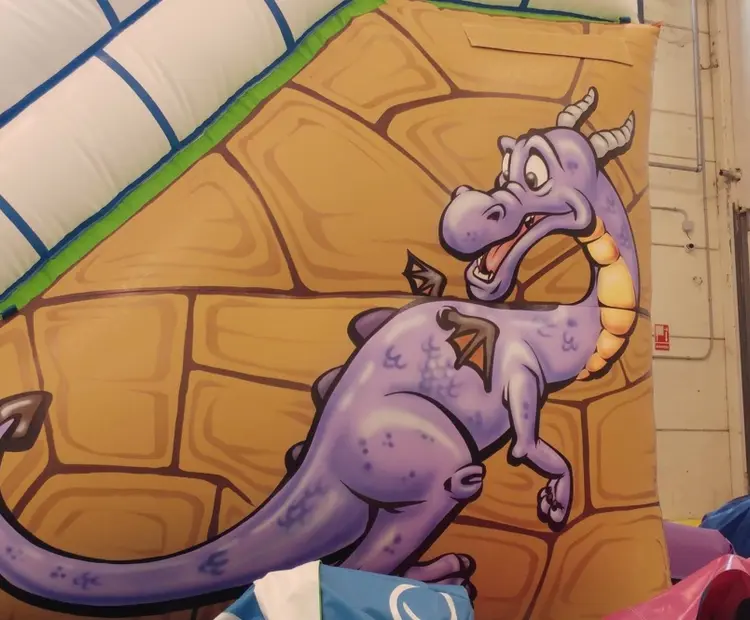
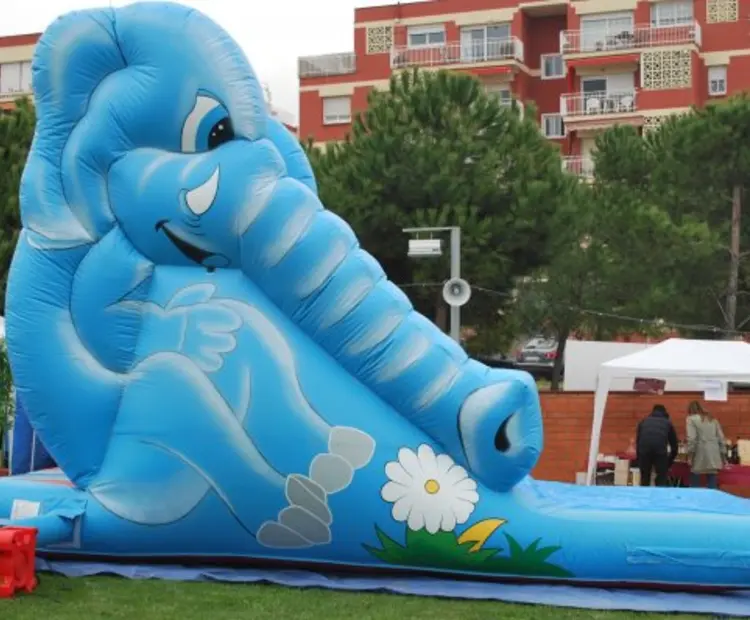
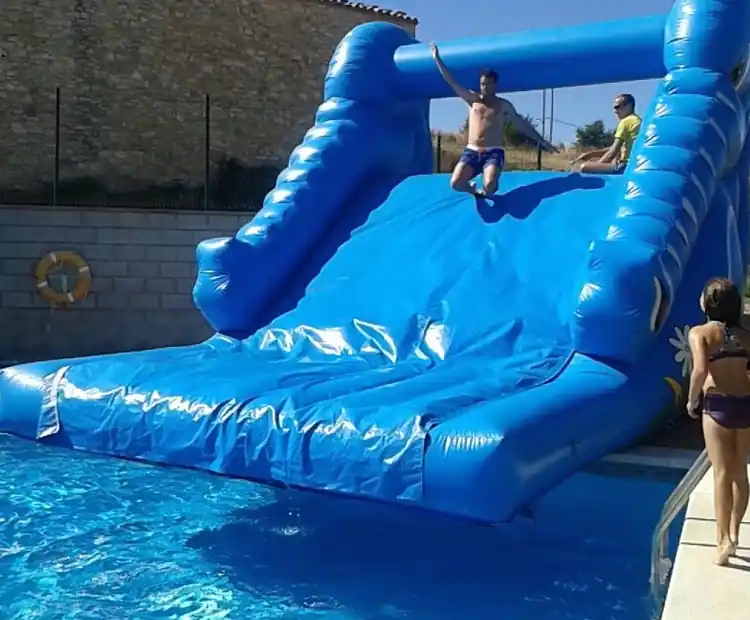
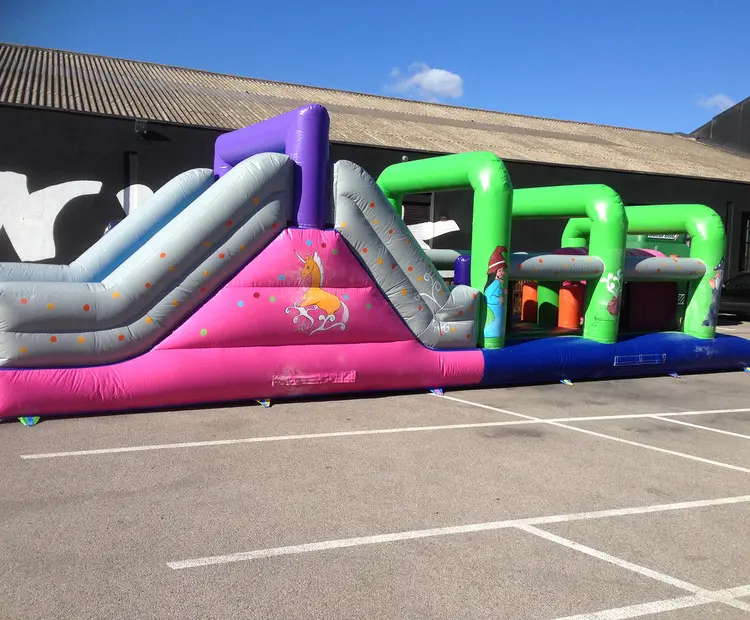
We hire out and install rides and simulators for festivals and events: mechanical bull, driving and motorcycle simulators, bungee trampolines, climbing wall, large inflatables and mobile rides, with monitors and certificates.
Any square programme needs at least one piece with visual impact: something visible from the far end that people want to go and see even if they will not ride it. Rides serve that function. A mechanical bull, a climbing wall or a moving simulator create a visual reference that organises the square and pulls footfall towards the activity area.
What is interesting is that, beyond the impact, they entertain watchers as much as participants. A mechanical bull has a permanent audience waiting for the fall, a climbing wall is followed from below, and a simulator with a screen shows everyone what the rider sees. That dual function, playing and watching, keeps the area full even when the queue is fifteen people long.
The trade-off is technical demand. Rides need surface, anchoring or ballast depending on the ground, power supply and, in many cases, a safety area around them that has to be respected. All of that shapes where they can be built, and it is what we review before proposing anything so we do not suggest something the municipal officer later has to reject.
They always come with a monitor and full documentation: structural certificates, technical sheets and public liability insurance. With rides there is no room for improvising: turn control, maximum weight, minimum heights and stopping for wind are operating conditions, not recommendations.
A square needs a visual reference that organises the space and pulls footfall towards the activity area. That is a ride's main function.
A mechanical bull has a permanent audience waiting for the fall. That dual function keeps the area full even with a long queue.
Turn control, weights, minimum heights and stopping for wind are operating conditions. Certificates, technical sheets and insurance are included.
Surface, ground type, slope, available power and possible safety area.
Which one fits, how many people it moves per hour and what it needs to run, at a closed price.
Certificates, technical sheets and insurance, with margin for municipal authorisation.
Build with anchoring or ballast by ground type, a monitor throughout opening hours and takedown at close.
In municipal programmes with limited budgets, the temptation to book several rides is usually a mistake. Each has its own queue, monitor and power draw, and splitting the budget across three leaves all three short of staff and time. One strong ride, properly staffed and surrounded by high-rotation activities that absorb the queue, works far better.
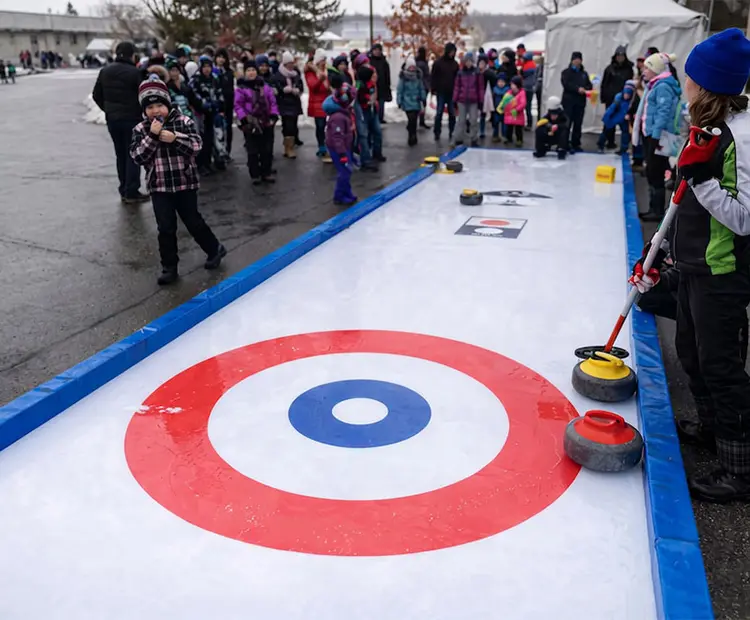
That combination, one strong visual piece plus several fast games around it, gives the best result in a square. The ride attracts and organises the space; the games keep people occupied while their turn comes, and the whole thing runs all afternoon without endless queues or empty corners.
A flat, sufficient surface, a safety area around it, adequate power supply and the ability to anchor or space for ballast. We send the technical sheet with every requirement before you approve it.
Always, without exception. The monitor controls turns, weights, minimum heights and stopping conditions. We do not hire out rides without staff even when clients ask.
There is a speed threshold above which the ride stops, and it is not negotiable. We tell the event manager at the time and resume when conditions allow.
It depends on the type: a simulator moves thirty to fifty people an hour, a mechanical bull around forty, a climbing wall considerably fewer. We factor it in when sizing the zone.
Not all. Slope, ground type and safety clearance are the three factors that usually rule a location out. So we review the space before proposing, with photographs or a prior visit.