
Translates concept into action
If the brand talks about speed, the visitor measures theirs. The design work lies in turning the message into something done rather than something read.



Brand Activations
Brand experience is an experience designed so that the public lives a brand's values and personality through the senses, the space and direct participation.
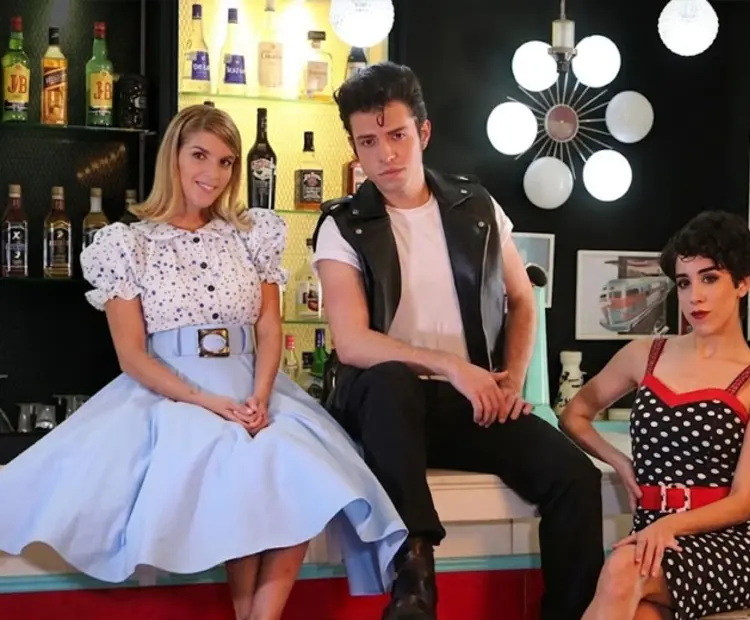
Complete brand experiences: set, activity and tone so audiences live the concept instead of reading it.
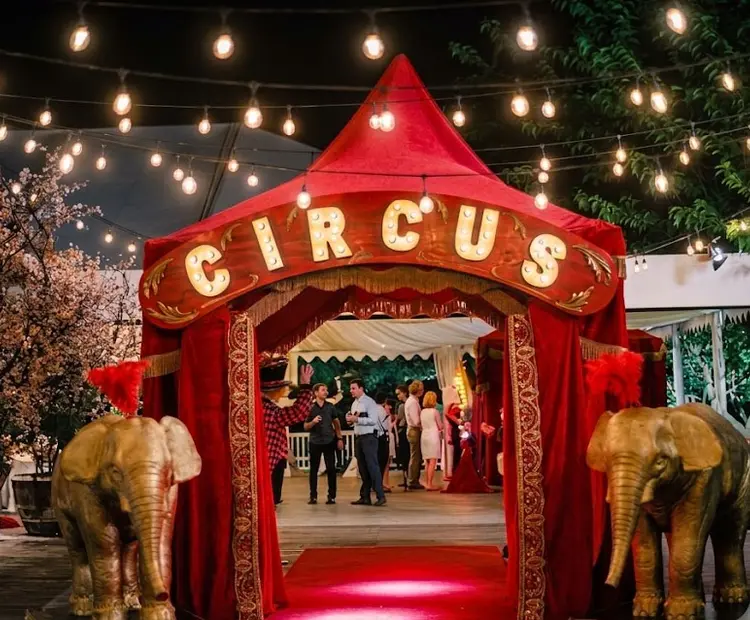
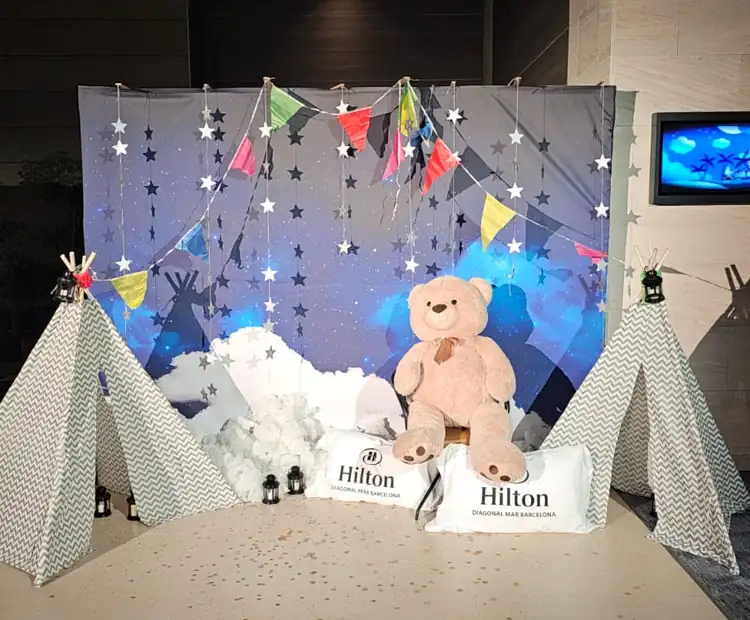
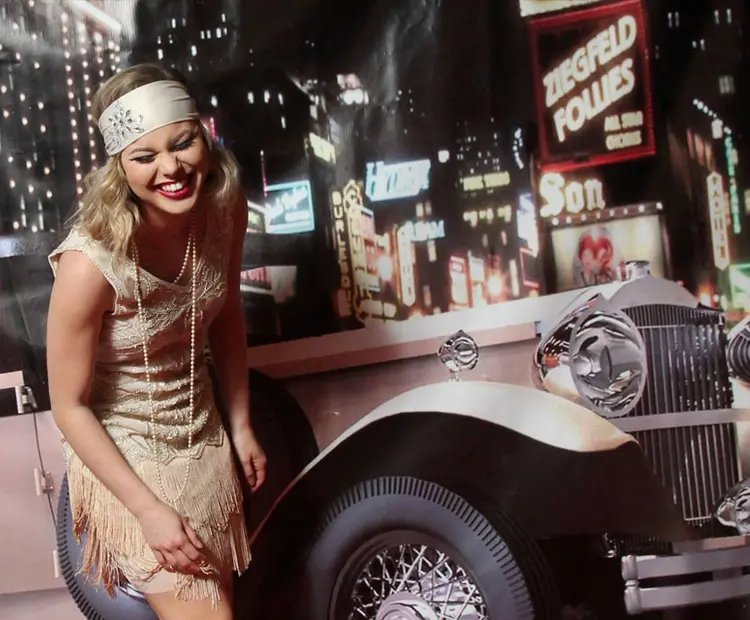
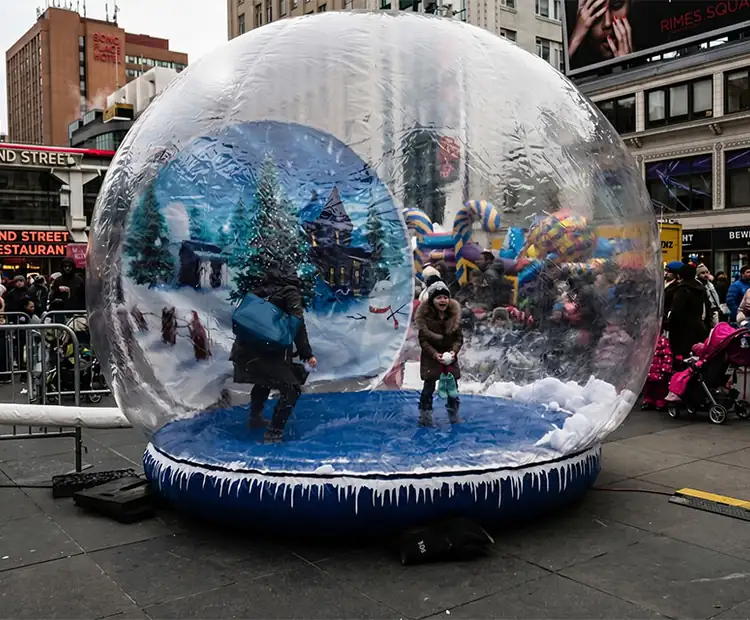
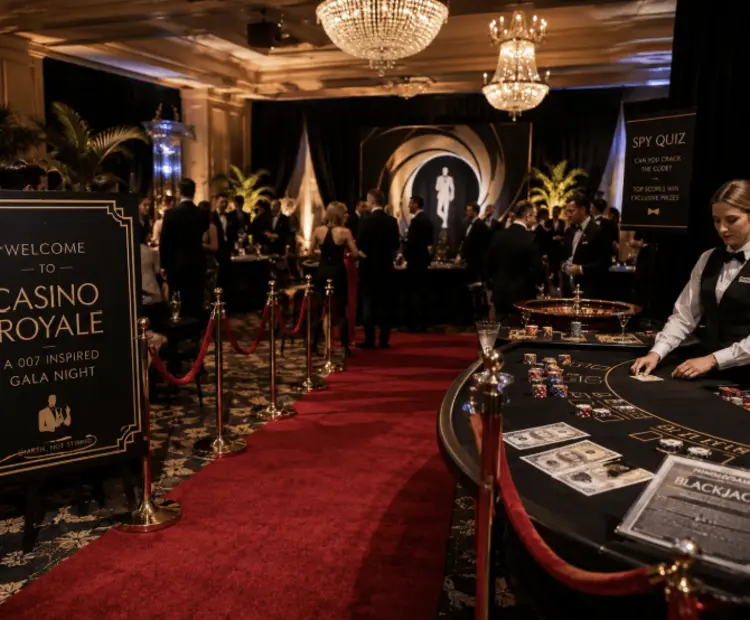
We design complete brand experiences: set, central activity, characterised staff and digital content, so audiences spend ten minutes inside the brand's world rather than looking at it from outside.
The difference between an ordinary activation and a brand experience is ambition. An activation puts a game with a logo on it; an experience builds a space where everything, light, sound, what the visitor does, how they are spoken to, communicates the same thing. It costs more and takes longer to produce, and in return it leaves a memory nothing like that of a well-dressed prize wheel.
For it to work, the experience has to translate the brand concept into something done rather than something read. If the brand talks about speed, the visitor has to measure theirs. If it talks about precision, they have to fail and try again. If it talks about sustainability, they have to generate energy or see the impact of something they did. That is the most important design work and it decides whether the experience communicates or merely entertains.
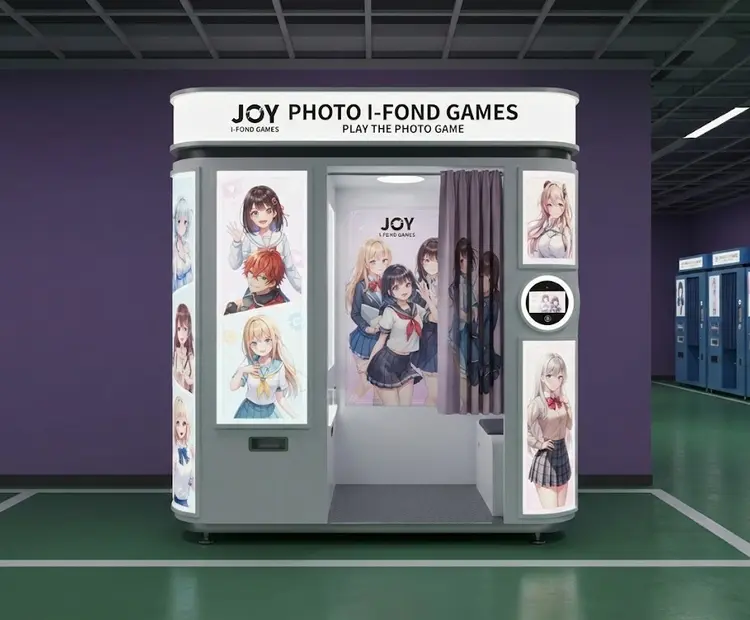
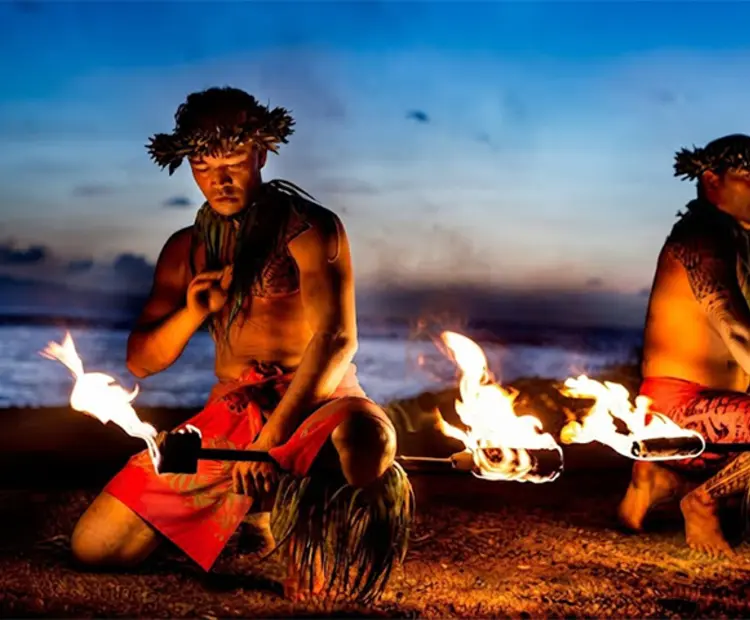
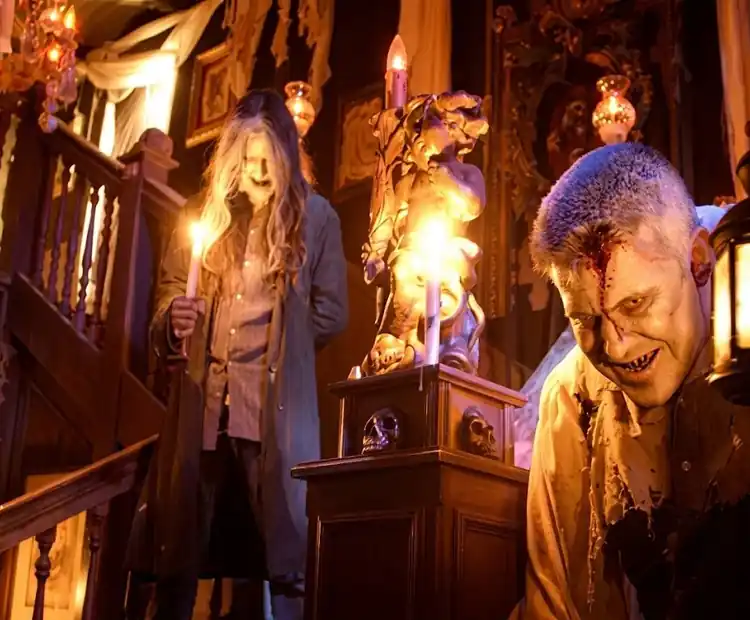
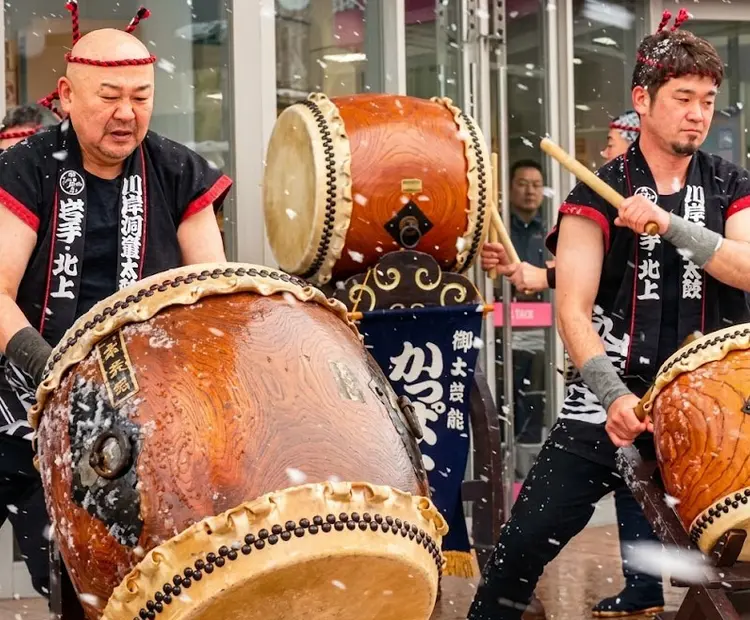
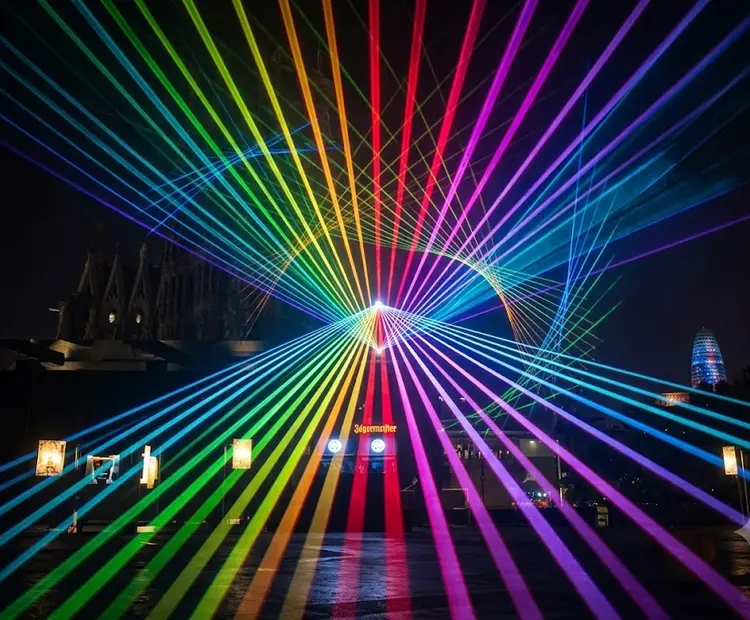
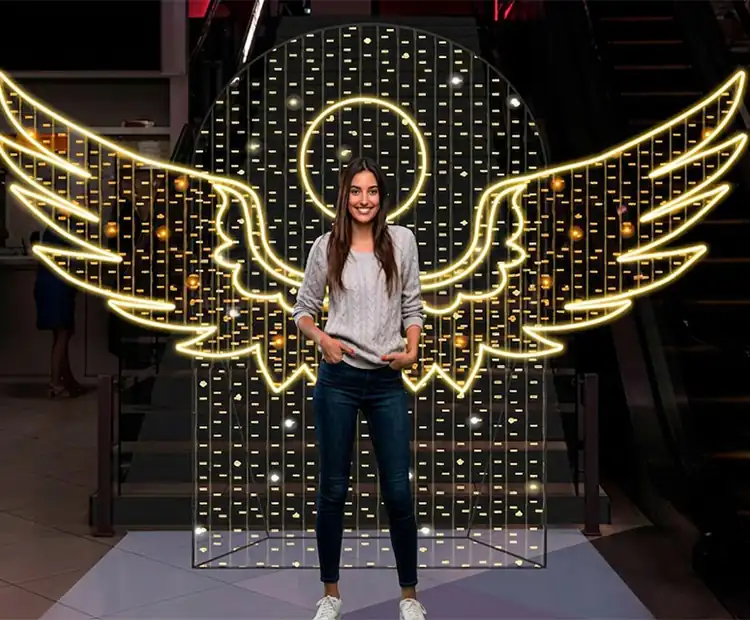
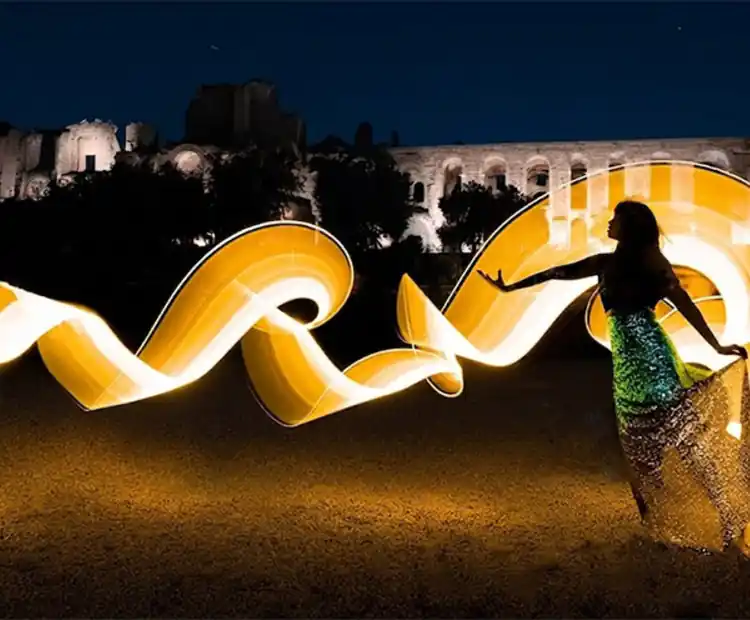
The formats we use run from virtual reality, which can literally put the visitor inside the product, to physical sets with actors, via sensory experiences using light, sound and scent, and custom games with their own narrative. The choice depends on space, on how much time the visitor has and on how many people must be served per hour.
We produce everything: structures, digital content, lighting, characterised staff and the visitor flow. And we test it before the day of the event, because an experience depending on several coordinated elements cannot premiere in front of an audience without the full journey having been rehearsed.
If the brand talks about speed, the visitor measures theirs. The design work lies in turning the message into something done rather than something read.
Space, light, sound, activity and staff are designed together. When one of them jars, the experience reads as decoration with a game inside it.
An experience with several coordinated elements does not premiere in front of the public. We rehearse the full journey before the event.
What the brand says, to whom and in what tone, and how long each visitor will be inside.
Journey, central activity, set, content and hourly capacity.
Structures, digital, lighting and staff, with a full test before the day of the event.
Delivery with our team and a count of visitors, times and participations at the end.
A full brand experience is not always the right answer. If the goal is handing out ten thousand samples in a weekend, a fast sampling activation performs far better. If the goal is two thousand people remembering a specific brand attribute six months later, then yes: the experience is the only format that achieves it.
So we always ask about the objective before proposing. It is a conversation that sometimes ends with us recommending something cheaper and simpler, because it suits the goal better. We prefer that to producing an impeccable experience that does not achieve what it was booked for.
Three to six weeks for a complete experience with bespoke content. If the date is closer, we propose versions personalised on screen only, with modular set, which prepare in less time.
It depends on the format. An individual VR experience moves twenty or thirty people an hour; a zoned journey with groups can reach a hundred. We size it against your expected attendance.
Both. At fairs the format has to adapt to limited square metres and short dwell times, but the approach is the same. In fact it is where it stands out most against conventional stands around it.
Routinely. We start from the concept and creative work that already exists and handle the translation into physical experience: what gets built, what the visitor does and how it is operated.
Yes, and it is the most cost-effective way to amortise it. We design with modular, transportable structure when we know there will be a tour, which shapes some production decisions from the start.