


Reads from the aisle
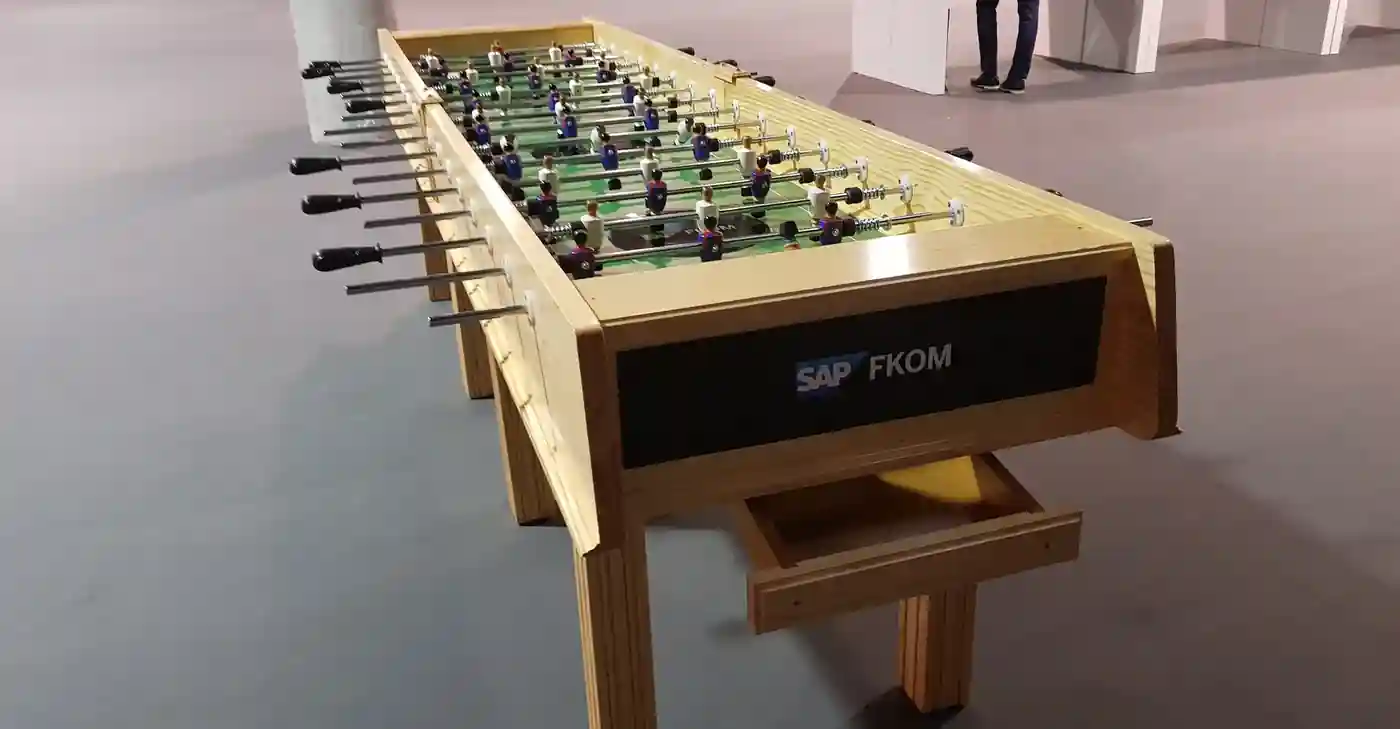
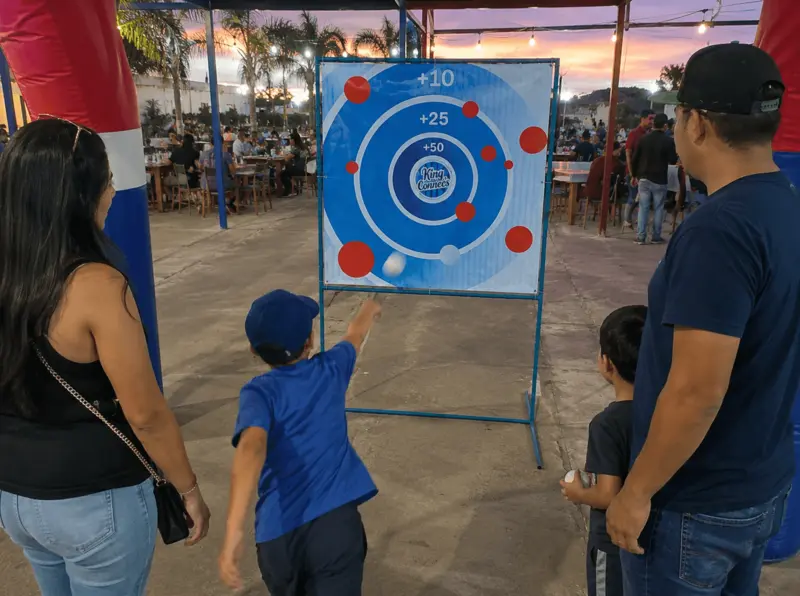
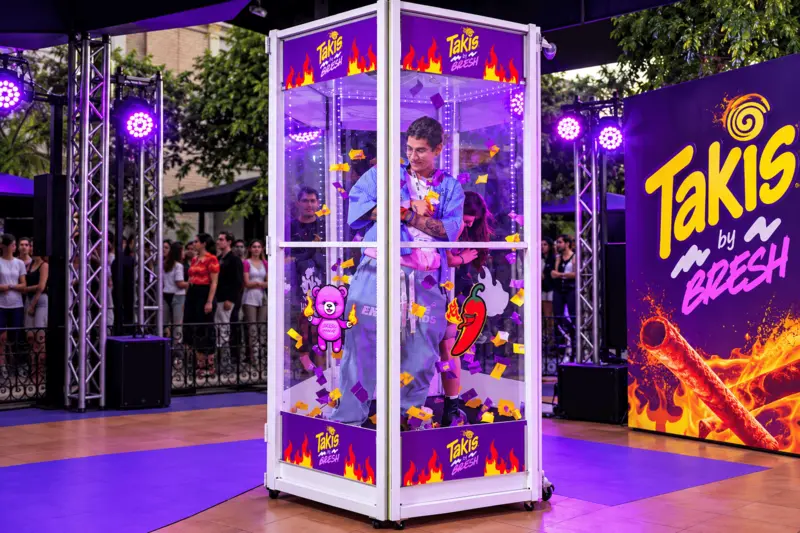
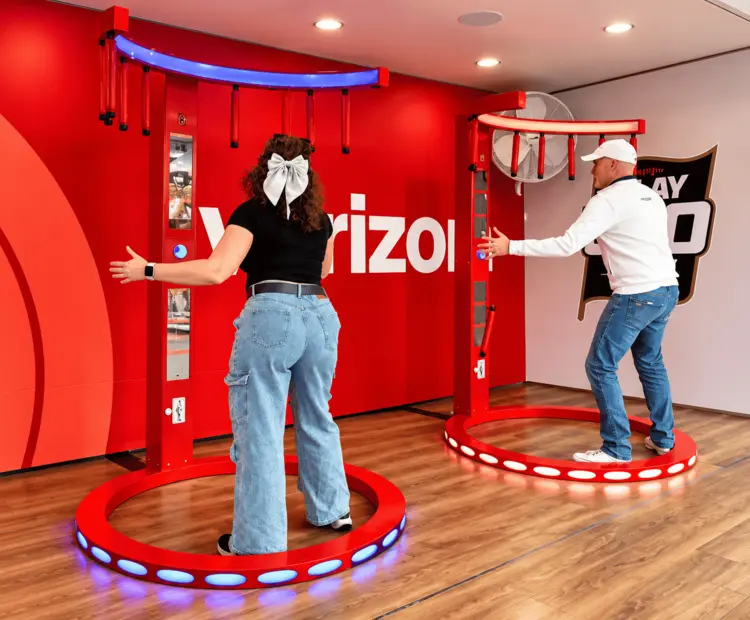
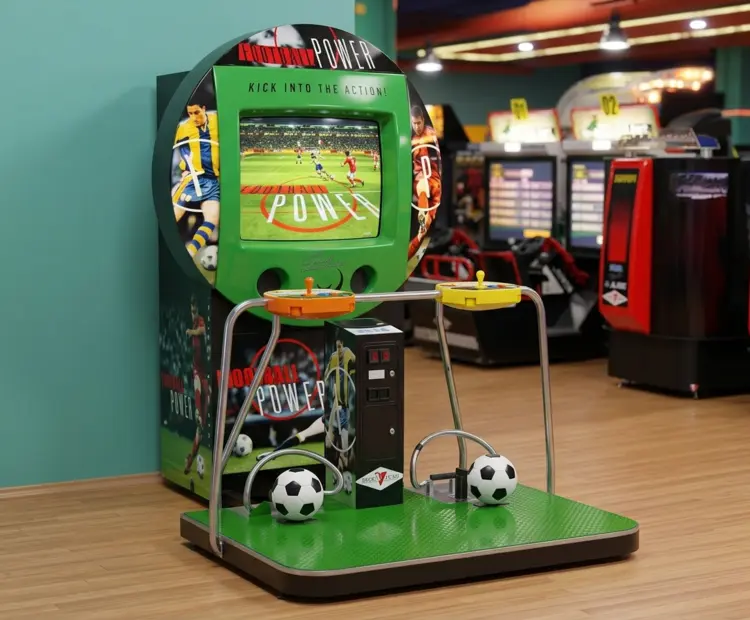
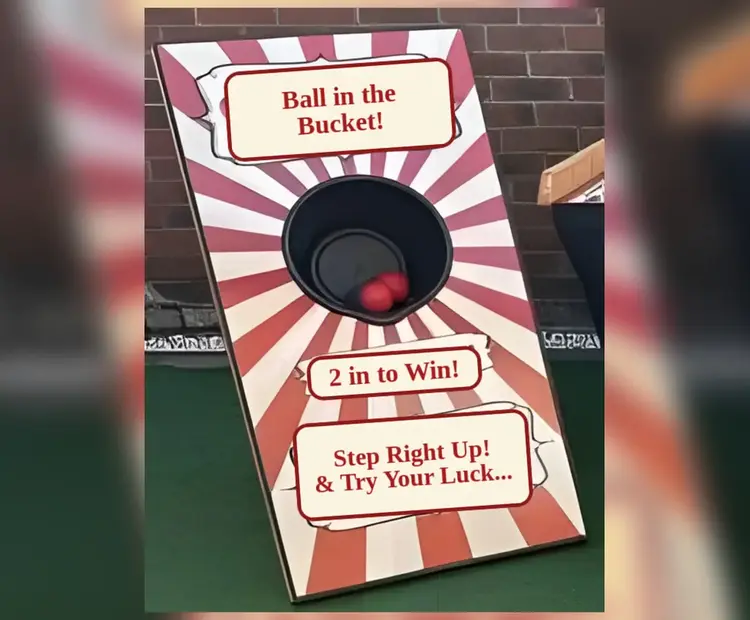
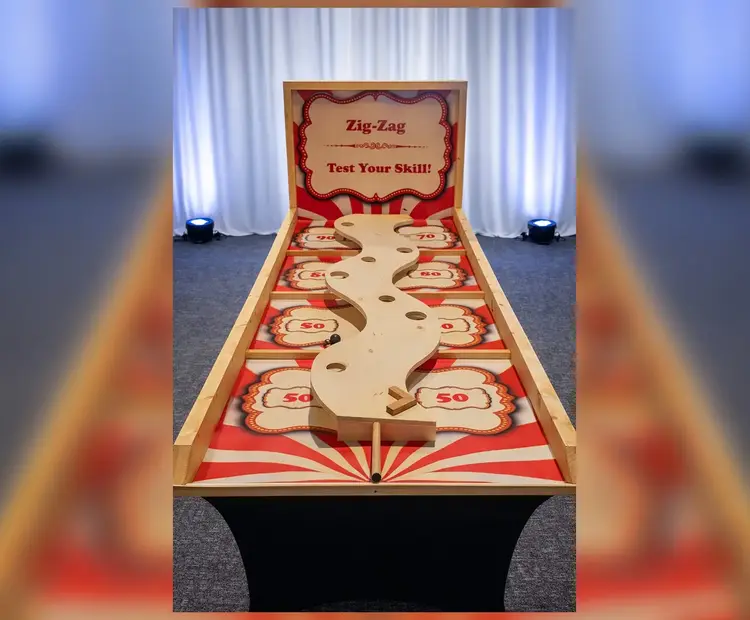
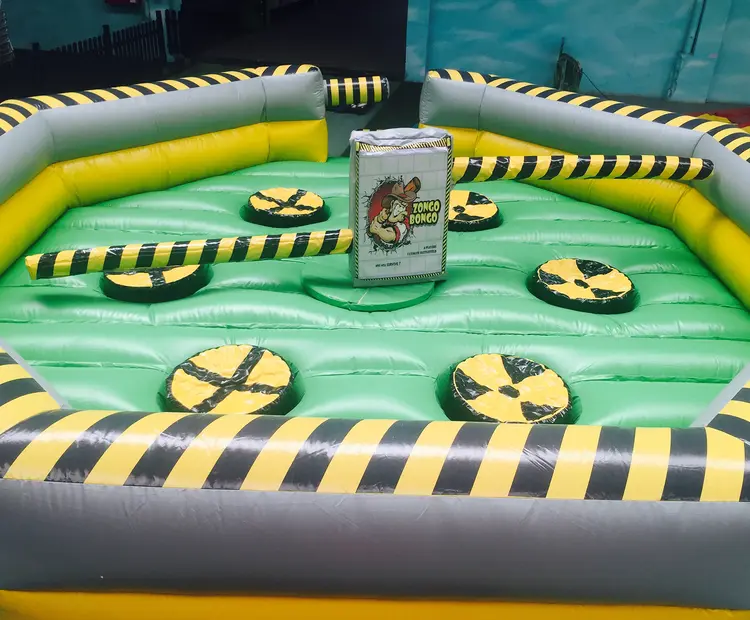
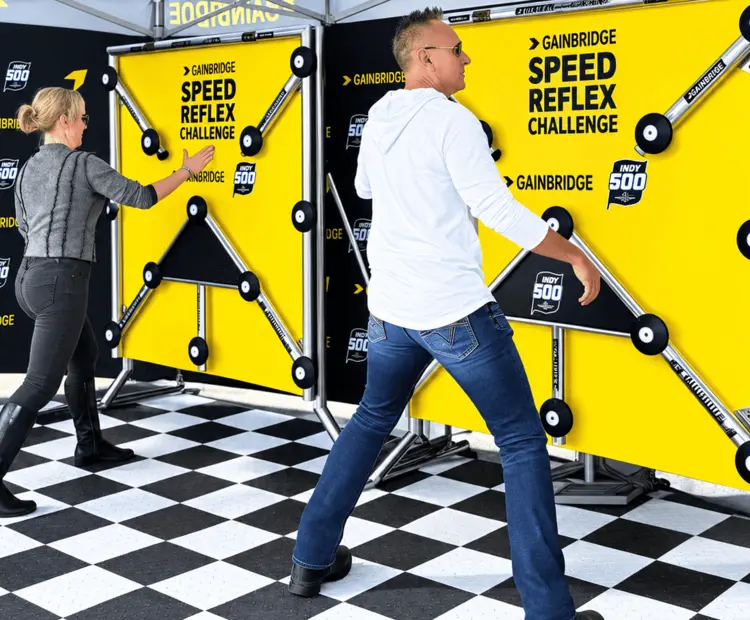
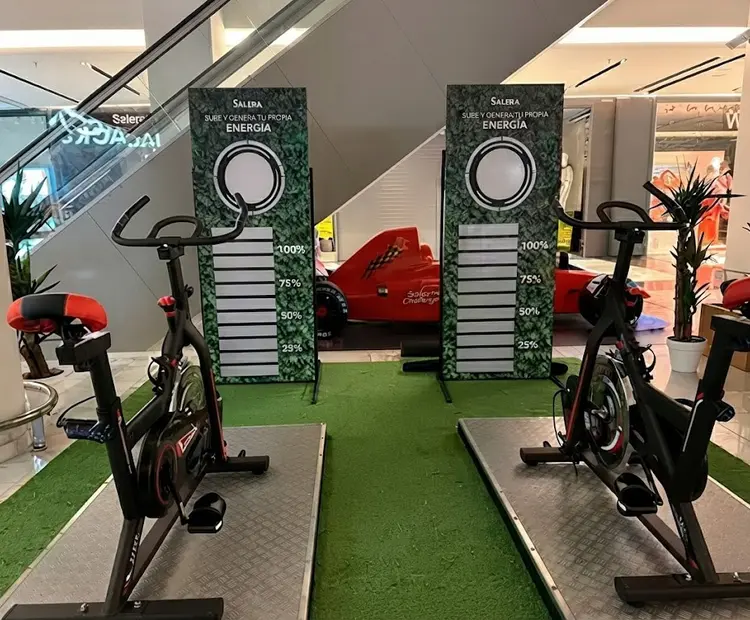
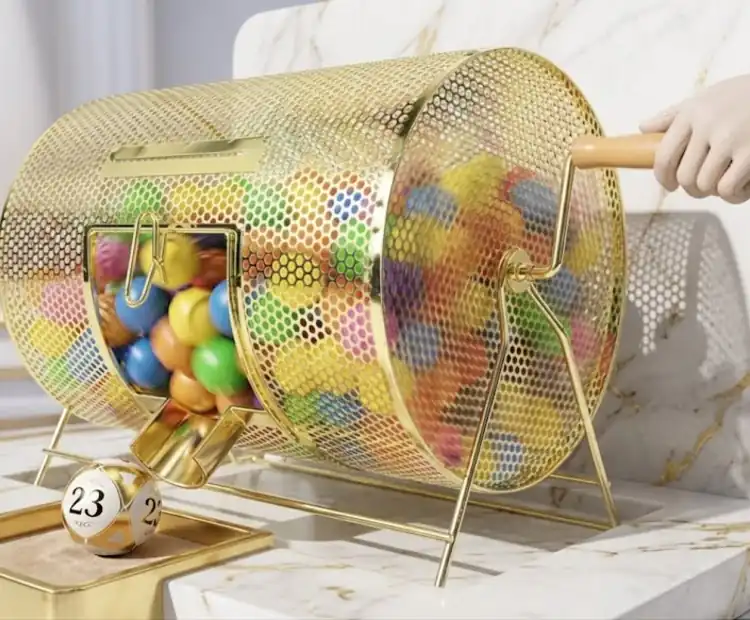
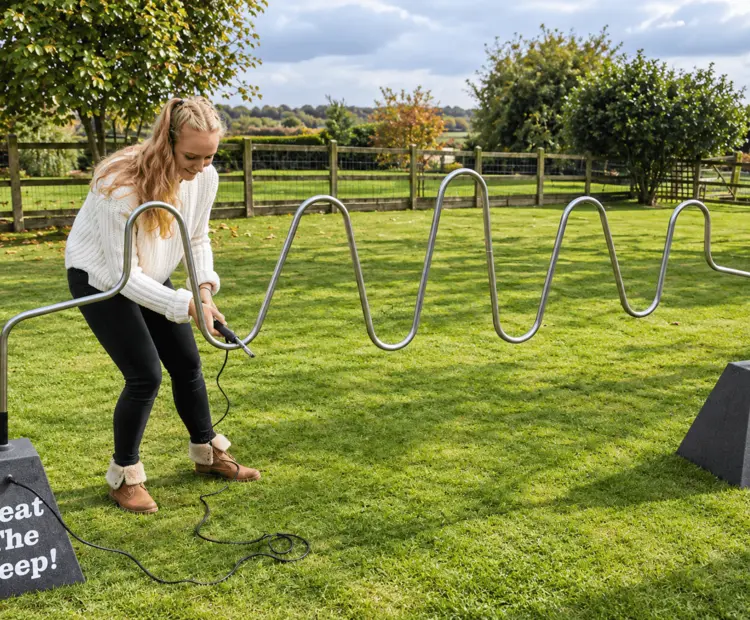
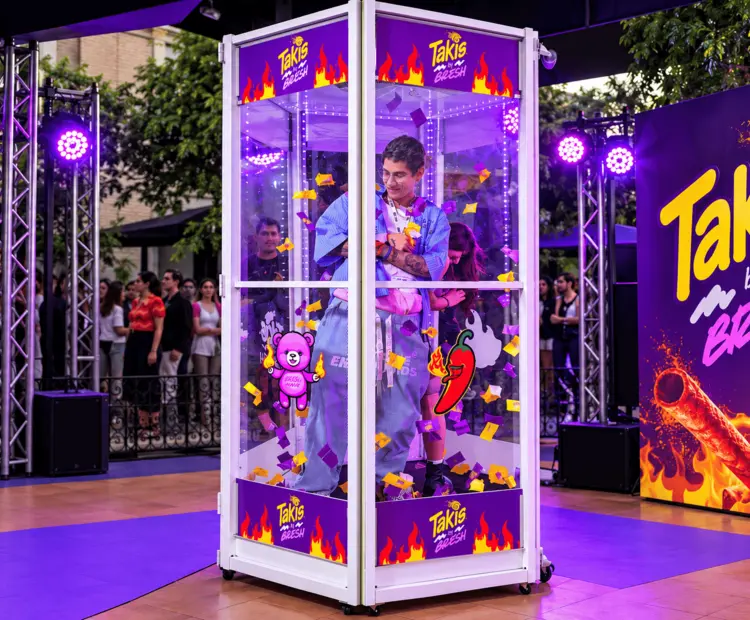
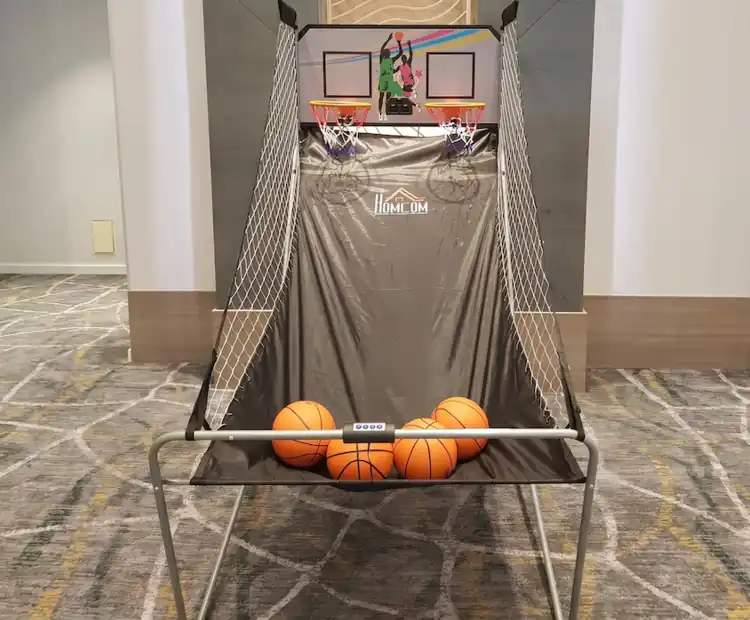
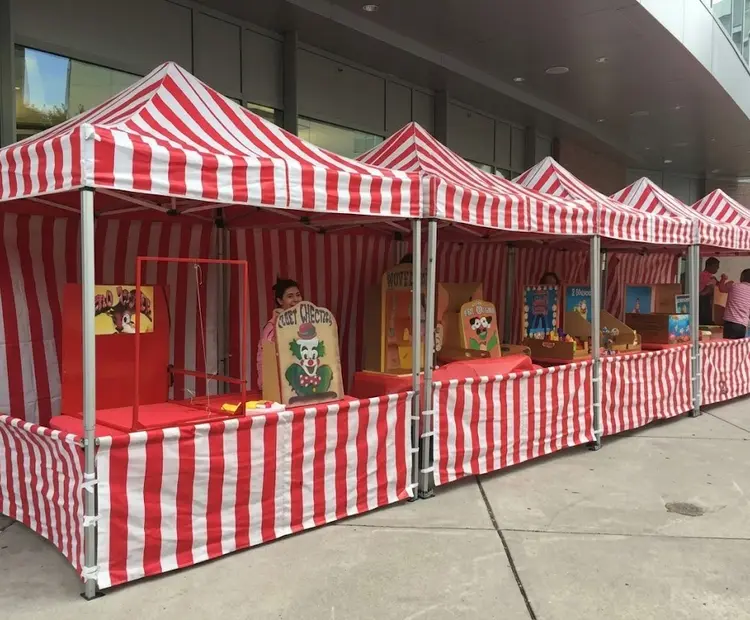
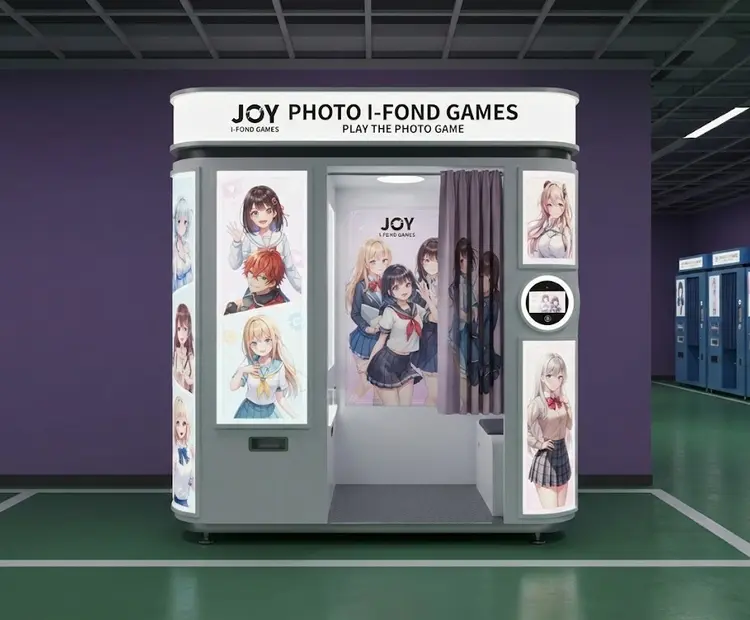
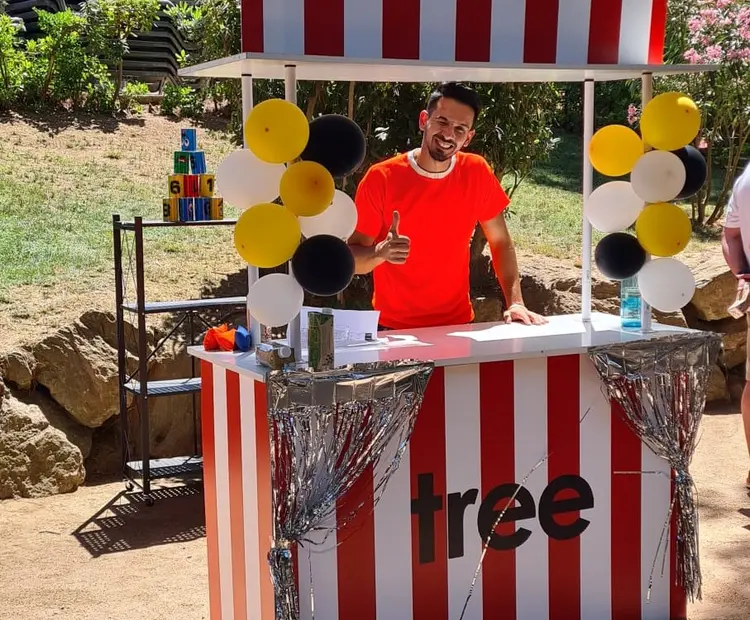
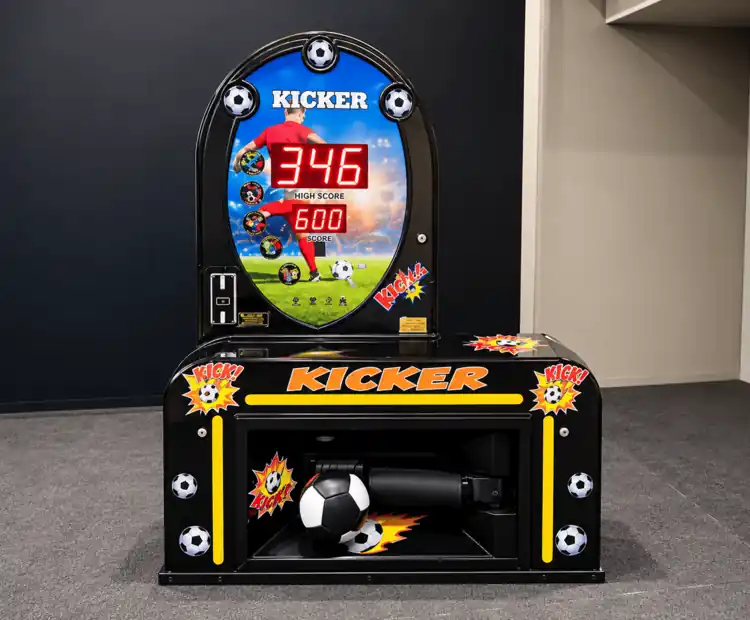
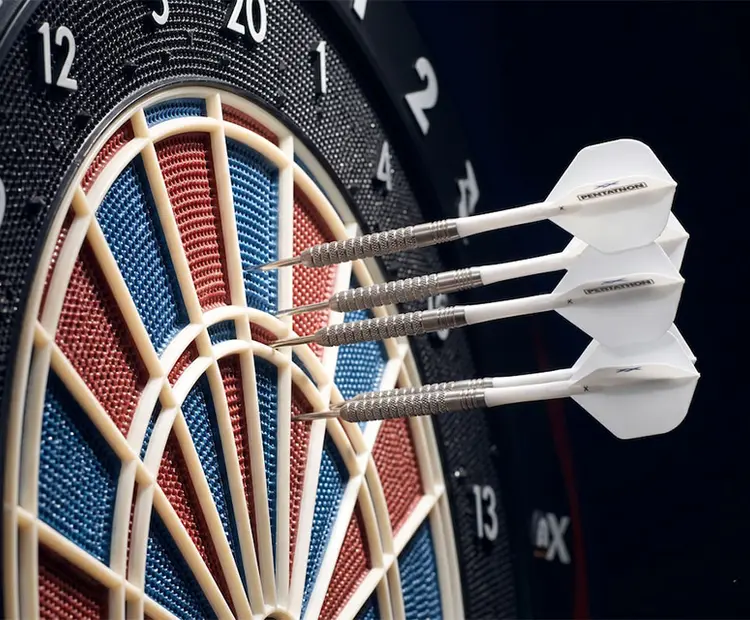
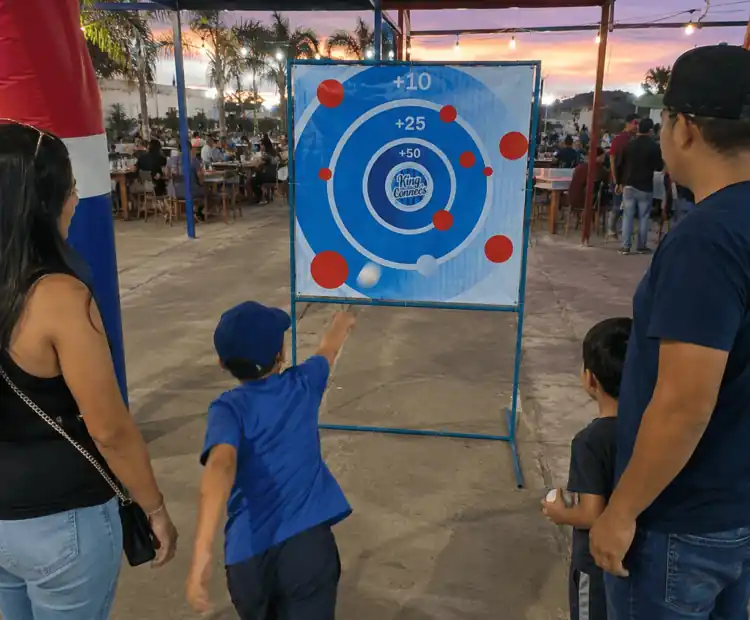
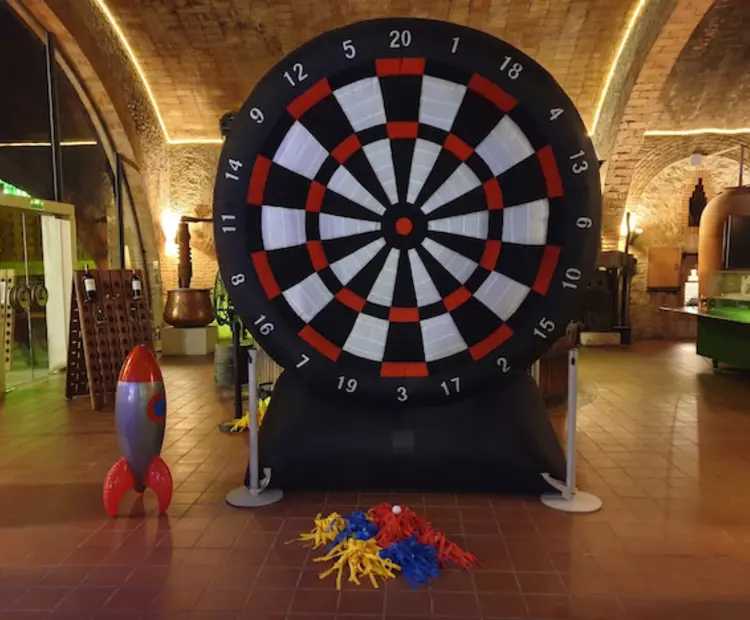
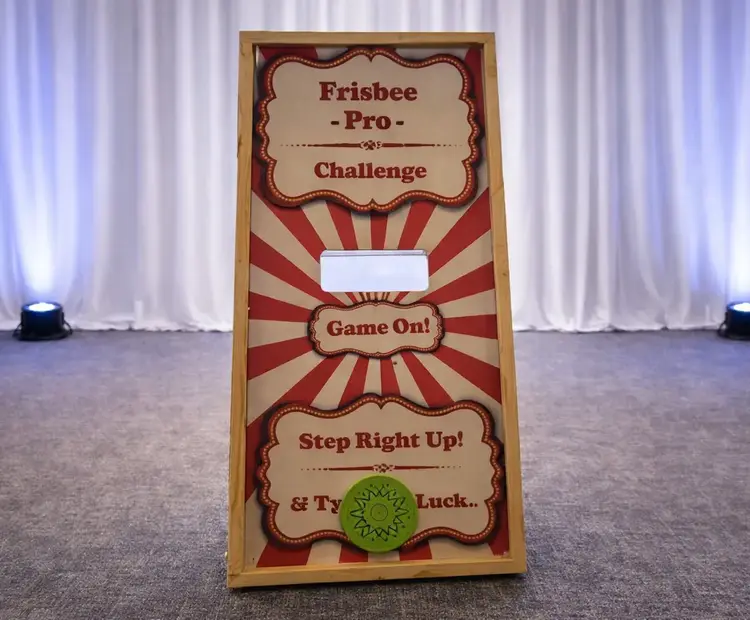
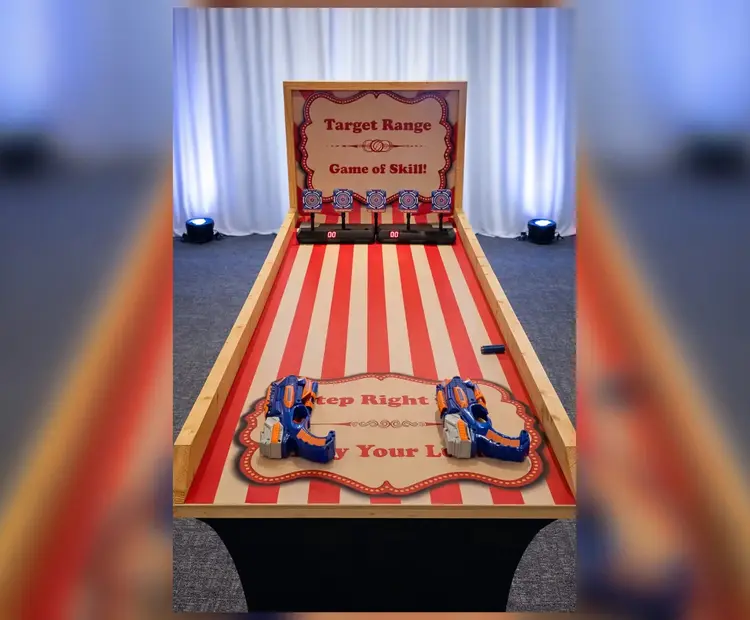
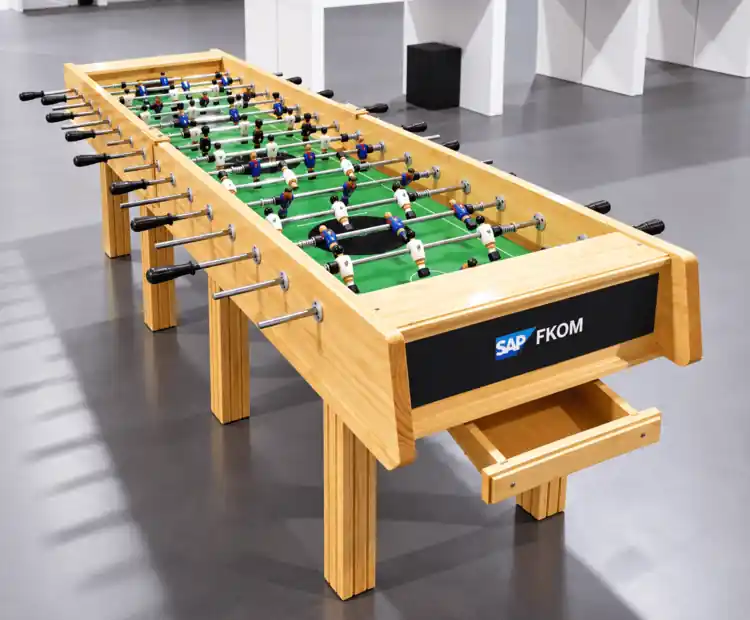
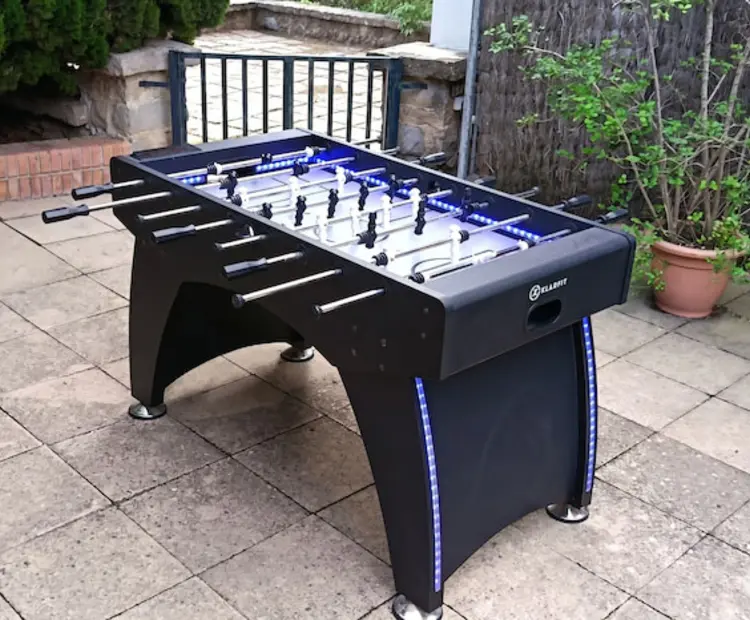
We pick activities that explain themselves from a distance. If a visitor has to walk over to work out what it is, they have already gone: hence our preference for games with movement, light or a visible scoreboard.


Events
Trade fairs, congresses and conferences are professional gatherings within an industry where companies exhibit on stands, talks are given and business contacts are made.
Games, entertainment and lead-capture mechanics that fill your stand and turn visits into contacts.
We have spent years running the entertainment side of trade fairs, congresses and conferences at Fira de Barcelona, IFEMA and venues across Spain: games that stop visitors, mechanics that capture their contact details, and staff who know how to work a stand.
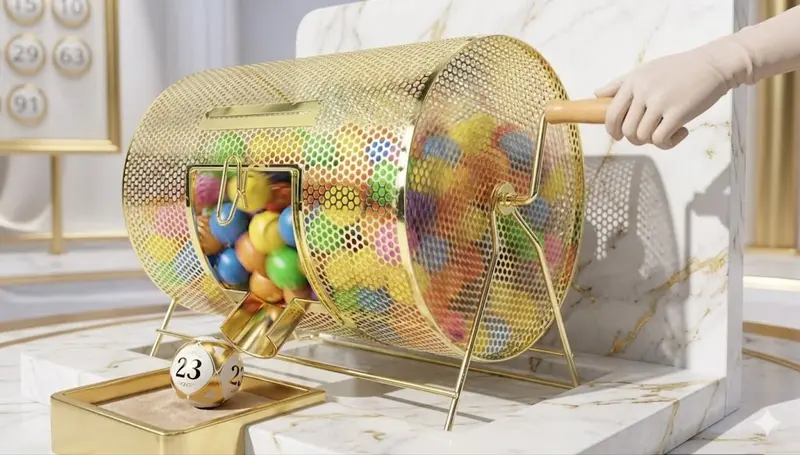
A trade fair visitor walks with a purpose and in a hurry. They pass a hundred stands and stop at five. The stands that stop them are rarely the most expensive ones: they are the ones offering something understandable from three metres away and resolvable in under a minute. A reflex game, a prize wheel, a simulator, a screen with a ranking. The queue does the rest, because at a fair people stop where other people have already stopped.
The second problem is different: stopping them is fine, but if nobody captures the contact, the investment does not come back. So we build the capture mechanic alongside the game, not after it. The visitor plays, and to enter the ranking or collect the prize they leave their details on a tablet, scan their badge or get the voucher by email. They leave with something and you leave with a list, which is exactly why a stand is booked.
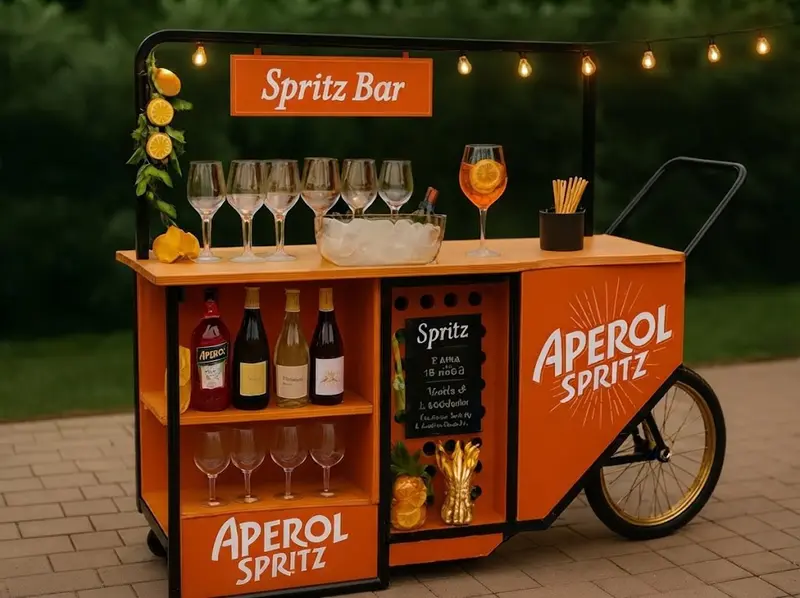
At congresses and conferences the approach changes, because the audience is seated most of the day. There, services that occupy the breaks work better: caricaturists, close-up magic, express massages, coffee or ice cream carts, a photo booth near the catering. Short activities that do not compete with the programme and that make the breaks memorable, which is where a congress's real networking happens.
There is an upfront decision worth getting right: whether the activity sits inside the stand or on its frontage. Inside draws fewer people but filters better, because anyone who walks in has already decided to engage. On the frontage it draws far more but creates congestion in the aisle and sometimes annoys the neighbour. Our recommendation depends on the objective: for volume of contacts, frontage; for quality conversations with specific profiles, inside with a salesperson beside it.
We pick activities that explain themselves from a distance. If a visitor has to walk over to work out what it is, they have already gone: hence our preference for games with movement, light or a visible scoreboard.
The capture mechanic is built in: ranking, prize draw or reward in exchange for the detail, by tablet or badge scan. At the end of the fair we hand you the full list.
Hosts and monitors briefed on your script, who approach without pressuring, explain the game in ten seconds and know when to hand the visitor over to your sales team.
Square metres, venue, dates, opening hours and any height, floor or power restrictions the venue imposes.
Which game fits your footprint, how many people it moves per hour and how the contact is captured, at a closed price.
Accreditation, build slots, documentation and insurance. Large venues have their own processes and we know them.
We build before opening, activate through the full show hours and send you the daily participation count.
The work of a trade fair does not start on opening day. Accreditation, equipment documentation and build windows are processed weeks ahead, and they are the most common cause of last-minute problems. We handle it as part of the service, but we need your stand details early so we can meet the venue's deadlines without late-submission surcharges.
There is work after the fair too. We hand over the participation count by day and by time slot, plus captured contacts if the mechanic included them. It is information worth reviewing before deciding next year's investment: it usually shows clearly which days and hours justified the stand and which did not.
Regularly, and also at venues in Valencia, Bilbao and Zaragoza. We know their accreditation processes, build schedules and documentation requirements, which are usually the slowest part to organise.
Options range from just over a square metre to multi-metre zones. Tell us the stand's real free area rather than its total, and we will propose only what fits without blocking the walkway.
Yes, that is the norm. Capture can run on a tablet, via badge scanner or through a form on the game screen itself. We hand over the data in whatever format your CRM uses.
Yes. The standard is full days from opening to close, with our staff rotating to cover breaks. You can also book specific time slots if the goal is concentrating footfall at particular hours.
Yes. Large venues have very specific build windows, often overnight, and we work to them. We need to know your allocated slot and the load-in access so we can organise the crew rather than improvising the day before.