
A scoreboard that hooks people in
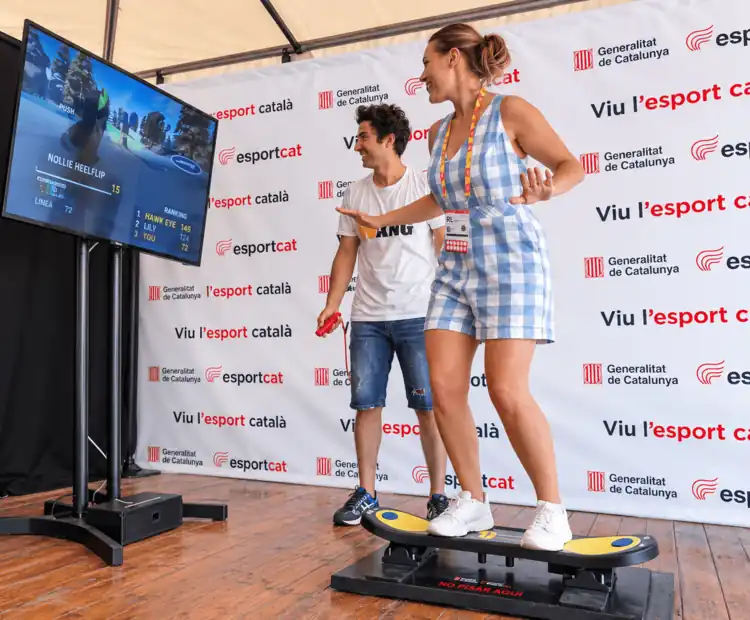
A visible on-screen ranking builds a queue without anyone having to encourage people to play. The first curious visitor brings the second within minutes.


Events
A simulator is a machine that recreates a real activity, such as driving, skiing or surfing, using a moving seat or platform and a screen, so it can be tried at an event.
Driving, motorbike, ski, surf and virtual reality simulators for events: short queues, a real scoreboard and the feel of a genuine competition.
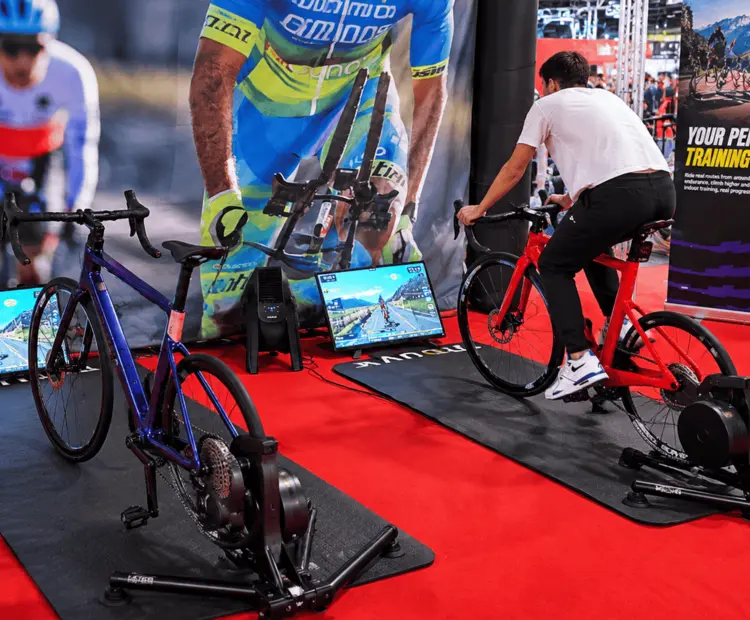
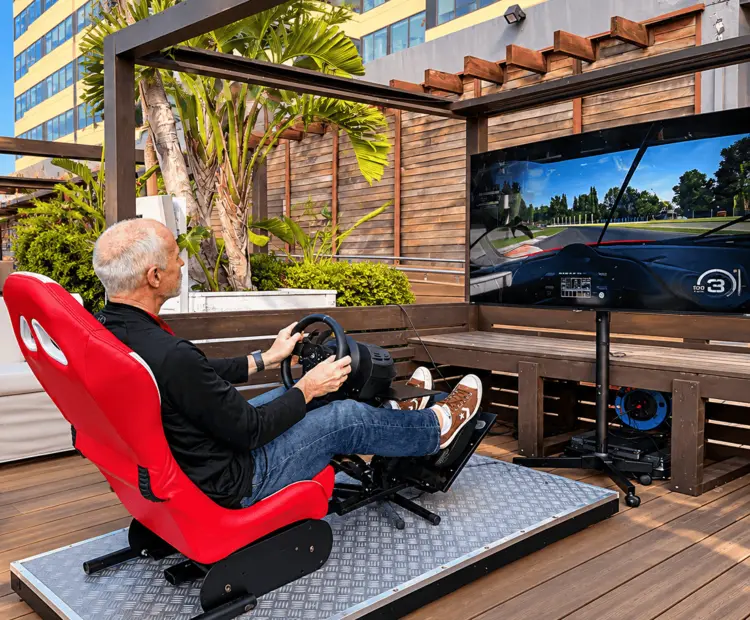
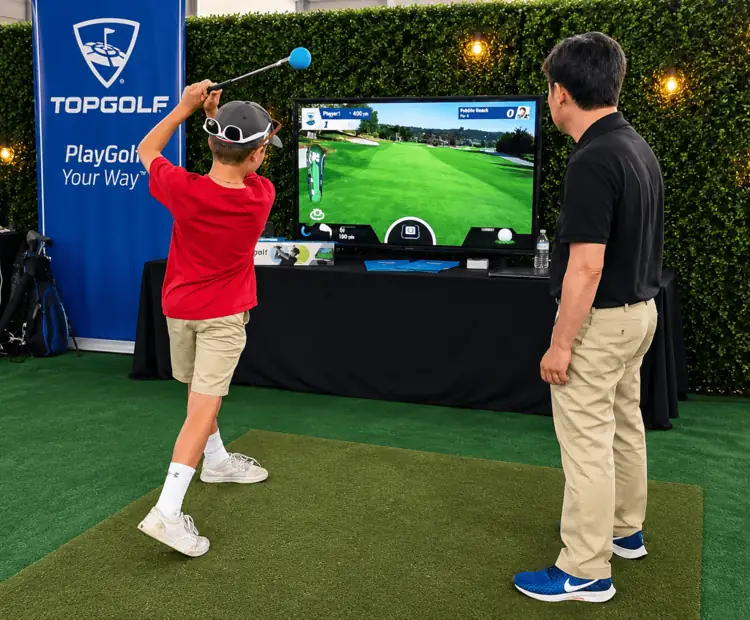
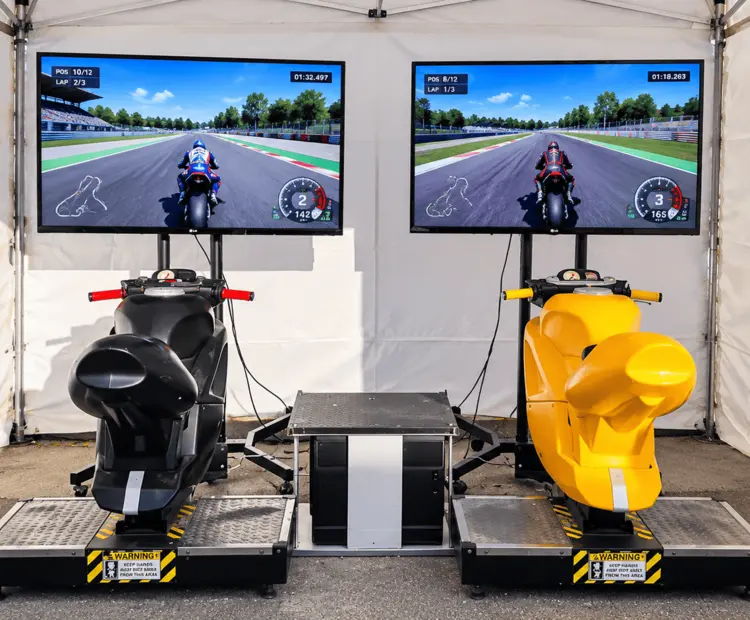
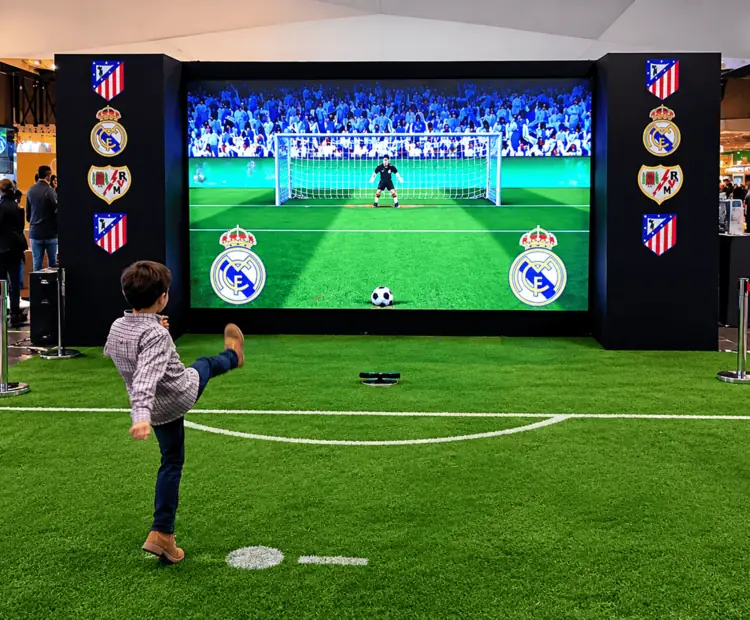
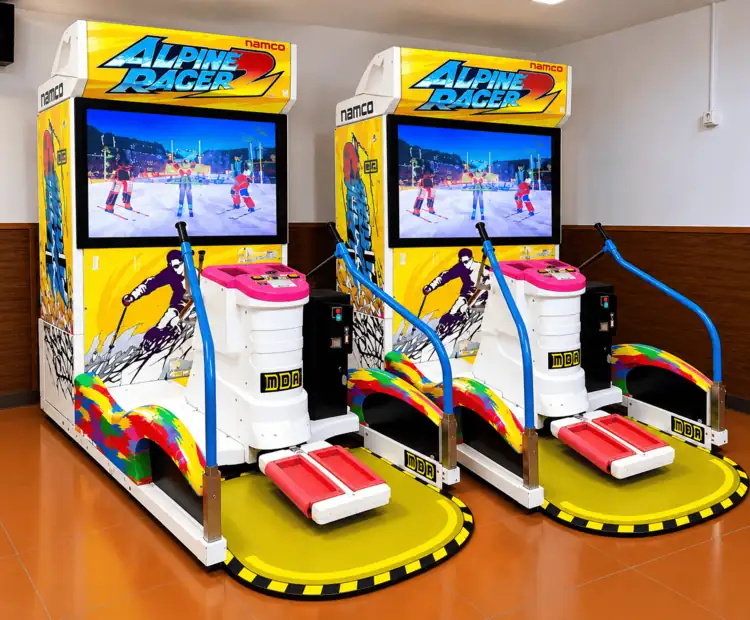
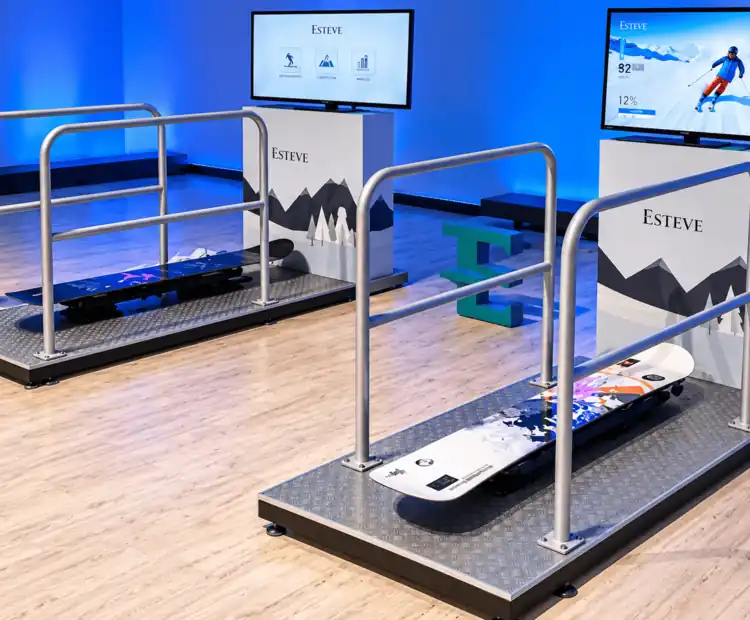
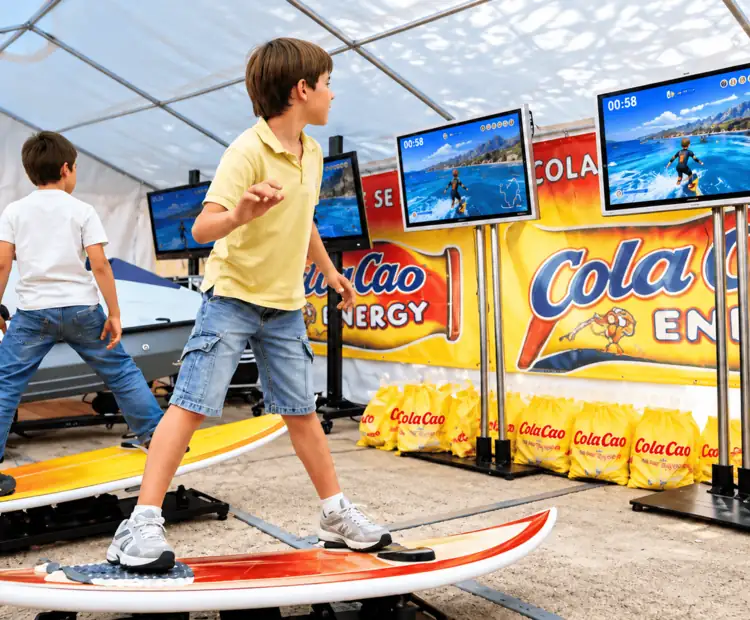
We bring driving, MotoGP, ski, snowboard, surf, penalty, virtual shooting and VR simulators to trade fairs, congresses, brand activations and company parties, with a scoreboard, an on-screen ranking and an operator running every round.
A simulator solves a problem almost no other entertainment act solves as well: it gives people an objective reason to stop. Nobody needs convincing to play when the screen next to it shows a ranking with names and times. The first curious visitor brings the second, and within ten minutes there is a queue without anyone at the stand having to recruit players from the floor.
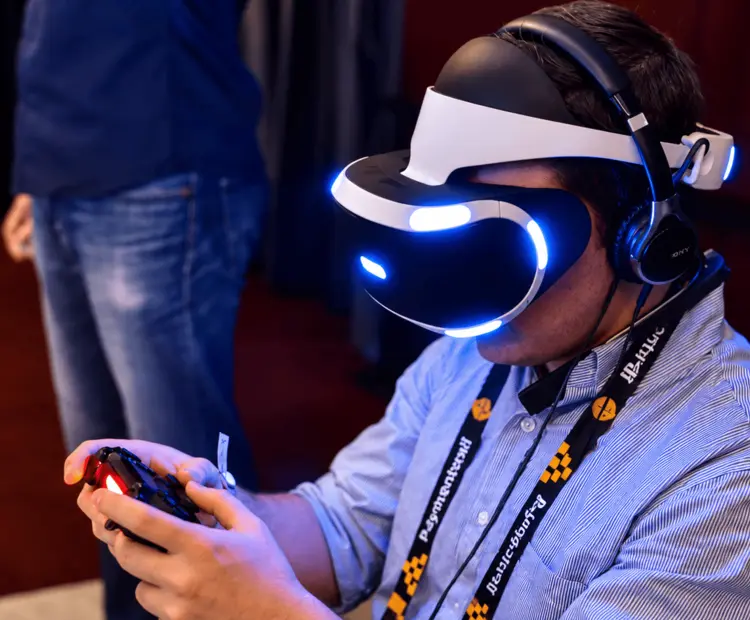
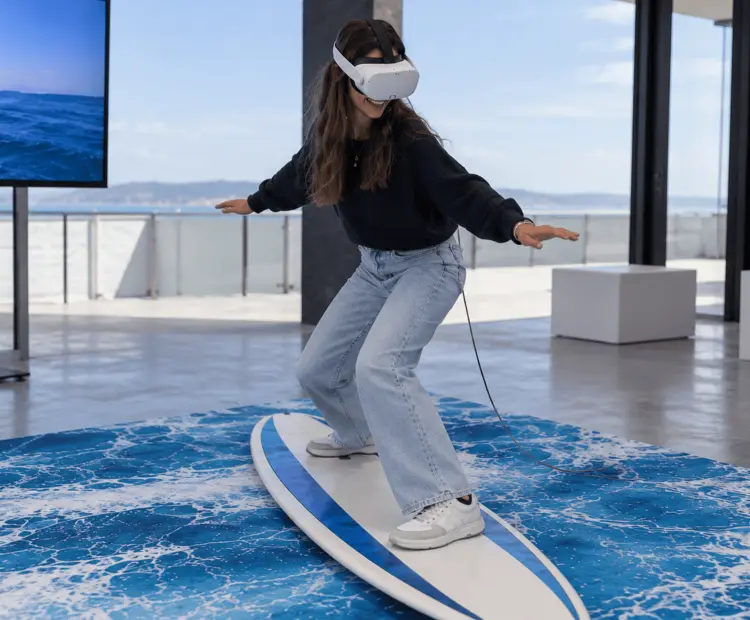
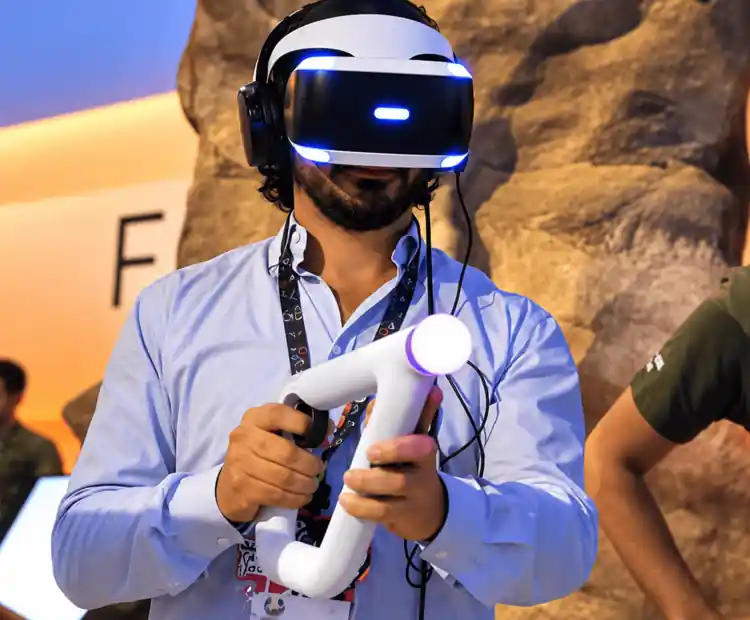
Not every simulator is the same machine with a different sticker. A driving or MotoGP simulator uses a motion platform with a force-feedback wheel or handlebar; a ski or snowboard one works balance on an unstable base; the surf one adds simulated swell; virtual shooting and VR depend on the headset and the clear space around the player, not on a cabin. Choosing the model by audience profile and the stand's real footprint avoids the most common mistake: setting up something spectacular that then does not fit or needs more safety clearance than is available.
The technical side is included, and it is not a minor detail. Platform simulators need a stable power supply and an operator who resets rounds, adjusts difficulty and keeps the queue from stalling on one player. Our staff run the scoreboard, cut turns when needed and explain the controls in ten seconds, so the simulator runs itself all day without the client having to watch over it.
For companies, the scoreboard and idle screen are branded with logo and colours, and the day's ranking can be handed over as activation material. That is what turns a fair simulator into a lead-generation tool: every round is an excuse to leave a name and email before stepping up to the machine.
A visible on-screen ranking builds a queue without anyone having to encourage people to play. The first curious visitor brings the second within minutes.
Stand-up models (shooting, VR) for tight space and platform models (driving, motorbike, ski) when there is room to spare. Picked from the floor plan, not the other way round.
Idle screen and scoreboard with your logo and colours, and the day's ranking handed over as activation material or as generated leads.
Audience type, available square metres, whether power is nearby and whether the simulator sits inside a branded stand.
Based on space and audience: motion platform, balance, shooting or virtual reality, with a closed price and an operator included.
Idle screen, scoreboard and data capture styled with your brand, if the event calls for it.
Set-up before opening, an operator on hand all day managing the queue, difficulty and scoreboard, takedown at close.
The most common mistake when choosing a simulator is watching the promotional video first and checking the stand's floor plan second. A driving simulator with a full motion platform needs a safety clearance around it that many fair stands do not have, and forcing it in creates a bottleneck that annoys neighbouring exhibitors.
That is why we always ask for the real measurements before confirming a model. With the available footprint and the nearest power point, we propose the simulator that performs best in that specific space, even if it is not the most eye-catching one in the catalogue. A simulator that runs all day without stopping beats a bigger one that has to be switched off by mid-afternoon.
It depends on the model: virtual shooting and VR run standing up, with 3-4 m² of clearance. Platform models (driving, MotoGP, ski, snowboard, surf) need 6 to 12 m² depending on the range of movement. With the floor plan we tell you which model fits.
Platform models do need a stable nearby supply, which we check before the event. Virtual shooting and VR use far less power and suit stands without a reinforced electrical setup.
With a two-to-three-minute round and an operator managing the queue, one simulator handles 300 to 500 people over an eight-hour day. With two simulators running in parallel, that figure doubles and wait times drop.
Yes. Idle screen, scoreboard and, if you want, a data-capture form before playing, all in your brand. Common at trade fairs and product activations.
Yes, always. A simulator without an operator breaks down sooner or produces a badly managed queue; our staff reset rounds, adjust difficulty and explain the controls at every turn.