
Five seconds of explanation
They explain themselves and play in thirty seconds. It is the most efficient mechanic for absorbing volume at a busy event.


Sports Events
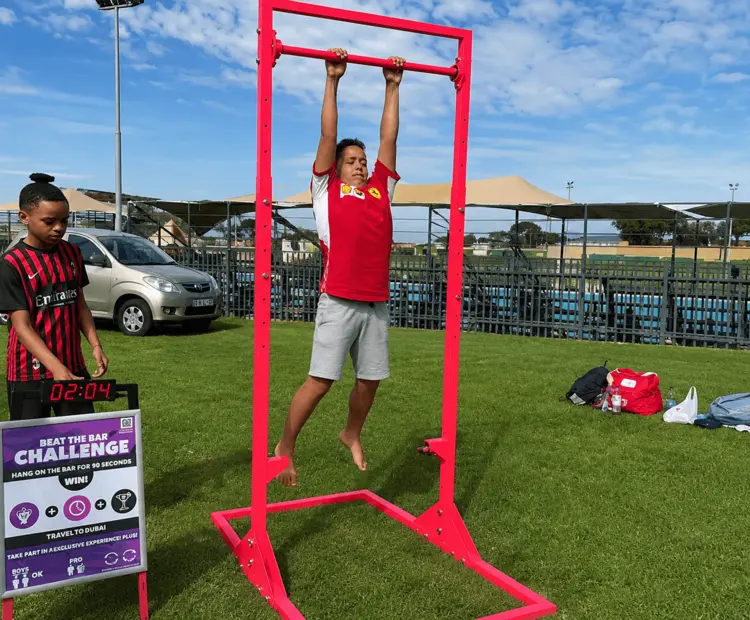
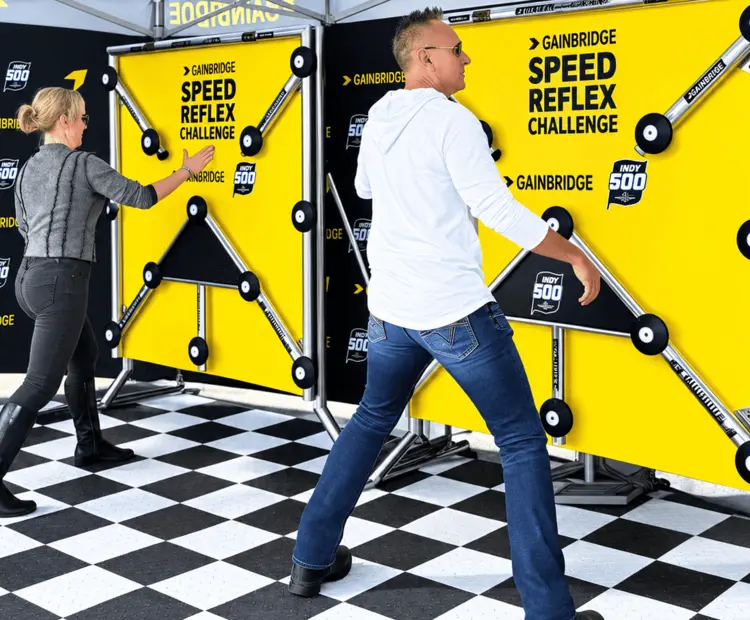
Skill and reflex games are short challenges that measure a player's reaction speed, aim or steadiness of hand, usually ending with a score.
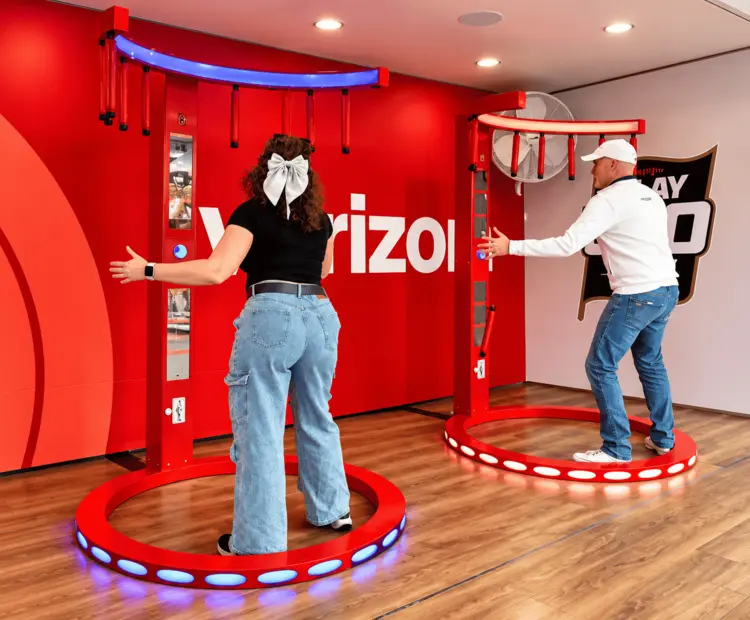
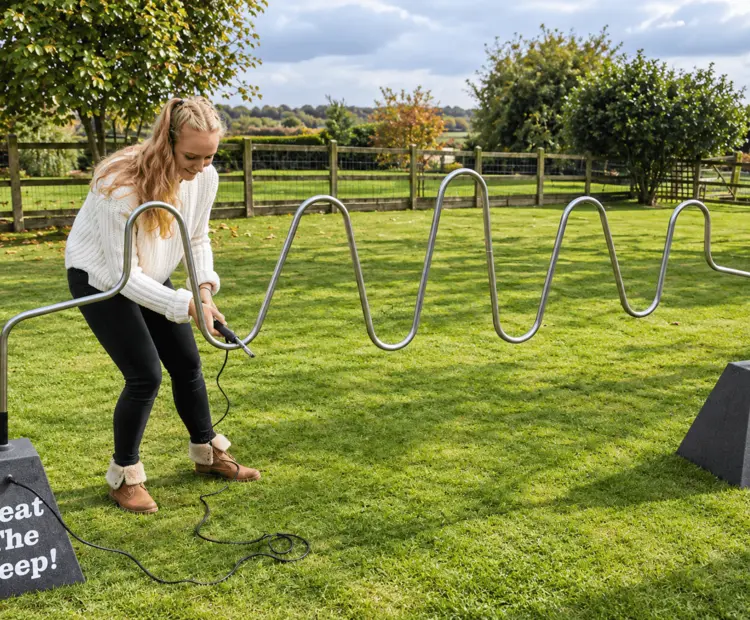
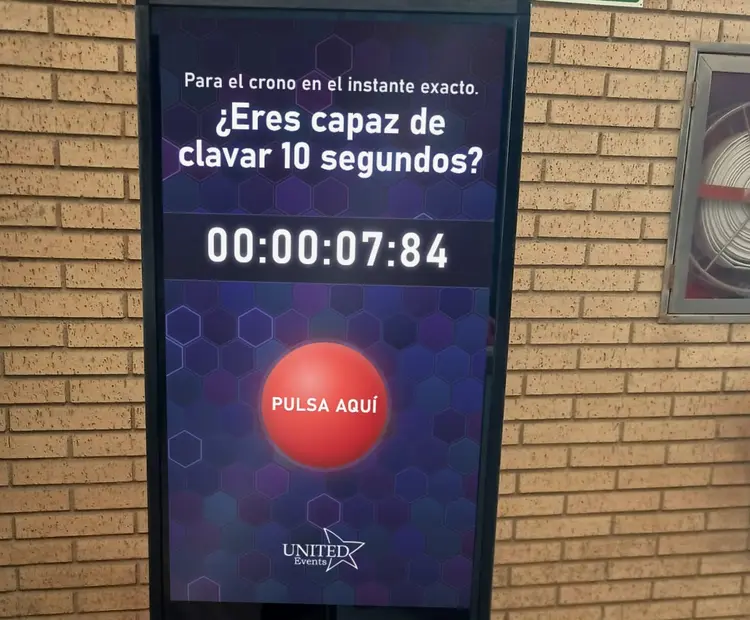
Batak, targets, buzz wire and reflex challenges: thirty seconds, a number and the immediate urge to try again.
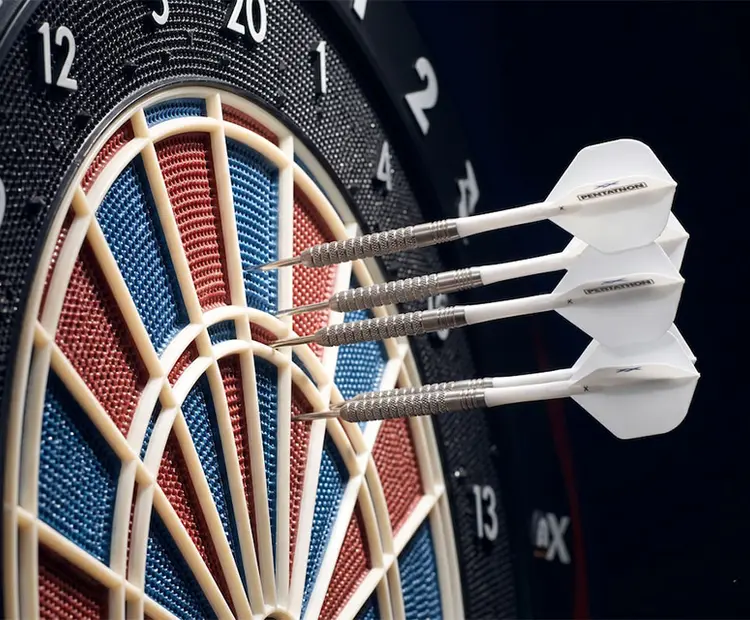
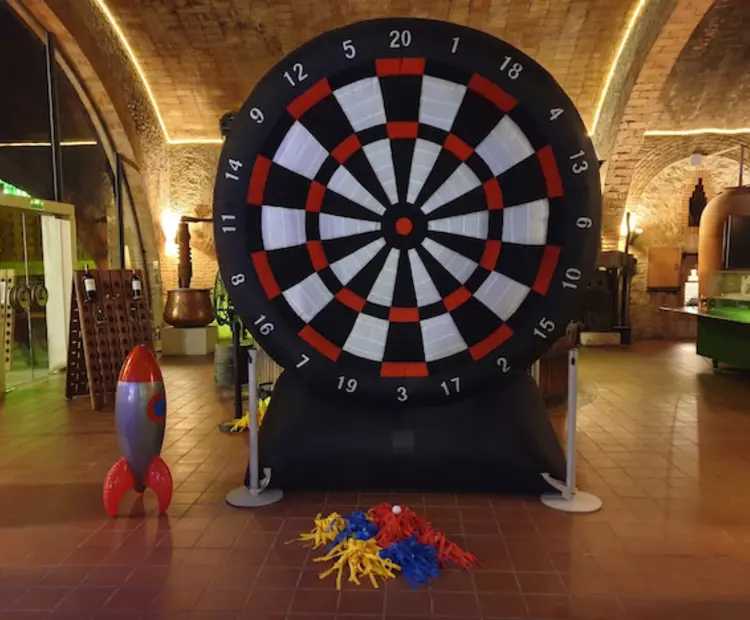
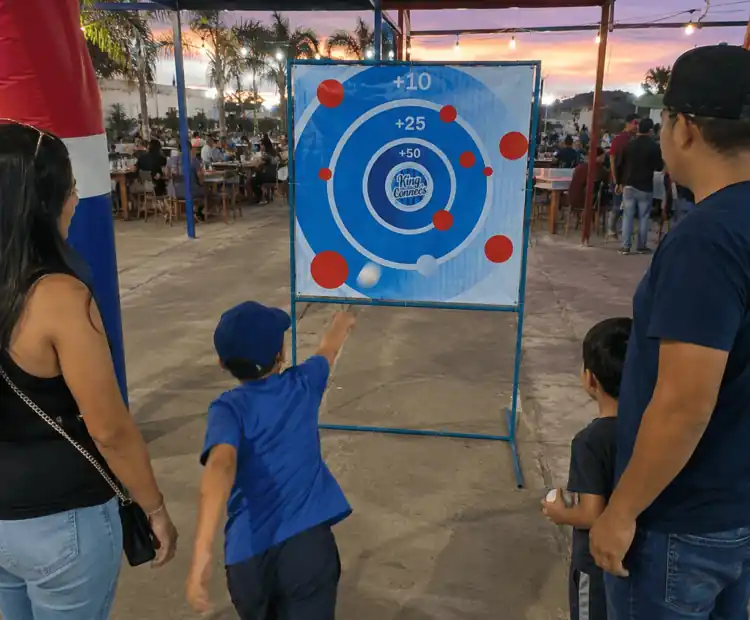
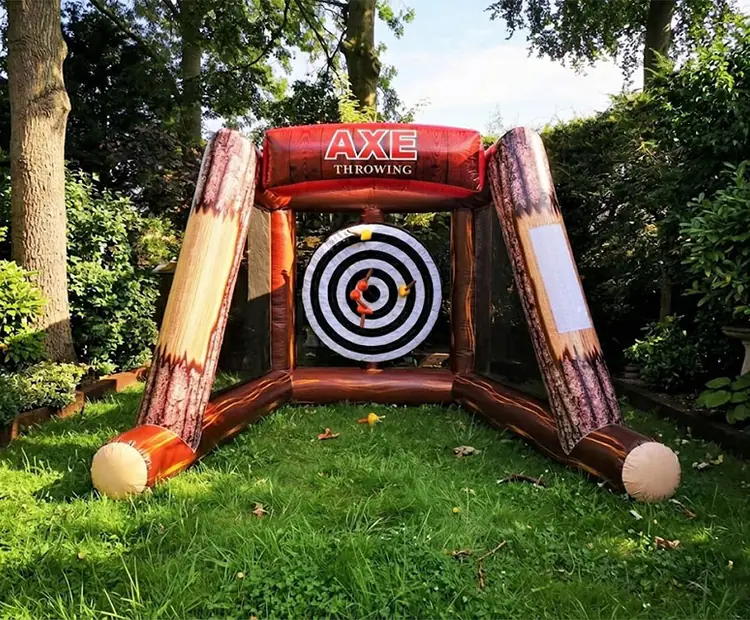
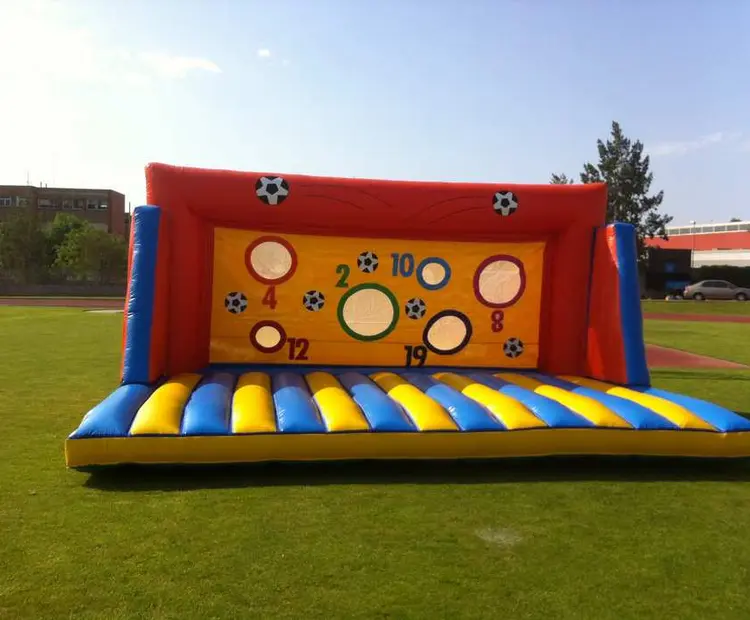
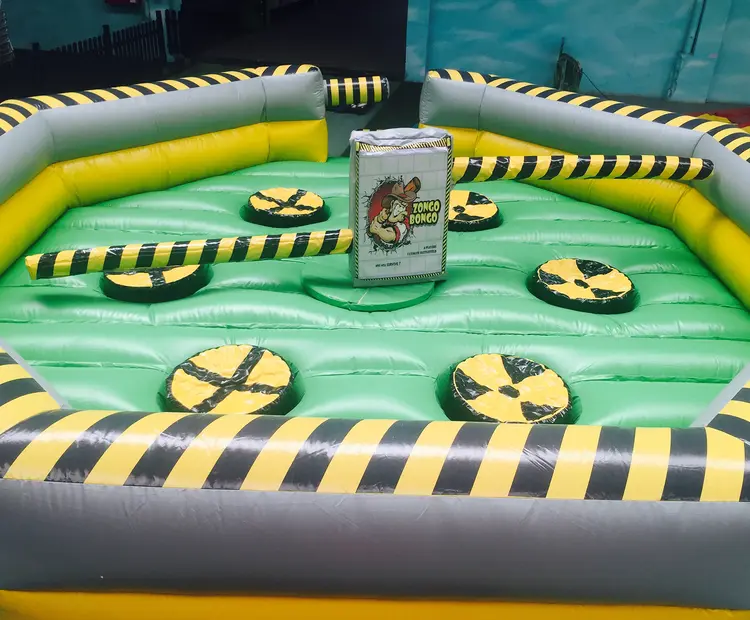
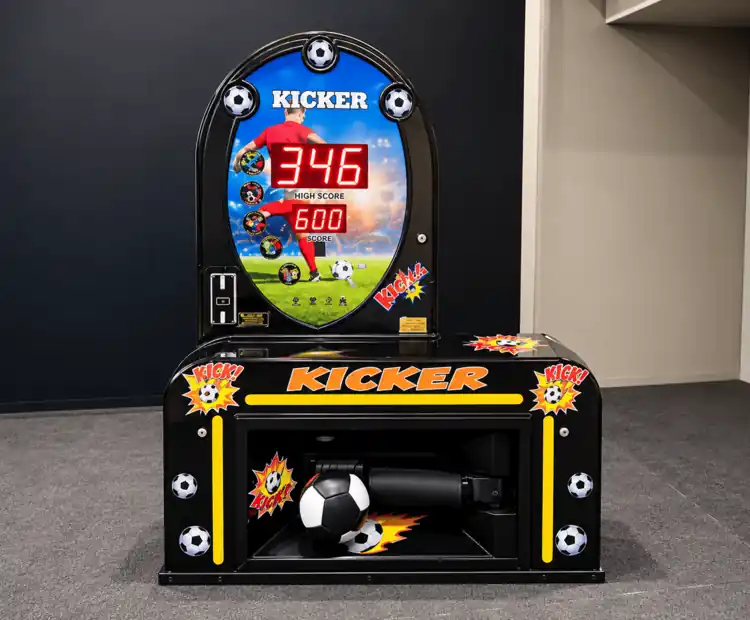
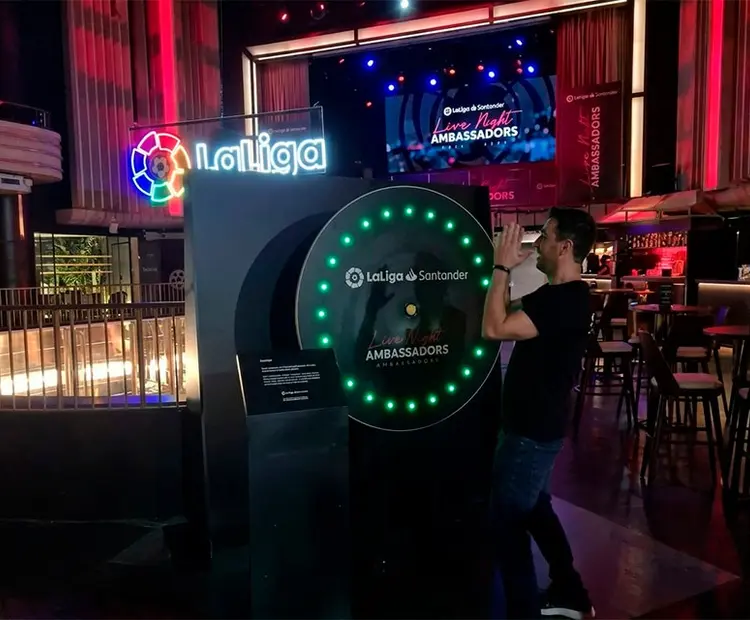
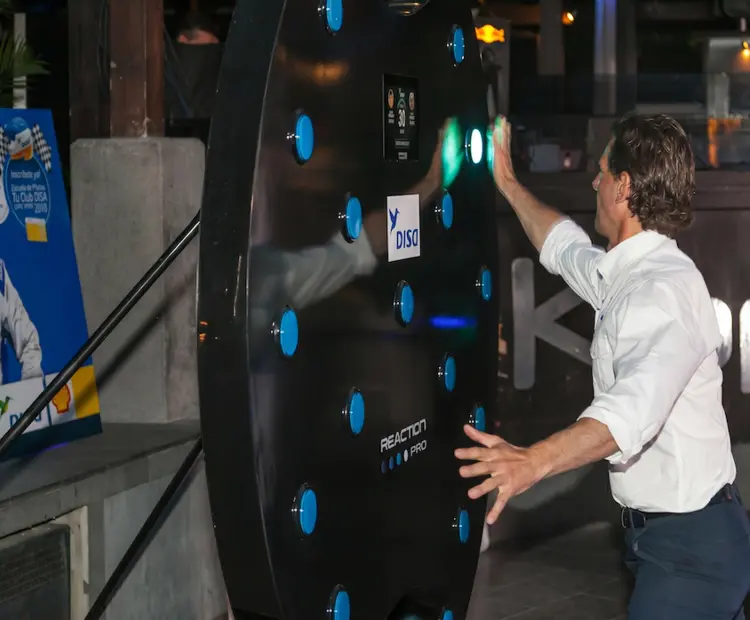
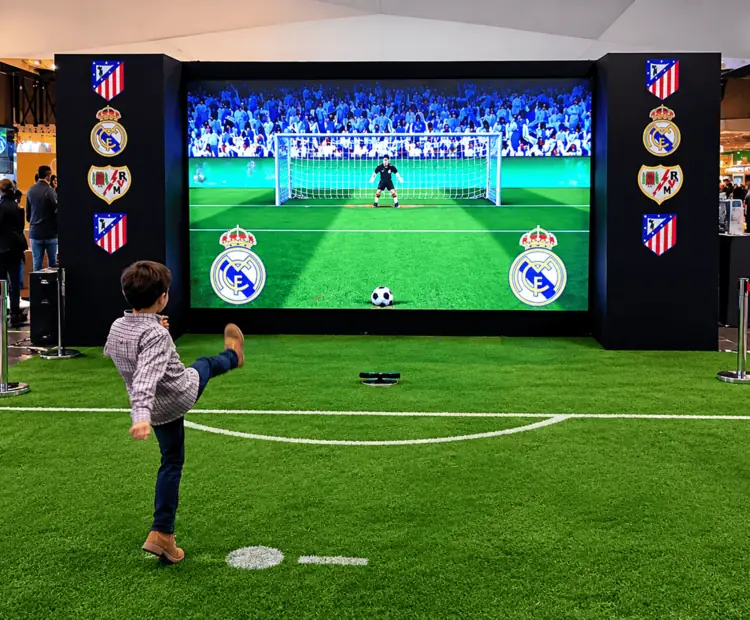
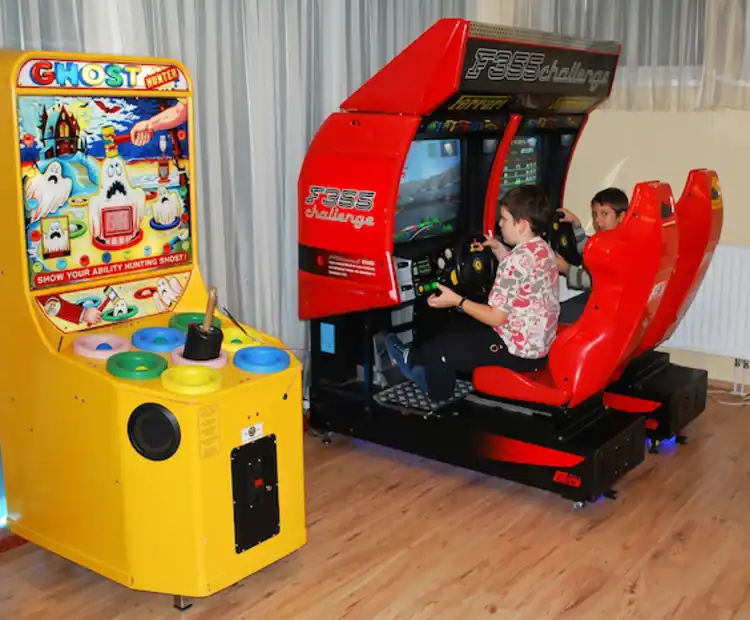
We hire out skill and reflex games for events: batak, electronic targets, buzz wire, reaction rings, accuracy boards and precision challenges, with a visible scoreboard and staff to manage turns.
Skill games have the most efficient mechanic that exists for a busy event: explained in five seconds, played in thirty and returning a number. That combination produces fast-moving queues, repeat participants and an activity that works equally well for twenty people or five hundred.
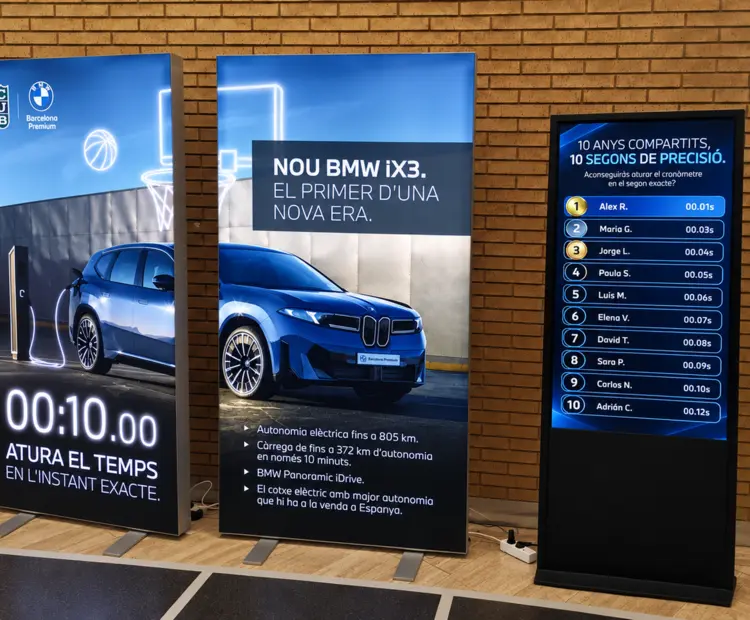
What hooks people is the measurable result. When someone scores thirty-seven on the batak, they know immediately they could reach forty, and that certainty is what puts them back in the queue. Add a board with the day's best and you have an informal competition that sustains itself for hours without anyone having to drive it.
Their other great advantage is spatial flexibility. Almost all take between one and three square metres including the player, work indoors and out, need no special surface and many run on battery. So they fit equally well on a small trade fair stand, in a fan zone, in a square or at a company party.
At busy events they are the backbone of any activity zone: several points absorb the volume and stop slower activities saturating. And in brand activations they are particularly useful, because the number they return can be tied to a prize or a ranking with contact capture.
They explain themselves and play in thirty seconds. It is the most efficient mechanic for absorbing volume at a busy event.
Someone scoring thirty-seven knows they could reach forty. That certainty puts them back in the queue without anyone asking.
One to three square metres, indoors or out, no special surface and many on battery. They fit a stand as easily as a square.
Attendance, available space, hours and whether you want data capture or just entertainment.
Which ones and how many units to absorb your hourly volume without a queue.
Scoring system, daily ranking and screen branding where applicable.
Fast build, staff managing turns and a participation count at close.
A skill game is rarely what attracts people to a zone: it lacks the visual impact of a ride or the spectacle of a large simulator. What it does is absorb the volume those pieces cannot serve, which makes it the structural element of any well-designed zone.
The combination that works best is always the same: one eye-catching piece that draws from a distance and three or four skill challenges around it taking the queues. Without the latter, the main piece saturates and people leave; without the former, the zone attracts nobody. So we propose them together rather than separately.
It depends on volume. With thirty-second plays, one unit moves around one hundred and twenty people an hour. With the attendance and event duration we calculate how many points avoid a queue.
The electronic ones do, though many run on battery for several hours. Mechanical ones, such as buzz wire or some targets, need nothing.
Yes: vinyls on the structure and, on digital units, the full screen with your colours, messages and result screen. It is one of the fastest personalisations to produce.
Electronic ones do, and support a ranking for the day or the whole event. That is what enables a final prize and a reason to ask for the participant's contact.
Recommended. Someone explaining in five seconds and managing the turn doubles participations against an unattended game, and prevents people crowding without order.