



Discharges the plenary morning
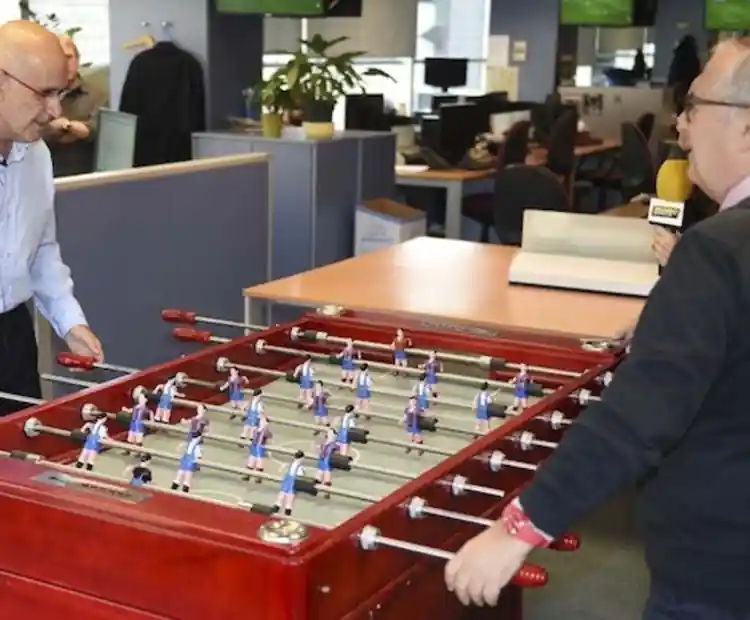
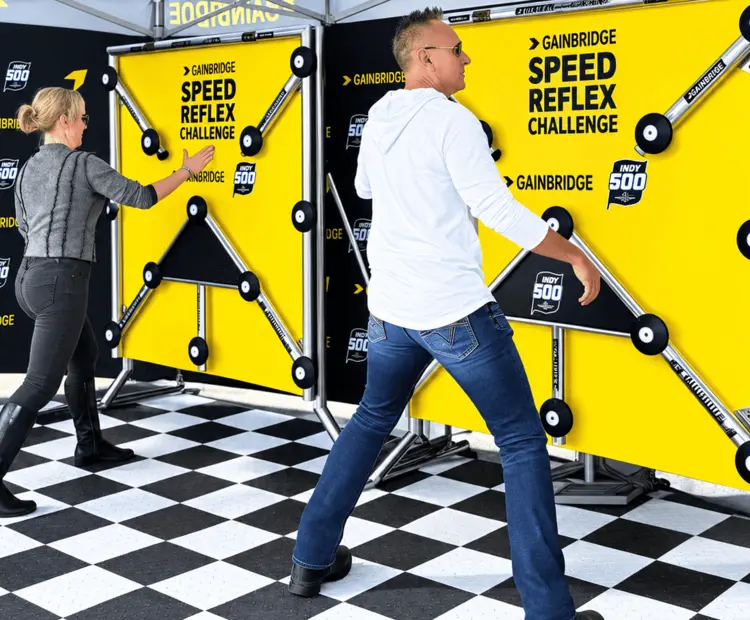
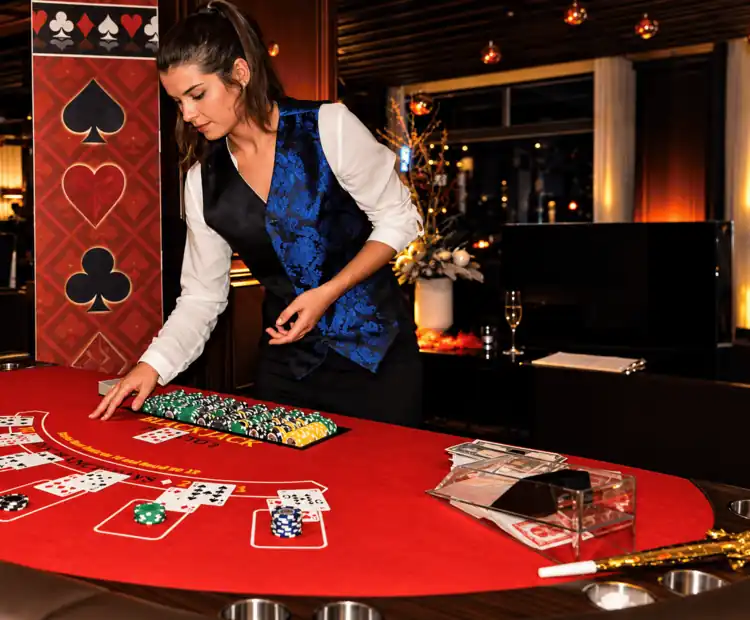
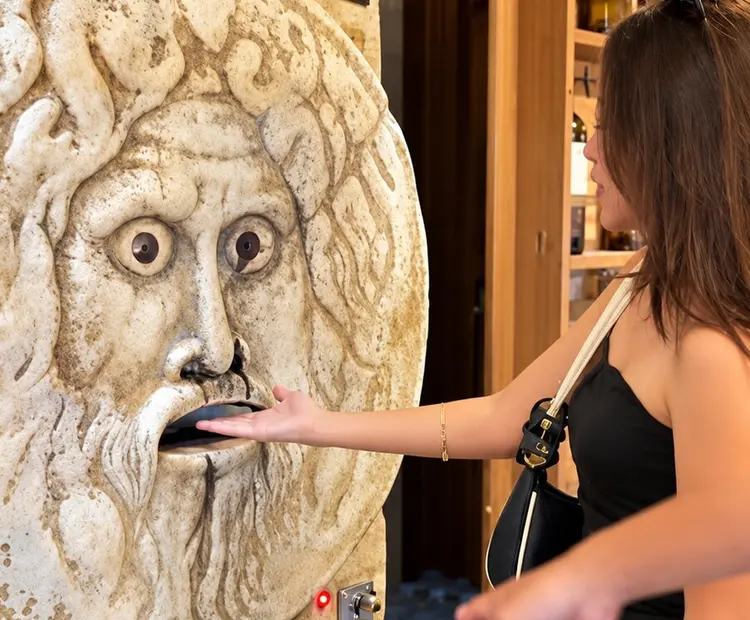
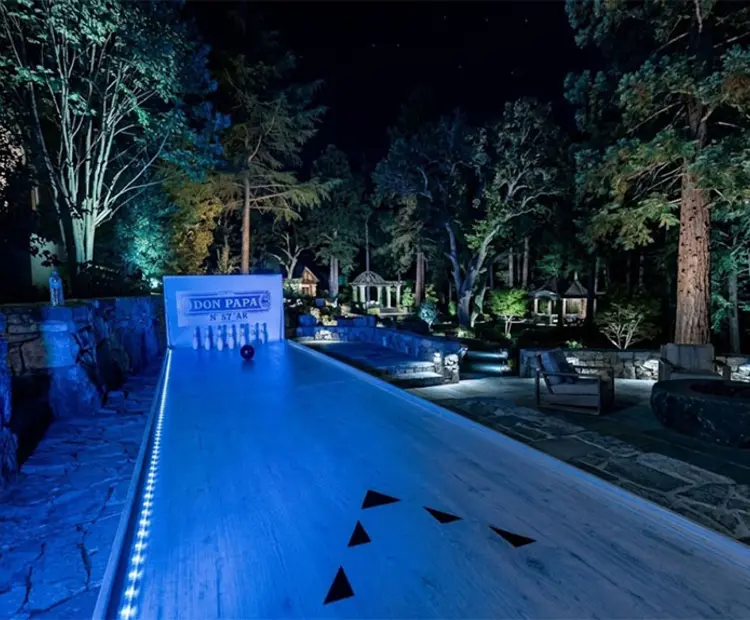
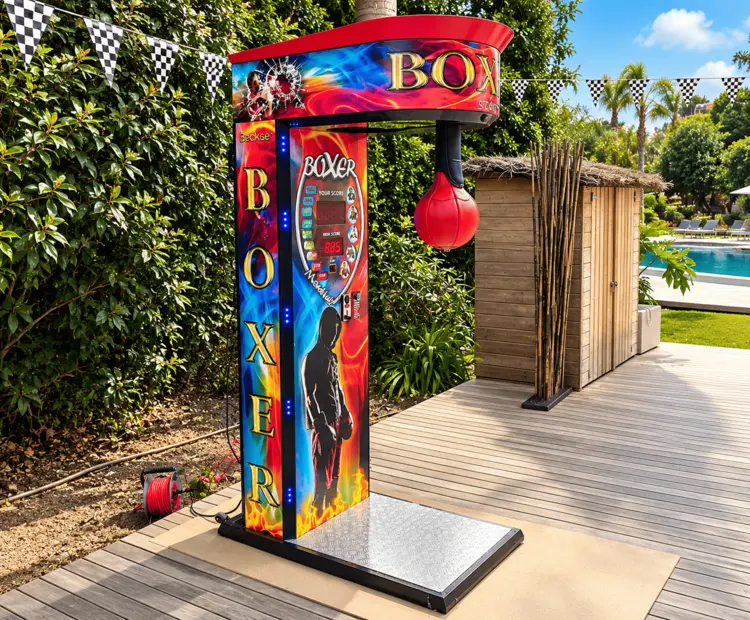
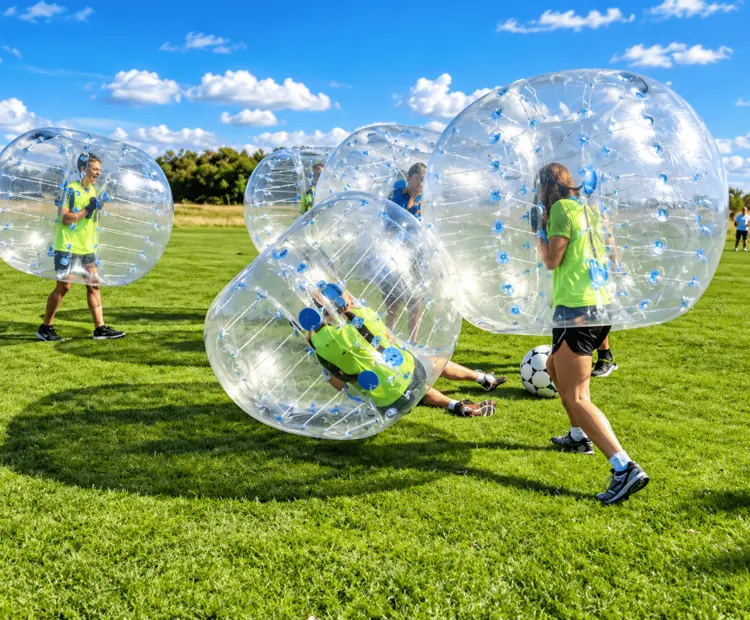
After three hours of slides what is needed is movement. A physical team activity lifts the energy of the whole room within fifteen minutes.



Corporate Events
A kick off is the meeting a company uses to start the year or a new cycle: results and goals are presented and the whole team is brought together to set off in the same direction.
Team challenges, a scoreboard and a prize ceremony to start the year with the whole company looking forward.
We run the activity element of kick offs and year-start meetings: team challenges, internal olympics, a shared scoreboard and a prize ceremony that closes the day on a high.
A kick off has an almost identical structure everywhere: a morning of presentations covering last year's results and next year's targets, and an afternoon that decides how all of it is remembered. The morning is necessary but heavy; after three hours of slides attention is spent, and what is needed is not another talk but movement and competition.
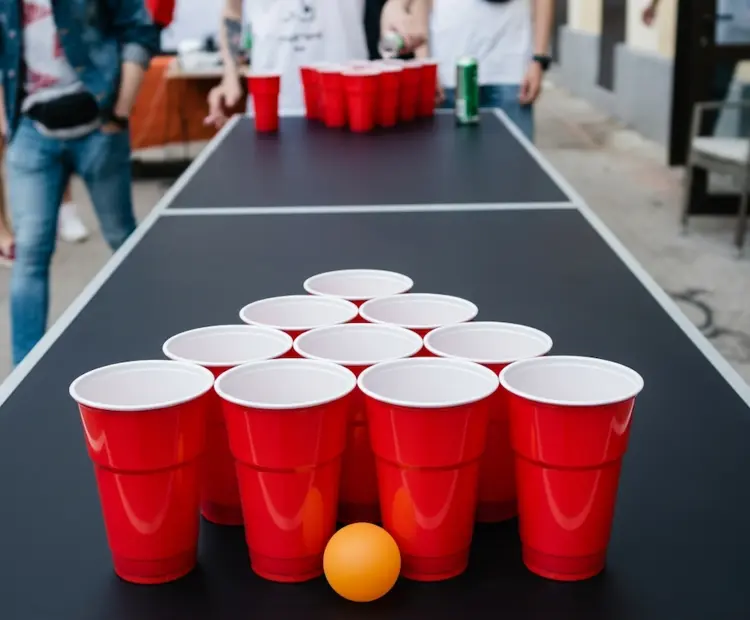
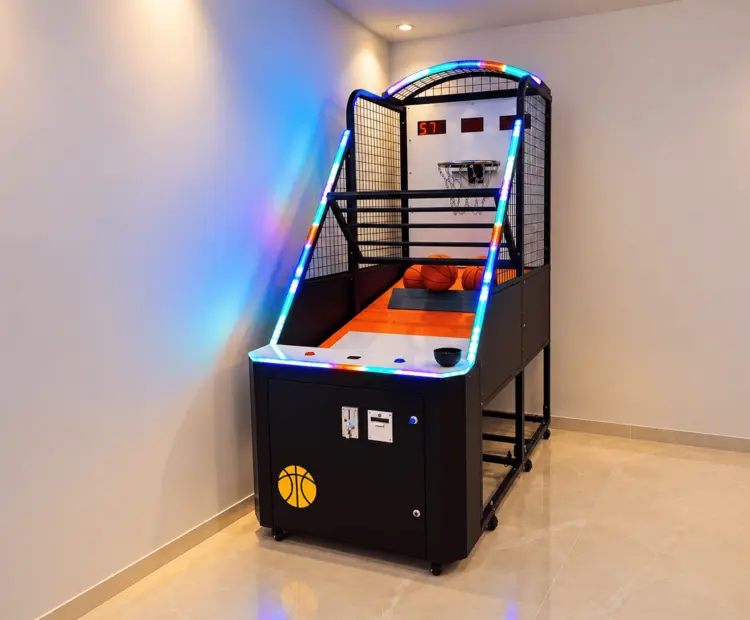
What works best at that point is something physical, in teams, with a score. Not because it teaches anything, but because it discharges the morning and leaves people energised rather than sleepy. And because the team you compete with in the afternoon is usually the team you will work with all year: deliberately mixing departments in that activity has a real effect for months.
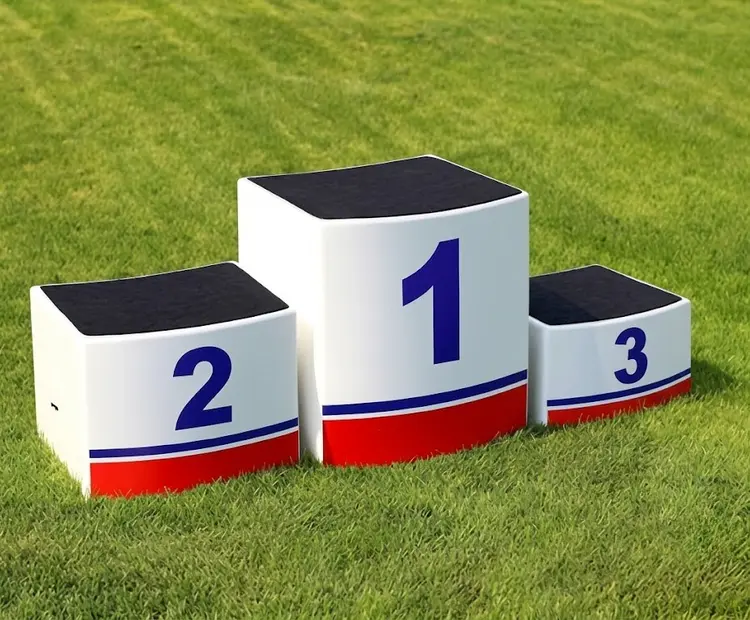
The close matters as much as the activity. A prize ceremony with a podium, even with symbolic prizes, turns the afternoon into a story with an ending. If it also recognises the year's results, the moment carries a double reading and management communicates what it wanted without another presentation.
We work both in-room, with activities that fit the same space as the plenary, and outdoors or at another venue. Typically there is a short transfer to a warehouse, a sports hall or an outdoor space, because the physical change of room helps enormously in changing the day's register.
After three hours of slides what is needed is movement. A physical team activity lifts the energy of the whole room within fifteen minutes.
We form groups deliberately across departments. People compete in the afternoon with those they will collaborate with over the following months, and that leaves a mark.
A prize ceremony gives the day's story an ending and lets you use the moment to recognise results without needing another presentation.
What you want the company to take away from the kick off and how much time exists after the plenary.
Challenges, teams, timings, scoreboard and the prize moment, fitted to the real finish time.
Room, warehouse or outdoors, with surface, access and a wet-weather plan if outside.
Our facilitators keep the pace, referee and score, with results ready for the closing ceremony.
The failure we see most is scheduling the activity just before lunch. The morning overruns, the activity is halved and ends up competing with two hundred people's hunger. Our recommendation is always the same: the activity goes after lunch, once the formal programme has finished and nobody is watching the clock.
The second mistake is leaving no time for the close. A prize ceremony needs fifteen real minutes with people gathered and paying attention, and if it is left until coats are being collected it loses all its effect. When designing the afternoon we block it from the start, even if it means shortening a challenge.
Yes, with activities designed for indoors and with no height requirements. It is not ideal, a change of space helps a lot in changing the register, but when there is no alternative we work by clearing chairs and reorganising the room.
Two to four hours is normal. Under two hours a competitive team format never settles, and over four attention drops considerably after a plenary morning.
Yes, in moderation. Team names, challenges and prizes can reference the year's objectives. What we do not recommend is turning the activity into disguised training: it shows and it kills the effect.
It can be run at a common meeting point or replicated at each site with a shared scoreboard. The second option works well when gathering everyone is not viable.
We can provide trophies and symbolic prizes, but it usually works better if the company supplies them, because they can be tied to something with internal meaning. We build the podium, the results screen and the ceremony itself.