





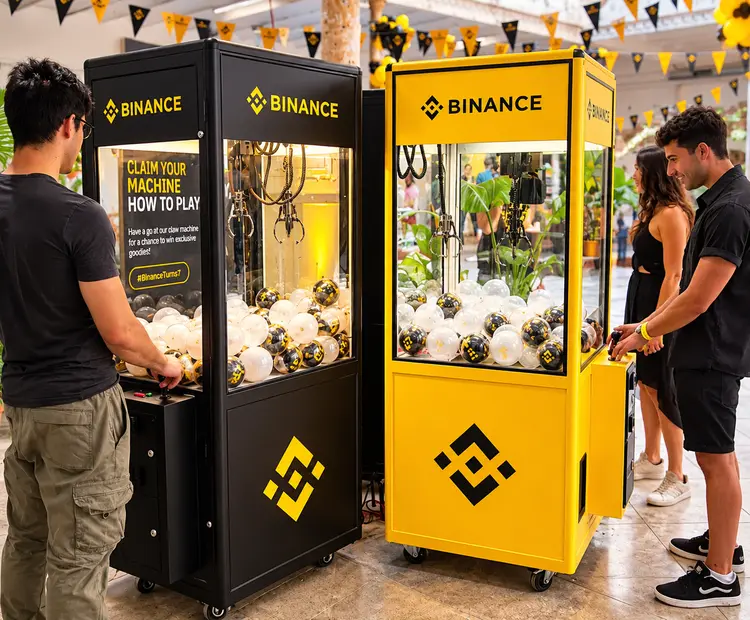

A reason to leave the detail
Ranking, final prize, emailed result or downloadable photo. Asking for a contact in exchange for something the visitor wants multiplies the registration rate.



Trade Fairs, Congresses & Conferences
Lead generation at trade fairs means collecting the contact details of interested visitors so that the company can follow them up commercially after the event.
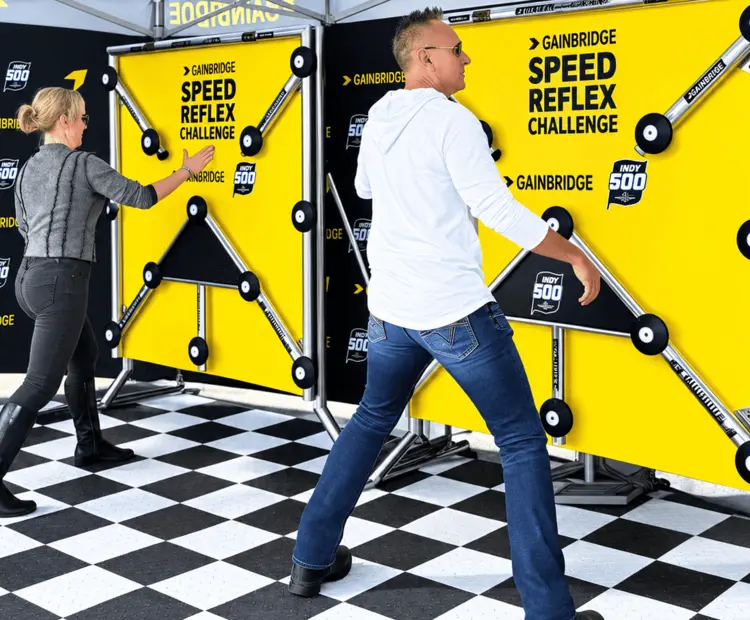
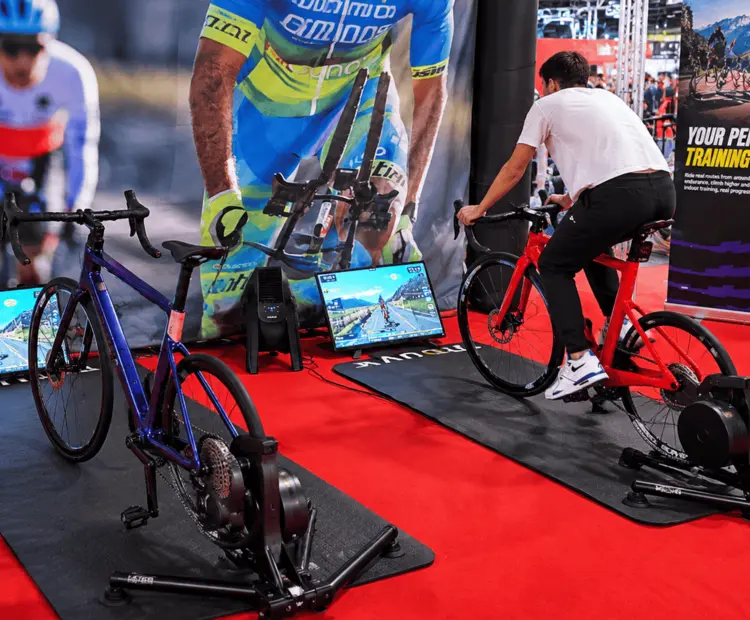
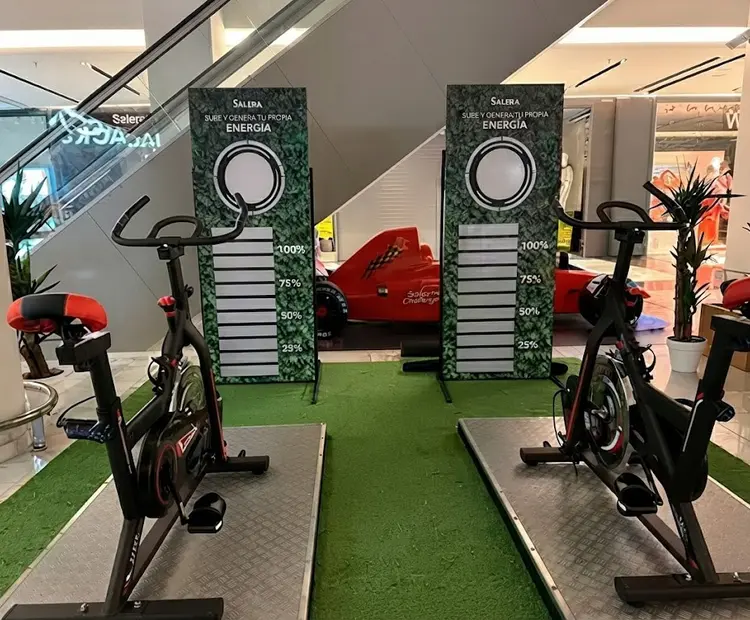
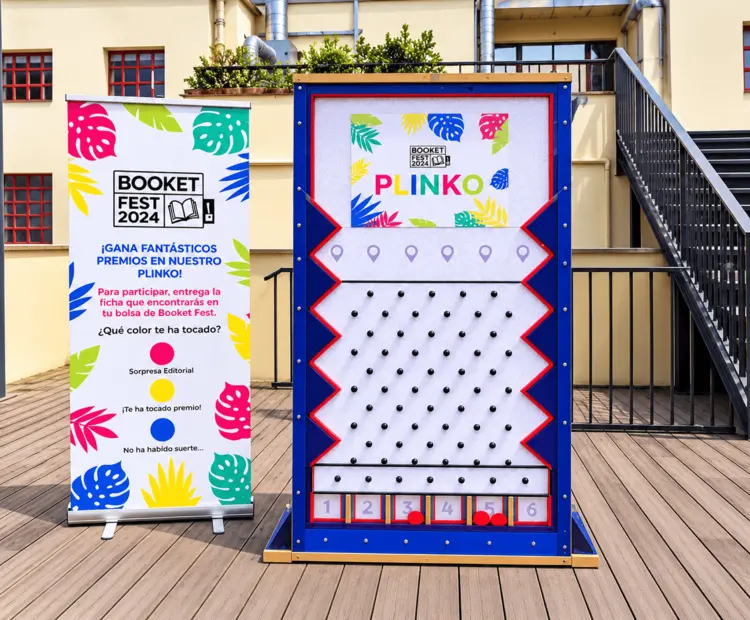
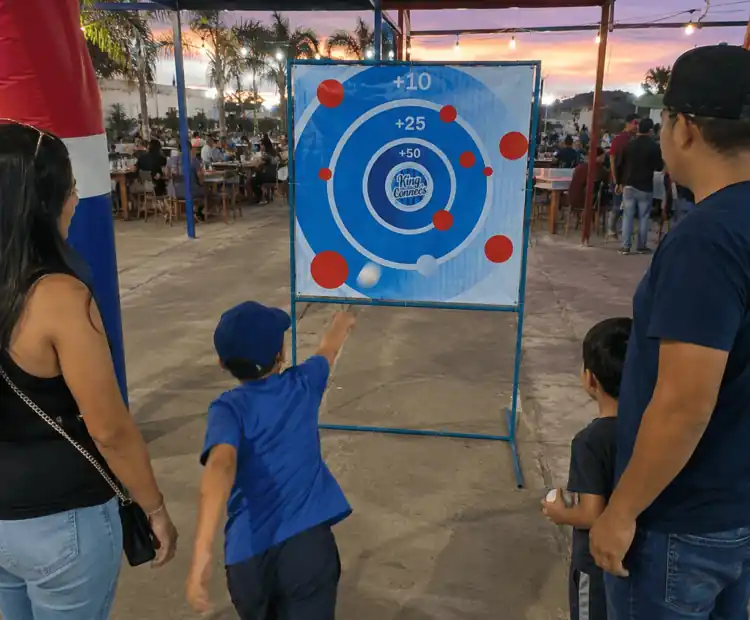
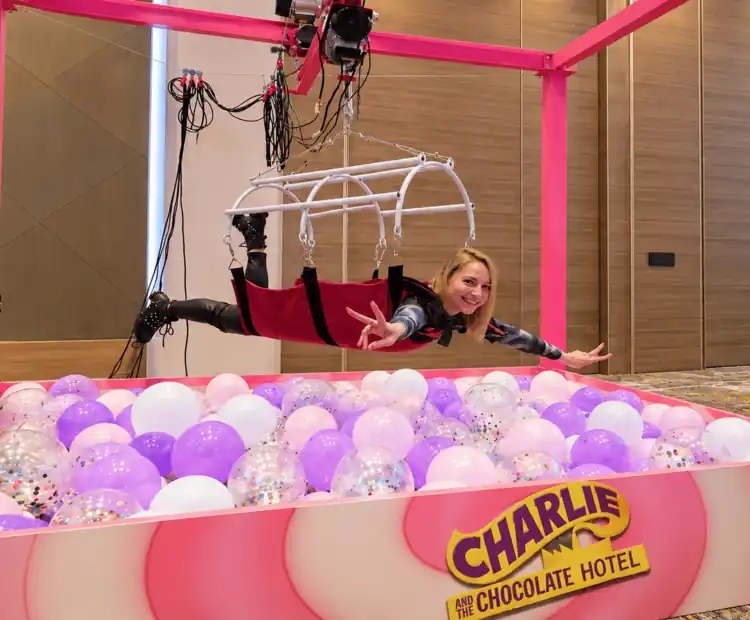
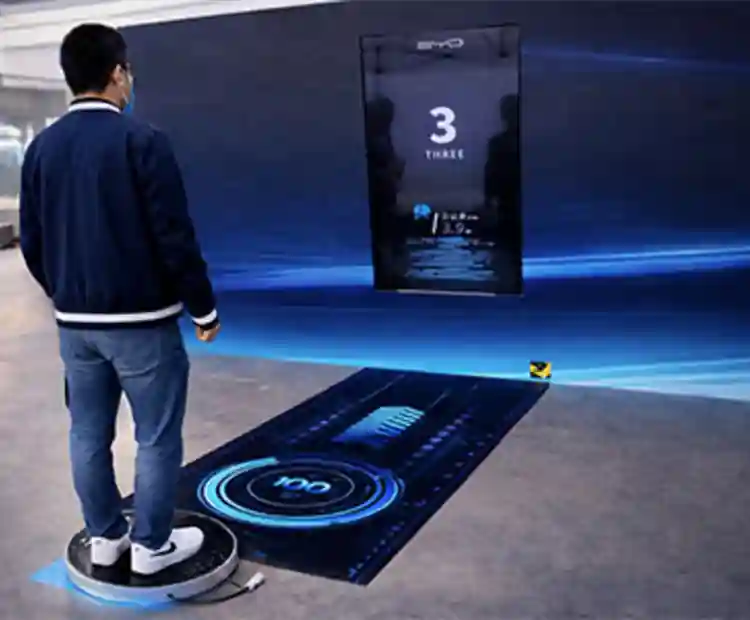
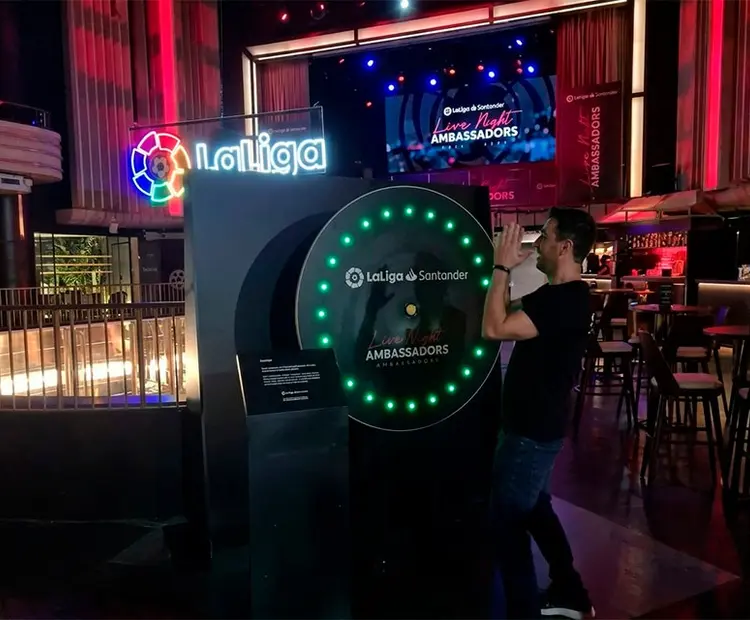
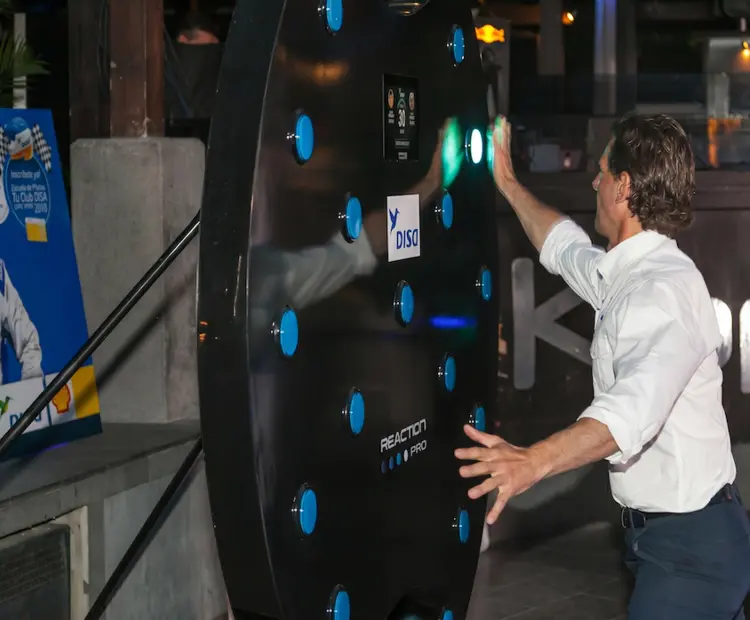
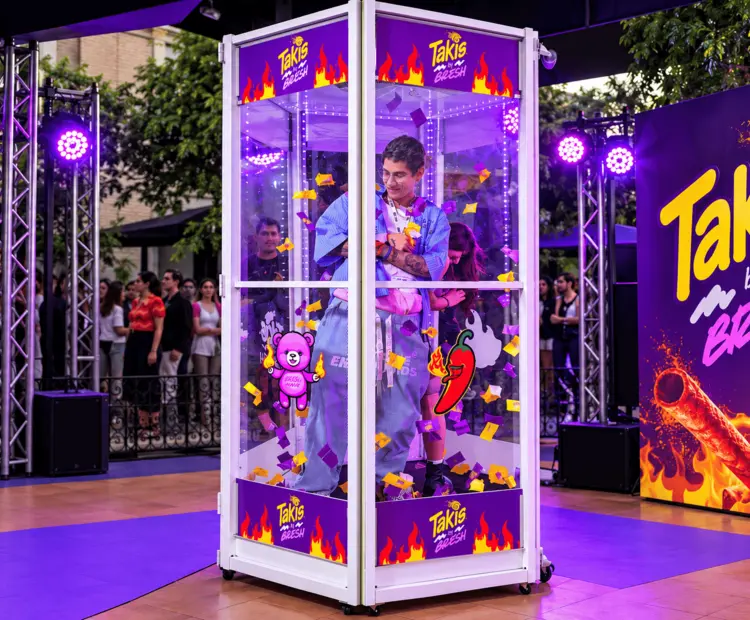
Game mechanics with capture built in: the visitor plays, leaves their details, and you take the list home.
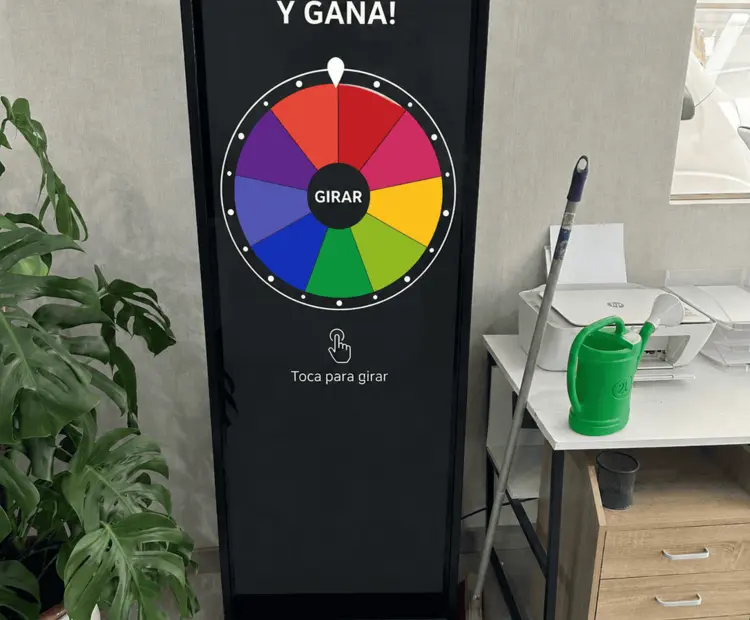
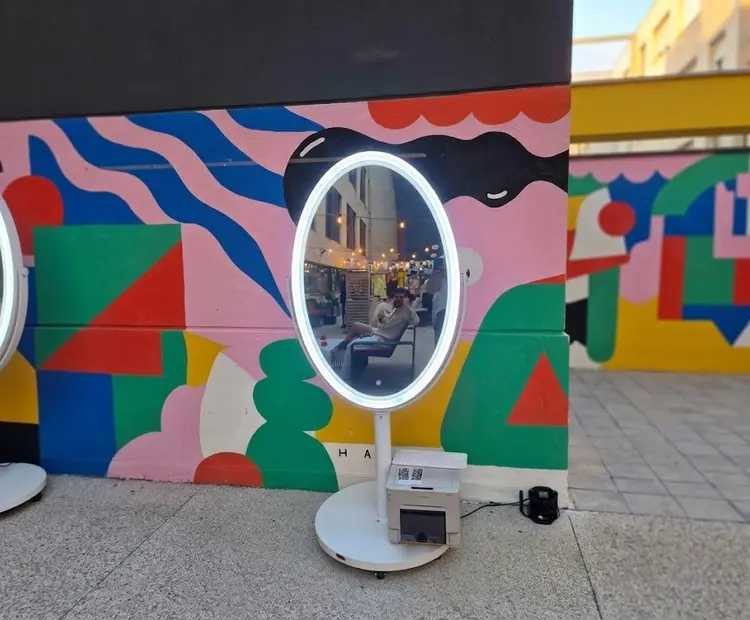
We build lead capture mechanics for trade fairs: games with integrated registration, tablet wheels, badge scanning and prizes that justify asking for the detail, with the database handed over at the end.
The stated objective of almost every stand is gathering contacts, and yet most of the activity built onto them captures none. Visitors are attracted, entertained and talked to, and at the end of the fair the count depends on cards left voluntarily, which are always fewer than they seemed. The difference between a stand that captures and one that does not lies in whether the mechanic asks for the detail naturally.
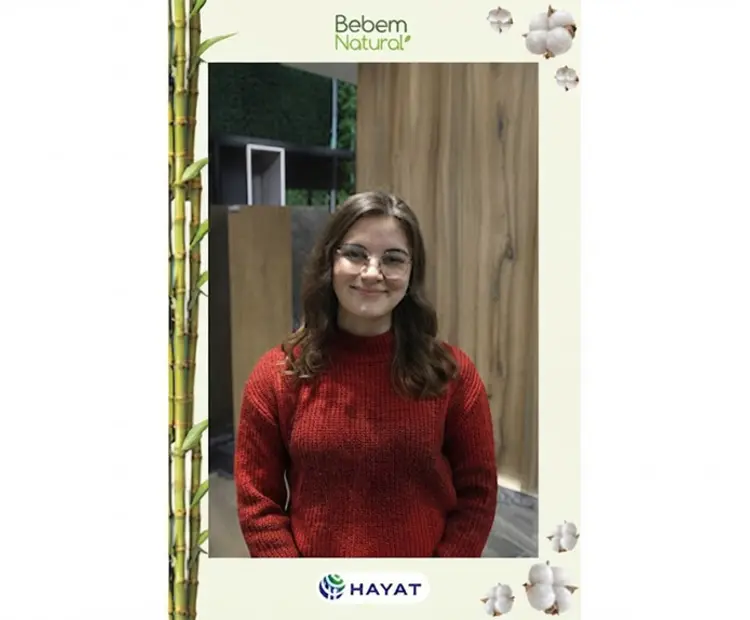
What works is giving a specific reason to leave it. Entering the fair ranking, qualifying for the final prize, receiving the test result by email, downloading the booth photo. All those mechanics ask for a contact in exchange for something the visitor wants at that moment, which is why the registration rate is far higher than for a form with nothing in return.
The second decision is how to capture. A tablet with a short form, name, company, email and no more, works well and allows on-the-spot validation. Badge scanning is faster still where the venue supports it and usually brings more complete data. And in digital games, the device itself can collect the detail at the end of the play without needing a second unit.
What matters comes afterwards: what is done with the list. We hand it over in whatever format you use, separating those who merely played from those who showed real interest, where the mechanic allows that distinction. That segmentation is what stops your sales team treating four hundred contacts identically when only thirty deserve a call.
Ranking, final prize, emailed result or downloadable photo. Asking for a contact in exchange for something the visitor wants multiplies the registration rate.
Name, company, email and little else. Every extra field lowers registrations, and at a fair visitors are not there to fill in long forms.
We separate those who only played from those who showed real interest. It stops your team treating four hundred contacts alike when thirty merit a call.
What the visitor receives in exchange for the detail and why it interests them at that moment.
Tablet, badge scanning or registration on the game screen, depending on what the venue supports.
Form, consent, CRM integration where applicable and a test before opening.
Registration throughout the fair and handover of the segmented database in your format at the end.
A very open capture mechanic brings many contacts and few useful ones: at a consumer fair, half the people playing have no connection to your sector. That is not a problem if it is known in advance, but it should be decided at design stage, because it affects the prize, the question and the sales effort afterwards.
If what you want is few but good contacts, the solution is straightforward: a filter question inside the registration, a prize that only interests your profile, or a mechanic taking two minutes rather than thirty seconds. Fewer are captured, and the list we deliver is worth considerably more per contact.
Four fields at most if you want volume. Each extra field clearly reduces registrations, and at a fair visitors will not fill in a long form for a small prize.
We can hand over the database in whatever format you use for import. Direct integration depends on your system; where an API exists and there is preparation time, it can be considered.
The form includes the information and consent box as specified by your legal department. It is your wording, not a generic one, because you are the data controller.
Where the venue supports it, very well: it is faster and brings more complete data. Not every fair offers it and some charge for it, so it is worth checking when booking the stand.
It depends on traffic and mechanic. With a thirty-second game and a good location, one hundred to two hundred registrations per day is achievable. We give you an estimate using your fair's footfall data.