









Designed from the logistics
Everything has to fit in the vehicle, build in two hours and survive five builds. That rules out equipment that would work at a one-off event, and it has to be known before choosing.



Product Launches
A roadshow is a tour in which the same presentation or brand event is repeated in several cities over a period of time, to reach audiences in different places.
Multi-city routes with the same build, the same crew and the same result at every stop.
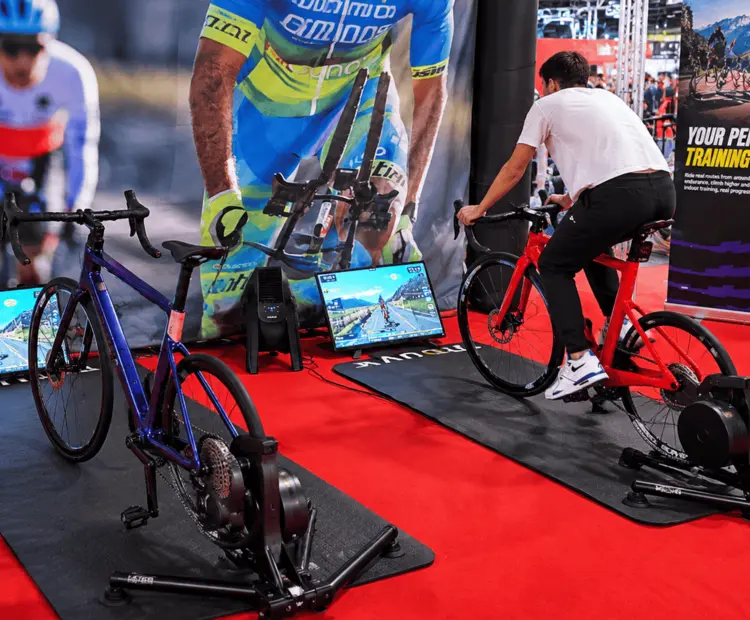
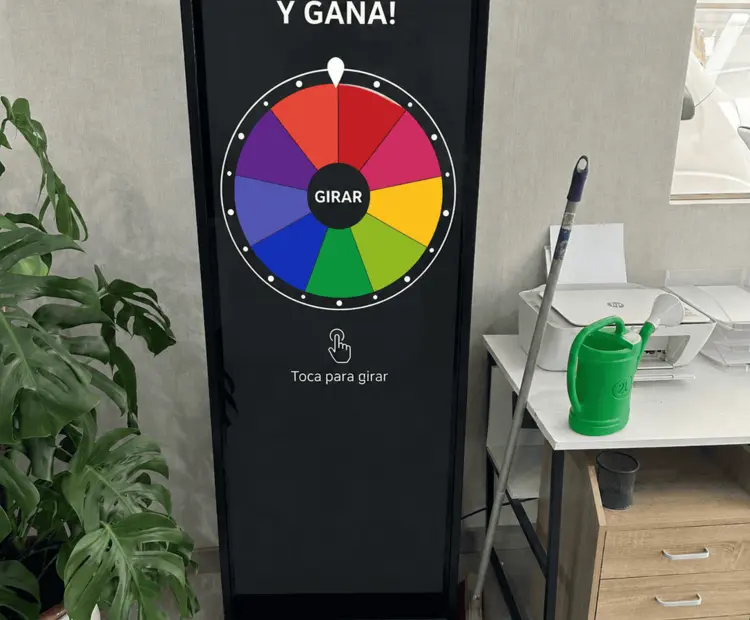
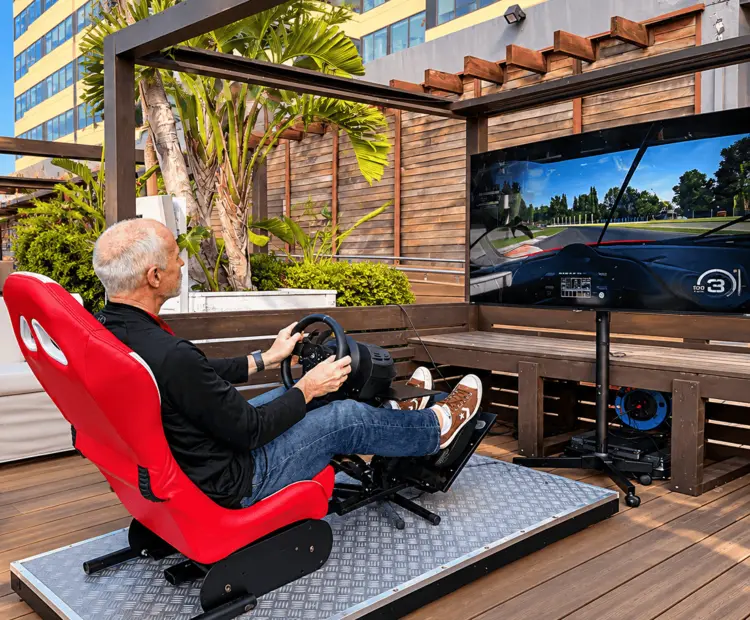
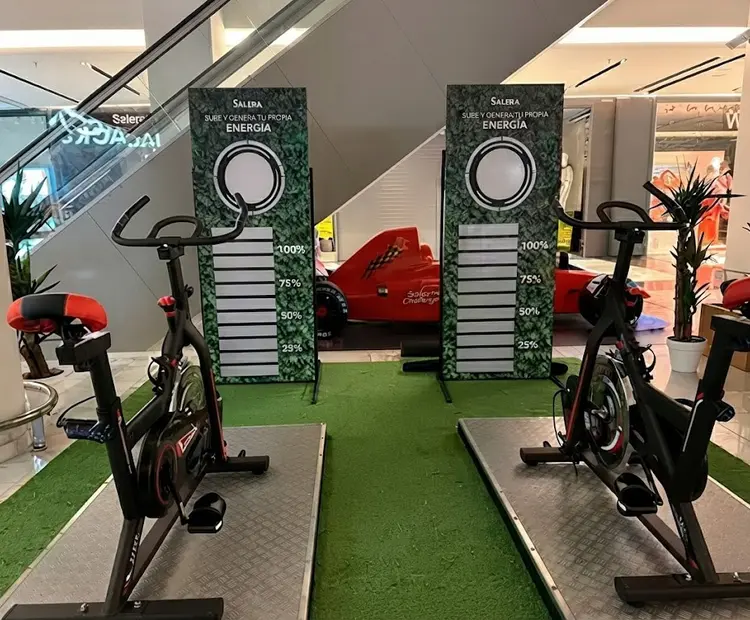
We produce complete roadshows: transportable equipment, builds in under two hours, a fixed crew covering the route and the same activation quality at every stop, with a consolidated report at the end.
The difference between building an event and building a roadshow lies not in the content but in the constraints. Everything has to fit in the vehicle, build quickly, work without special infrastructure and survive the wear of five builds and takedowns in ten days. That rules out much of the equipment that would work perfectly at a one-off event, and forces design to run from logistics towards content.
The second constraint is the crew. A roadshow with a different team in each city carries a learning curve paid for in the first two stops: the build is slower, the activation runs worse and the visitor experience is uneven. So we work with the same crew covering the route whenever distance allows, reinforcing only with local staff to serve the public.
The third is the calendar. Between stops you have to dismantle, load, travel, rest and build again, and the realistic margin between cities is a day, not an afternoon. We plan the route with those real times and with slack for the unexpected, because a breakdown or a load-in delay drags through the rest of the tour if there is no buffer.
What does stay constant is measurement. Each stop generates its own count of participations, contacts and time slots, and at the end we hand over a consolidated report allowing cities to be compared. It is the information that later decides where to repeat next year and where it is not worth returning.
Everything has to fit in the vehicle, build in two hours and survive five builds. That rules out equipment that would work at a one-off event, and it has to be known before choosing.
Changing team in each city is paid for in the first two stops. With a fixed crew the quality is identical from day one.
Participations, contacts and slots per stop, consolidated at the end. It is what lets you decide where to repeat and where not to return.
Cities, dates, locations and order, with real takedown, travel and build times.
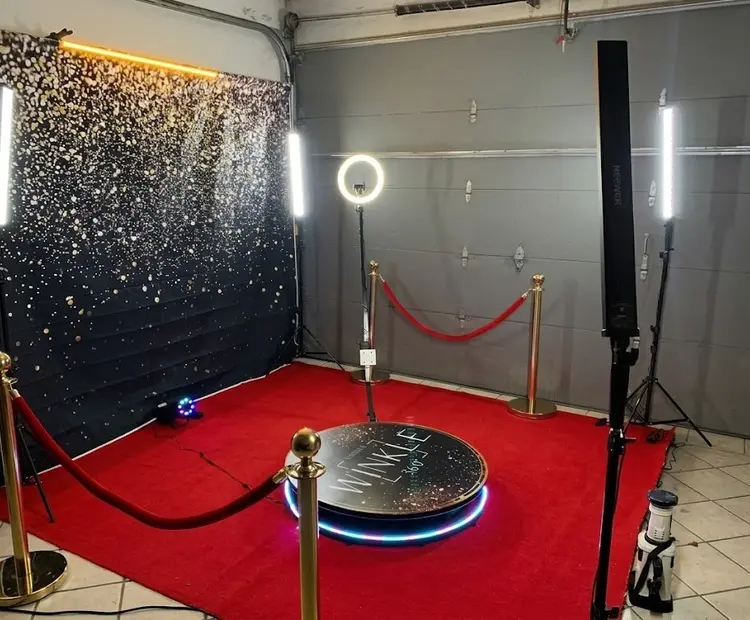
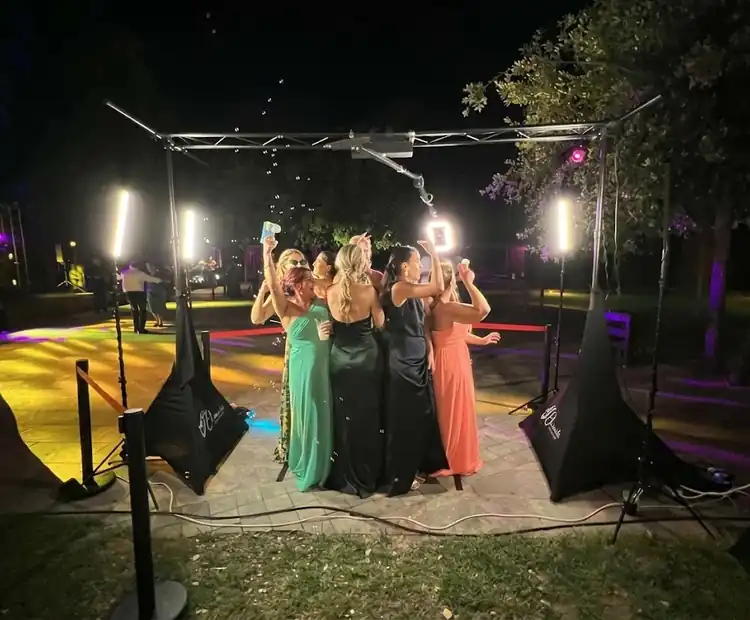
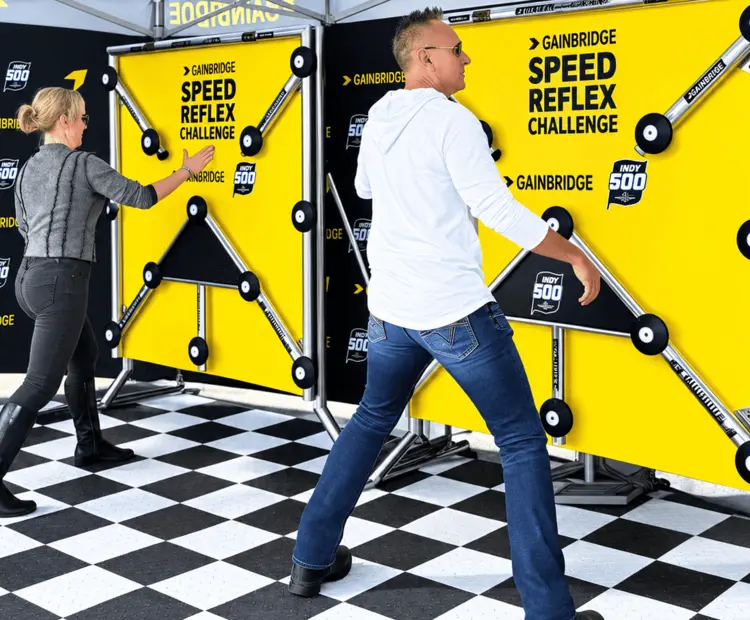
Elements that fit, build fast and survive the tour, with spares for whatever wears most.
Each municipality has its own timelines and conditions. We start weeks ahead so no stop is lost.
Activation in each city with the same crew and a unified report at the end of the route.
On almost every tour, the first city performs below the others. That is normal: it is where you discover the build takes longer than planned, that a part is missing, that the street pitch is not quite tuned. What is not normal is failing to plan for it.
So where there is a choice, we recommend starting the route in the least important city and saving the most strategic one for the second or third stop, once the crew has the build running smoothly. It is a scheduling decision that costs nothing and noticeably improves the tour's average result.
Three to eight works well. Below three, tour logistics do not pay off against independent builds; above eight, wear on equipment and crew starts to show and it is better split into two legs.
We do, if you ask us to. Each municipality has different timelines, and on a tour that is critical: a permit that does not arrive in time forces a stop to change or an alternative location to be found at short notice.
Yes, and it is standard in the busiest cities. The fixed crew handles the build and operation, reinforced with local staff to serve the public at peak hours.
It is planned from the start. The norm is a buffer day in the route, which allows a lost stop to be recovered or the activation moved to another slot without dragging the delay through the rest.
Yes, and it is one of the tour's advantages: graphic production amortises across every stop, which brings the cost per city down considerably compared with a one-off event.