











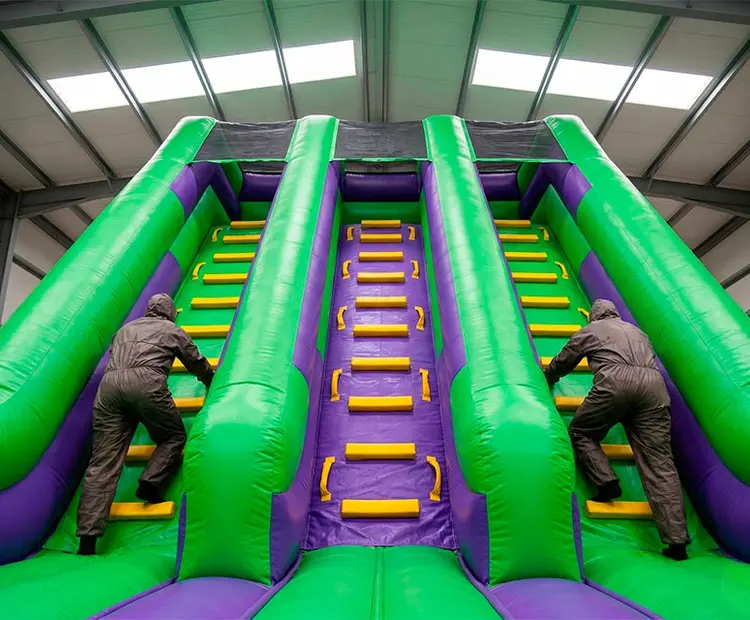
Solves crowding at the gates
The crowd arrives an hour or two early and piles up at the doors. An activity zone spreads people out and relieves the entry operation.


Festivals & Large-Scale Events
A fan zone is an open area next to a stadium, circuit or venue where supporters gather before or during an event, with screens and activities.
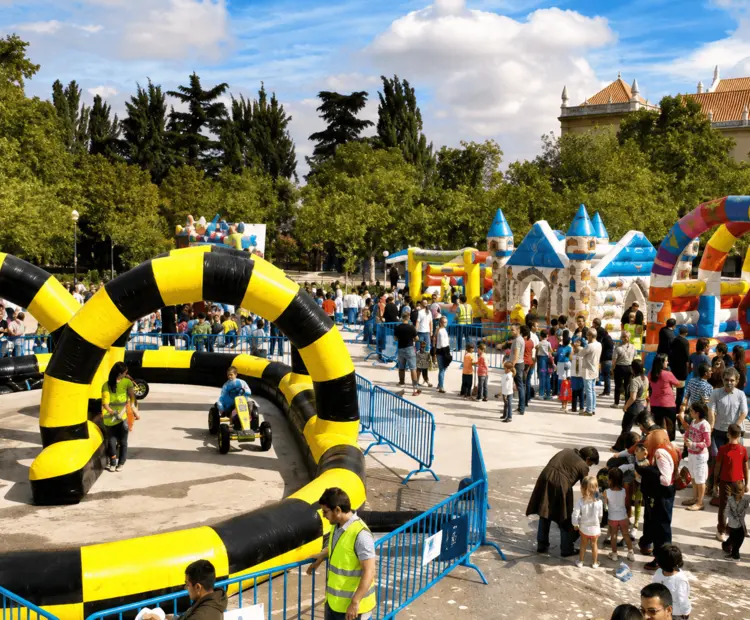
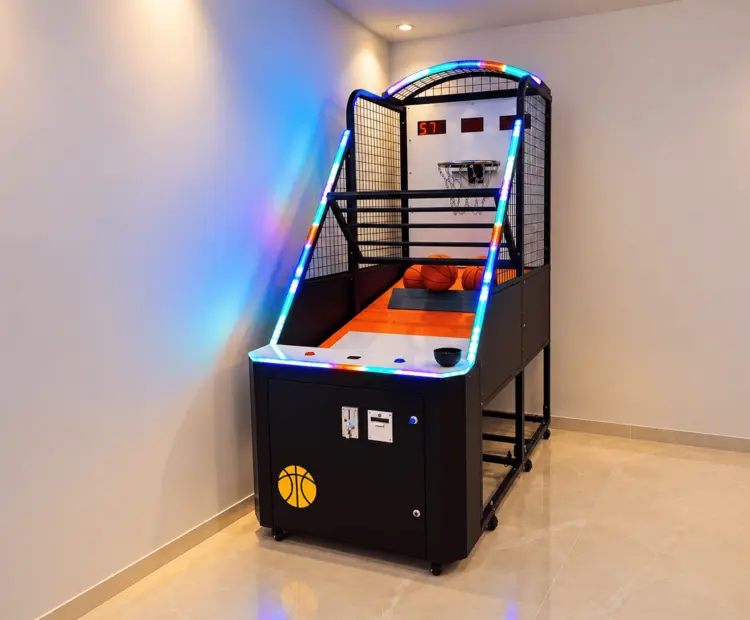
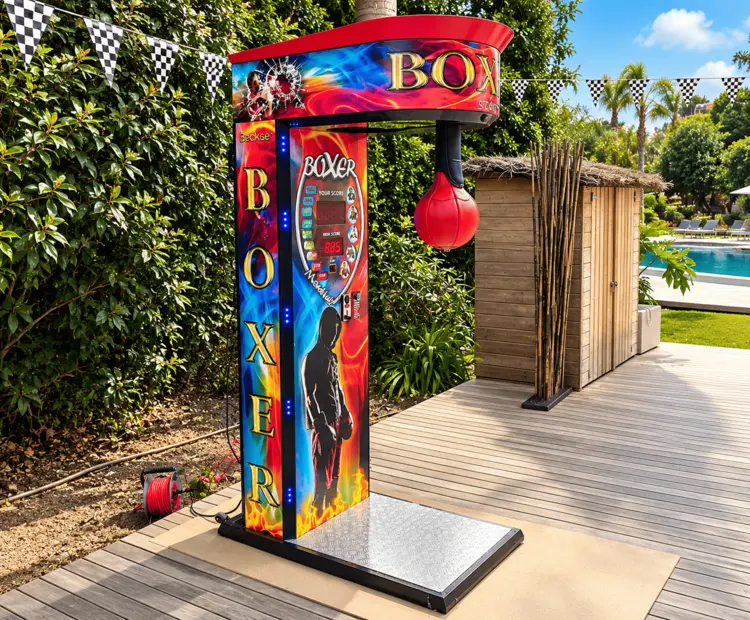
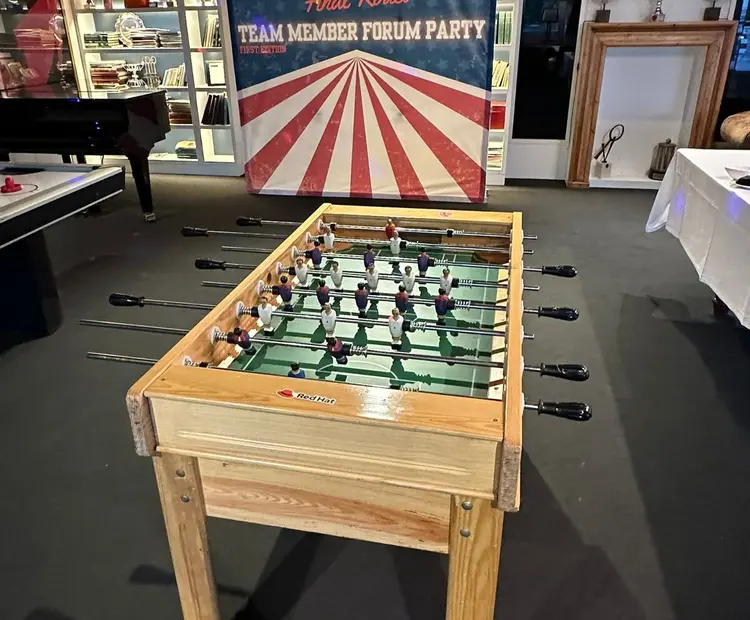
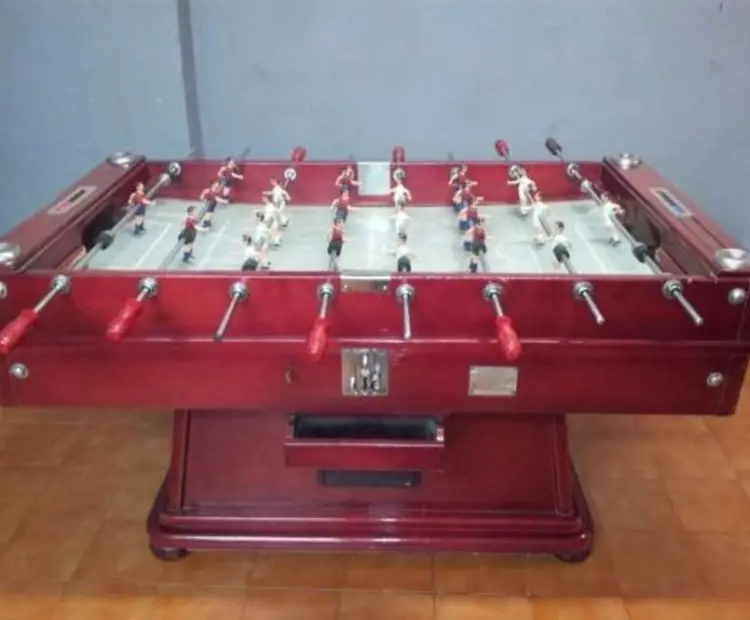
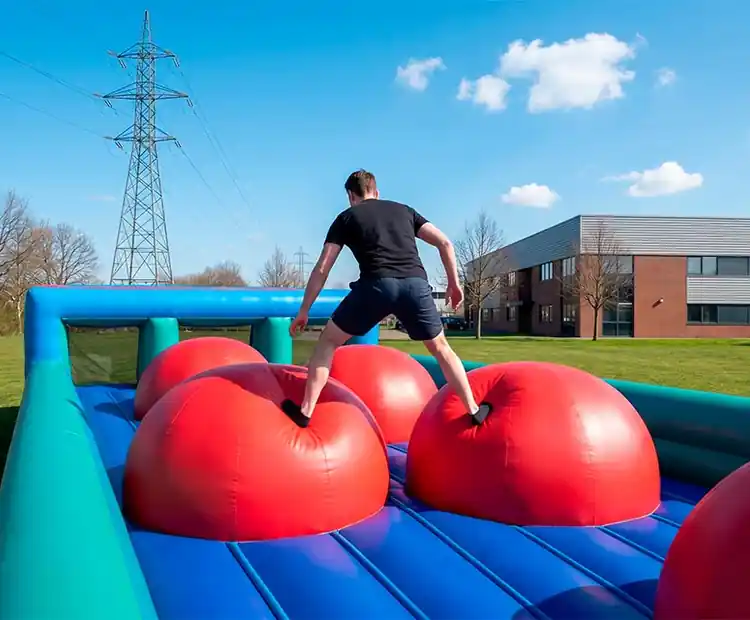
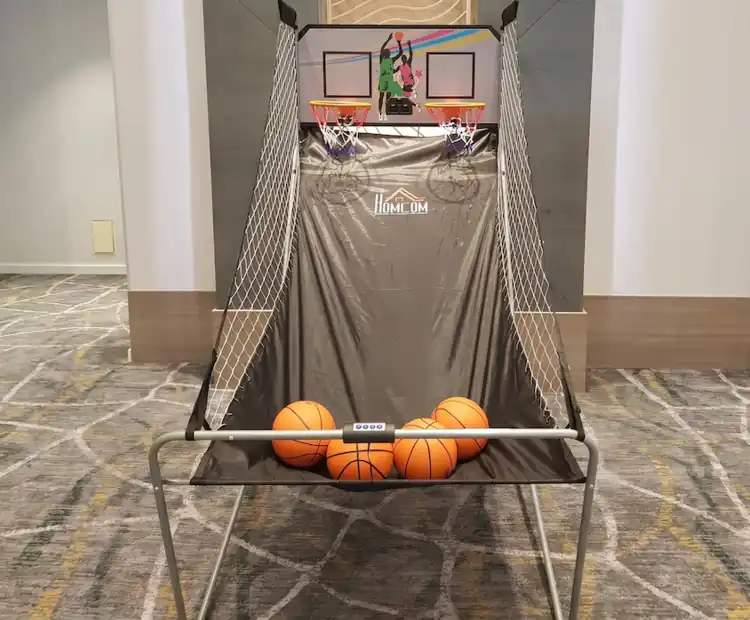
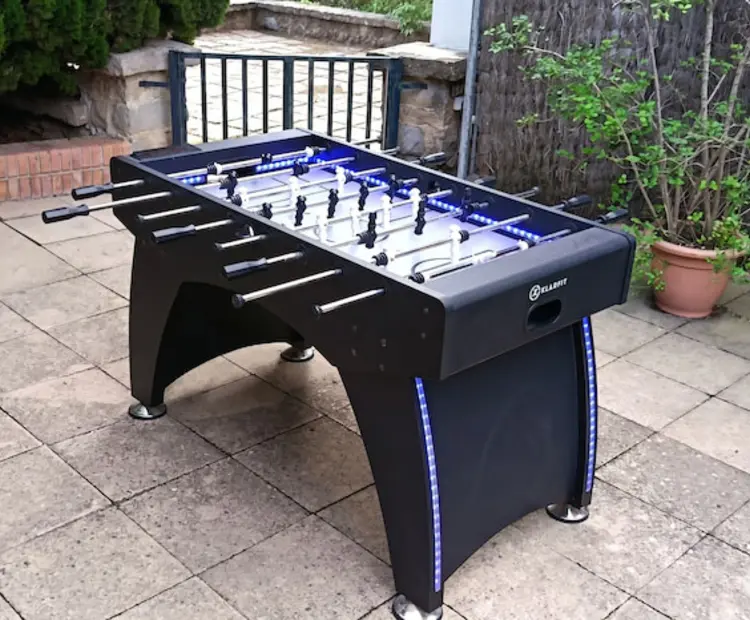
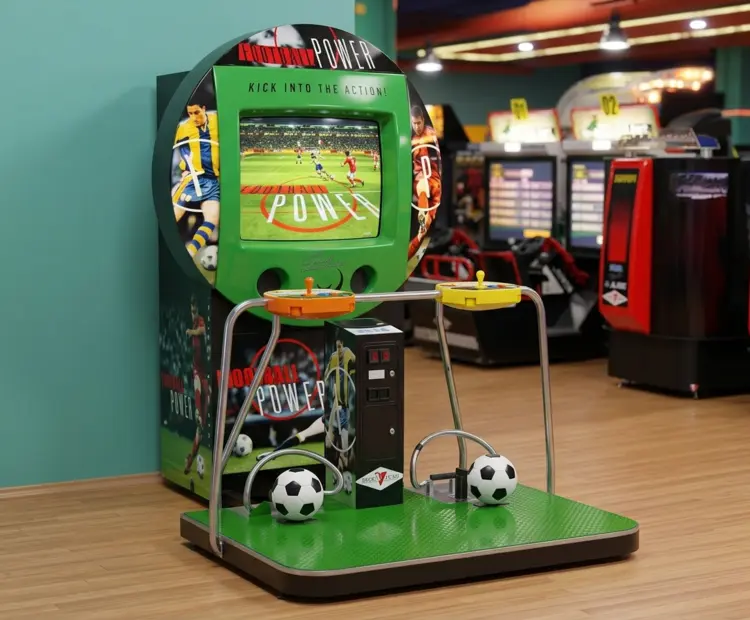
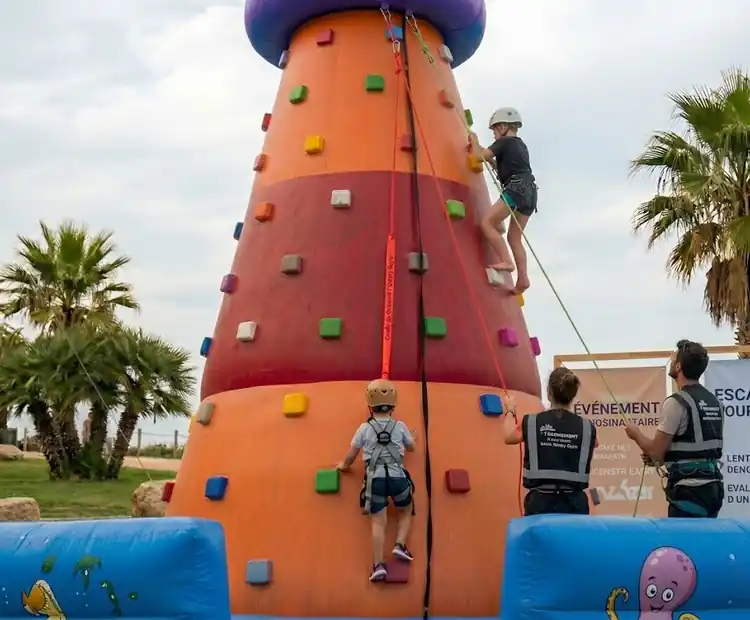
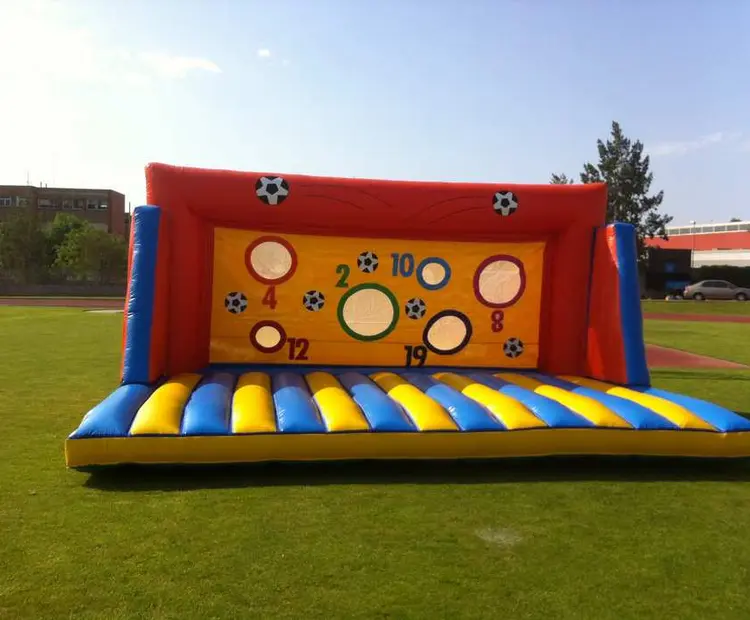
Fan zones with simulators, challenges and scoreboards for the hours before the match, the concert or the race.
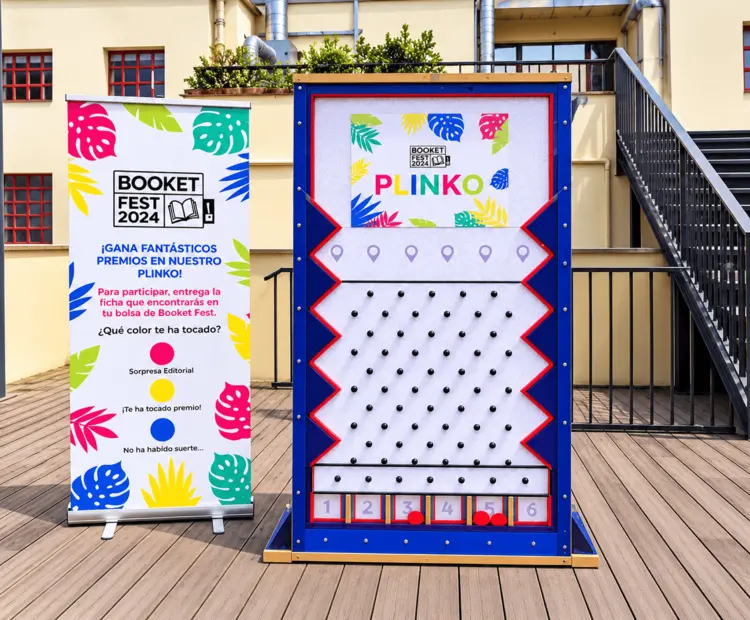
We build complete fan zones: simulators, scored challenges, photo walls, sponsor activations and food carts, designed to fill the hours beforehand and distribute the crowd before doors open.
The fan zone was created to solve one specific problem: thousands of people reach the venue an hour or two before anything starts, pile up at the entrances and have nowhere to go. It is uncomfortable for the crowd and a management risk for the organisers, and a properly sized activity zone solves both at once.
What works best here is whatever connects with the reason people came. At a match, the penalty simulator and the shot-speed meter; at a concert, the photo wall and music-based games; at a race, strength and speed challenges. The closer the activity is to the main event, the more participation it generates, because the crowd is already mentally in that context.
The scoreboard is what turns a fan zone into more than an entertaining wait. A daily ranking, a visible record or a competition between supporter groups gives people a reason to play several times and to come back next match. And it gives the sponsor something to measure, which is the difference between a brand space and an advertising surface.
Logistics carry their own demand: the fan zone is built before the crowd arrives and dismantled once everyone is inside, with restricted access at both moments for safety. We work to those windows and coordinate with the venue manager so the build does not interfere with the entry operation.
The crowd arrives an hour or two early and piles up at the doors. An activity zone spreads people out and relieves the entry operation.
Penalties at a match, speed challenges at a race, a photo wall at a concert. The closer it sits to the reason for the visit, the more participation it generates.
A ranking gives reasons to repeat and to return, and gives the sponsor something to measure, which separates a brand space from plain signage.
Venue, capacity, door opening time and the real arrival time of the crowd.
Activities connected to the discipline, hourly capacity and a layout that relieves the entrances.
Build and takedown windows, restricted access and venue documentation.
Staff at every point throughout the pre-event slot and orderly clearing once the crowd goes in.
One delicate moment is worth planning: when the venue doors open, the fan zone empties within five minutes. If activities are still running with people playing at that instant, a conflict arises between whoever wants to finish their turn and the entry operation, which needs the forecourt cleared.
The way to avoid it is announcing closure fifteen minutes ahead and stopping new participants ten minutes before doors. It is a minimal operational decision, but it makes the difference between an orderly close and a zone that has to be cleared in a hurry as the event begins.
Before the crowd arrives, which is usually far earlier than planned. We close the build with margin and coordinate with the security manager, because at many venues vehicle access closes at a fixed hour.
It depends on capacity. For ten thousand attendees we usually work with two hundred to four hundred square metres on the entrance forecourt. With the plan we tell you how many activities fit without obstructing the entry flow.
Yes, completely: vinyls, screens, prizes and photo wall. In fan zones it is the norm, because the space is usually sold to a sponsor within the event package.
Some equipment is rated for uncovered outdoor use, and for the rest we build a marquee. At winter events we recommend allowing for cover from the quote stage, because a fan zone cancelled by rain leaves the crowd at the gates.
Yes, and it prices better than booking match by match. With a season contract we leave equipment on site and keep the same crew, which cuts build time on each matchday.