




Mixes teams for real
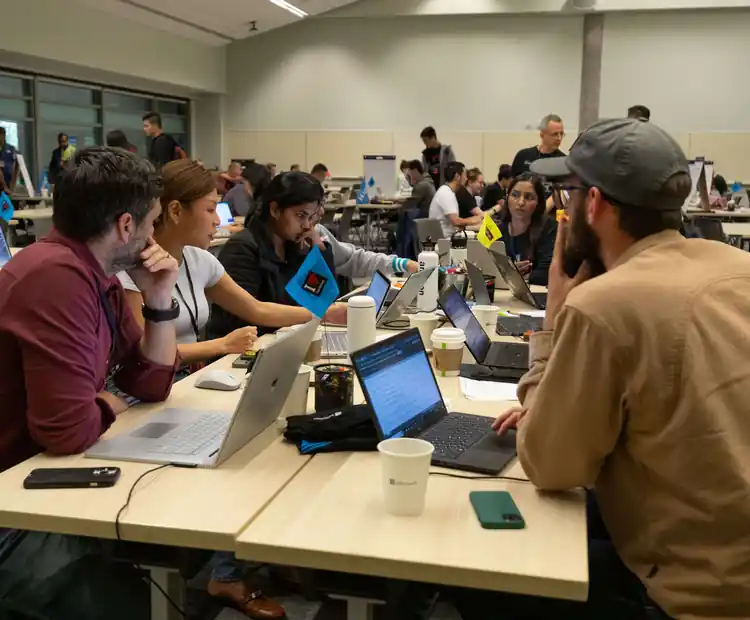
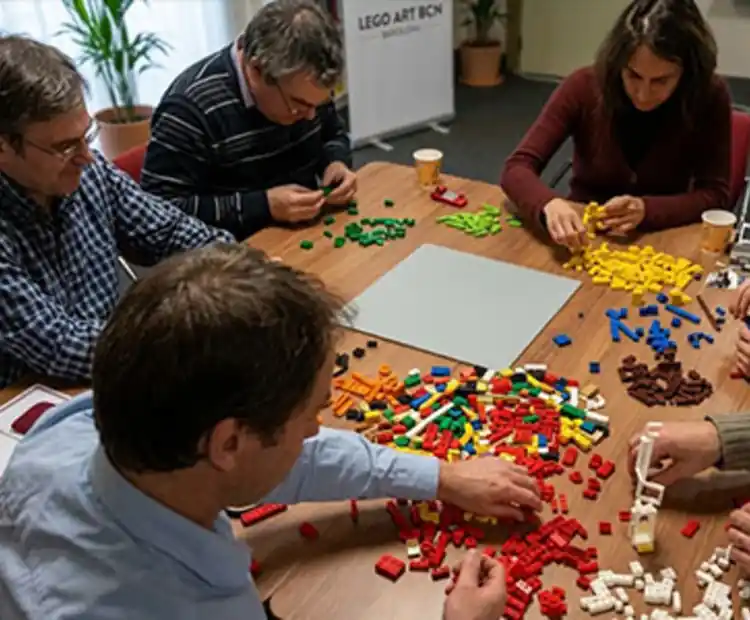
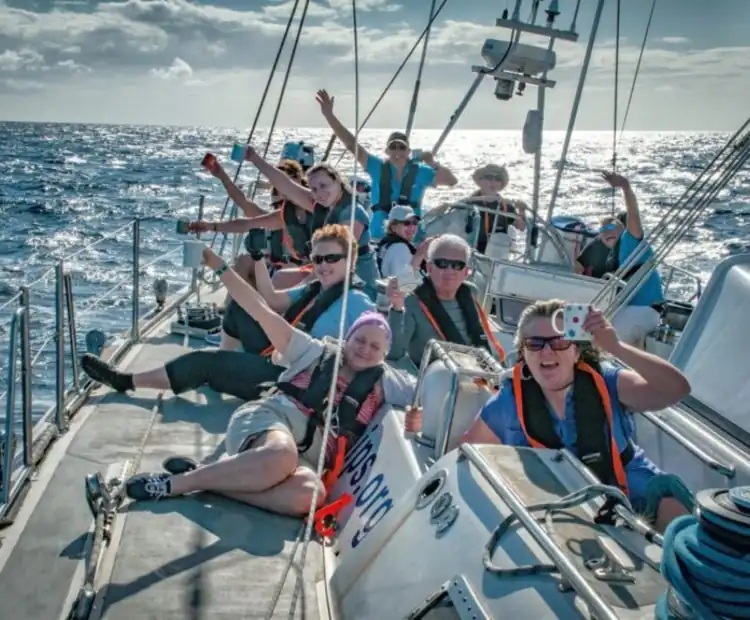
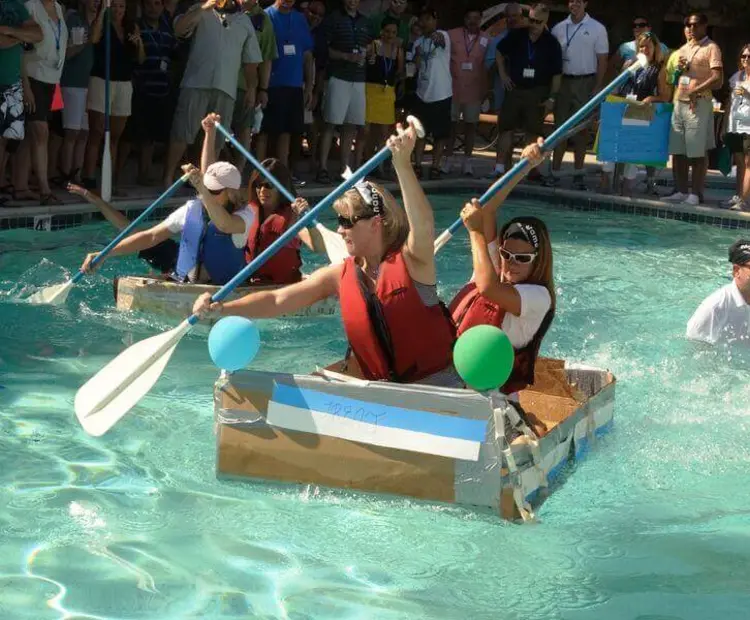
Groups are formed deliberately across departments and seniority. It is the least visible part of the design and the one that changes the outcome most: people end up working with colleagues they never overlap with.



Events
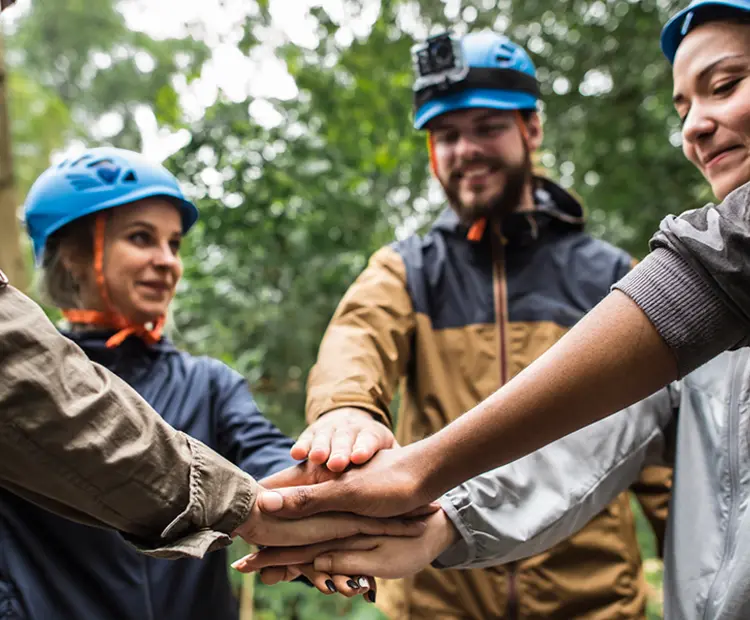
Team building covers group activities designed to improve communication, trust and collaboration between colleagues through games and shared challenges.
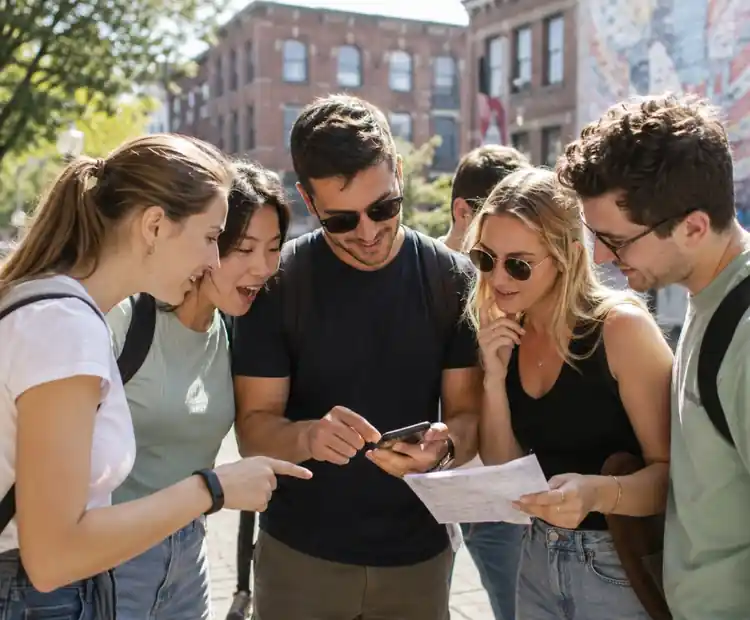
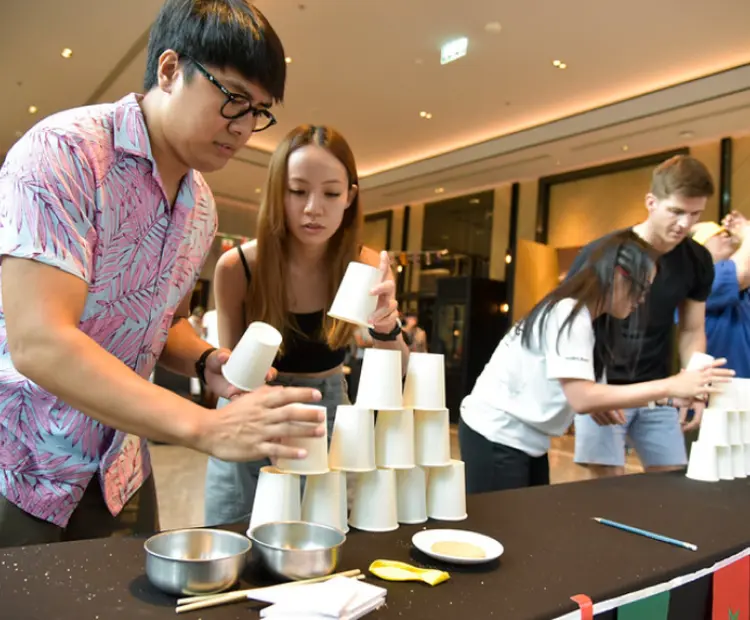
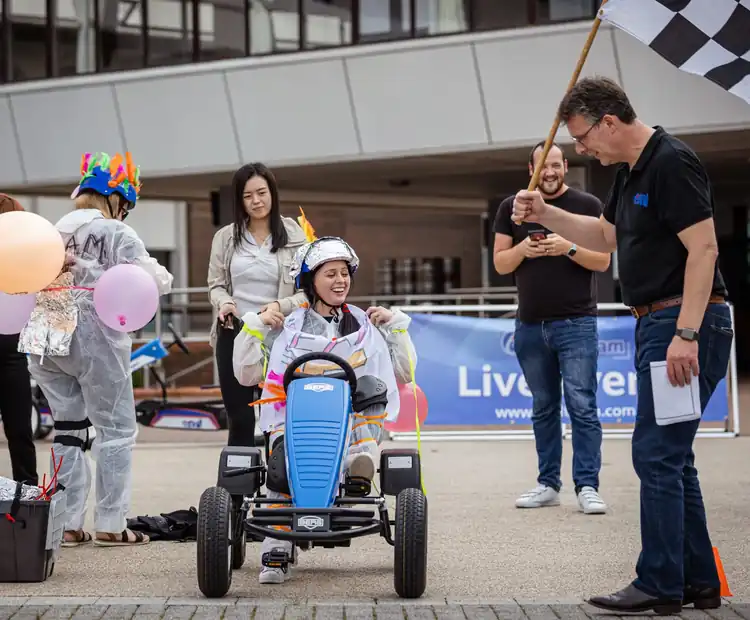
Team activities that actually work: healthy competition, clear goals and a visible result by the end of the day.
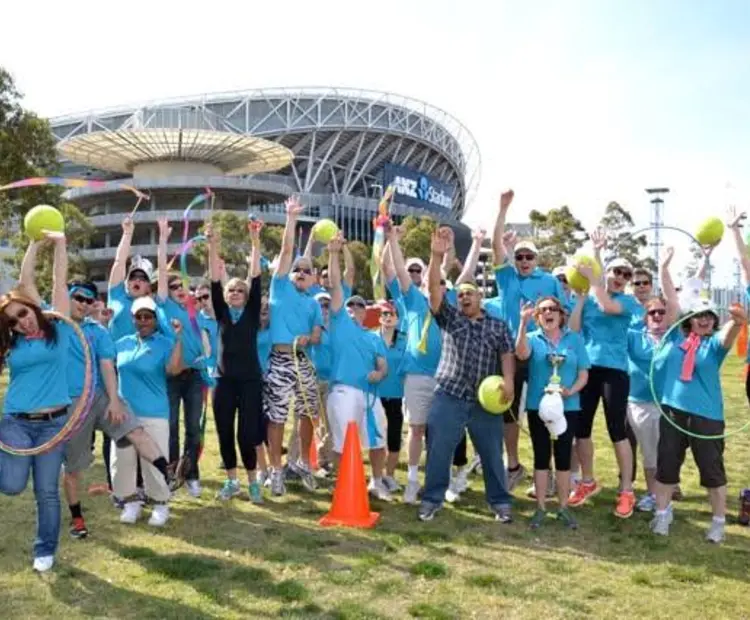
We design and run team activities for companies of any size, indoors, outdoors or as a full company olympics, with our own facilitators, our own equipment and a result people can see and talk about at the end of the day.
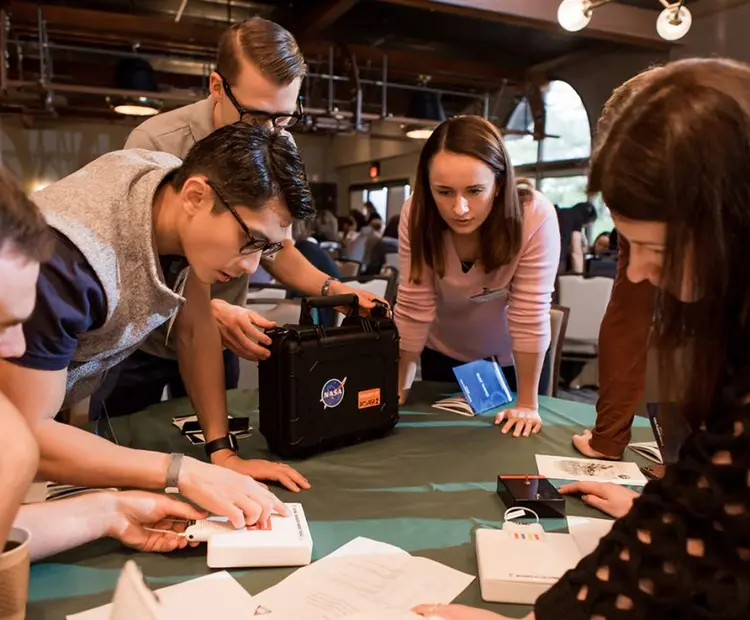
Team building has a bad reputation for a specific reason: for years it was sold as a session where a facilitator explained metaphors about trust while the staff watched the clock. What genuinely bonds a team is far simpler: put them to solve something together, with clear rules, limited time and a scoreboard. The conversation about collaboration happens on its own afterwards, over a beer, and it is far more honest than any guided debrief.
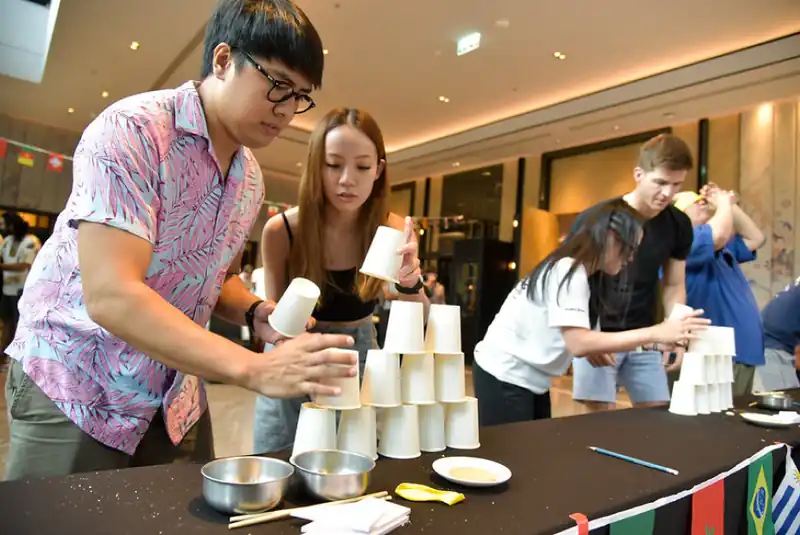
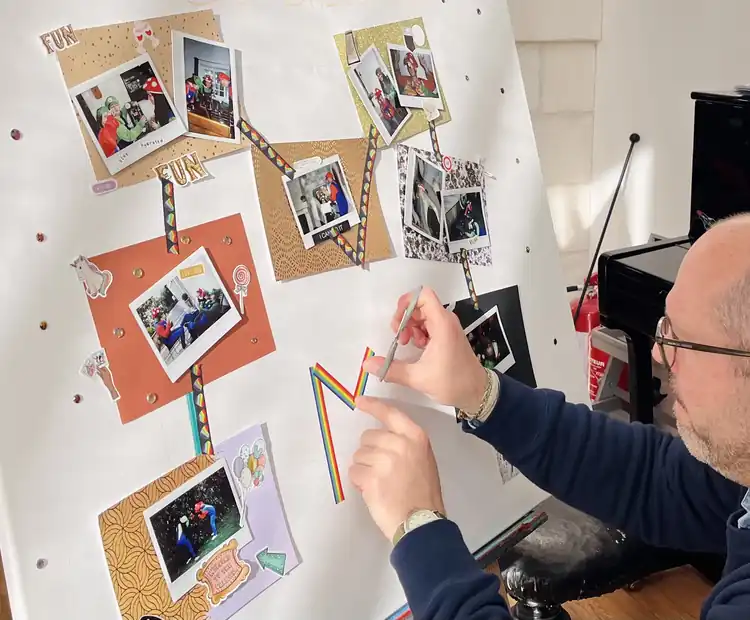
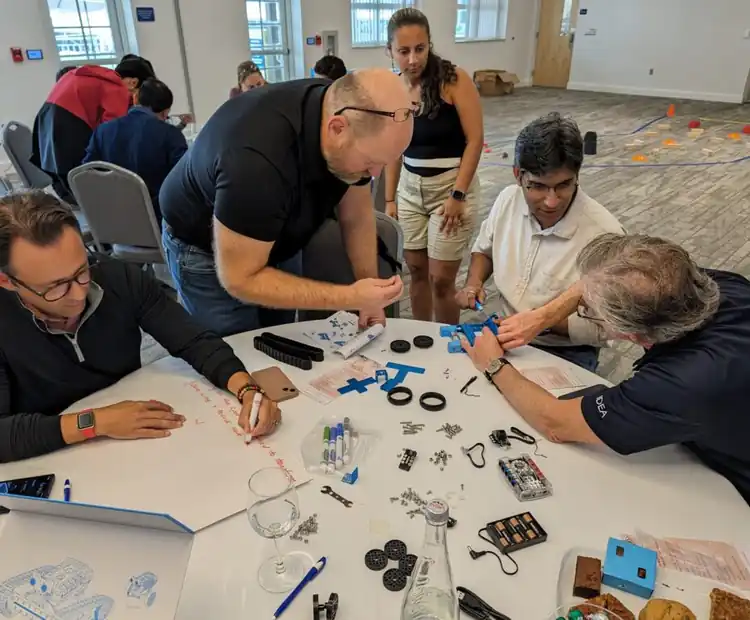
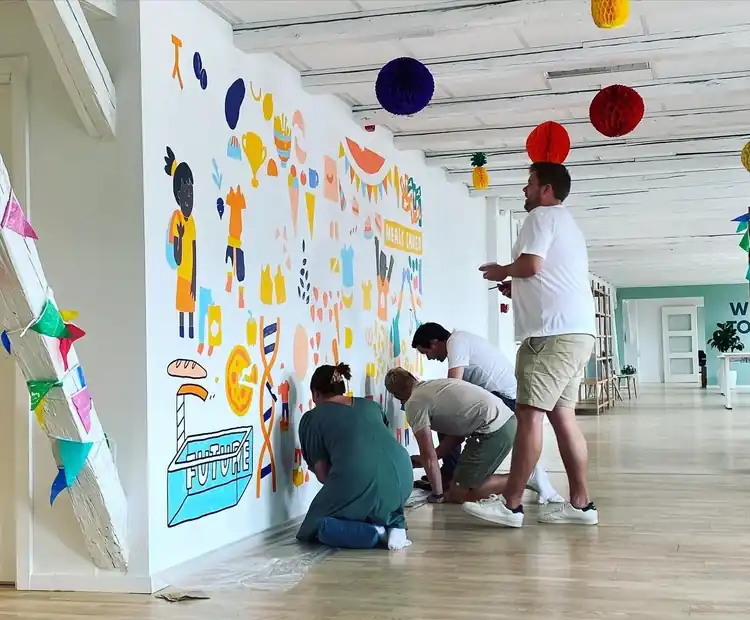
So we always start from the real objective. If two departments never speak to each other, you want a fast-rotation activity with deliberately mixed teams. If the issue is twenty recent hires, something collaborative with a physical outcome works better: a mural, bicycles built together, a construction challenge. And if you are simply rewarding a good quarter, then what matters is that it is competitive and fun, not that it teaches anything.
We work in hotel function rooms, warehouses, sports halls, beaches, parks and mountain settings. We bring our own facilitators, our own equipment and a timing script: how long each challenge runs, how many per team, when results are announced. That is what prevents the most common failure of these days, which is the activity overrunning, eating into lunch and ending flat.
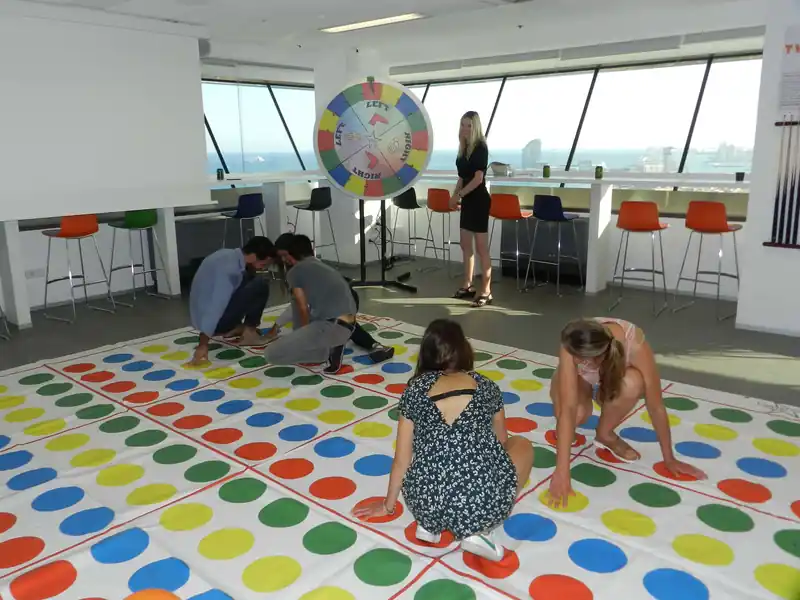
One detail that changes the outcome considerably: who forms the teams. Let people choose and the usual groups form, and the activity fails its purpose. Impose a fully random split and you sometimes get unbalanced teams that ruin the competition. What works best is a directed split presented as a draw: we mix departments and profiles deliberately, but it looks like chance. Nobody feels assigned and the mixing objective is met anyway.
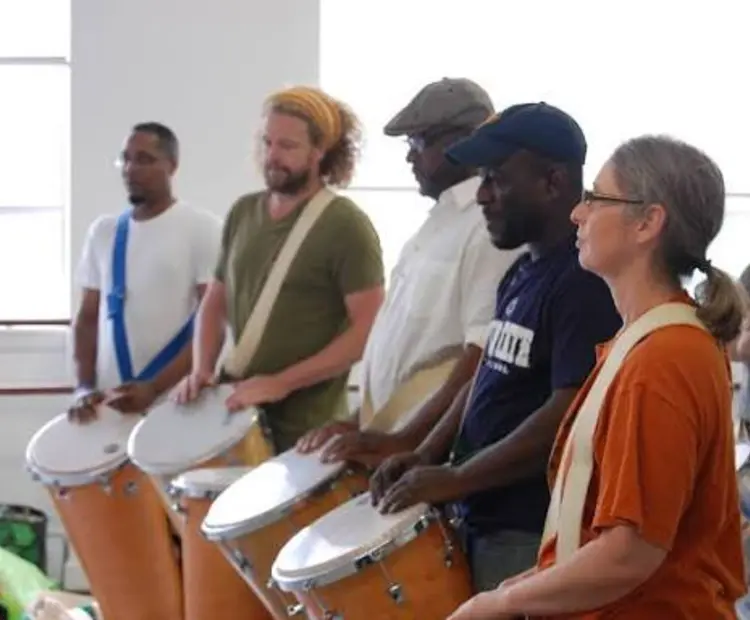
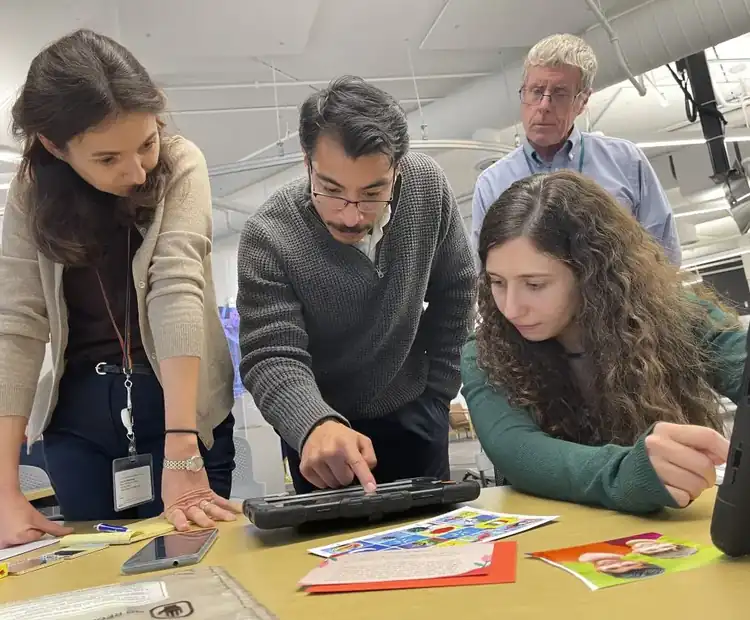
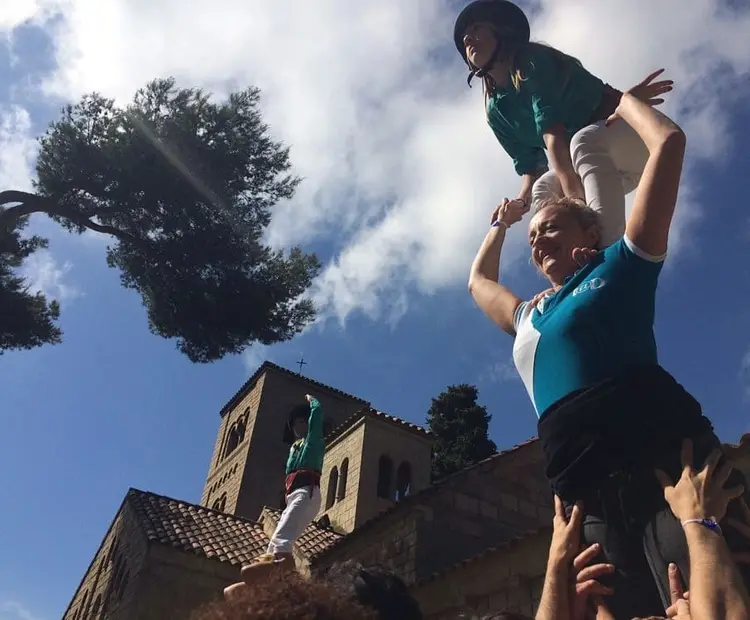
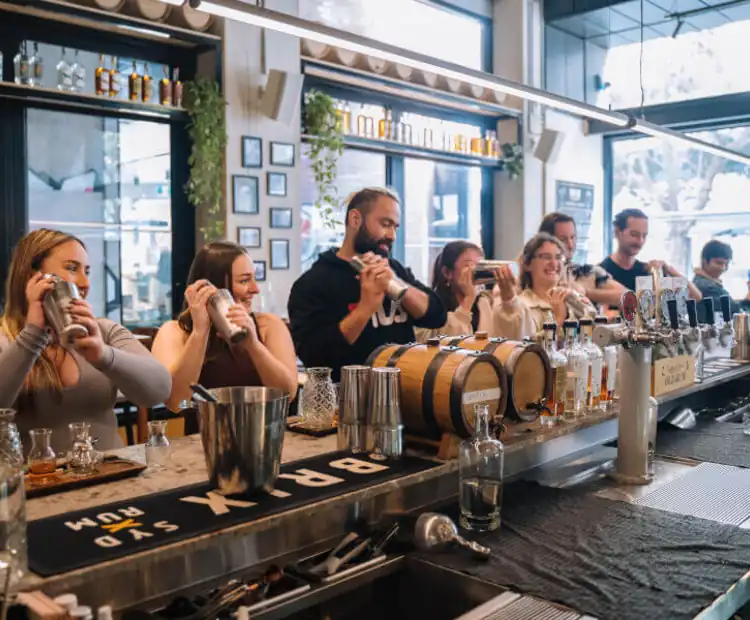
Groups are formed deliberately across departments and seniority. It is the least visible part of the design and the one that changes the outcome most: people end up working with colleagues they never overlap with.
The same concept works for a small team in a meeting room or a full convention in a sports hall, by changing the number of stations, facilitators and rotation logistics.
A scoreboard, a podium, a finished mural, assembled bicycles or a video of the day. A tangible ending is what makes the activity stick and get shared internally afterwards.
Integrating new hires, breaking silos between areas, rewarding results or simply having a good time. Each objective leads to a different format.
Challenges, timings, team size, rotations and when prizes are given, mapped against the real schedule of the day.
We check surface, access, lighting and a wet-weather plan if it is outdoors. If permits or insurance are needed, we handle them.
Our facilitators keep the pace, referee, score and close with results. You take part; you do not organise.
The real indicator that a session worked is not the satisfaction survey: it is whether people are still talking about it a week later. That is why we insist on closing with something tangible. A podium with names, a short video of the day, a mural left hanging in the office or photos circulating in the internal chat extend the activity in memory far more than any guided closing reflection.
It also helps the company measure something. We collect participation, scores and photographs and hand them over afterwards so you can use them in internal communications. It is a closing step that costs little and turns a pleasant afternoon into content the organisation uses for weeks.
Eight people is enough for competitive team formats. Below that, single-group collaborative activities work better, such as a cooking workshop or a mural, where no division is needed.
Two to four hours of activity is typical. A full half day including lunch is also common. What we do not recommend is running more than four hours straight: attention drops and the activity loses its edge.
Every outdoor proposal comes with an agreed plan B from the start: an indoor version, a marquee, or a change of activity. It is decided with you the day before, not on the fly.
Yes. Most of our facilitators work in Spanish, Catalan and English, which is standard at conventions with international attendees. Mention it when requesting a quote so we assign the right crew.
We can coordinate it with the venue or bring our own food carts into the day. Formal lunches are usually better handled by the venue itself, and we fit the activity timings around their service so the two do not overlap.