




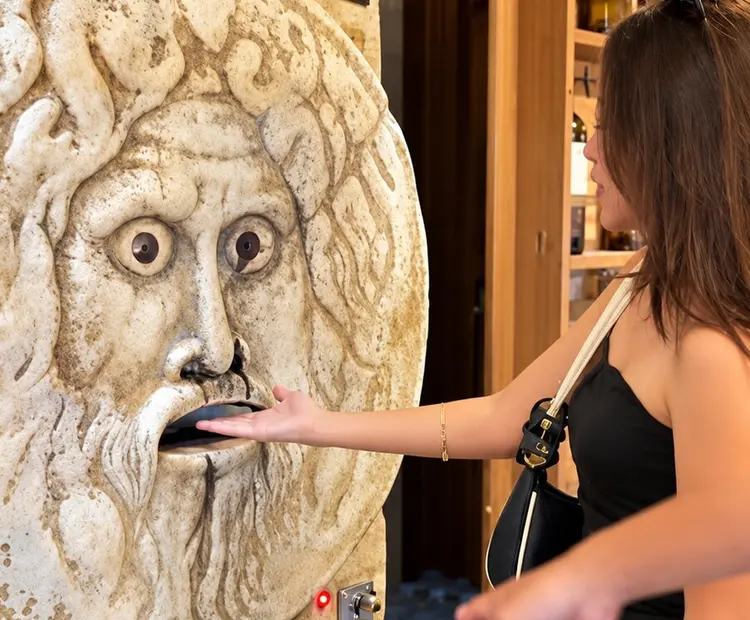

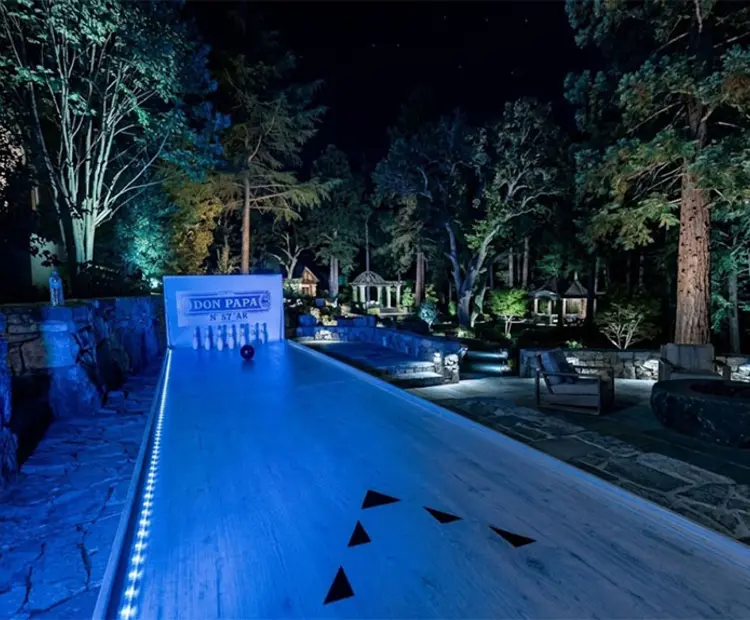
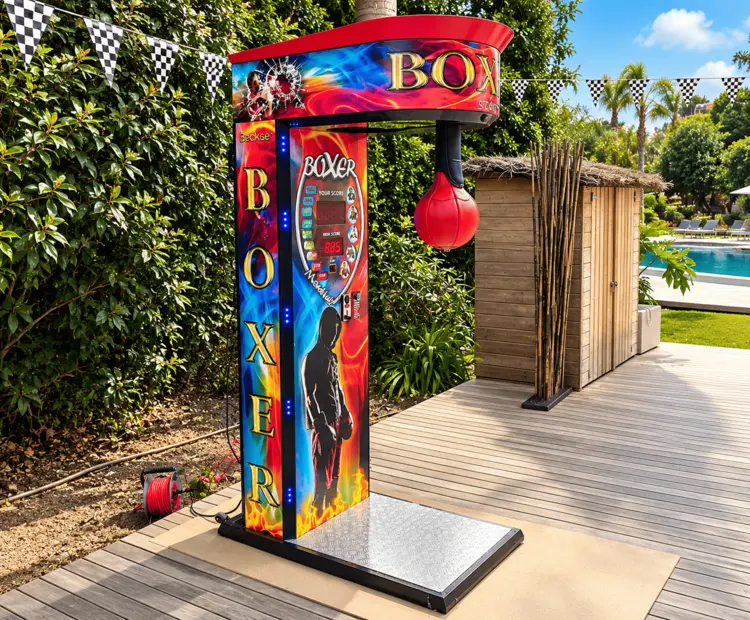


Ten-minute dynamics
Short activities between blocks that force people to stand and move. They restore the whole room's attention and the effect lasts over an hour.



Corporate Events
A corporate day is a full day on which a company brings its team together away from routine to combine meetings, training or planning with group activities.
Activities for full-day corporate away days: morning dynamics, an afternoon release and something to break the rhythm mid-session.
We run the activity element of corporate away days: short dynamics between working blocks, a main afternoon activity and wellness proposals to break the rhythm of a long day.
A full-day corporate session has a physical problem before it has a content problem: eight hours seated in the same room exhausts anyone, however interesting the programme. From the third hour attention drops, after lunch it plummets, and the last part of the day is lost entirely unless something cuts that curve.
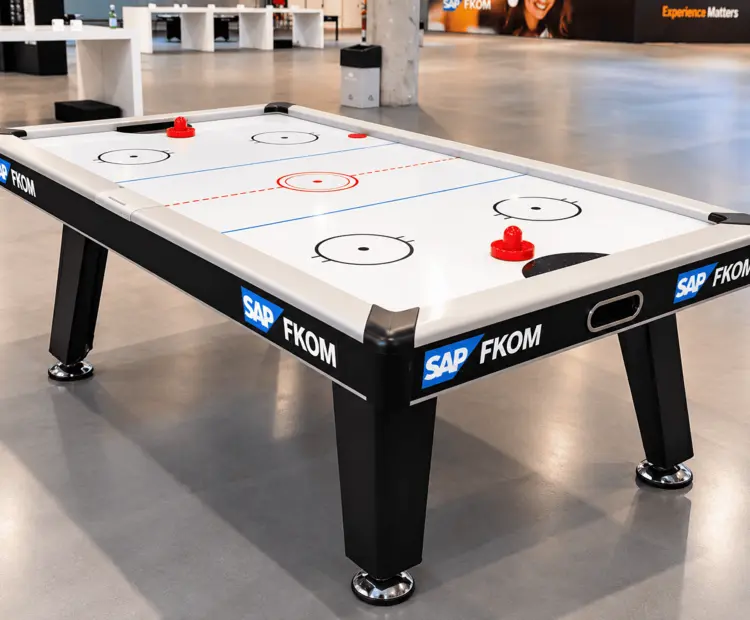
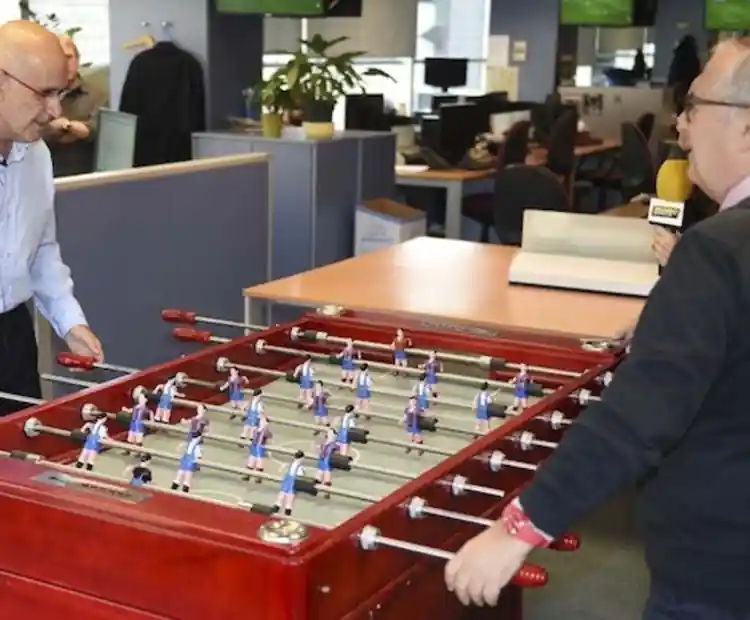
What breaks the rhythm best is not the coffee break, which people spend on their phones, but short physical activities. Ten minutes of something that forces people to stand, move and talk to someone different restores the whole room's attention, and the effect lasts another good hour. We call them break dynamics and they are, by a distance, the most cost-effective part of an away day.
For the afternoon, the format depends on the objective. If it is a genuine working day, something brief after lunch that clears the head and lets work continue is better. If the day is about team cohesion or closing a quarter, the activity can take the whole afternoon and become the axis of the day, with the formal part concentrated in the morning.
We provide equipment, facilitators and a timing script. We work in hotel meeting rooms, coworking spaces, converted country houses and convention centres, and adapt proposals to what the space allows: some activities need height, others need movable tables, and others work without touching anything.
Short activities between blocks that force people to stand and move. They restore the whole room's attention and the effect lasts over an hour.
If it is a working day, something brief after lunch. If it is about cohesion, the activity can fill the afternoon and become the axis of the day.
Some proposals need height, others need movable furniture, and others work without touching anything. We choose by what the space genuinely allows.
The day's schedule, working blocks, breaks and what kind of room it takes place in.
Which dynamic at which moment, how long it runs and what it needs from the space, at a closed price.
We check height, whether furniture can be moved, floor area and power points.
Our facilitators come in at the agreed moments, run the activity and restore the room without losing time.
If you plot a room's attention across a full day, the graph is always the same: high in the first hour, decent until lunch, minimal between three and half past four, and slightly recovered at the end because the finish is in sight. Knowing that curve lets you place important content where people are receptive and put activity exactly where the graph falls.
That is the entire criterion behind the breaks we propose. It is not about adding entertainment for its own sake, but about placing it at the two specific moments when the room is being lost. With two well-positioned interventions, an eight-hour day holds up far better than with four coffee breaks.
Not if it is planned with you. Break dynamics run ten minutes and sit exactly where the programme already had a pause. We restore the room immediately so the next session starts on time.
Not necessarily. Some proposals are designed to work in the same room, even without moving tables. If another space is available the effect is better, but it is not essential.
Yes. Short dynamics work well from eight people. In very small groups, single-team collaborative activities carry more weight than competitive formats.
Yes. Our facilitators work in Spanish, Catalan and English, and for sessions with international attendees we prioritise dynamics understood without relying on language.
Considerably less than people assume, because they need no heavy equipment or long builds. It is the part of the budget with the best ratio between cost and effect on the day.