
Deliberately mixed teams
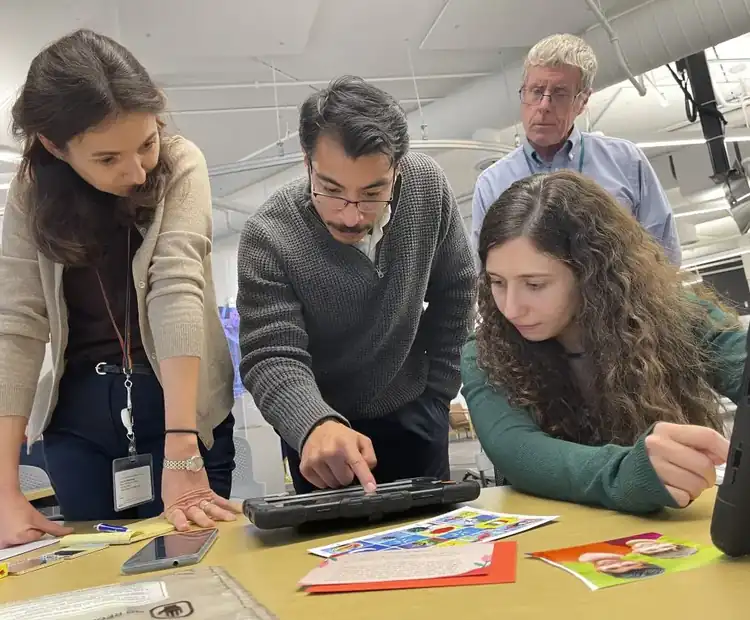
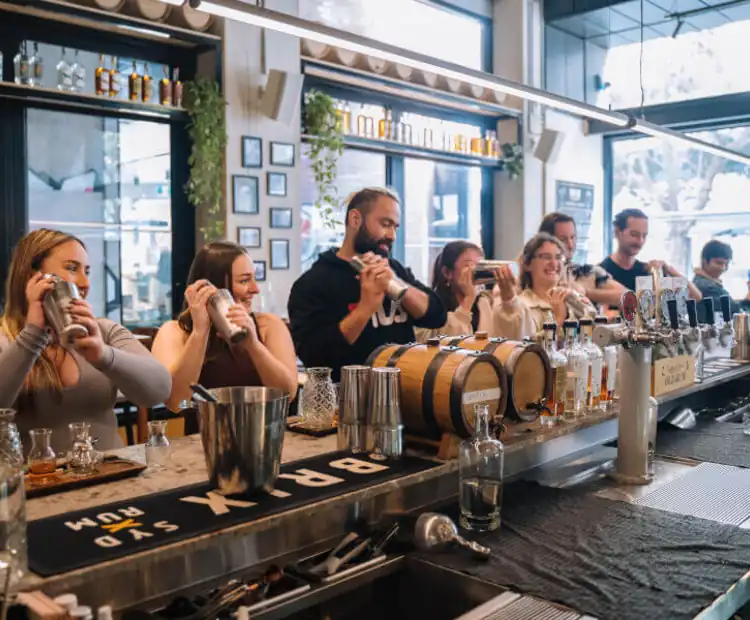
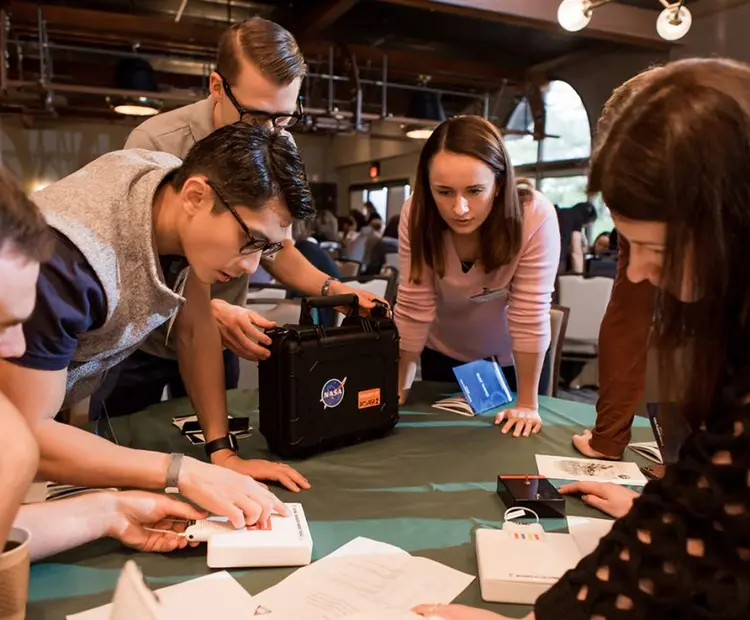
Never department against department. We form groups across areas and seniority, because competing forces collaboration and that is where the real value is.



Corporate Team Building
Competitive team building pits several teams against each other in scored tests and challenges, so that each group grows closer while competing for a shared result.
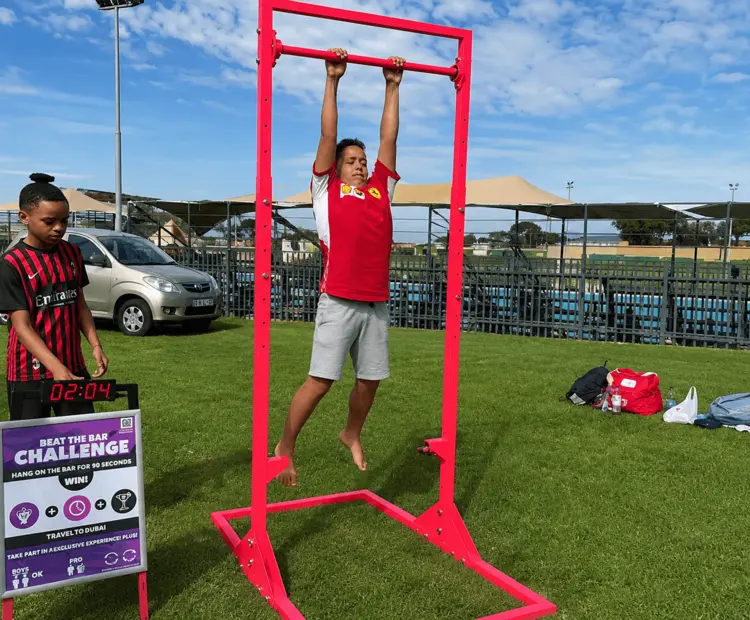
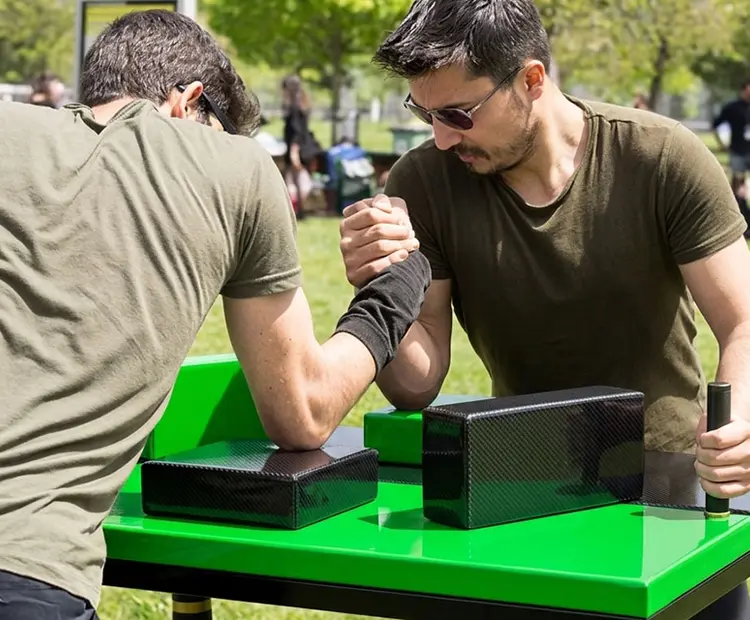
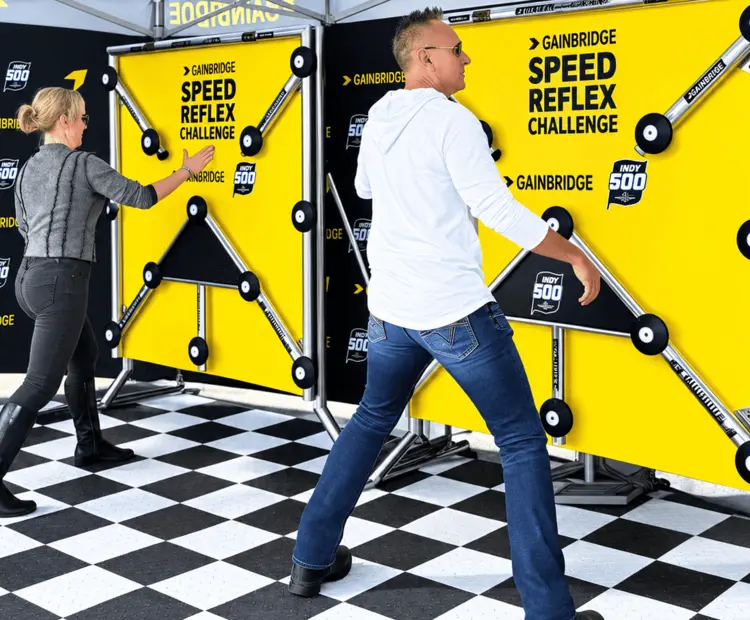
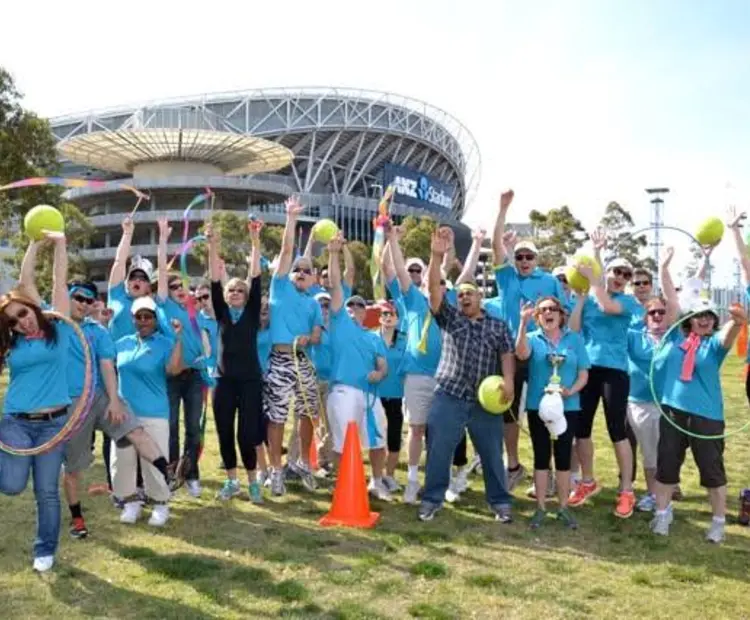
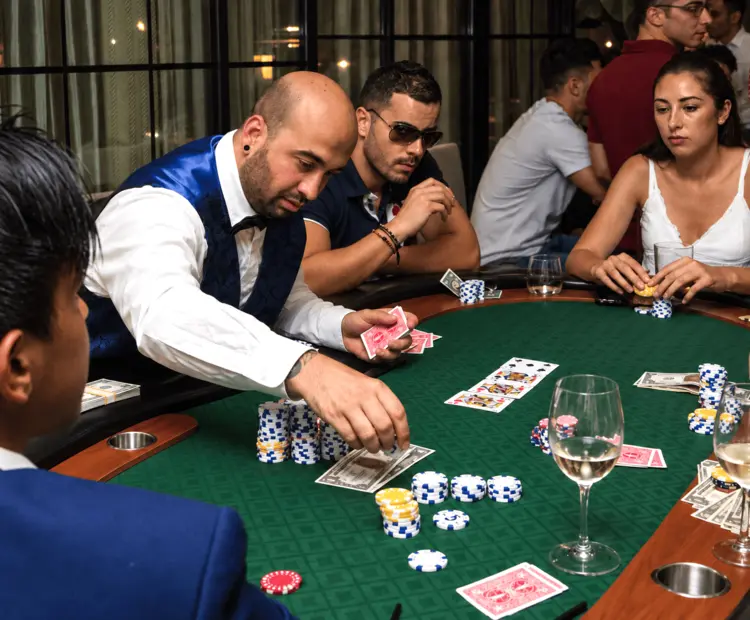
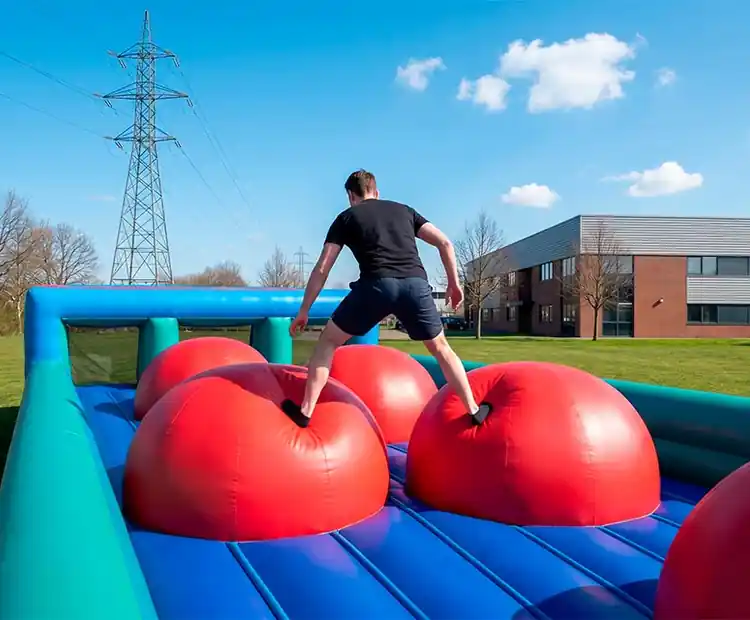
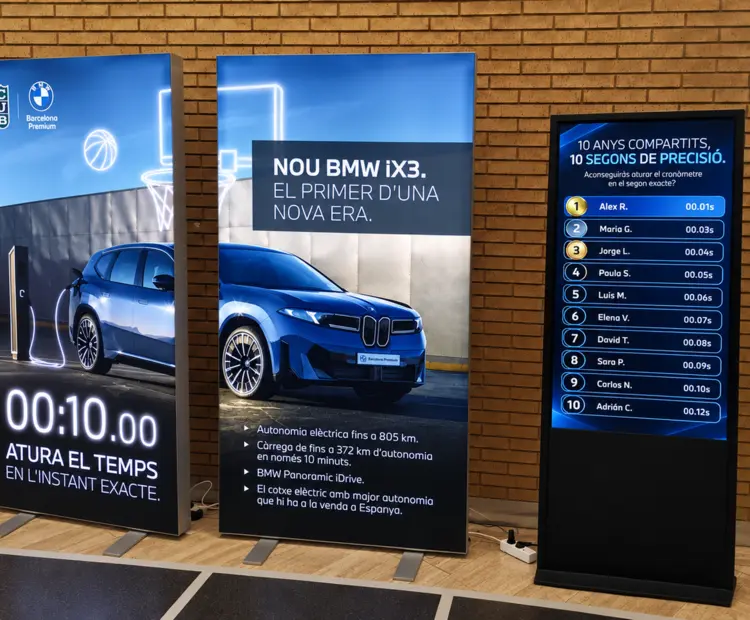
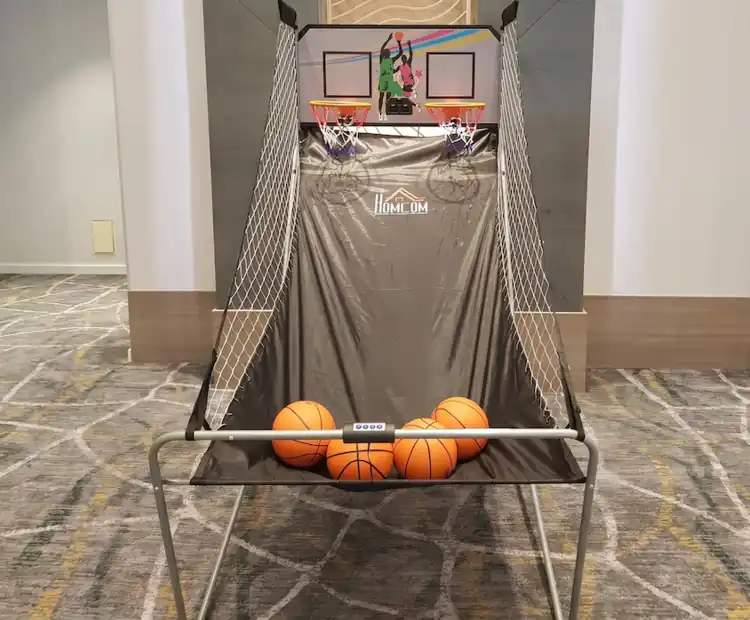
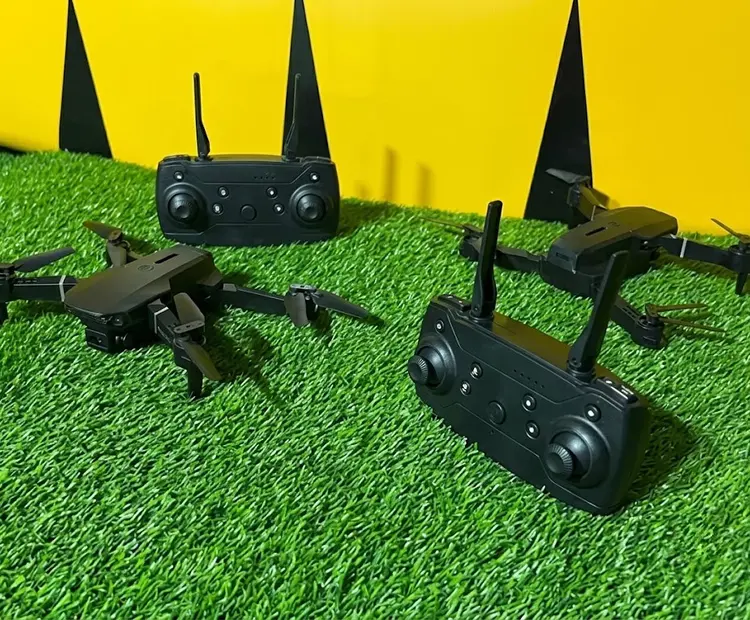
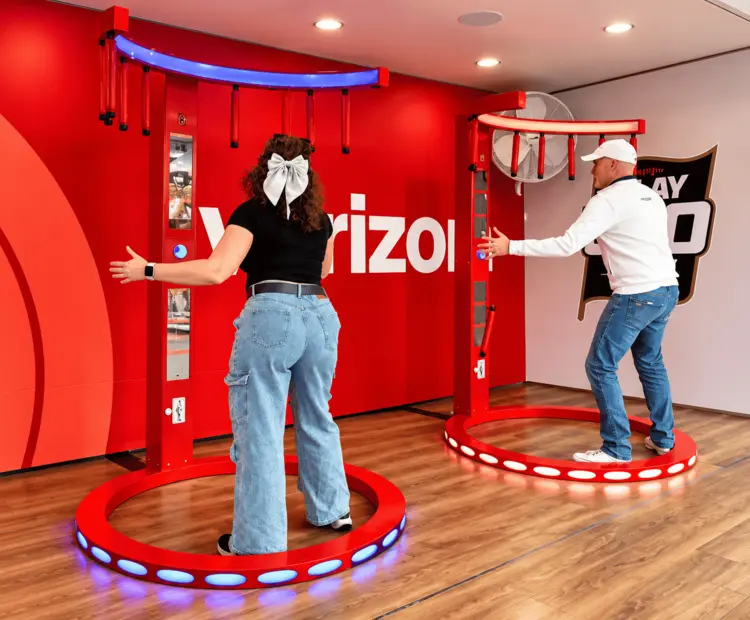
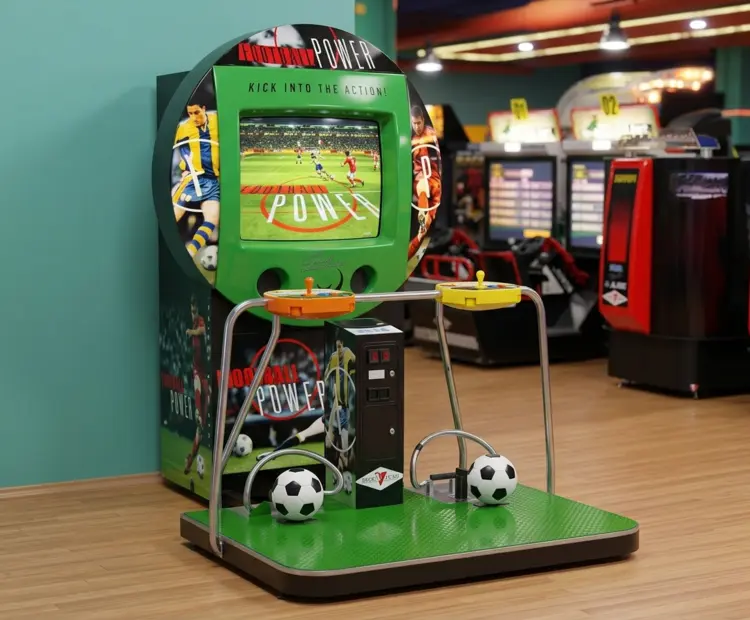
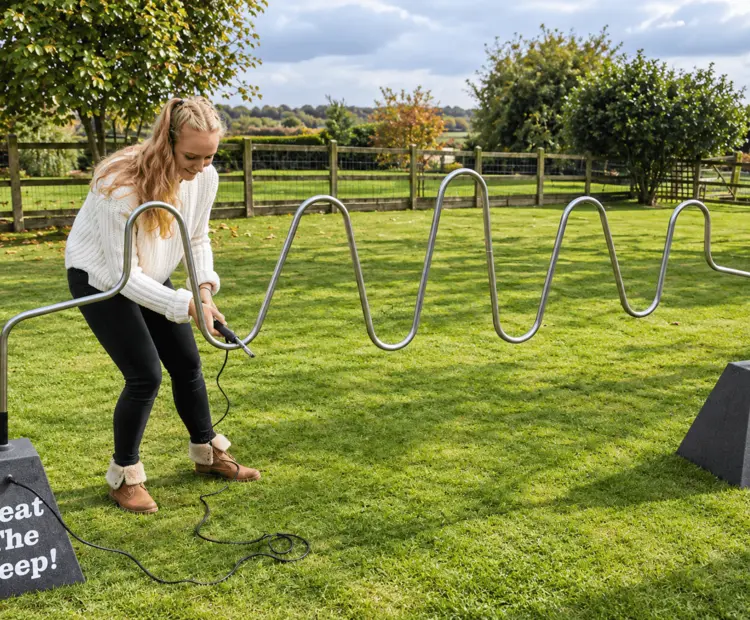
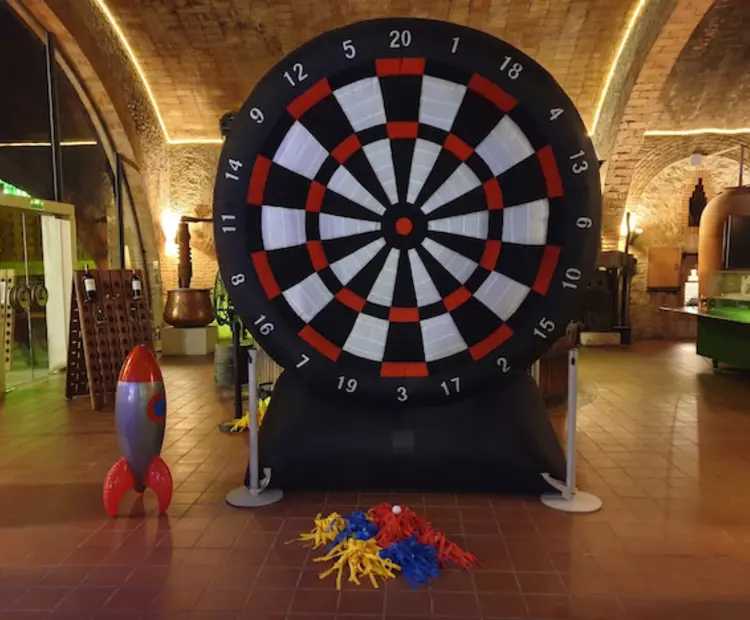
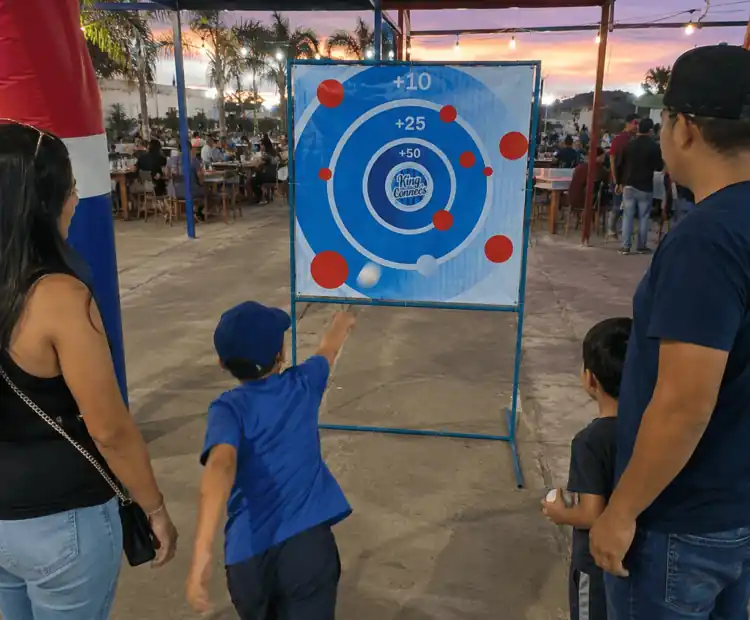
Company olympics, timed challenges and a live scoreboard for teams that only engage when there is something to win.
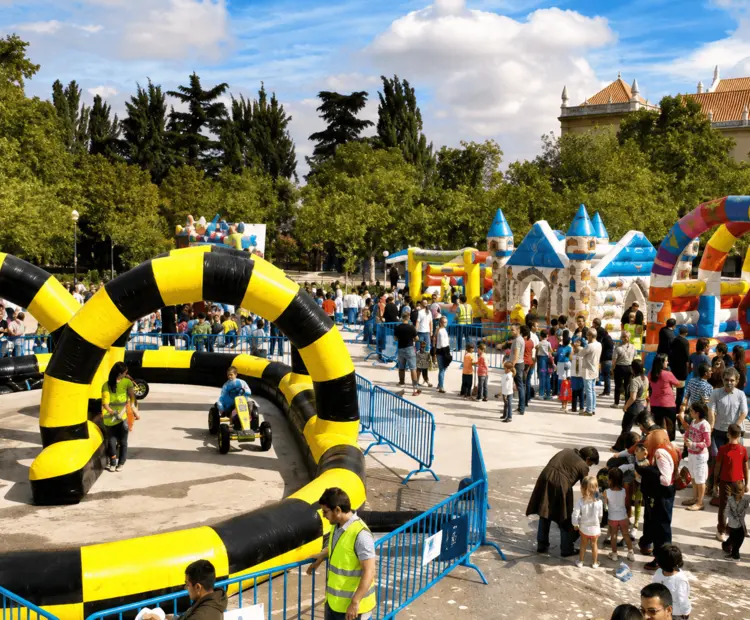
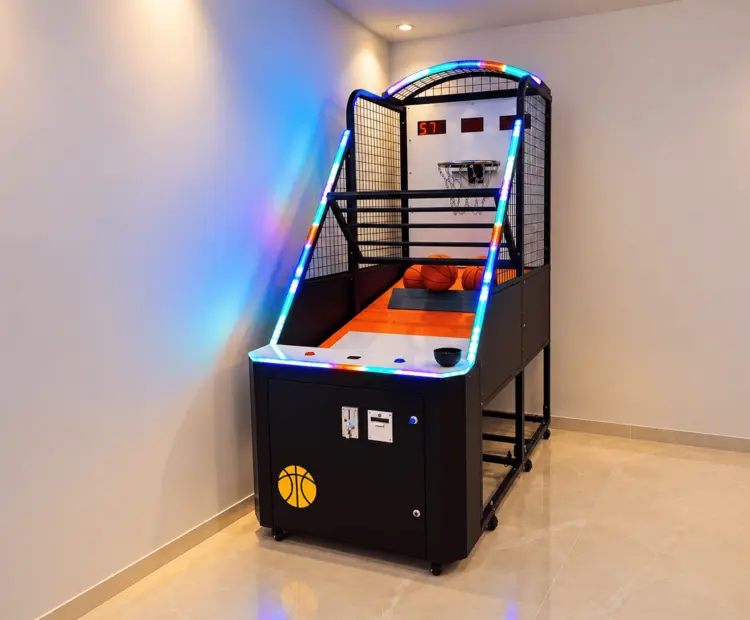
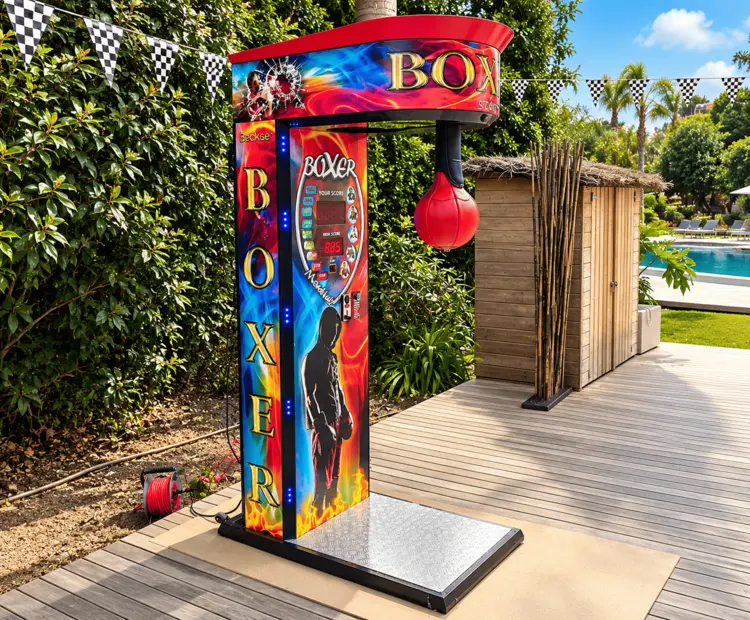
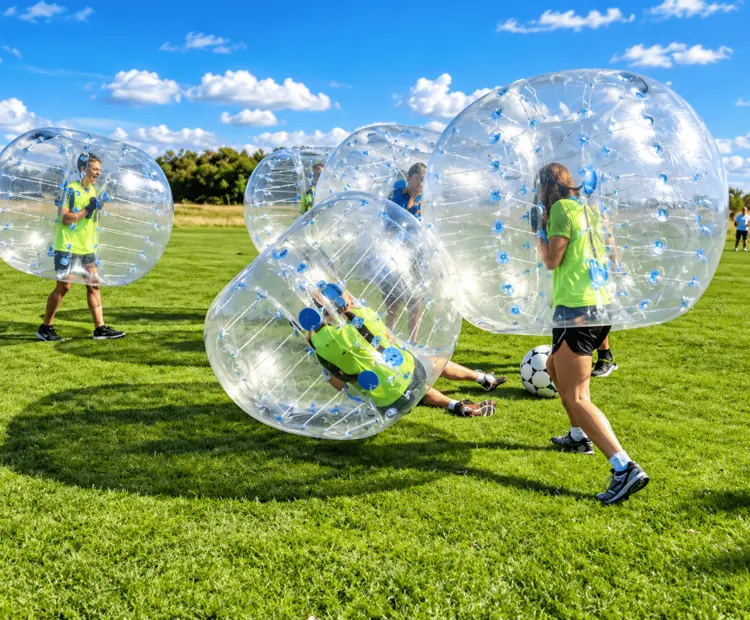
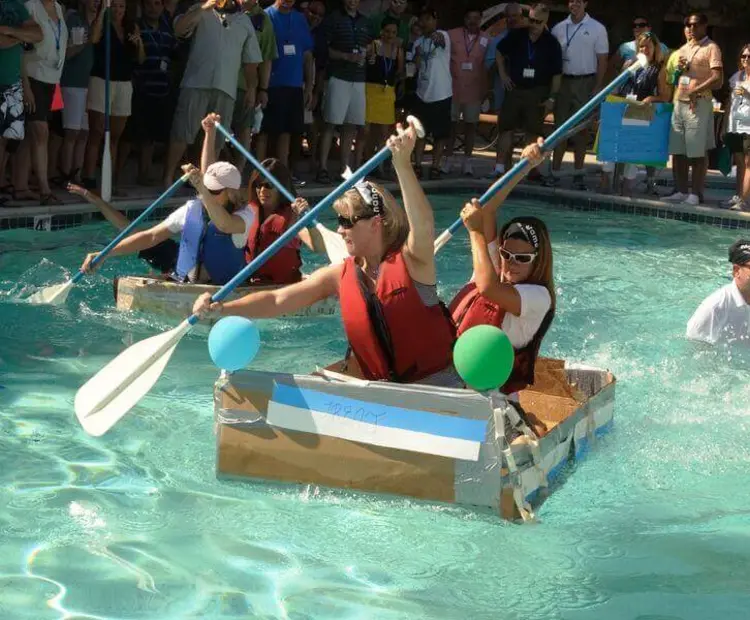
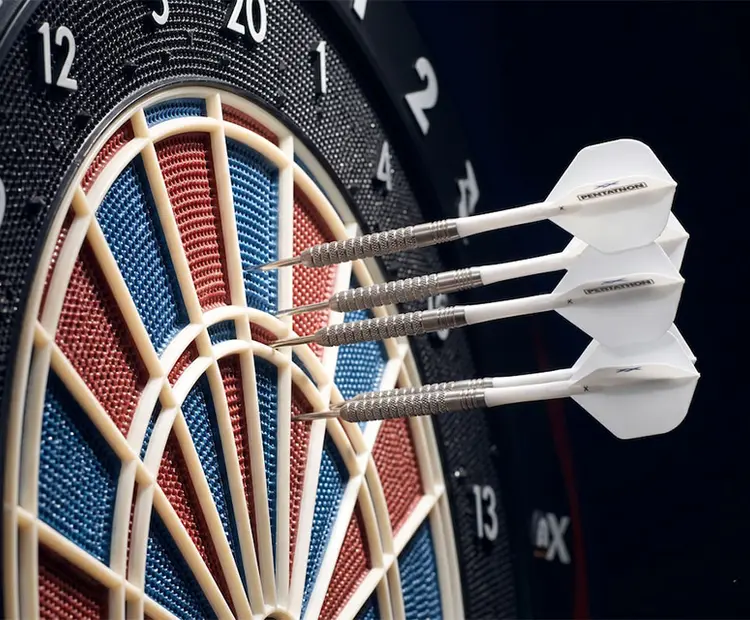
We design competitive team building with clear rules, measured times and a live scoreboard: company olympics, challenge circuits, treasure hunts and internal tournaments that end on a podium.
There is a widespread idea that competition is counterproductive within a working team, and experience says the opposite when it is set up properly. Competing provides a frame: identical rules for everyone, a measurable objective and a clear ending. Inside that frame people organise themselves, leadership appears that the office never shows, and you find out who solves problems under pressure, which is information no communication workshop provides.
The key is that the competition runs between deliberately formed teams rather than between real departments. Pitting sales against operations reinforces exactly the division you wanted to break. Forming teams across areas and seniority makes competition force collaboration with people you never work with, and that is where the whole value sits.
On format, we work with station circuits and with olympics. A circuit distributes teams across short challenges and rotates them, so everyone is always active and nobody waits. Olympics concentrate several disciplines with cumulative scoring and work better when there is plenty of time and a large space. Both end the same way: with a classification, a podium and a photo.
We bring facilitators who genuinely referee. It sounds minor and it is not: the moment a challenge allows interpretation and nobody decides, the activity stalls into argument. Our facilitators carry written rules, a stopwatch and judgement, and that keeps the pace through the whole day.
Never department against department. We form groups across areas and seniority, because competing forces collaboration and that is where the real value is.
Every challenge carries written rules and a facilitator who decides. Without a referee, ambiguous challenges end in argument and the day loses pace.
A board updated live holds the tension across the whole activity and makes the last challenge genuinely matter.
Number of groups, size and mixing criteria, based on the org chart you send us.
Which challenges, how long each runs, how teams rotate and how scoring works.
Station layout, equipment, signage and a wet-weather plan if the activity is outdoors.
Facilitators at every challenge, a live scoreboard and a prize ceremony with the final classification.
A technical detail that changes the result considerably: if every challenge scores the same, the team that wins the first usually wins everything and the rest disengage. So we design scoring with increasing weight, meaning the final challenges can still change the classification and nobody is ruled out mid-way.
It also helps to have a higher-value final challenge, announced from the start. It keeps every team in contention until the last moment and gives the prize ceremony genuine tension. It is a design decision that costs nothing and makes the difference between an activity followed to the end and one that dissolves at the third challenge.
If teams match real departments, yes. That is why we always mix them. With crossed groups the effect is the opposite: people compete for a while and collaborate with colleagues they never usually overlap with.
Not in most formats. We design circuits combining skill, precision and strategy challenges alongside physical ones, so each team can allocate people according to who handles what best.
Two to four hours depending on the number of disciplines and teams. With eight teams and six challenges, including rotations and the prize ceremony, it runs around three and a half hours.
Yes. There are circuits designed for meeting rooms, warehouses or sports halls that need no outdoor space. The challenges change, not the format: scoreboard, rotation and close work identically.
We can provide trophies, but it works better if the company supplies them because they can carry internal meaning. We build the podium, the classification and the ceremony.