



A floor or wall that reacts to footsteps
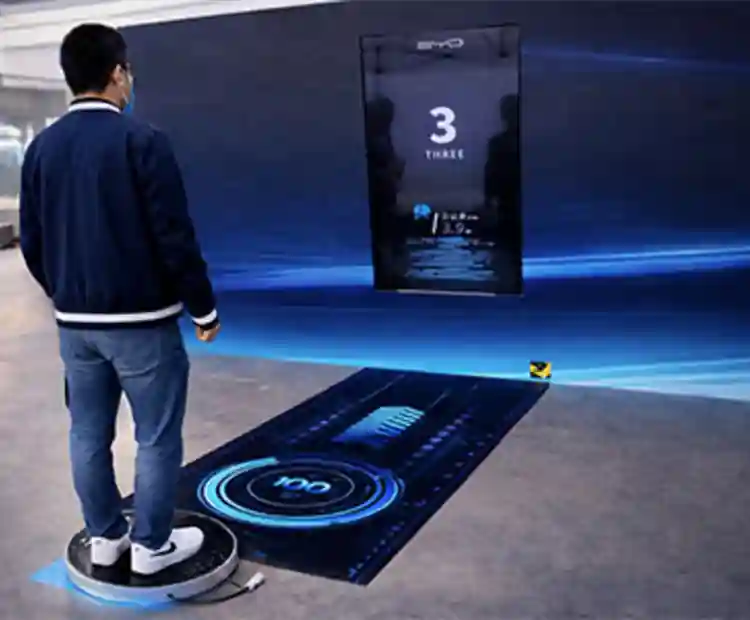
Interactive projections that change depending on where people walk, no explanation needed.


Immersive Events
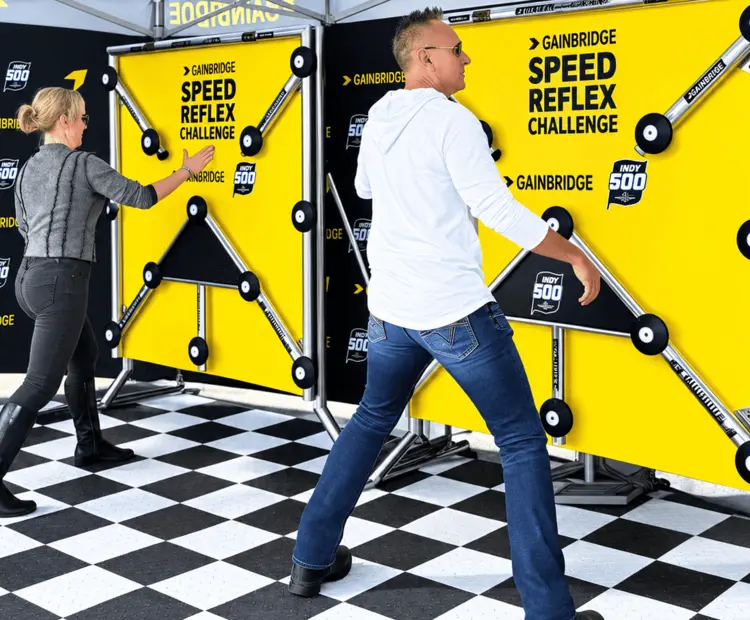
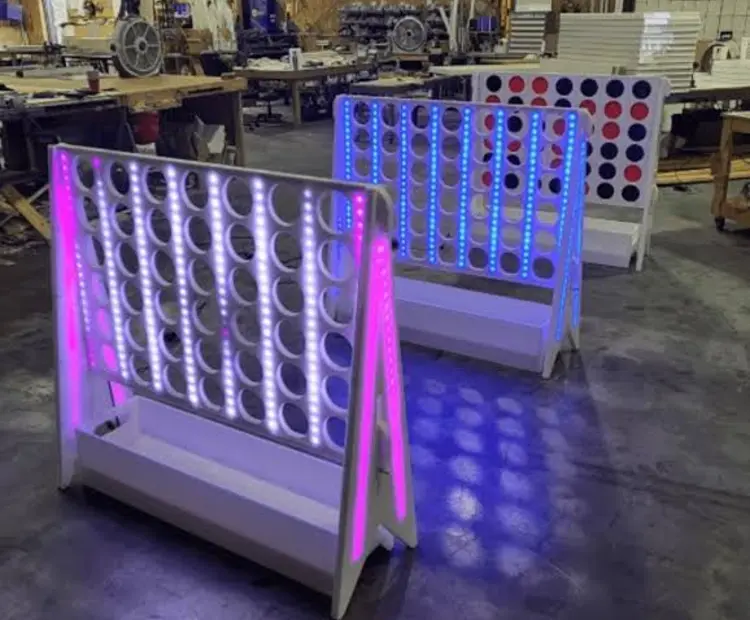
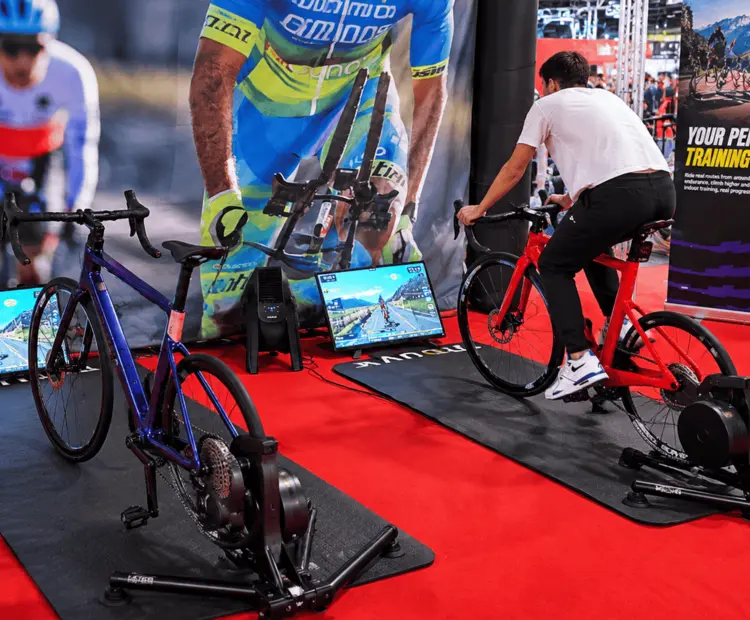
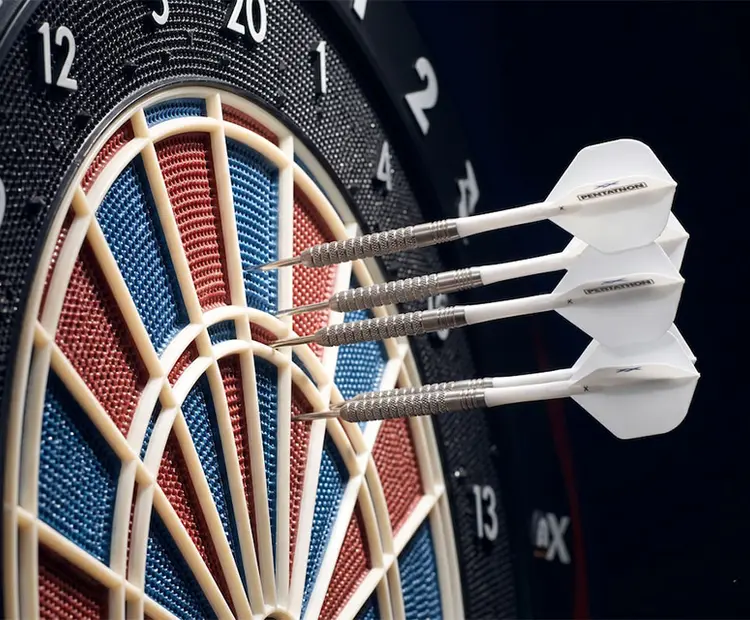
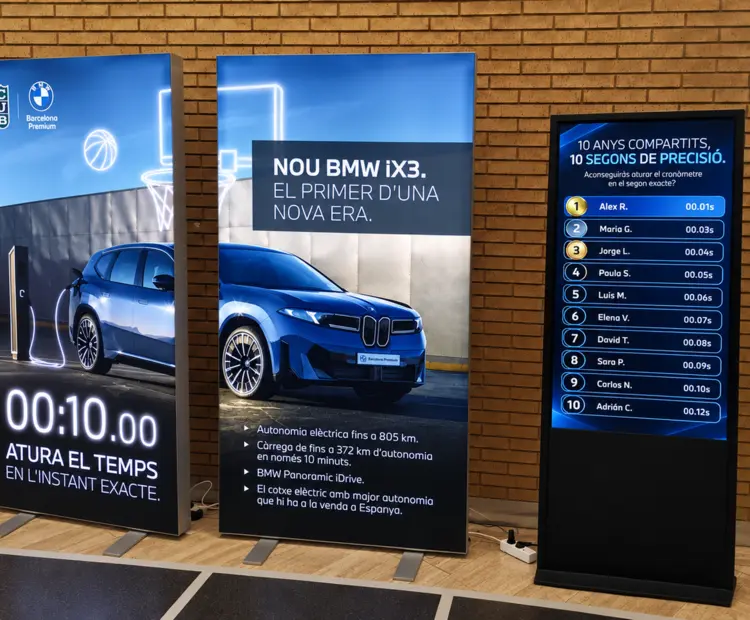
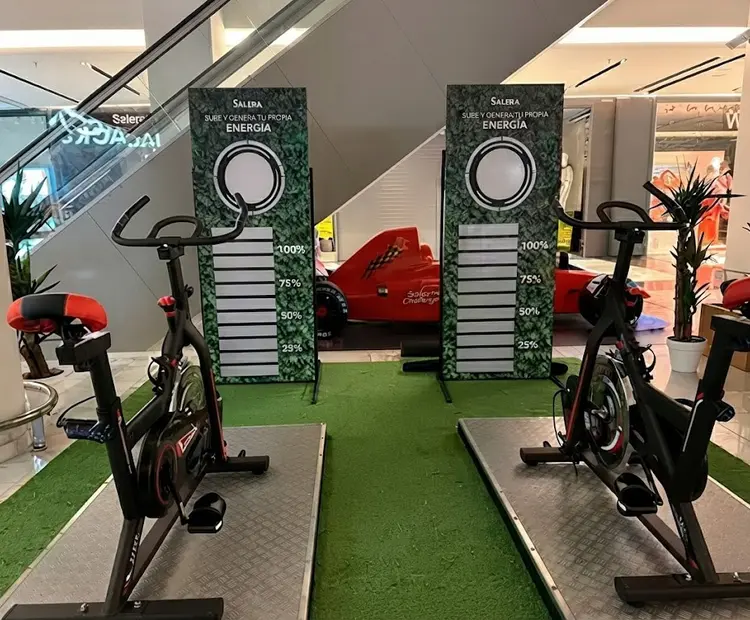
An interactive experience is an installation that reacts to what guests do, using sensors, screens or projections that change according to their movements or choices.
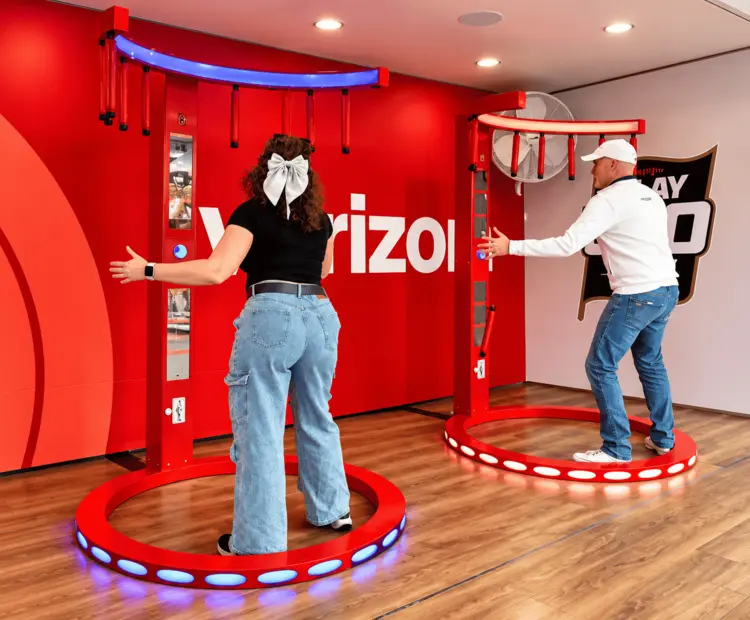
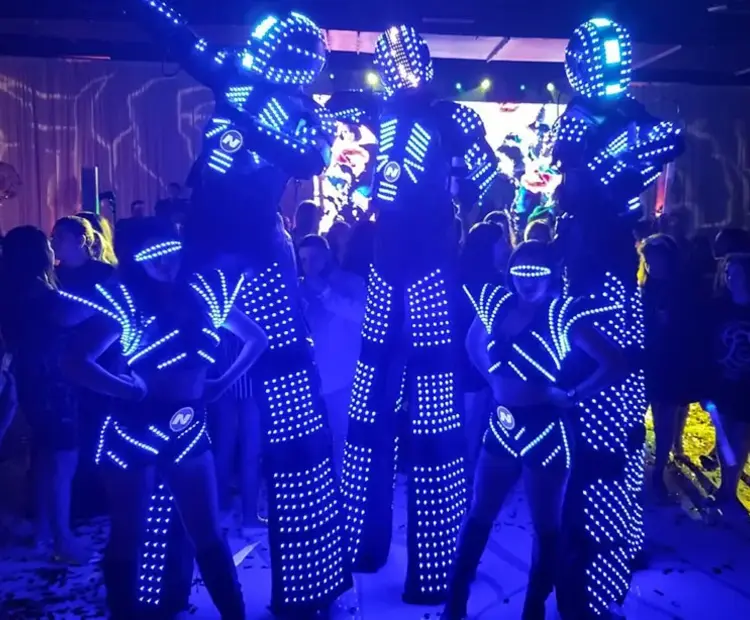
Installations that respond to a guest's gesture, so nobody's just watching from the sidelines.
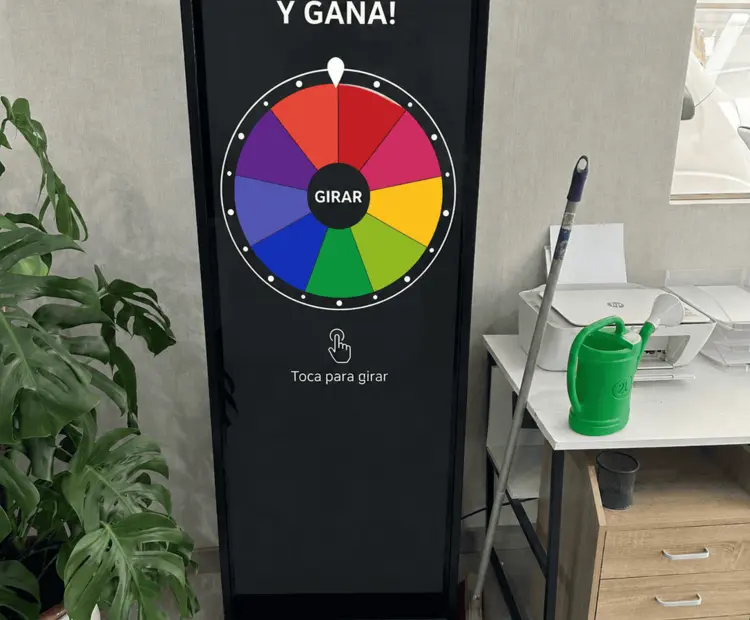
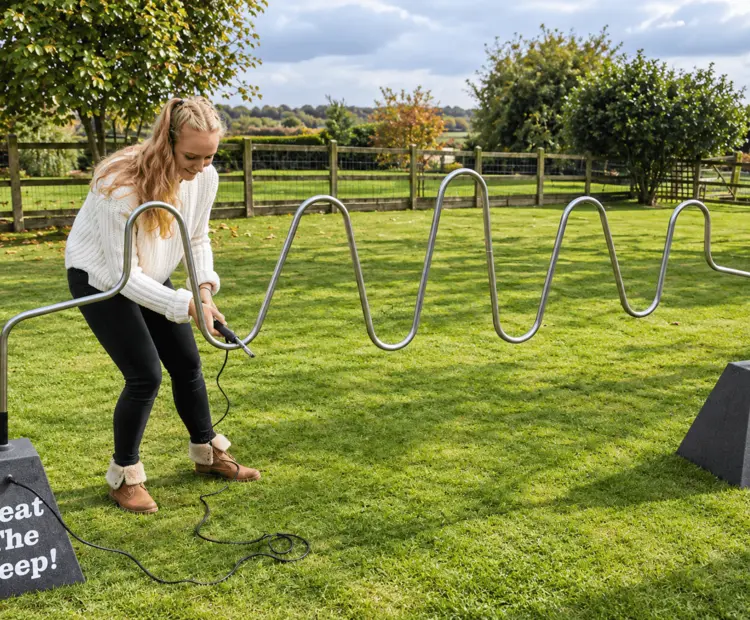
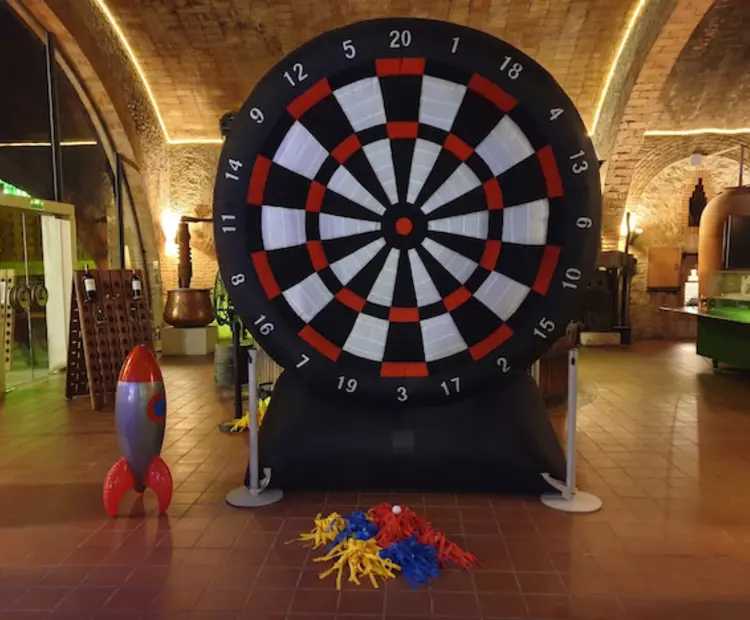
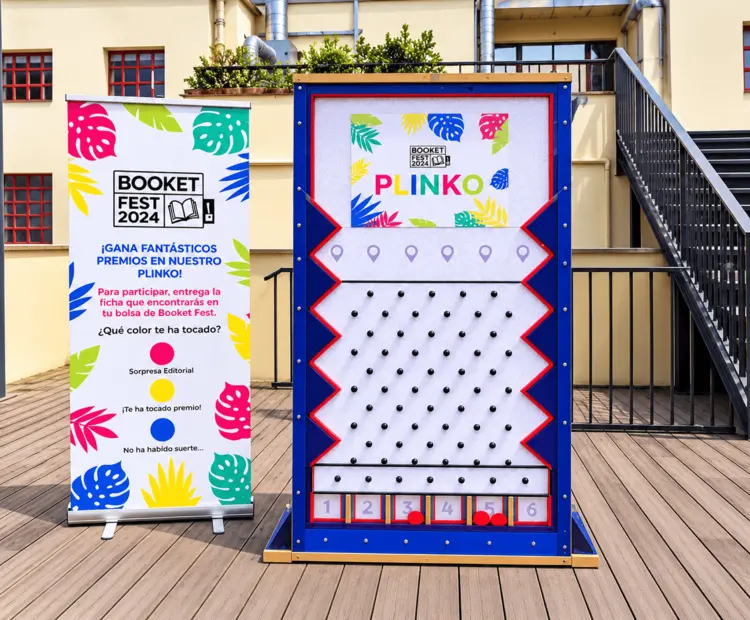
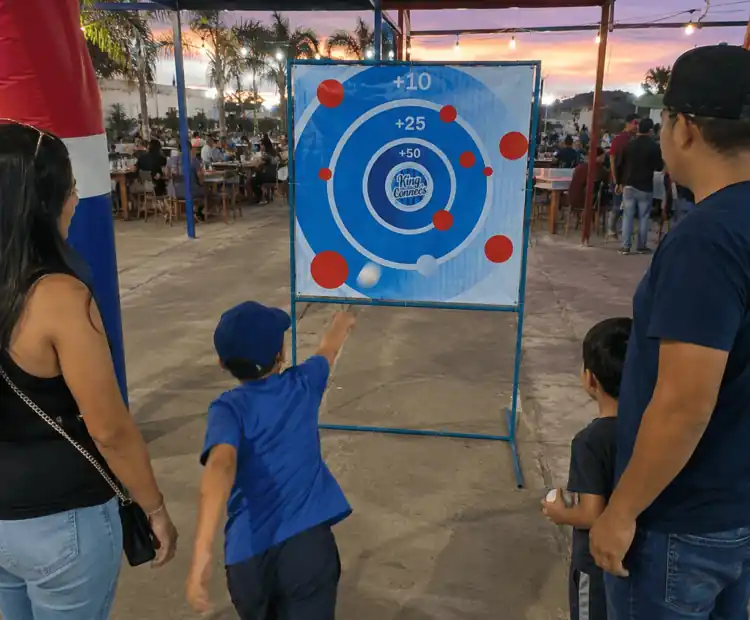
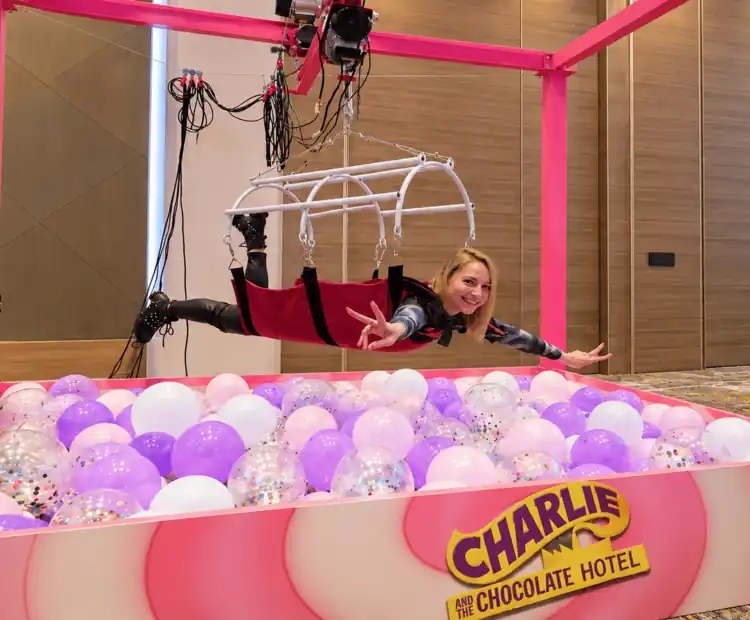
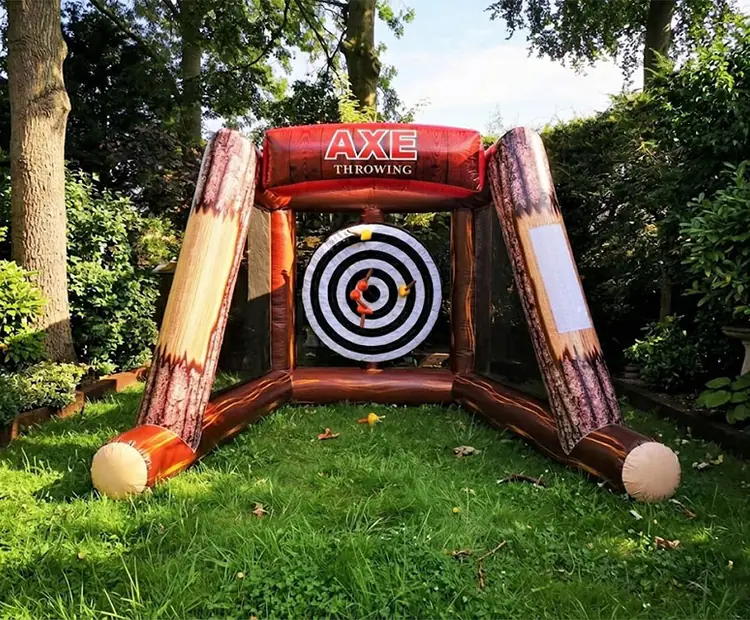
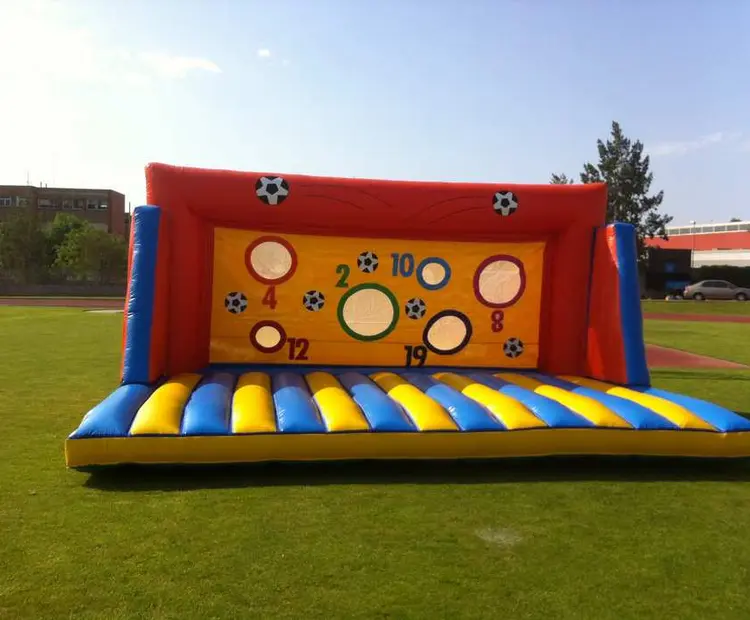
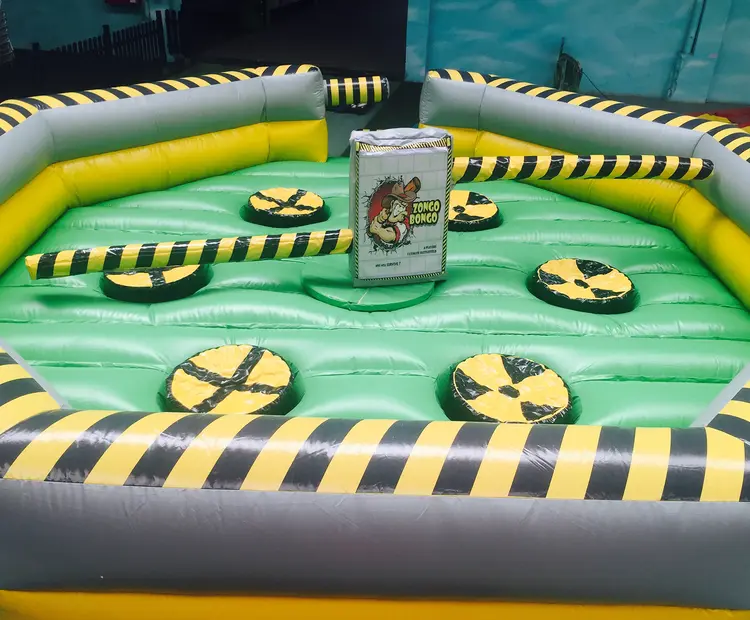
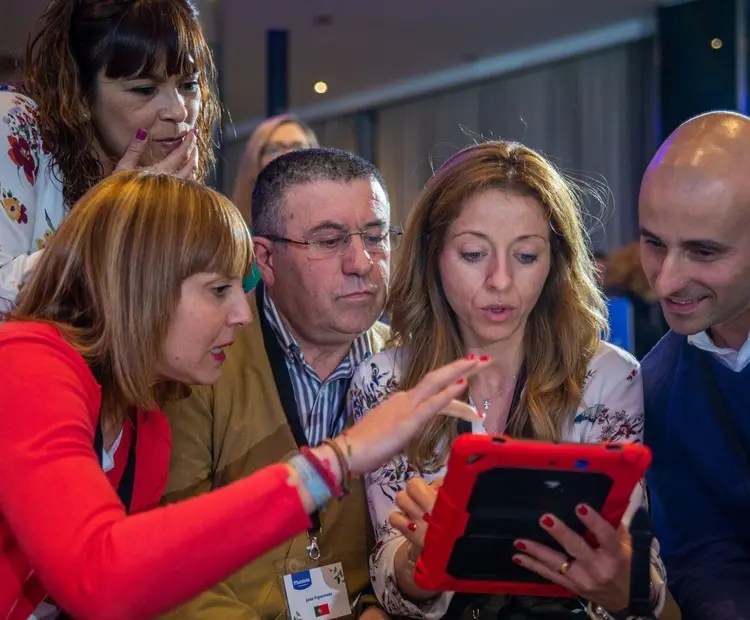
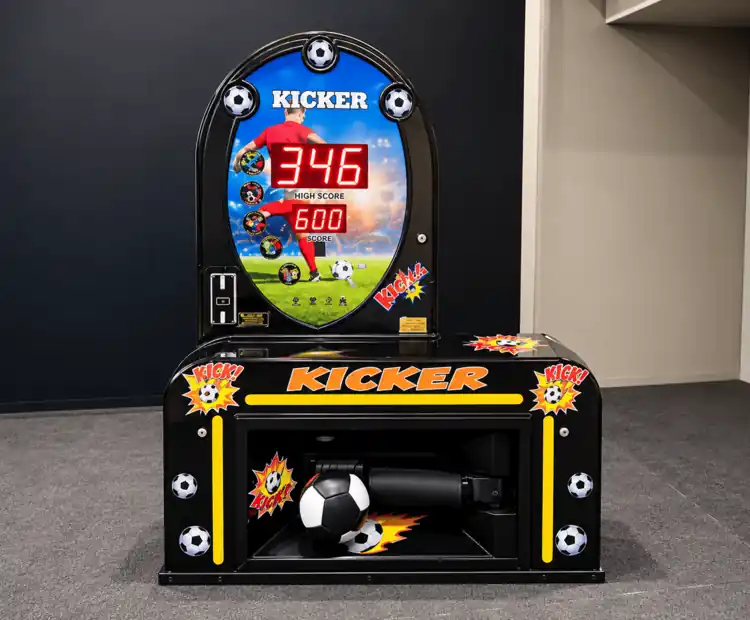
Installations and games that react to a guest's movement, voice or touch, so the experience depends on each person's participation rather than watching a show from a seat.
There's a clear line between decorating an event and making it interactive: decoration is looked at, interaction is activated. An installation that responds to a guest's gesture, light that follows movement, a floor that reacts to footsteps, a screen that draws what the camera captures, turns the observer into the protagonist.
It works especially well at moments when people are already standing and looking for something to do, like the welcome cocktail or the dead time between formal parts of the event.
Interactive projections that change depending on where people walk, no explanation needed.
Lighting installations that respond in real time to whoever moves in front of them, a different effect every time.
Screens or projections that fold in what the moment's camera captures, so every interaction is unique.
Which part of the event the installation runs in, and the real dimensions available.
The type of interaction (movement, voice, touch) matched to the audience and the goal.
Every installation is calibrated in the real space before guests arrive.
It depends on the installation; most support several people at the same time without losing response quality.
It adapts from small corners to full rooms; we confirm against real measurements.
Yes, both graphics and colours can be matched to the event's identity.
No, every installation is designed to be activated intuitively, with no long instructions.