
Several stations to avoid the queue
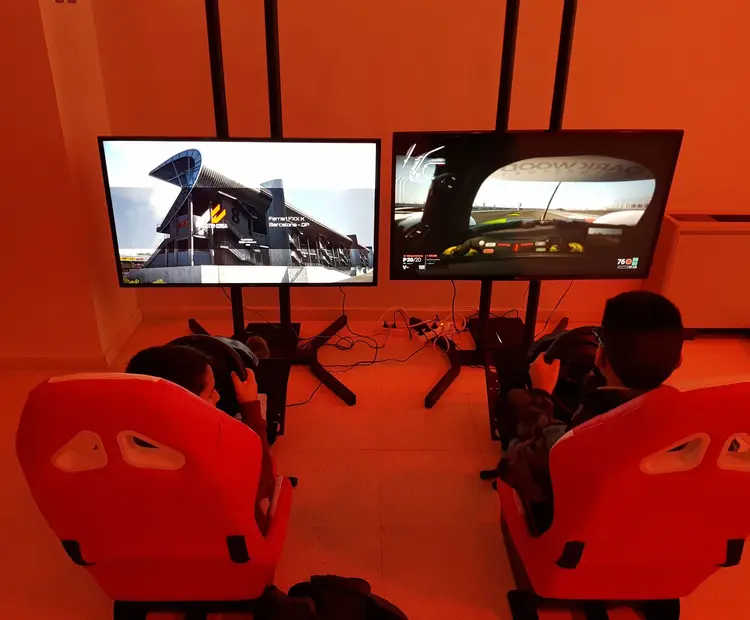
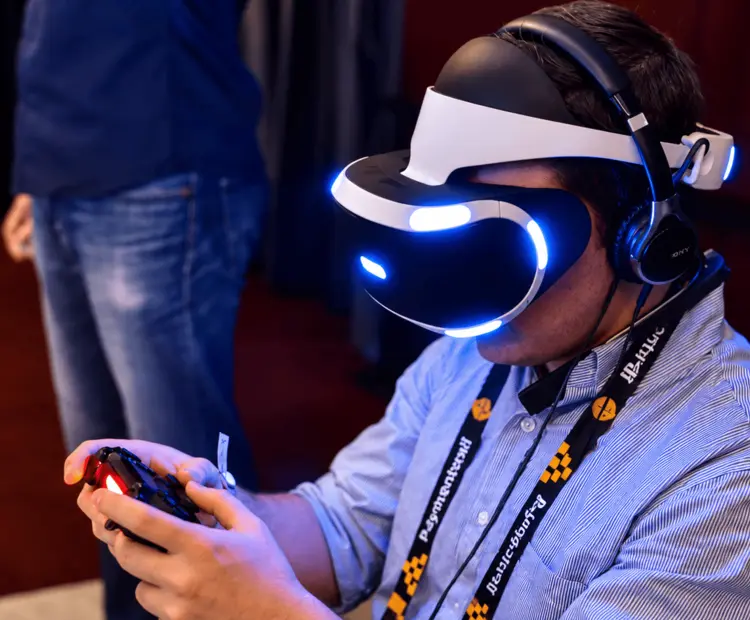
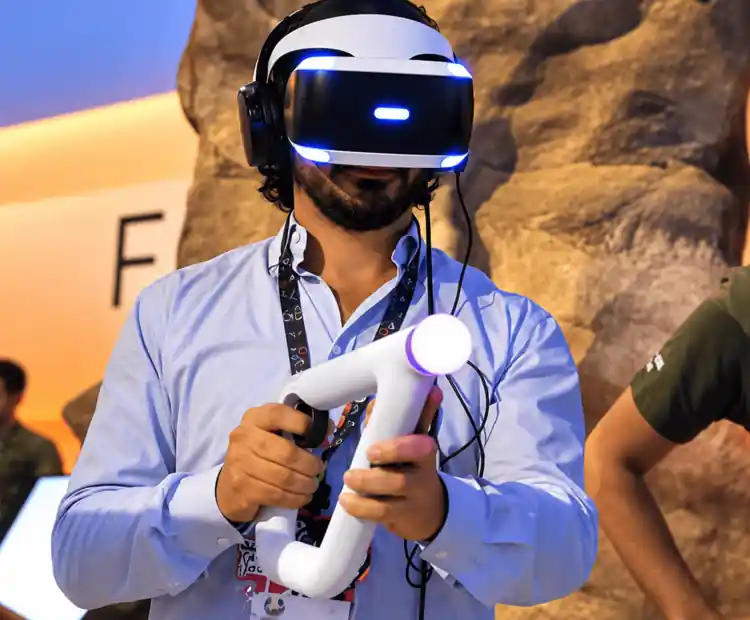
Between two and six headsets running in parallel, depending on the event's expected footfall.


Immersive Events
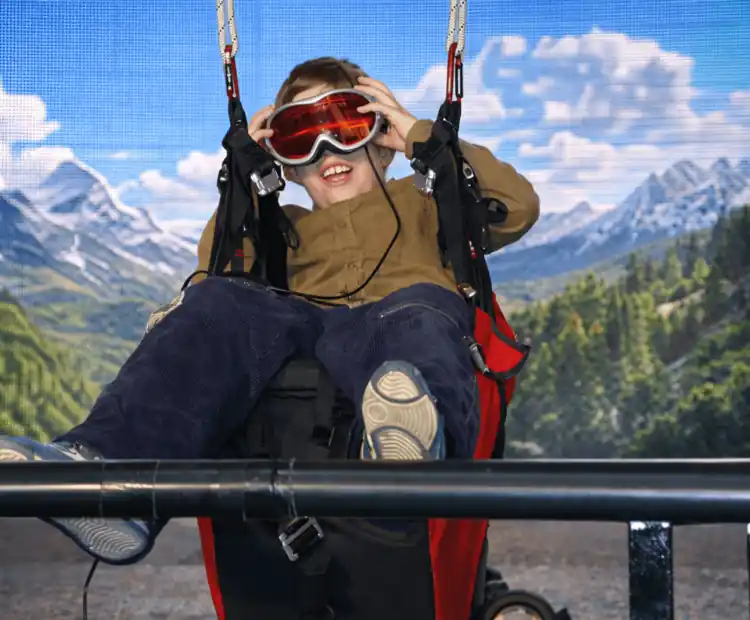
Virtual reality uses a headset that shows a 360-degree digital environment: guests look around and move within that world as if they were really there.
Multi-station virtual reality so dozens of guests experience it at once, not queuing for it.
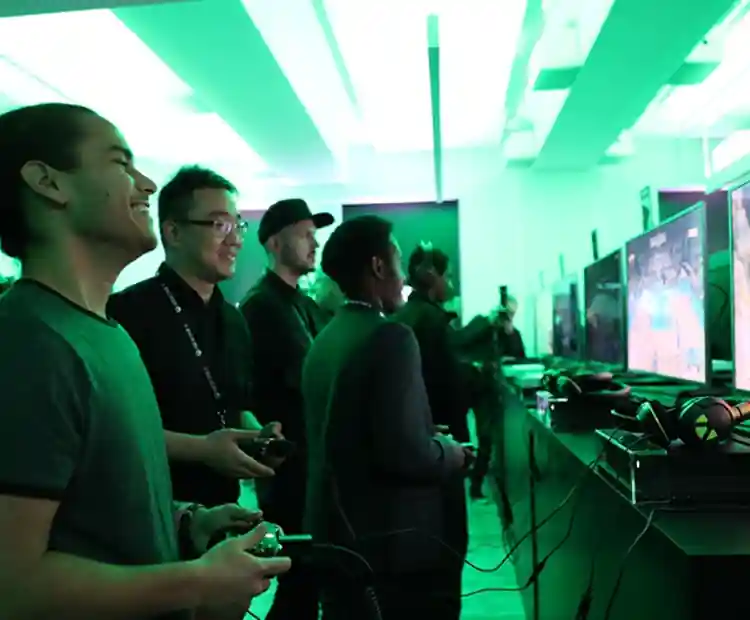
Several virtual reality stations running at once, with short experiences and fast rotation, so dozens of guests can try the technology without the area turning into an endless queue.
The most common problem with VR at events isn't the technology, it's the logistics: a single station with ten-minute experiences creates huge queues and frustrates more people than it excites. The fix is simple: several stations running in parallel and short two or three-minute experiences.
We work with generic catalogue content (roller coasters, flights, simulators) or with bespoke experiences developed for the brand or event, depending on budget and goal.
Between two and six headsets running in parallel, depending on the event's expected footfall.
Two or three minutes per session, enough to impress without a long wait.
A specific brand or product experience developed, with more preparation time.
Number of guests and event hours, so we can calculate how many stations are needed.
Generic catalogue or a bespoke experience, based on goal and budget.
One technician per station manages timing and helps fit the headset on each guest.
With three stations and three-minute sessions, around 50-60 people an hour, with no long queues.
Yes, each headset is sanitised between guests following standard protocol.
Yes, though it needs more development time, usually three to five weeks depending on complexity.
It's recommended from a certain age, and contraindications (pregnancy, epilepsy) are flagged before each session.