


Sized by capacity, not catalogue
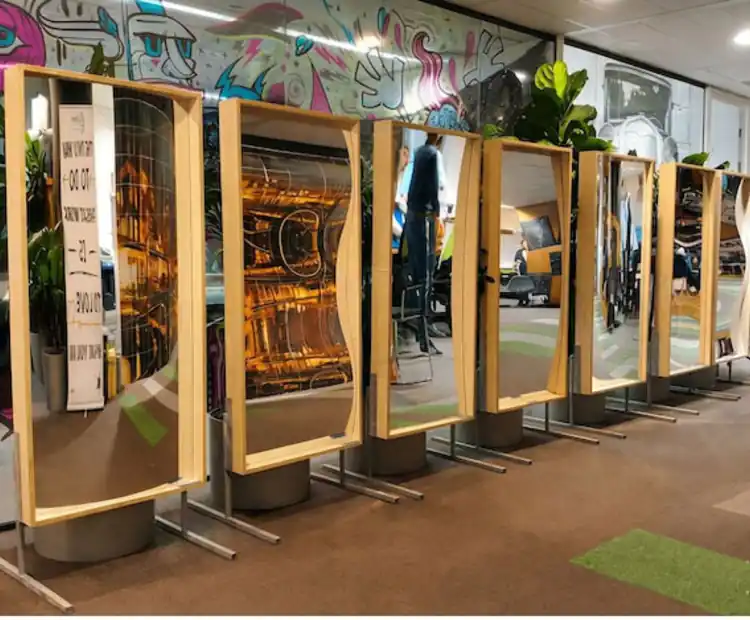
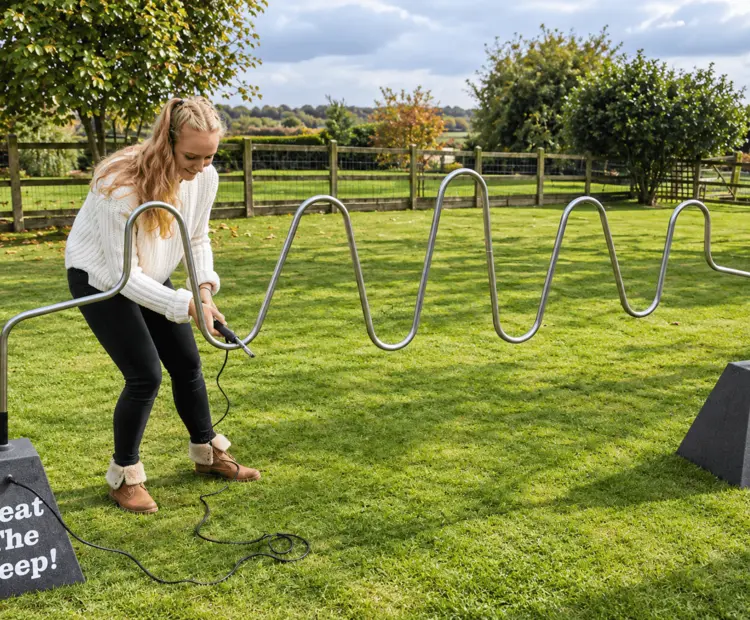
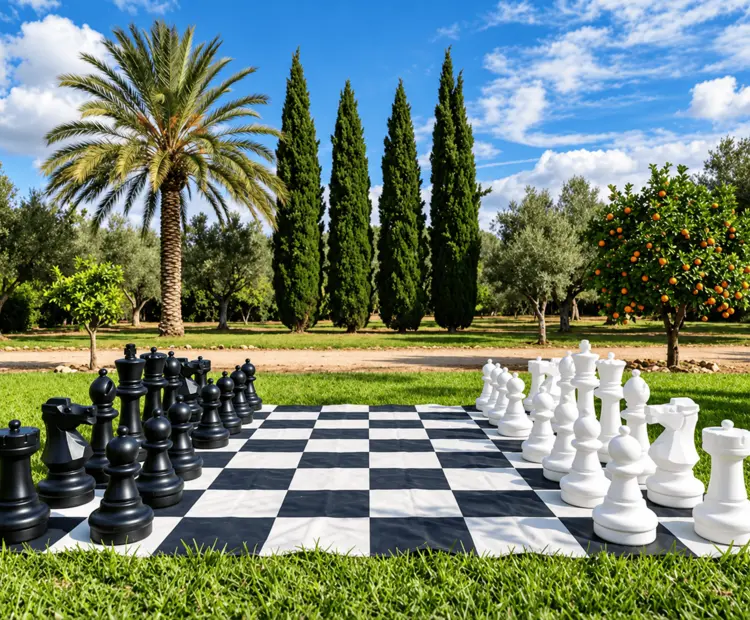
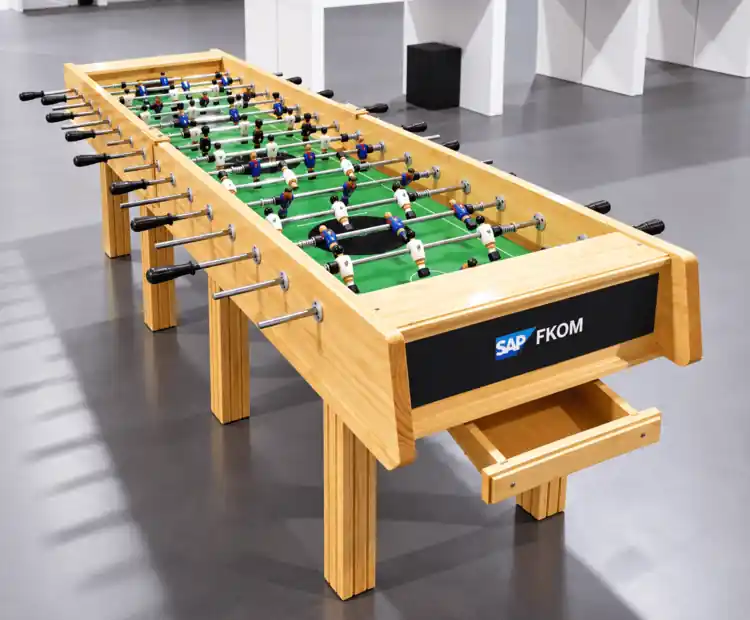
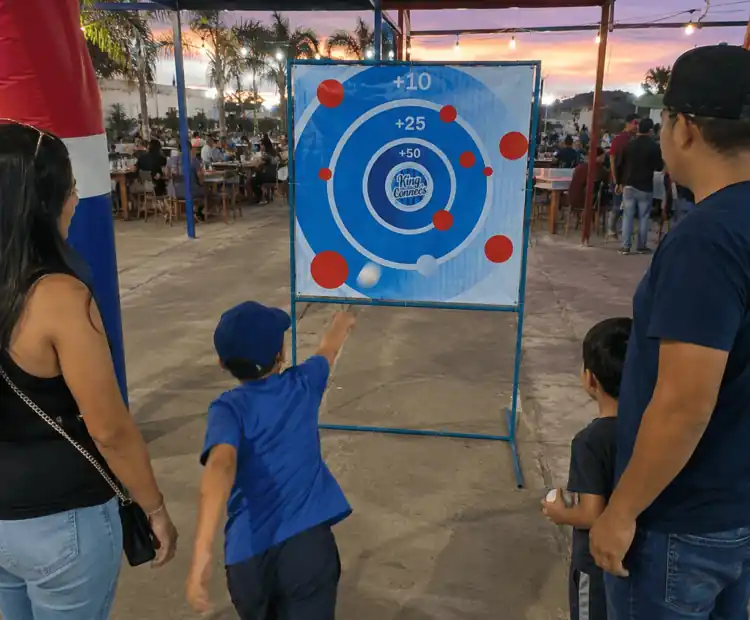
We calculate how many people each activity serves per hour and bring the units your headcount needs. That is what prevents the twenty-minute queue after the plenary.



Corporate Events
A company convention is a gathering of one or more days that brings together employees, sales teams or partners to share results, strategy and training through talks and activities.
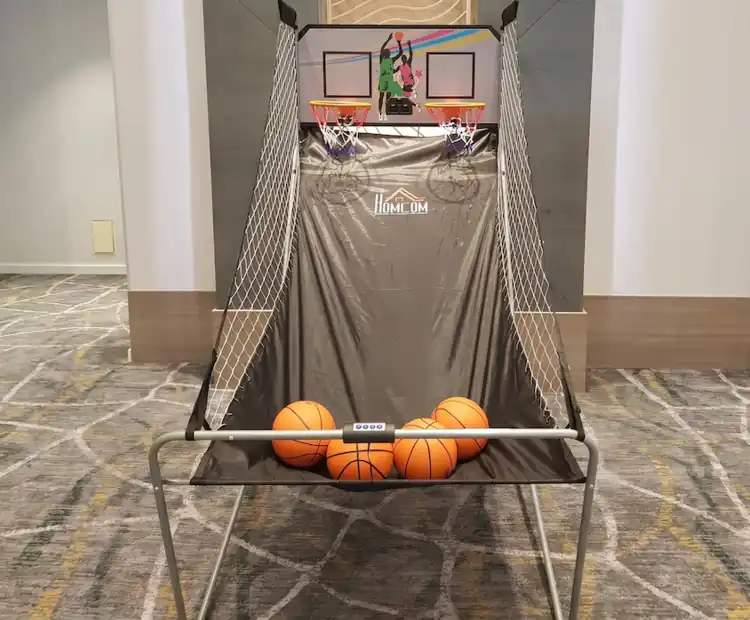
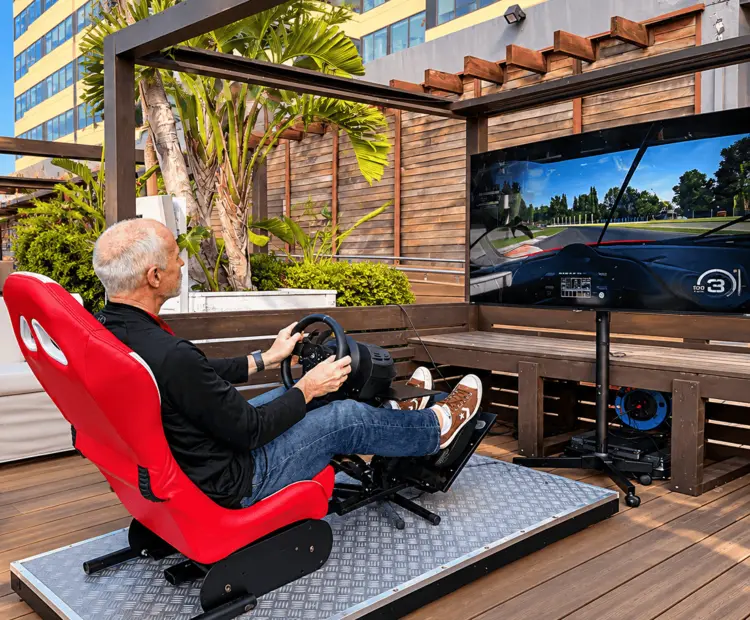
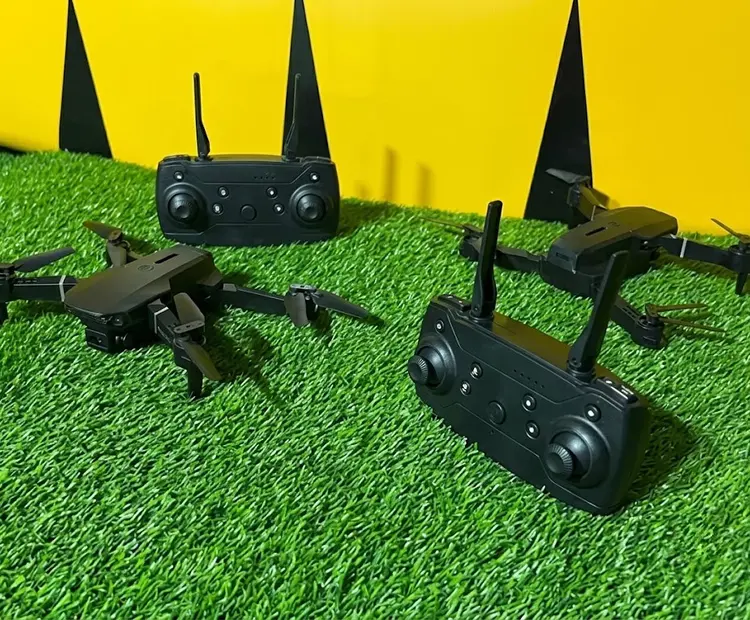
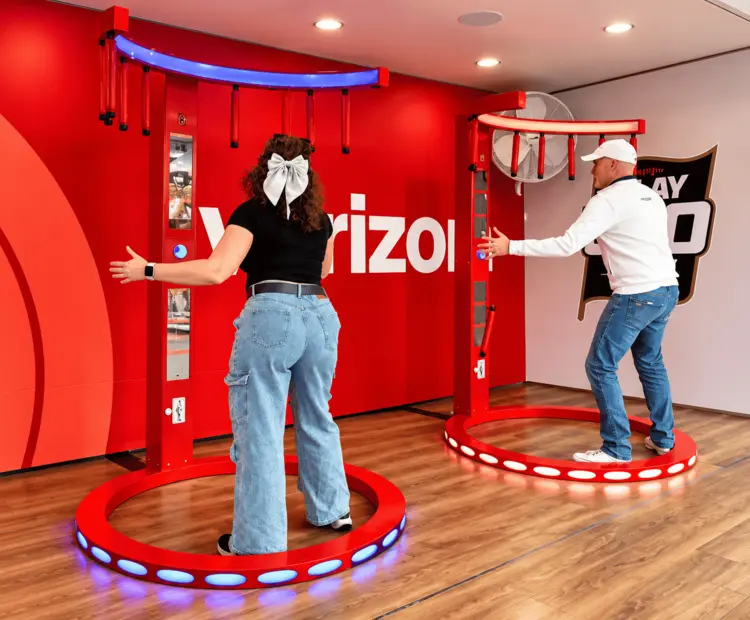
High-rotation activities and a shared scoreboard for conventions with hundreds of people who cannot be left standing still.
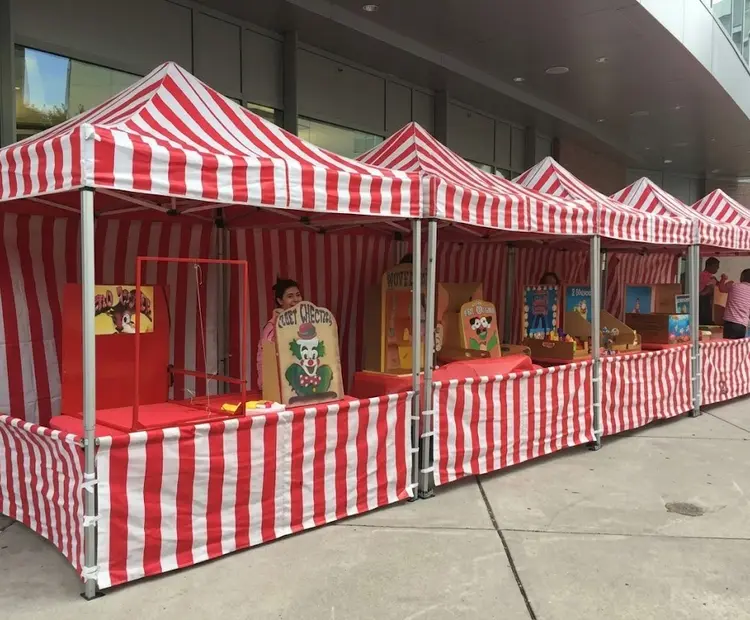
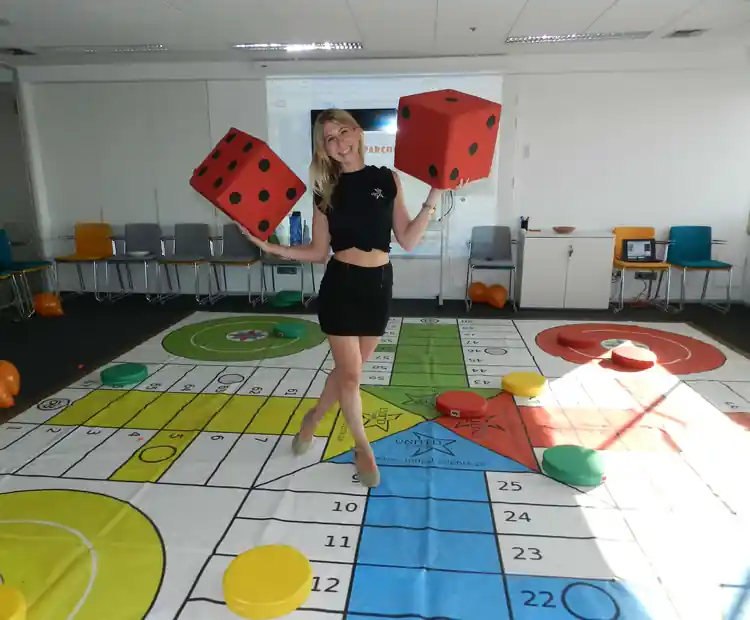
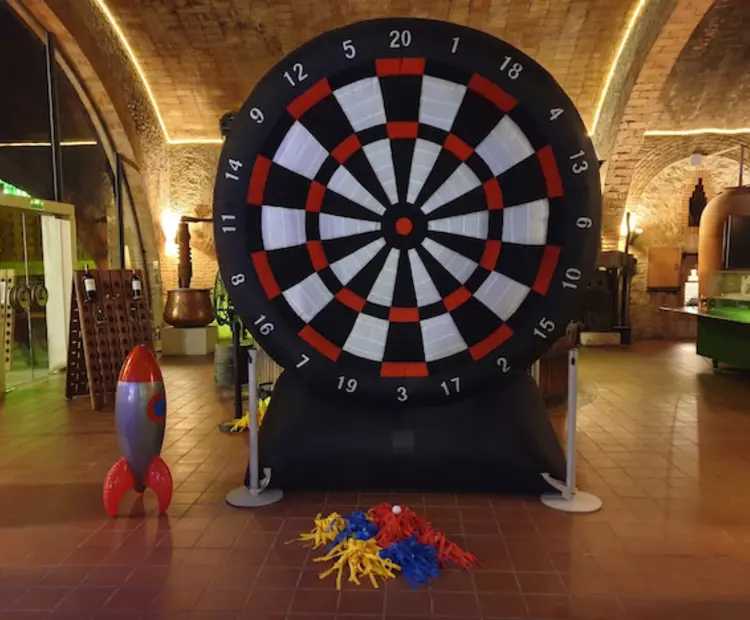
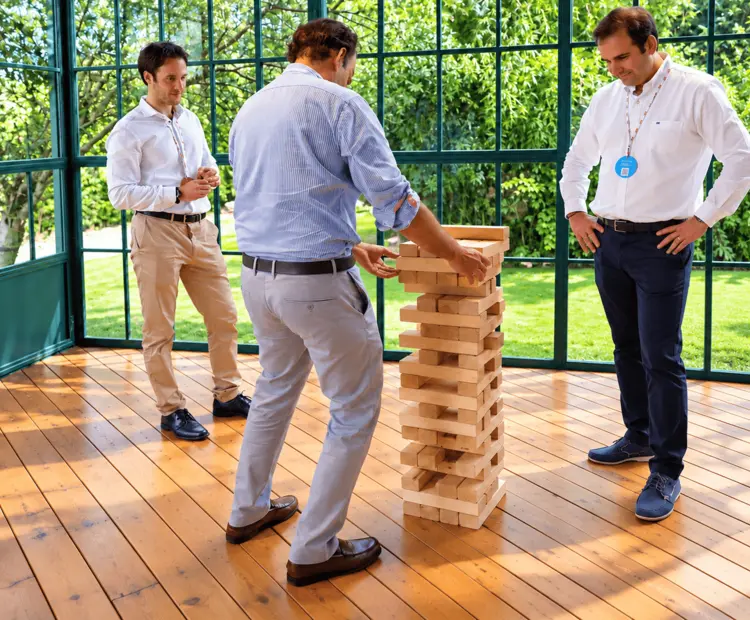
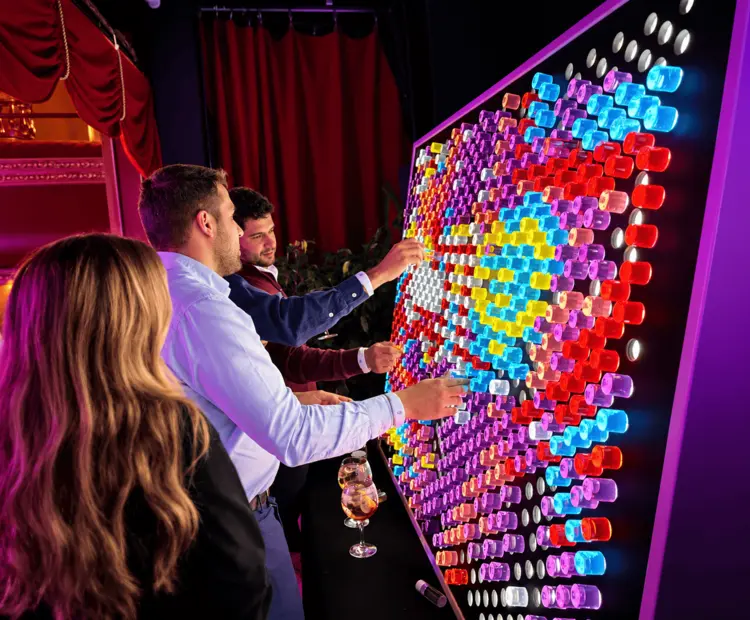
We run the activity side of conventions and annual meetings: zones with high rotation capacity, team challenges with a shared scoreboard and formats that work equally for a hundred people or a thousand.
A convention concentrates a lot of people into very little time, and that is the whole logistical problem. When eight hundred people leave a plenary at once and find three activities, twenty-minute queues form, most head for the coffee, and the entertainment investment goes unused. So the first thing we calculate is not which activity to bring, but how many participations per hour have to be absorbed.
The second element is the scoreboard. A convention usually has teams already defined, by office, by region, by business unit, and using them multiplies the effect. A shared scoreboard accumulating points across all activities makes people come back for another try, gets results discussed over lunch, and gives the closing prize ceremony a purpose rather than making it a formality.
On content, what works is anything resolved quickly and understood without a long explanation. Simulators, skill games, digital challenges, five-minute team tasks. Anything needing a ten-minute briefing and teams formed on the spot clashes with a convention's rhythm, where gaps between blocks are short and the schedule always runs late.
We work regularly in congress hotels, exhibition centres and large venues. We provide equipment, staff at every point and coordination with production, adapting the build to the venue's load-in windows, which at large conventions tend to be overnight and very tight.
We calculate how many people each activity serves per hour and bring the units your headcount needs. That is what prevents the twenty-minute queue after the plenary.
We use the teams that already exist in the company. A cumulative ranking gives the day continuity and turns the closing ceremony into a real moment.
Activities needing no long briefing and no teams formed on the spot. Conventions always run late and anything requiring explanation ends up empty.
Headcount, programme blocks, how long each break runs and where the activity element takes place.
How many participations per hour are needed and how many units of each activity cover it without queues.
Teams, scoring system and results screen, agreed with you before the event.
Build in the allocated window, staff at every point throughout the convention and results at close.
A convention's agenda on paper almost never matches the real one. The plenary overruns, lunch is late, and the forty-minute break becomes twenty-five. It is so routine that we assume it when designing: we propose activities that perform even when time is cut, and avoid formats that only work if everything runs punctually.
That is also why we recommend opening the activity zone before it officially starts. Early arrivals use it, visible movement builds, and by the time the plenary empties the activity is already running. It is a detail that costs nothing and takes considerable pressure off the bottleneck.
It depends on the time available. If the break is thirty minutes, you need activities moving over a hundred people an hour each, and between five and eight points. Give us the headcount and break duration and we will give you the exact number.
Yes, it is standard at congress venues. We work to whatever load-in window the venue allocates, even between two and six in the morning, and leave everything tested before opening.
Yes. Digital games export results in real time and can be shown on screen. We coordinate with your AV team so it appears at whichever programme moments you choose.
Yes. At conventions with international offices we assign staff working in Spanish and English, and prioritise activities understood without relying on language.
Yes. Equipment can stay built between days with whatever security the venue requires, or the proposal can change from one day to the next if the programme calls for it.