


Table of contents
- Before you start
- Getting ready
- Working backwards
- Start from the beginning
- Allow extra time
- Include reminders in your checklist
Why a checklist is the planner's best friend
Whether you are just starting out in the event planning business or you are a seasoned professional, you are surely familiar with the event planning checklist, or have at least heard it mentioned on a course or at an industry meeting. There is a reason for that: it is the most valuable tool for running events successfully.
Note: an event planning checklist is also known as a production schedule or critical path.
Event planning revolves around planning. Even the most creative idea will fail if it is not well organised and delivered. This is where the event checklist comes in: your guide to staying organised and on schedule while managing the enormous range of responsibilities and details behind a successful event. It is especially useful when you are running several events at once, since forgetting a small task or slipping on a deadline can set off a domino effect across seemingly unrelated areas.
So do not rely on your memory, sticky notes or scribbles on a pad to keep your business running smoothly. Learn how to build an effective event planning checklist, and it will soon become your closest ally.
1. Before you start your event checklist
To begin, block out time in your diary dedicated solely to the event you are planning. Then clear your mind: really, no checking your phone or answering emails. You need to picture the event from start to finish without interruptions or distractions so you can plan every necessary task effectively.
2. Getting ready to plan the event
Think about the event you are planning and note down every detail already confirmed: client name and contact information, event date, location, number of attendees, and so on. Get a calendar out and mark the event date in bold. Gather any relevant material — photos of the venue, the list of suppliers to contact — that is part of this event.
3. Working backwards through the planning
The right way to start writing an event planning checklist is to work backwards.
Guests experience an event as a one-day or multi-day gathering where everything happens at once, like a live act that appears on stage and runs perfectly. Event planners, by contrast, see every event as a series of smaller pieces that fit together like a jigsaw until they culminate in the final event. That is why, as planners, we start at the beginning: several weeks or months before the actual event happens.

4. Start your checklist from the beginning
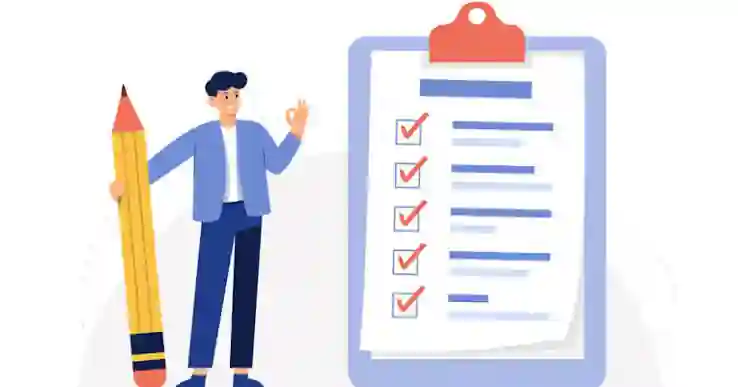
When deciding where to start your checklist, think about laying a solid foundation for your event. Before you pick colour schemes or order flowers, the essentials have to be handled. From signing contracts to negotiating a hotel room block, everything has to appear on the list, however small it seems. The key is to prioritise the tasks that can be completed early, freeing up time in your diary for the jobs that fall close to the event date.
Some examples of items to include in your event planning checklist:
- Sign contracts (with the client, the venue, suppliers, and so on)
- Confirm date and time with the venue
- Book entertainment (band, speaker, and so on)
- Block hotel rooms
- Send invitations
- Choose the menu
- Hire front-of-house staff
- Confirm guest numbers
- Carry out a site visit
- Confirm the room layout
5. Allow extra time on every task
For every item on your checklist, add extra time. If the deadline for sending invitations is 15 March, add a task to have them ready by 8 March, a week earlier. That gives you extra room in case something goes wrong with the invitations or an unexpected delay comes up.
6. Include reminders in your checklist
It is not enough to write "sign supplier contract" and tick the box when you are done. You have to make sure the supplier has received their copy of the contract and has also returned a signed copy to you. So for every important item, add a reminder: for example, "Follow up with the caterer about the contract", followed by a later reminder such as "Signed contract received from supplier".
It is not unusual to take on a task and call it complete when in fact it has only been resolved from your side of the process.
Related products: Event Access Control Hostesses and Promoters for Events