

An entry that does not delay the start
Two accreditation desks and briefed staff admit two hundred people in fifteen minutes. With one desk, forty, and the day starts late.



Trade Fairs, Congresses & Conferences
A conference is a meeting, usually lasting one day, in which one or more speakers present a topic to a professional audience or people interested in the subject.
Reception, breaks and close for conferences: everything around the programme that decides how the day is remembered.
We handle everything around a conference: reception with hosts and accreditation, short break activities, participation from phones during sessions and a close that holds the room.
A conference has content that justifies it and operations that decide whether that content lands. Operations include how two hundred people get in within fifteen minutes, what they do during the twenty-minute break, whether the room is still full at six in the evening and how guests are seen off. None of it appears in the programme and all of it determines how the day is perceived.
Entry is the first critical point. Accrediting two hundred people at a single desk takes forty minutes and delays the start; with two desks and briefed staff, fifteen. It is simple arithmetic and still the most frequent error at events organised by teams who do not do this routinely.
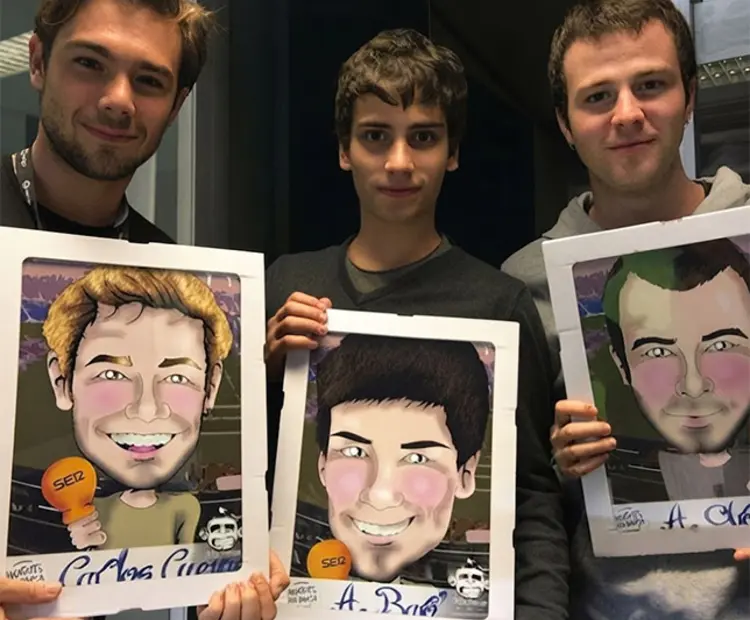
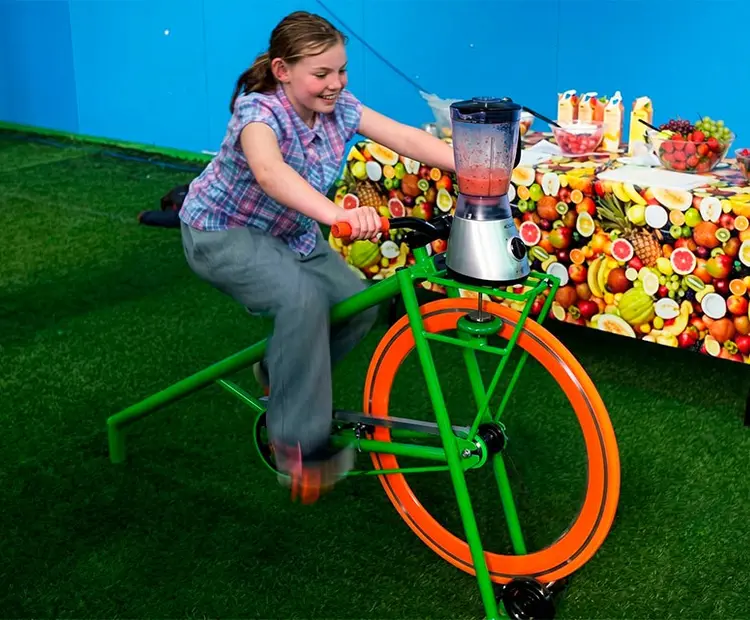
Breaks are the second. Twenty minutes of coffee and nothing else produces closed groups and phones. With a short activity, a caricaturist, massages, a cart with something good, people mix and the break serves its real purpose, which is networking. And with participation from phones during sessions, attention holds far better across the day.
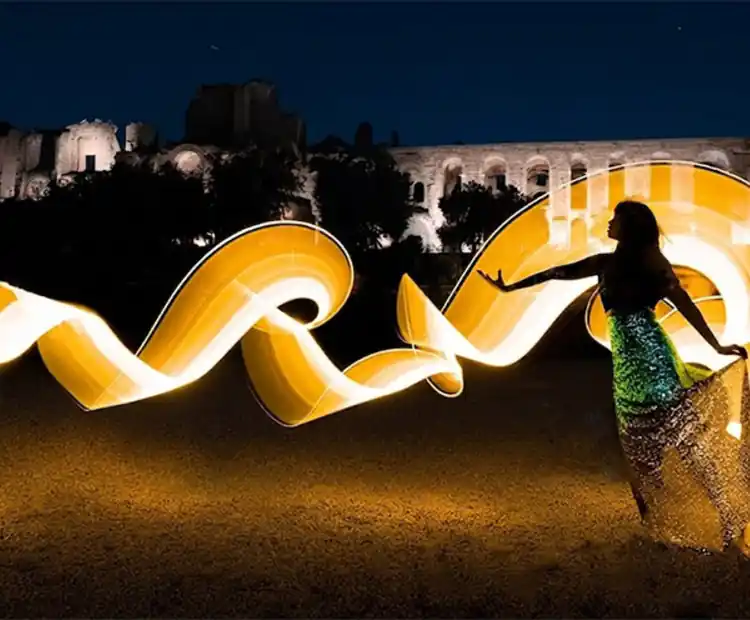
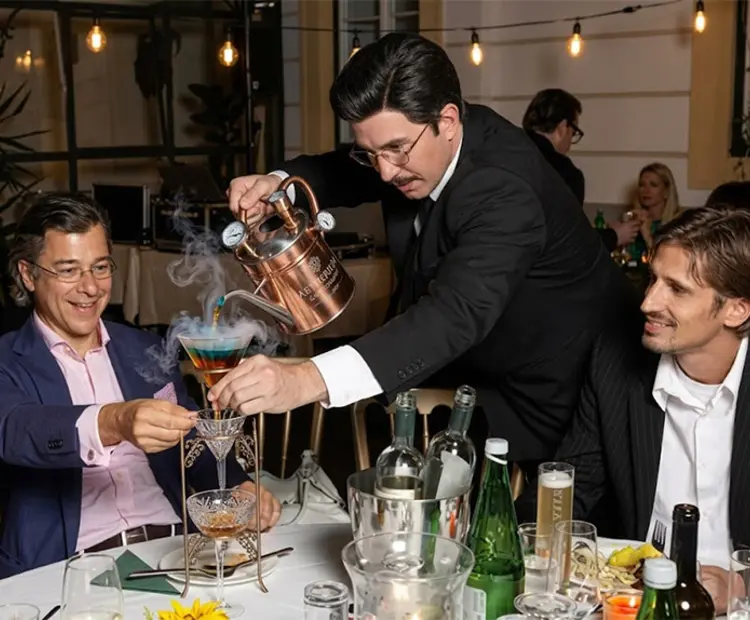
The close is the third. A day that ends when the last session finishes leaves people filing out in silence. A toast, a live cocktail bar or a short act turn the ending into a moment, hold guests twenty minutes longer, and that is when the conversations the conference wanted happen.
Two accreditation desks and briefed staff admit two hundred people in fifteen minutes. With one desk, forty, and the day starts late.
Twenty minutes of coffee and nothing else produces closed groups. A short activity creates a queue, and the queue produces the networking the day was for.
A toast or a short act turns the close into a moment and holds the room twenty minutes longer, which is when the best conversations happen.
Schedule, attendance, room and which other suppliers are involved in the day.
Accreditation desks, staff, break activity and close, with realistic timings.
Signage, badges, activity branding and a test of the digital element.
Reception, breaks, in-room participation and close, with our lead watching the timings.
At every conference day the programme runs late. A speaker overruns, the question session gets lively, the break eats five extra minutes. It is so systematic that we assume it: which is why we size reception so entry adds no delay, and propose break activities that perform equally well at fifteen minutes instead of twenty.
And it is why our lead watches the clock all day, in contact with whoever is chairing. Moving the closing activity by ten minutes, shortening a break or bringing the toast forward are decisions that have to be taken in the moment, and they stop the day ending half an hour late to an already empty room.
One person per hundred attendees as a guide, split across two points if you exceed one hundred and fifty. With a prior list and badges prepared alphabetically the process runs considerably faster.
Yes: phone voting, audience questions and surveys, with our own operator launching each intervention at its moment and handing you the results at the end.
Anything resolved in five minutes per person: express massages, a caricaturist, speciality coffee, a tasting. Anything longer creates a queue that cannot be absorbed before the programme resumes.
Yes, routinely. We handle reception and activity and fit in with whoever runs overall production, respecting their build times and their contacts.
Yes. Our staff work in Spanish, Catalan and English, and the activities we propose for international audiences do not depend on language to work.