Trying shortens the decision
The distance between seeing and trying is the same as between interest and decision. The experience's job is covering it in the least time possible.



Product Launches
A product experience is an action in which the public tries and uses the product in person, in a setting prepared to show how it works and what it is for.
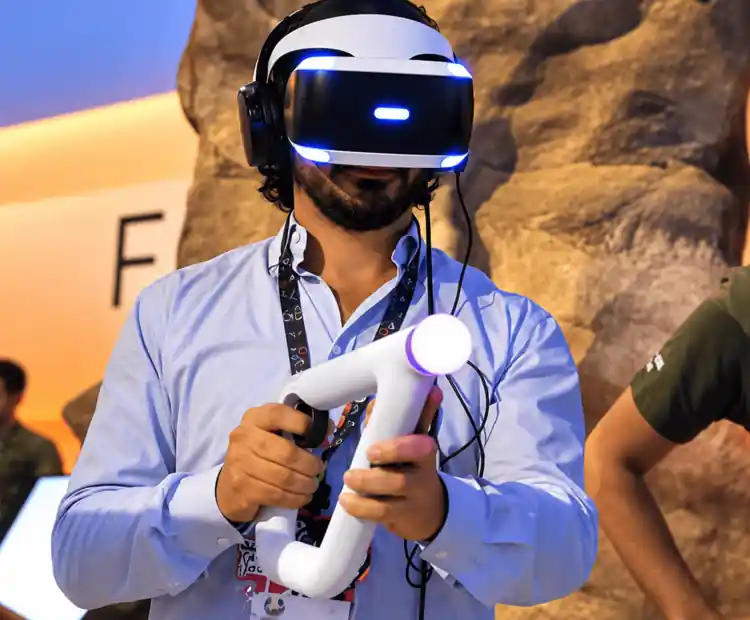
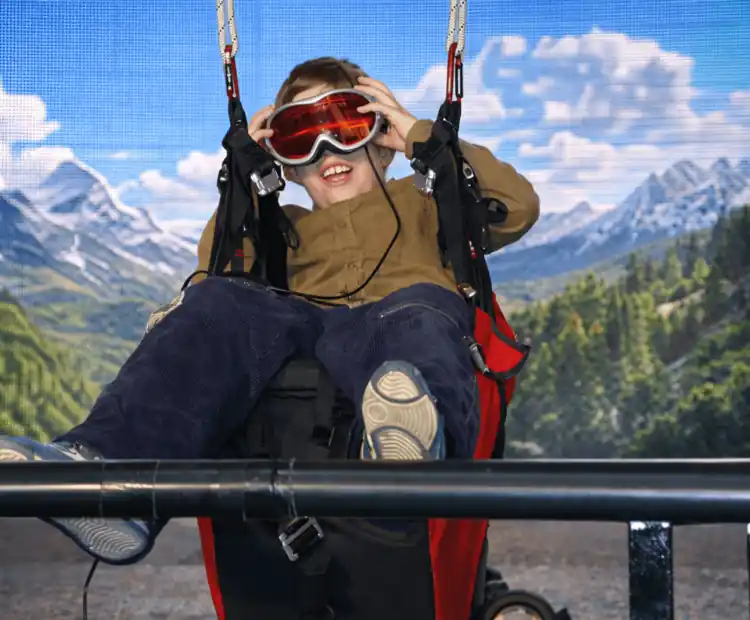
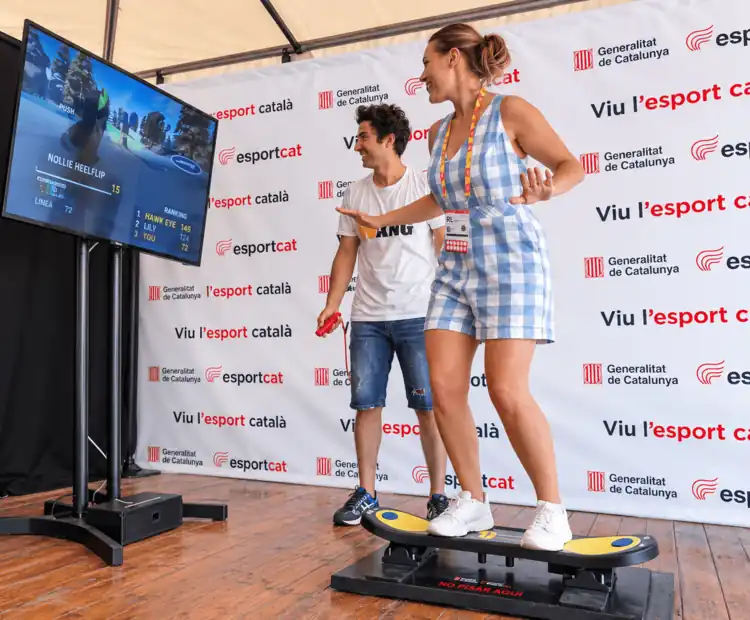
Simulators, virtual reality and demonstrations where the product is genuinely used instead of displayed in a case.
We design experiences where the product gets used: simulators reproducing real use, virtual reality showing what cannot be seen, guided demonstrations and trial zones with specialist staff.
Some products sell themselves when tried and never sell when merely shown. Machinery, technology, cosmetics, food, vehicles, software: in all of them the distance between seeing and trying is exactly the distance between interest and decision. The job of a product experience is to close that distance as quickly as possible.
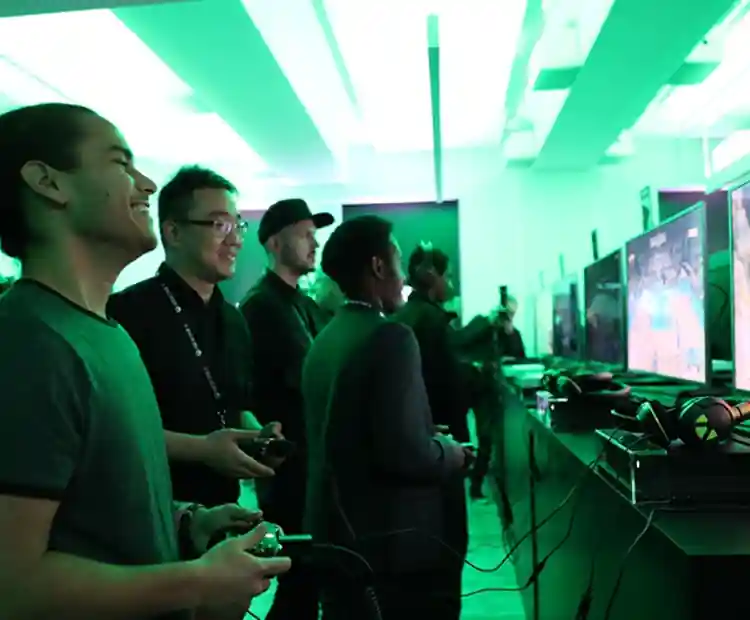
When the product can be brought to the event, the work is staging: how many units are needed to avoid a queue, how the trial is guided, who explains, and what happens with someone who wants twenty minutes while ten people wait. These are operational decisions that determine whether the zone performs or jams within half an hour.
When the product cannot be brought, because it is enormous, because it is in a factory, or because what matters is inside and invisible, simulation steps in. A simulator reproducing its use, a virtual reality experience letting people go inside it, or an interactive model demonstration. It is more expensive to produce and is often the only way anyone understands what is being described.
In both cases specialist staff make the difference. Someone managing the queue is not enough: you need someone who can answer the technical question that will come up. We provide the activity staff and work alongside your commercial or technical team, who should be there when the conversation moves from trial to sale.
The distance between seeing and trying is the same as between interest and decision. The experience's job is covering it in the least time possible.
When the product is enormous, sits in a factory or what matters is inside it, a simulator or VR experience is the only way to show it.
Our staff run the activity and work alongside your technical or commercial team, who should be there when the conversation moves from trial to sale.
What has to be demonstrated, whether it can be brought and how long a useful trial takes.
Units, journey, hourly capacity and how the queue is managed without losing whoever is waiting.
Simulator, VR content or interactive model, tested before the event.
Activity staff, coordination with your team and a count of trials completed by time slot.
The most frequent failure in a trial zone is designing it as a full demonstration. Everything is explained, every function shown, and each visitor takes fifteen minutes. The result is a queue that does not move, people leaving without trying, and an exhausted team by mid-day.
Shortening the trial to the essentials and saving the full explanation for whoever asks works far better. Two well-resolved minutes generate more total trials, more conversations and more contacts than fifteen impeccable minutes with half the crowd waiting. And anyone genuinely interested always asks for more.
It depends how long a trial takes. If it is two minutes and you expect two hundred people across three hours, three units is plenty. If it is ten minutes, you need many more or you switch to timed sessions with limited places.
Yes, on existing bases that we adapt with your content and livery. A completely new development needs more time and budget; in most cases adaptation covers the need.
We provide the activity staff, who manage turns and explain the mechanic. For the technical side it is best to have someone of yours alongside: they can answer the specifics and turn the trial into a commercial conversation.
Especially. At a fair the trial zone is what distinguishes your stand from the fifty around it. The format has to adapt to limited square metres and short dwell times, but the approach works the same.
If the mechanic includes it, yes. Contact details can be requested to send information, results or an offer, with the corresponding consent information. We hand over the records at the end.