





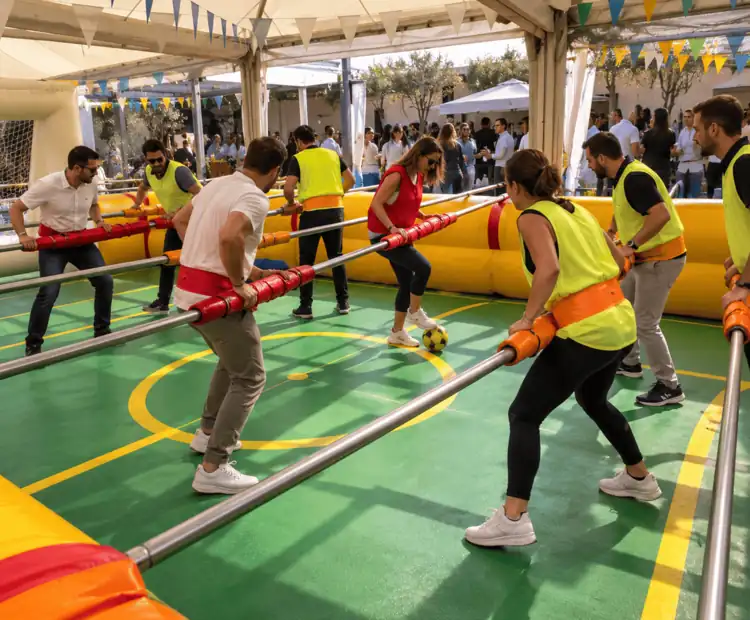
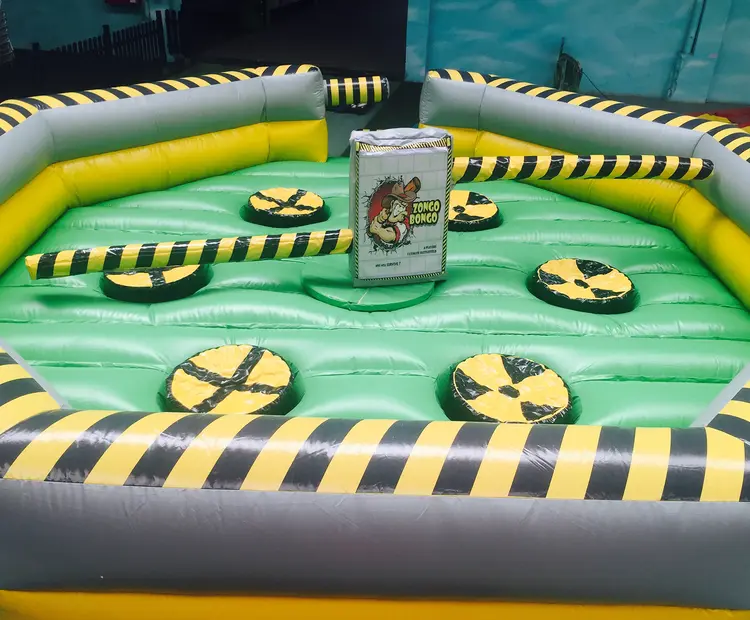







Covers all three ages
Small children, older children and teenagers need different things. We split the site into three areas so no age bracket is left with nothing to do.



Corporate Events
A family day is a day on which a company invites employees to come along with their families, with activities for children and adults, at the office or at an outdoor venue.
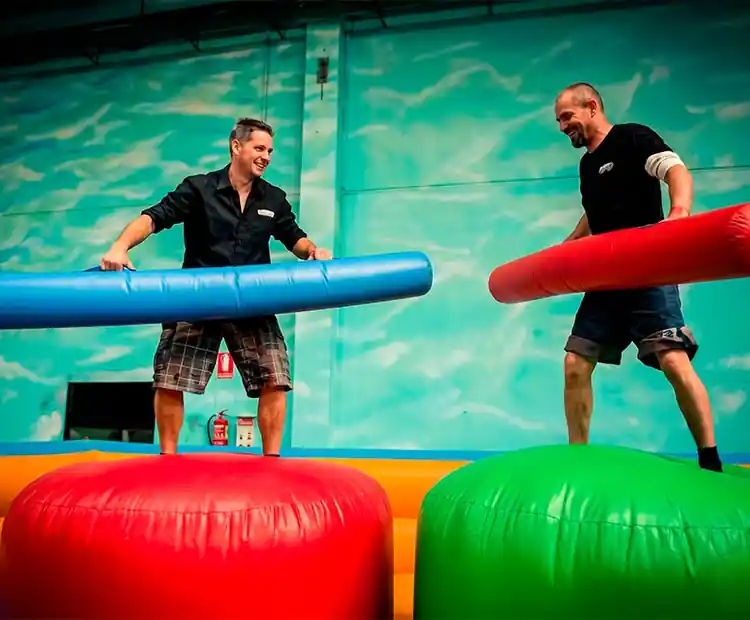
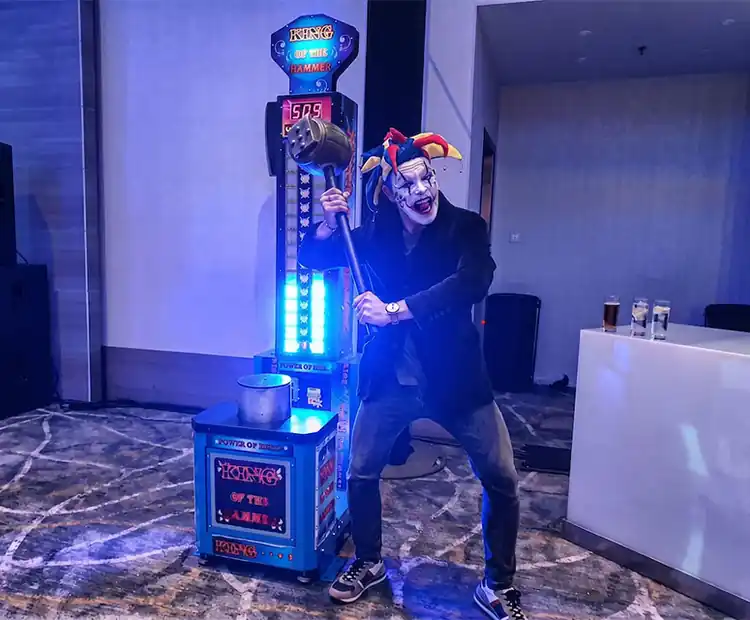
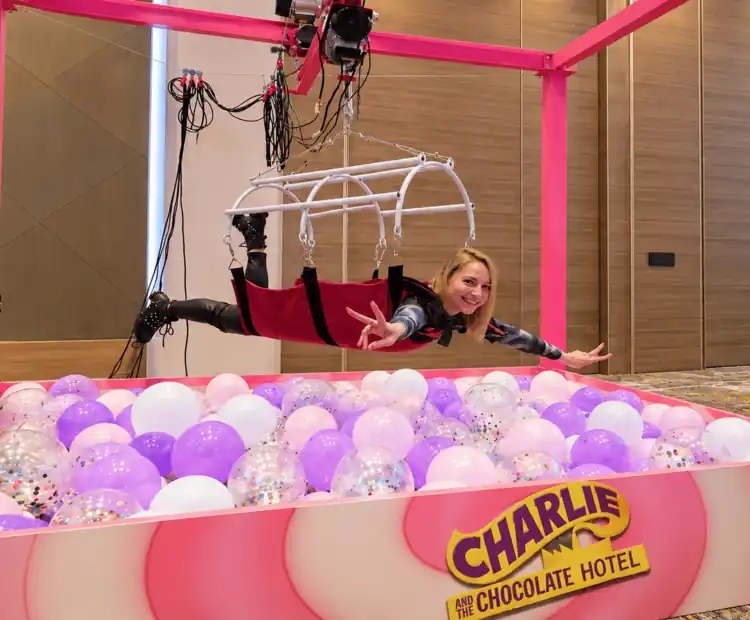
Inflatables, workshops, entertainers and food carts, so the staff's children have a better time than their parents.
We build complete family days for companies: a children's zone with inflatables and workshops, qualified entertainers, games for the whole family and food carts, with enough staff that parents can switch off for a while.
A family day is judged on one thing: whether the children enjoy it. If they are bored, the parents leave after ninety minutes and the day is remembered as a Sunday obligation. If they enjoy it, parents stay, talk to each other, and the company gets exactly what it wanted from the event, which is people seeing the business as more than the place where they work.
The key is covering different age brackets at once. Three to six year olds need small inflatables, a ball pit, face painting and entertainers; seven to elevens want competitive games and workshops with an outcome; and teenagers, usually the forgotten group, only engage with something technological or sporting. A family day that serves only the youngest leaves half the family wandering.
Staffing matters as much as equipment. An inflatable without a monitor produces queues, pushing and the odd bump; with a monitor it runs all afternoon without incident. We work to clear monitor ratios per activity and per number of children, and that number is itemised in the quote so you know exactly what you are booking.
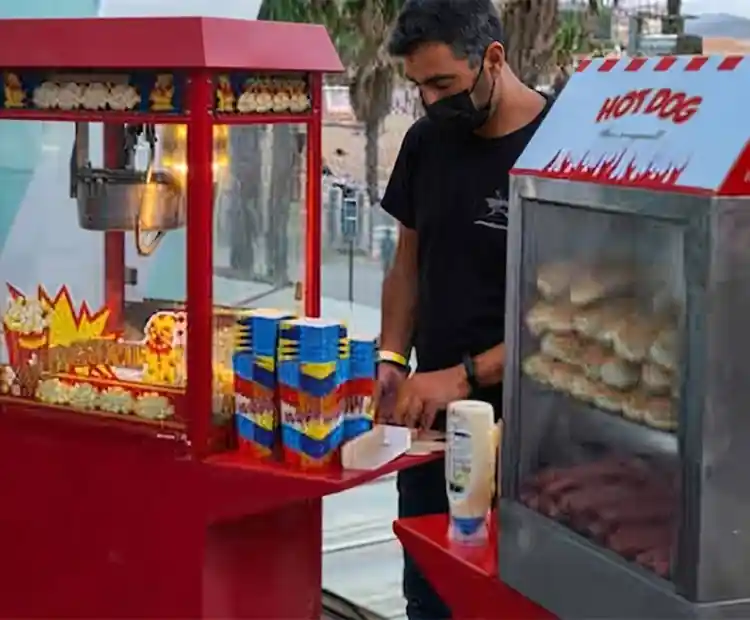
Food needs thought too. Children eat earlier and eat differently, and a forty-minute queue at the barbecue with tired kids ruins a day that was going well. Food carts solve that because they spread the flow and work at any hour, besides being what the children remember the next day.
Small children, older children and teenagers need different things. We split the site into three areas so no age bracket is left with nothing to do.
Every children's activity comes with our staff managing turns and safety. That is what lets parents let go and sit down, which is the whole point of the day.
Carts spread the flow and work at any hour. They avoid the barbecue bottleneck, which is where most family days come unstuck.
Number of families, approximate age ranges, available space and the day's schedule.
What goes in each area, how many monitors, how many people each activity serves per hour, and a closed price.
Surface, anchoring, shade, access and documentation. Outdoors we also set wind and heat criteria.
Build before arrivals, monitors at every point throughout the day, and takedown at the end.
Something curious happens at family days: the whole thing is decided in the first forty minutes. If a family arrives and finds activities built, monitors on duty and something to do straight away, they settle in and stay all afternoon. If they arrive and have to wait for something to start, half of them walk around once and leave before lunch.
So we insist on everything being operational before the arrival time, with activities open from the first minute and staff already in position. It is a planning detail that costs no more and completely changes the attendance feeling, which is the number the company will look at the next day.
It depends on the activity and the number of children. As a guide, a large inflatable takes one monitor, a workshop takes one per fifteen children, and the toddler area needs constant presence. We itemise it in the quote rather than hiding it in the price.
Yes. All children's equipment meets regulations and we hold the corresponding certificates and public liability insurance. We supply them in advance if your health and safety department asks.
Yes, quite commonly: car parks, open ground, gardens or warehouses. We need the surface area, vehicle access and whether there is power. Where the ground cannot take anchoring we work with ballast.
We plan by time slot and with shade. In June and July we avoid scheduling physical activity between two and five, prioritising water games or workshops under cover. It is a conversation worth having when designing the schedule, not on the day.
With food and drink carts, yes. For full adult catering a restaurant service usually handles it better, and we complement the part the children use: sweets, ice cream, popcorn and slushies.