Japanese Samurai Show

Consulta el presupuesto con precio Japanese Samurai Show en Barcelona y toda España
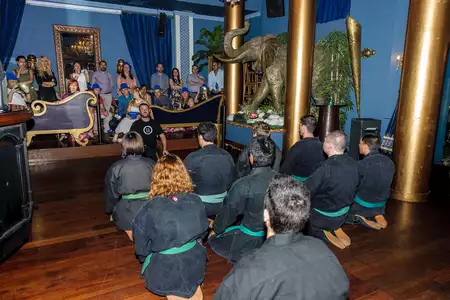
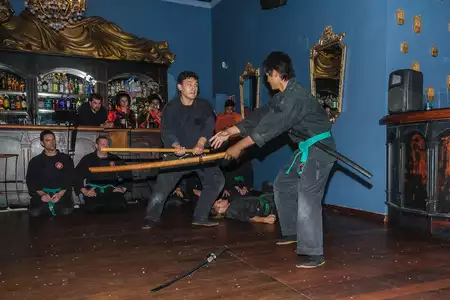
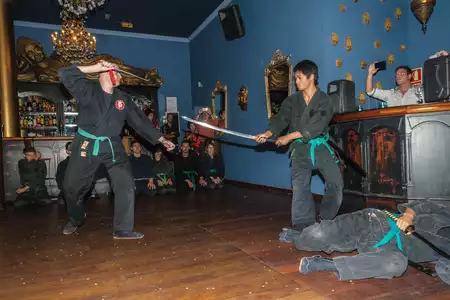
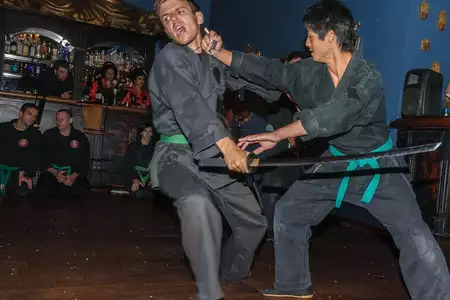
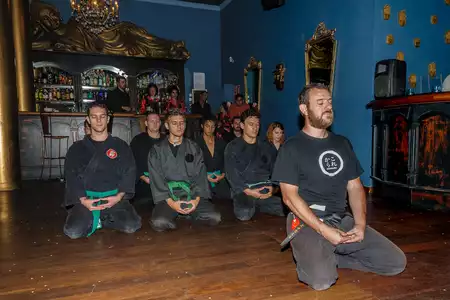
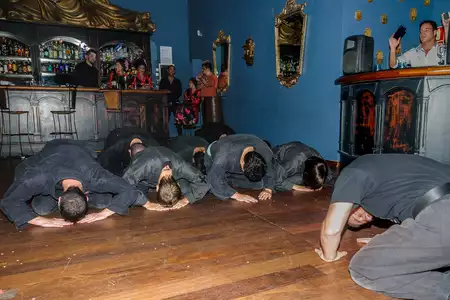
Description of the Japanese Samurai Show for Events
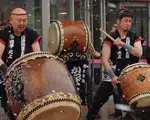
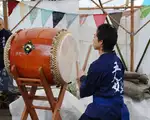
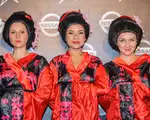
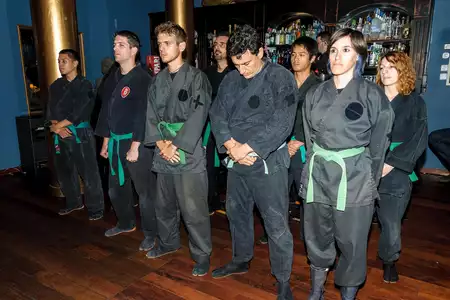
A show of approximately 30 minutes, faithful to Japanese culture and to the quality and authenticity of the elements used in the Japanese show.
The samurai show for events explains different moments that could occur in Japan from the 10th to the 16th century, with different weapons of the era such as katanas, nihontō, the samurai's main weapon, and, depending on the availability of the weapon, the show also uses weapons from the 10th century such as yaris, naginatas or, for example, nodachis.
Although a script and choreographies already exist for the Japanese show, some adaptation or modification can be considered if desired.
Once the samurai show is over, guests can have their photos taken at the photocall with the artists and their weapons.
What is a Samurai?
The word samurai (侍 samurai?) (also samuray) is generally used to refer to a wide variety of warriors of ancient Japan, although its true meaning is "one who serves" of a military elite that ruled the country for hundreds of years.
The origin of the samurai dates back to around the so-called 10th century and it was strengthened at the end of the Genpei Warin the late 12th century, when a military government was established under the figure of the shōgun, with the Emperor of Japan left in his shadow as a mere spectator of the country's political situation. Their peak came during the Sengoku period, a time of great instability and continuous power struggles between the various existing clans , which is why this stage of the history of Japan is referred to as the "Warring States period". Military leadership of the country would remain in the hands of this elite until the establishment of the Tokugawa shogunate in the 17th century by a powerful samurai landowner (known as daimyō) called Tokugawa Ieyasu, who, paradoxically, on becoming the supreme authority by being named shōgun, strove to reduce the privileges and social status of the warrior class, a process that finally culminated in its disappearance when the emperor resumed his role as ruler during the Meiji Restoration in the 19th century.
Historically, the image of a samurai was more closely associated with that of a mounted archer than with that of a swordsman, and it was not until a relative peace reigned that the sword acquired the importance with which it is associated today; the fantasy and the reality of the samurai have become intermingled and idealised, and their stories have served as the basis for novels, as well as films and comics.