Shodo Calligraphy for Events

Consulta el presupuesto con precio Shodo Calligraphy for Events en Barcelona y toda España
Features
Time
The duration is defined in hours, proposed by the client.
Technical Requirements
Table on which to place the different representations of words in Shodo for the guests and to display different examples..
Summary
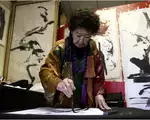
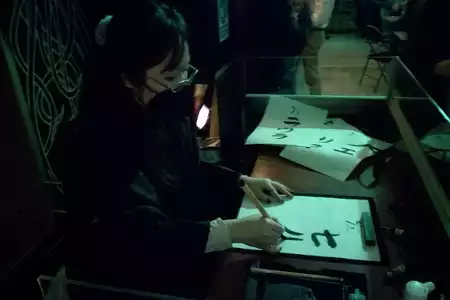
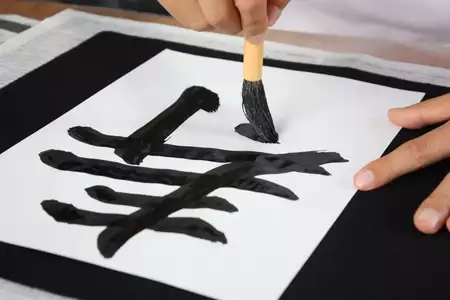
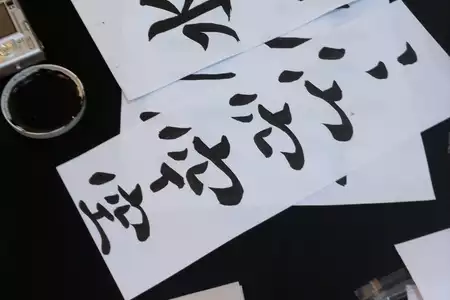
The artist writes in the art of shodo the different words requested by the guests, using tools faithful to its era and to the artistic technique of shodo; while nobody is asking for names or words, the artist creates other words to hand out on Japanese rice paper.
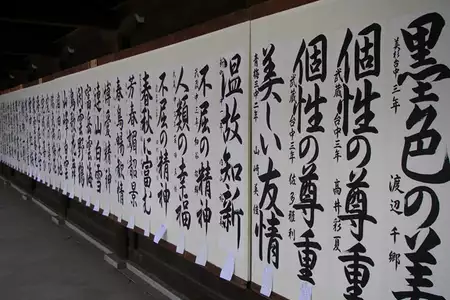
The artist also displays a series of Japanese calligraphies of a higher level of complexity.
Possibility of running a workshop for the guests.
What is Shodo Japanese Calligraphy?
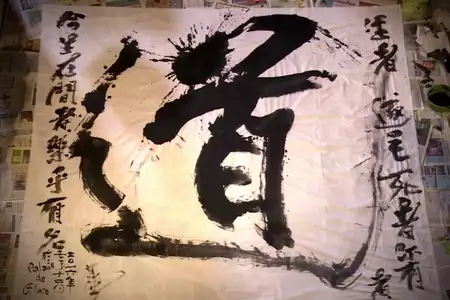
Shodō (書道 "the way of writing"?) is Japanese calligraphy .
It is considered an art and a discipline that is very difficult to perfect, and it is taught as a regular subject to Japanese children during their primary education.
It comes from Chinese calligraphy, and is practised in the age-old way, with a brush, an inkstone where the Chinese ink is prepared, paperweights and a sheet of rice paper. Nowadays it is also possible to use a fudepen, a portable brush with an ink reservoir.
Shodō practises the writing of the Japanese characters hiragana and katakana, as well as kanji characters derived from Chinese writing. Today there are master calligraphers in this art who are hired to write important documents.
As well as requiring great precision and grace on the part of the calligrapher, each kanji character must be written according to a specific stroke order, which increases the discipline required of those who practise this art.
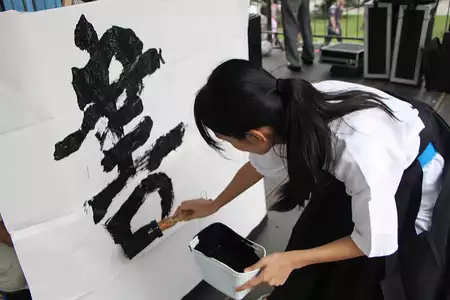
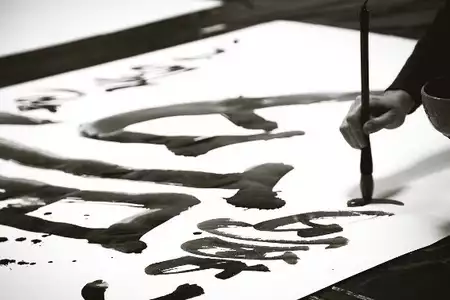
In Spain and Latin America there is a practice that has come to be called Creative Shodō, which is mainly associated with large-format performance pieces with ink that sometimes include the use of kanji, but which mainly incorporate abstract images created intuitively in the moment. Some names that can be mentioned as precedents are the Japanese-born masters of great influence in Latin America such as Kazuya Sakai and Hamano Ryuho, later expanding to the visual work of Elena Hikari, Ezequiel D'León Masís, Luciana Rago, among others.
What does the Shodo artist do at the Event?
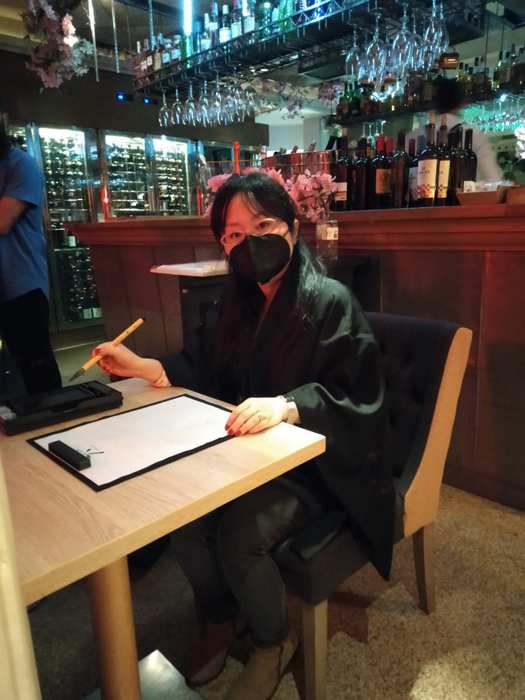
The Shodo artist draws as the event's attendees ask for their name in Japanese Shodo calligraphy.
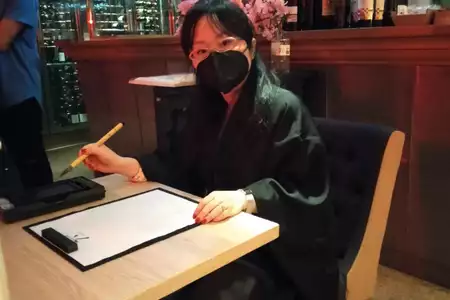
The artist will sit on a chair next to an illuminated table waiting for each attendee to make a request; it can be their name or any other word. Shodo is interpreted by sounds, so in the end all existing words have their icon in Shodo.
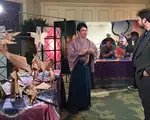
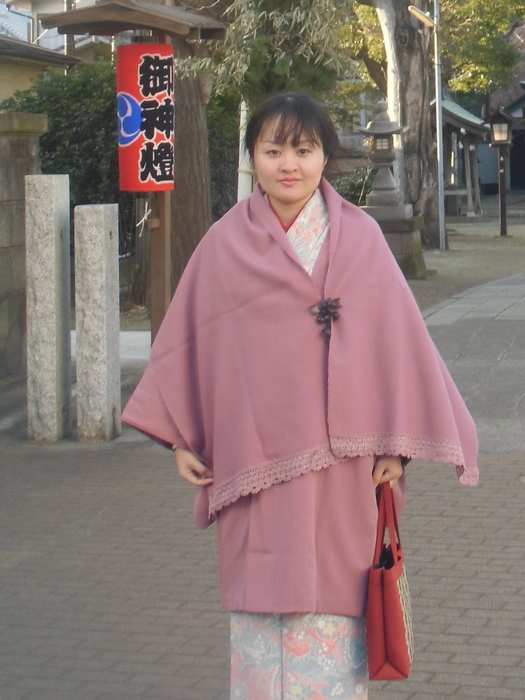
An important point for immersing the event and the entertainment in its Japanese setting is for the artist to be dressed in a kimono; this detail adds to the impact on the guests.
The artist's needs are only a chair and a well-lit table.
The artist brings all the necessary materials of Japanese origin, such as the paper, the ink and the tools needed to carry out the act.